 Free shipping on orders over £29,85
  Shipping Tracking!


 Google
 Facebook
How to Make a Resin Floor for a Bathroom
Achieve a watertight, durable finish with this step-by-step resin flooring guide.
Creating a resin floor in your bathroom is an effective way to achieve a modern, seamless, and watertight finish that stands up to daily use and moisture. This guide covers all the necessary steps, from initial preparation through resin application to final finishes, so you can enjoy a beautifully crafted resin floor tailored for bathroom environments.
What You’ll Need
- “Epoxyprimer” – Universal Water-Based Two-Component Epoxy Floor Primer: A water-based primer for concrete, tiles, screeds, and timber substrates.
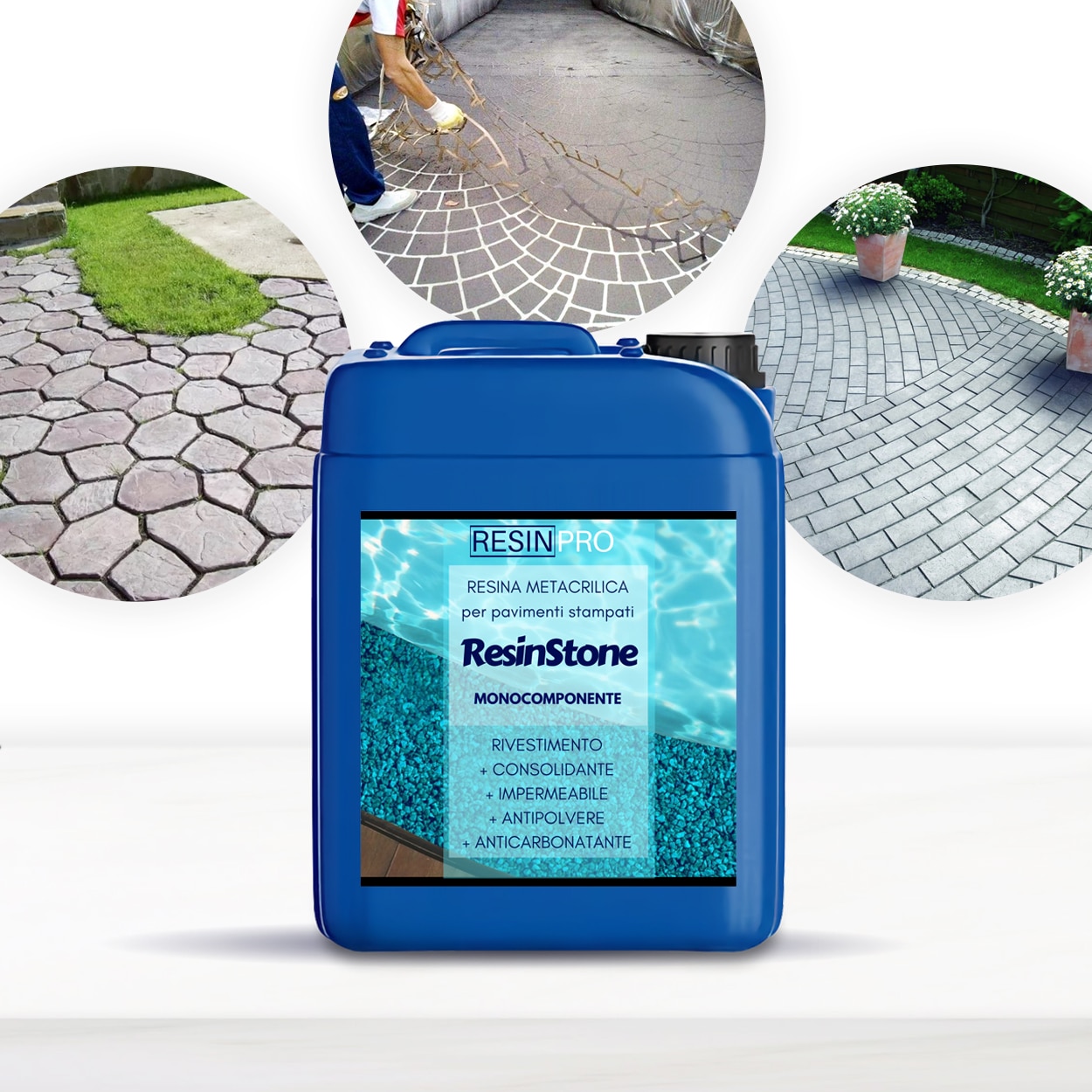
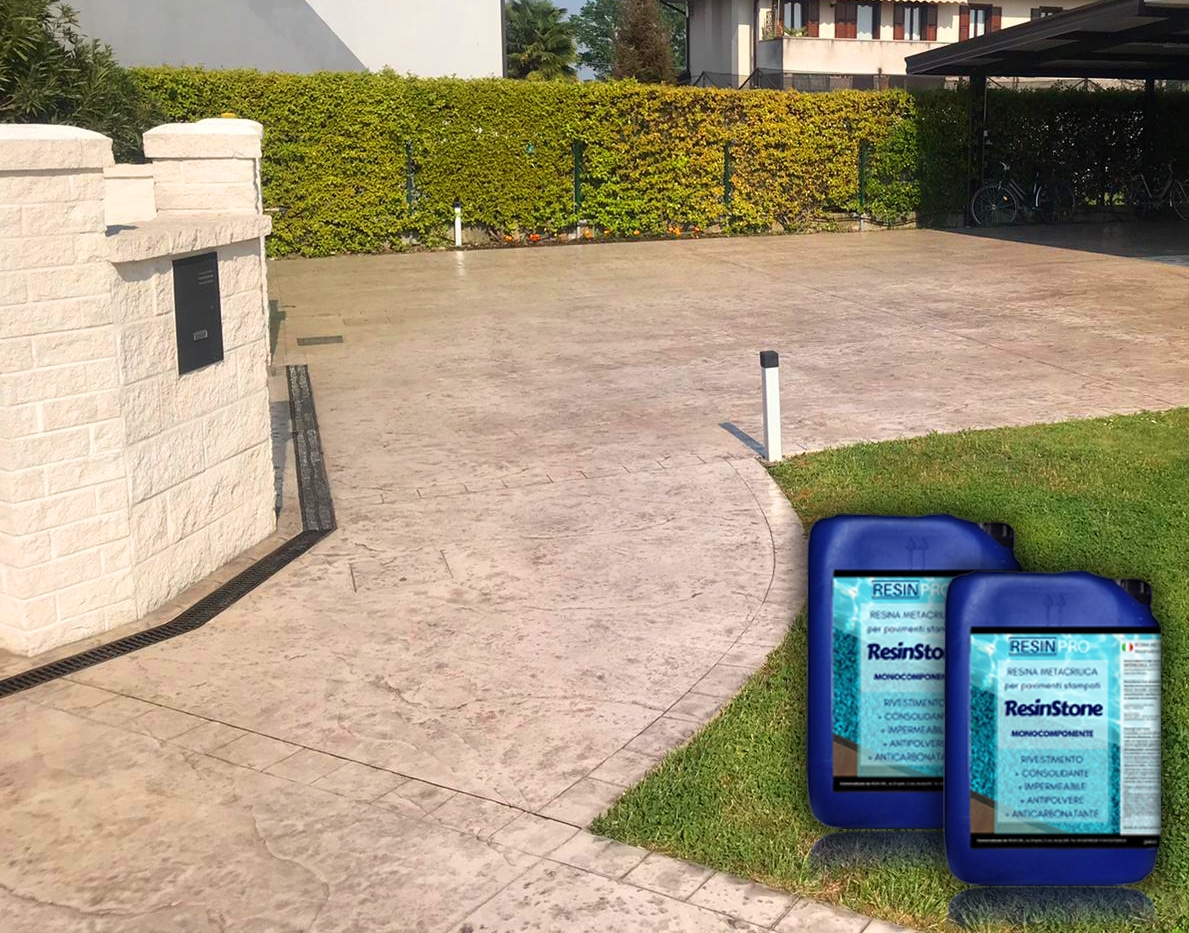
- “Resinstone” – One-Component Methacrylic Resin for Concrete Floors and Driveways: Seals and protects absorbent concrete surfaces.
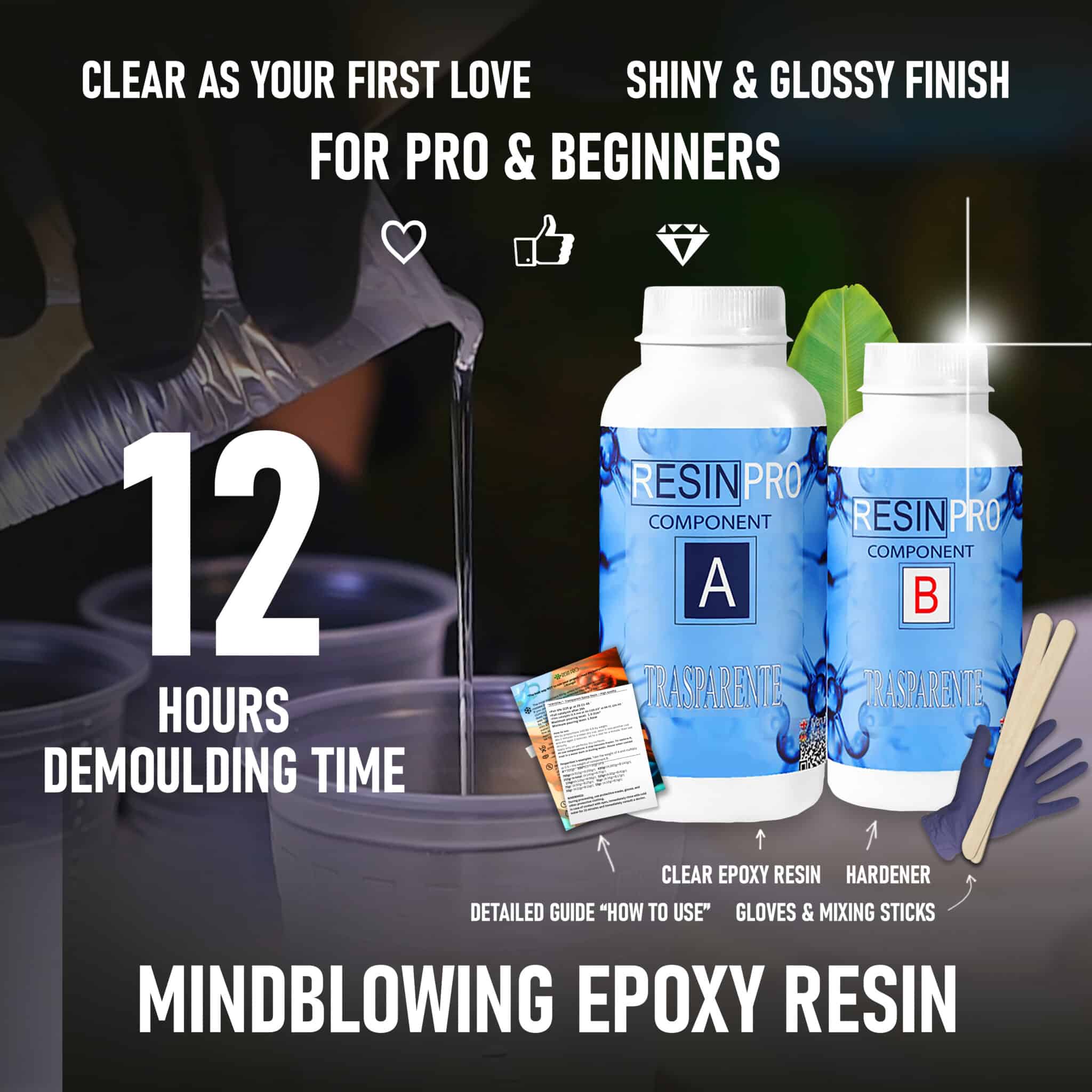
- “Trasparente” – Multipurpose Clear Epoxy Resin for Casting – Up to 2cm: Provides a self-levelling, crystal-clear resin layer for lasting bathroom floors.
- “Art Pro” – Clear Epoxy Resin for Artists and Surface Coating: For high-gloss, scratch-resistant topcoats.
- Rollers, spatulas, and brushes
- Mixing containers and gloves
- Masking tape and protective sheeting
- Vacuum cleaner and degreasing agent

Preparation and Priming Visual Guide
See each step of surface cleaning, priming and masking for a flawless resin floor install. Visual references show substrate readiness, priming coverage and safety preparation so you can confidently start your project.
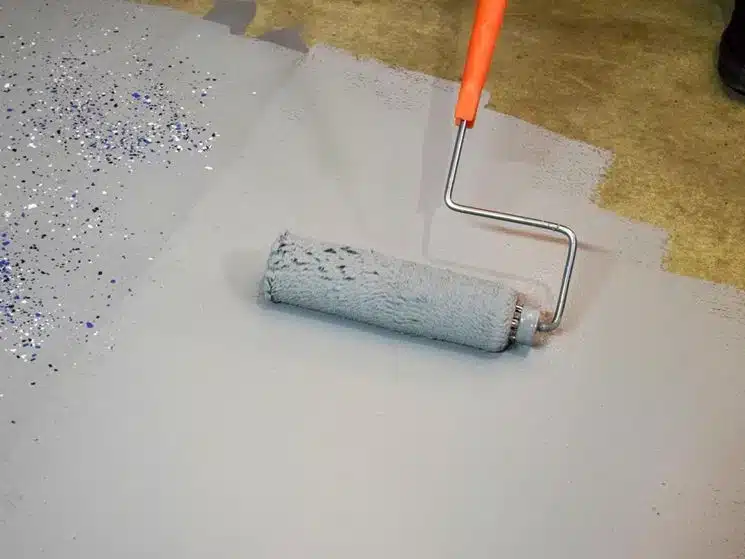
Step 1: Prepare the Surface
Ensuring your bathroom floor is thoroughly clean, dry, and free of loose debris or oils is vital for proper adhesion. Begin by removing any existing coverings and degrease the area, paying special attention to corners and grout lines. Concrete, tile, or screed bases should be smooth and free of cracks—otherwise, repair and sand these imperfections as necessary. Prepare all surfaces thoroughly to prevent adhesion issues and surface defects later.
Any moisture or dust left behind may compromise bonding and cause aesthetic or structural issues in the finished floor.
Step 2: Prime for Adhesion
Priming is crucial for maximising resin adhesion and sealing porous surfaces. For most bathroom floors, particularly those with tiles, screed, or timber, apply a dedicated primer such as “Epoxyprimer” – Universal Water-Based Two-Component Epoxy Floor Primer. Mix according to instructions and use a roller or brush to cover the entire area evenly.
For concrete-only bases needing additional waterproofing, “Resinstone” – One-Component Methacrylic Resin for Concrete Floors and Driveways can be used to further seal and protect before the resin pour. Temperature and humidity control during priming ensure best results—avoid application in damp or freezing conditions.
Step 3: Mix and Pour the Resin Layer
Once your primer has fully cured (refer to manufacturer timings), you can begin mixing your chosen epoxy resin for the main layer. A product such as “Trasparente” – Multipurpose Clear Epoxy Resin for Casting – Up to 2cm is ideal for creating a self-levelling, seamless surface with a glossy finish. Carefully follow mixing ratios, and mix slowly to minimise air bubbles.
Pour the resin starting from one corner and spread evenly using a notched trowel or spatula, maintaining a wet edge for uniform flow. If you are working with layer thicknesses up to 2cm, Allow full curing time before use to ensure durability and water resistance. Avoid disturbing the floor during this stage.

Step 4: Apply the Final Topcoat for Protection
To enhance scratch resistance, gloss, and UV protection, a specialised topcoat is recommended after the main resin layer cures. “Art Pro” – Clear Epoxy Resin for Artists and Surface Coating can be applied in a thin, even layer using a clean roller or brush. This step adds both longevity and a premium finish to your bathroom floor.
Work in sections, ensuring no dust settles on the wet surface. Vacuum and degrease between stages to eliminate contaminants before topcoat application.
Tips and Common Mistakes When Laying a Resin Bathroom Floor
Successful resin floors depend on careful timing, clean working conditions, and correct product application. Choose the right primer for your base—skipping this step can lead to peeling or bubbling. Maintain steady room temperature and humidity throughout the process, as resin products can be sensitive to climate. If in doubt, run a small test patch first.
Allot the recommended curing interval after each step for the primer, resin, and topcoat. Rushing the process or ignoring preparation details is the most frequent cause of problems. Be mindful of ventilation and always wear protective gear for mixing and application. Any contamination or surface movement before the resin hardens may affect the appearance and durability of your finished floor.
Resin Pouring and Finishing Results
Review real bathroom resin flooring applications and their completed finishes. This section highlights the gloss, seamlessness, and water resistance that distinguish well-installed resin floors—plus troubleshooting examples for common errors.

- "Epoxyprimer" – Universal Water-Based Two-Component Epoxy Floor PrimerPrice range: £148.84 through £272.45"Epoxyprimer" is a water-based two-component floor primer designed for durable adhesion on concrete, tiles, and timber surfaces.
- "Resinstone" – One-Component Methacrylic Resin for Concrete Floors and DrivewaysPrice range: £29.85 through £59.85"Resinstone" is a one-component methacrylic resin designed for sealing and protecting concrete floors, suitable for bathroom floor projects.
 "Trasparente" – Multipurpose Clear Epoxy Resin for Casting – Up to 2cmPrice range: £8.45 through £948.85Transparent multipurpose clear epoxy resin designed for detailed castings and DIY projects with up to 2cm layer thickness.
 "Art Pro" – Clear Epoxy Resin for Artists and Surface CoatingPrice range: £31.15 through £388.85Art Pro clear epoxy resin offers durable, scratch-resistant, high-gloss finishes suitable for artists and crafters.
Frequently Asked Questions
Which resin is best for bathroom floors?
Epoxy resins with self-levelling, waterproof properties are preferred, with a primer base for adhesion on tiles or screed.
How should I prepare my bathroom floor before resin application?
Remove all coverings, clean thoroughly, degrease, and repair cracks or uneven areas before applying primer or resin.
How long does a resin bathroom floor take to cure?
Primers cure in 24–48 hours and resins may require 24–48 hours more; always follow product-specific curing instructions.
Is resin flooring waterproof?
Yes, resin floors are inherently waterproof, making them ideal for bathrooms and wet rooms when correctly installed and sealed.
Can I install resin floor over existing tiles?
You can apply a suitable primer to tiled surfaces before pouring the resin to ensure effective adhesion and a smooth finish.
What is the maintenance for resin bathroom floors?
Routine cleaning with gentle non-abrasive cleaners is sufficient—avoid harsh chemicals and maintain a scratch-free surface.
How do I fix damage or scratches on a resin bathroom floor?
Minor scratches can be polished out, and deeper repairs may require recoating with a compatible resin or topcoat.