 Free shipping on orders over £29,85
  Shipping Tracking!


 Google
 Facebook
how to make a resin coating
Applying a resin coating can transform surfaces such as table tops, artwork, and crafts, providing a glossy and protective finish. This guide will walk you through the essential steps—from preparing your workspace to pouring, curing, and finishing your resin coating—ensuring professional results for any project.
Step-by-step guide for flawless, durable resin surfaces

What You’ll Need
- Clean, dry workspace with dust protection
- Masking tape or painter’s tape
- Mixing cups and mixing sticks
- Protective gloves
- Digital scales for accuracy
- Spirit level and drop sheet
- Heat gun or torch (for bubbles, optional)
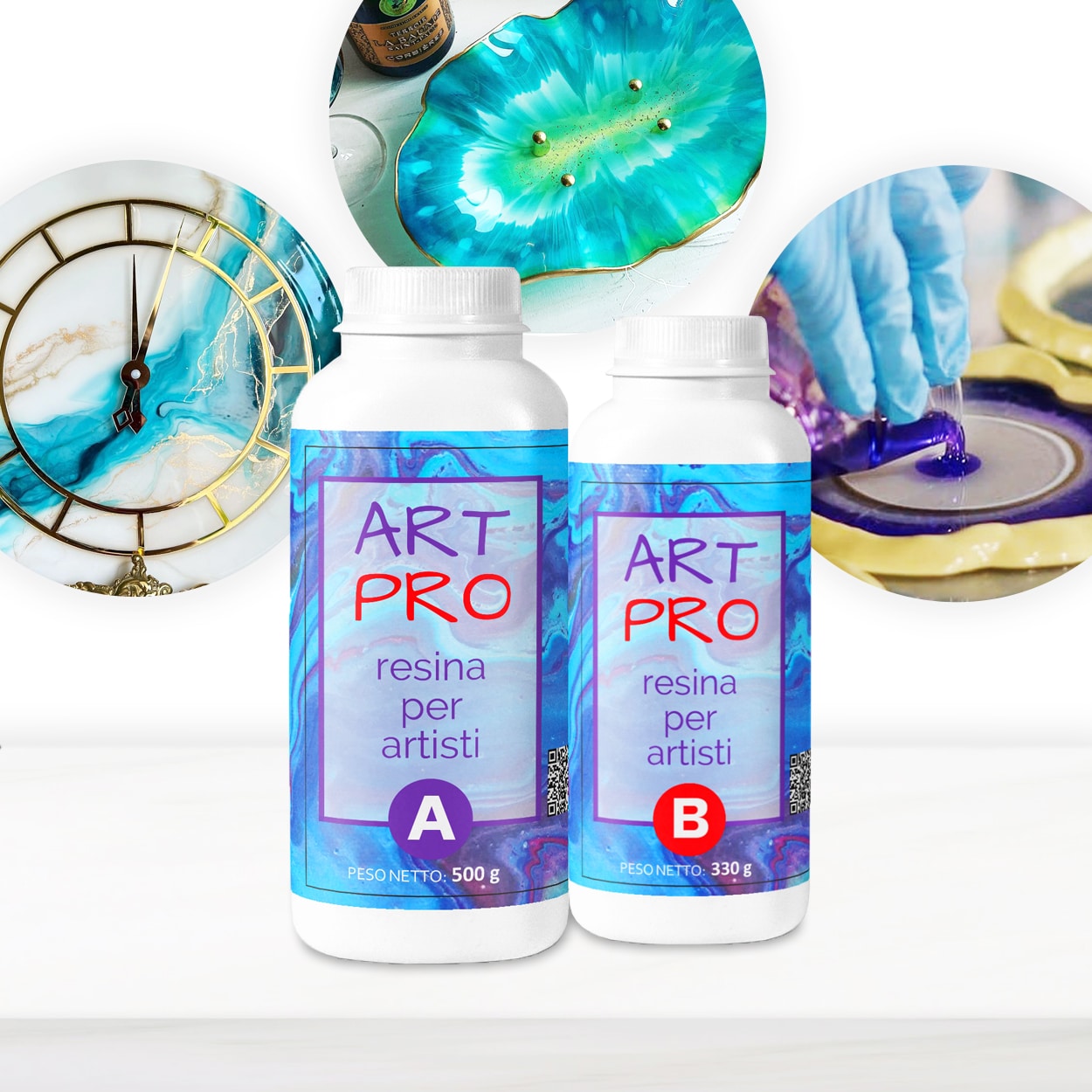
- “Art Pro” – Clear Epoxy Resin for Artists and Surface Coating (ideal for glass-like finishes and UV protection)
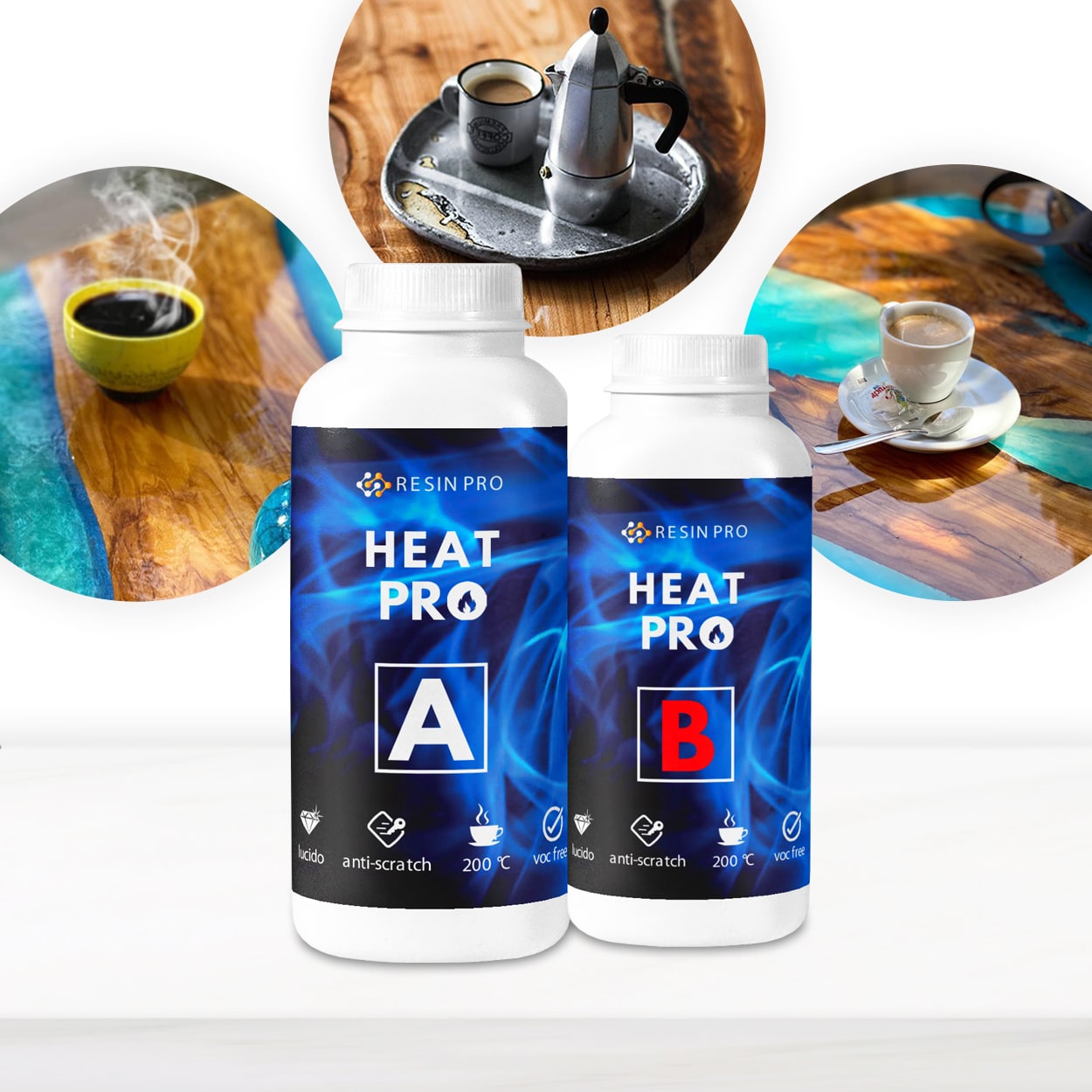
- “Heat Pro” – Flexible Heat-Resistant Glossy Coating (recommended for hot surfaces like coasters and trays)
- “Trasparente” – Multipurpose Clear Epoxy Resin for Casting – Up to 2cm (for detailed, thicker coatings)
- “Icrystal” – Clear Epoxy Resin – Odourless Formula – Up to 1.5cm (suitable for odour-sensitive environments and furniture)

Choosing the Right Resin for Your Project
Select your resin based on desired thickness and surface use. “Art Pro” – Clear Epoxy Resin for Artists and Surface Coating offers a glass-like finish for art and crafts, while “Heat Pro” – Flexible Heat-Resistant Glossy Coating provides added protection against heat and scratches for smaller items. For deeper coatings, “Trasparente” – Multipurpose Clear Epoxy Resin for Casting – Up to 2cm is ideal. Consider “Icrystal” – Clear Epoxy Resin – Odourless Formula – Up to 1.5cm for low-odour table finishes.

Step 1: Prepare the Workspace and Surface
Begin by selecting an area free from dust and direct sunlight, with a stable temperature between 18–25°C. Clean the surface thoroughly to remove grease, dust, and moisture; use masking tape to protect edges and any areas that should not be coated. Place a drop sheet beneath the project and check level with a spirit level to ensure an even finish. Proper preparation minimises imperfections and ensures optimal bonding of the resin coating.
Step 2: Measure and Mix Resin Accurately
Careful measurement is crucial for a flawless resin coating. Using digital scales, follow the manufacturer’s mixing ratio—this varies by resin: for example, a 3:2 ratio with “Art Pro” – Clear Epoxy Resin for Artists and Surface Coating, or 2:1 for “Icrystal” – Clear Epoxy Resin – Odourless Formula – Up to 1.5cm.
Pour the resin and hardener into a clean mixing cup and stir slowly for 2–3 minutes, scraping the sides and bottom. This prevents unmixed parts that can cause tacky spots or curing failures. If you are working with thicker layers, opt for “Trasparente” – Multipurpose Clear Epoxy Resin for Casting – Up to 2cm, which is suitable for deeper coatings without overheating.
Step 3: Pour and Spread the Resin Evenly
After mixing, slowly pour the resin onto the centre of your surface. For best results, work in batches to control thickness—ideally up to the recommended maximum for your resin (e.g., 1.5cm for “Icrystal” or 2cm for “Trasparente”). Use a spatula or a notched spreader to distribute the resin evenly to the edges, encouraging it to self-level. Avoid overworking to prevent excessive air bubbles.
If additional protection is essential—such as for heat-prone items—apply a final coat of “Heat Pro” – Flexible Heat-Resistant Glossy Coating once the original epoxy is cured. This step is valuable for coasters or surfaces exposed to hot pans and mugs.

Step 4: Remove Bubbles and Allow to Cure
Clear resin coatings may trap small bubbles. After spreading, pass a heat gun or torch lightly over the surface for a few seconds to encourage bubbles to rise and pop—be careful not to scorch the surface. Cover your project with a box or lid to protect from dust and leave undisturbed for the cure time suggested by your resin, typically 12–24 hours at room temperature. Avoid touching or moving the item during curing, as this can cause marks or unevenness.
Step 5: Finishing Touches
Once the resin is fully cured, remove any masking tape and check the coating for drips or sharp edges. If necessary, lightly sand the edges and polish to restore gloss. Your item can now be put to use or display, benefiting from a resilient, professional surface finish.
Tips, Common Mistakes, and Troubleshooting
Always mix resin slowly and carefully to avoid bubbles—rushing can lead to a cloudy finish or imperfections. Ensure accurate measurements and full mixing to prevent sticky spots that never cure. Avoid pouring layers thicker than your resin’s capability, as this causes overheating or cracks. Work in a dust-free environment to keep your surface clear and glossy. If the coating appears uneven, check levelling before curing and don’t attempt repairs until the resin is fully hardened.
Examples of Popular Resin Coating Projects
Transform tables, coasters, and artwork with professional-quality resin coatings. Use resin for unique effects such as embedded objects or tinted finishes. Remember to choose a product designed for your thickness and finish requirements for durable, beautiful results every time.

- "Art Pro" – Clear Epoxy Resin for Artists and Surface CoatingPrice range: £31.15 through £388.85Art Pro clear epoxy resin provides a durable, high-gloss finish suitable for surface coating projects in resin art and craft.
- "Heat Pro" – Flexible Heat-Resistant Glossy CoatingPrice range: £24.85 through £176.55"Heat Pro" is an elastic polyurethane coating designed for epoxy resin projects, providing heat resistance and a glossy finish up to 200°C.
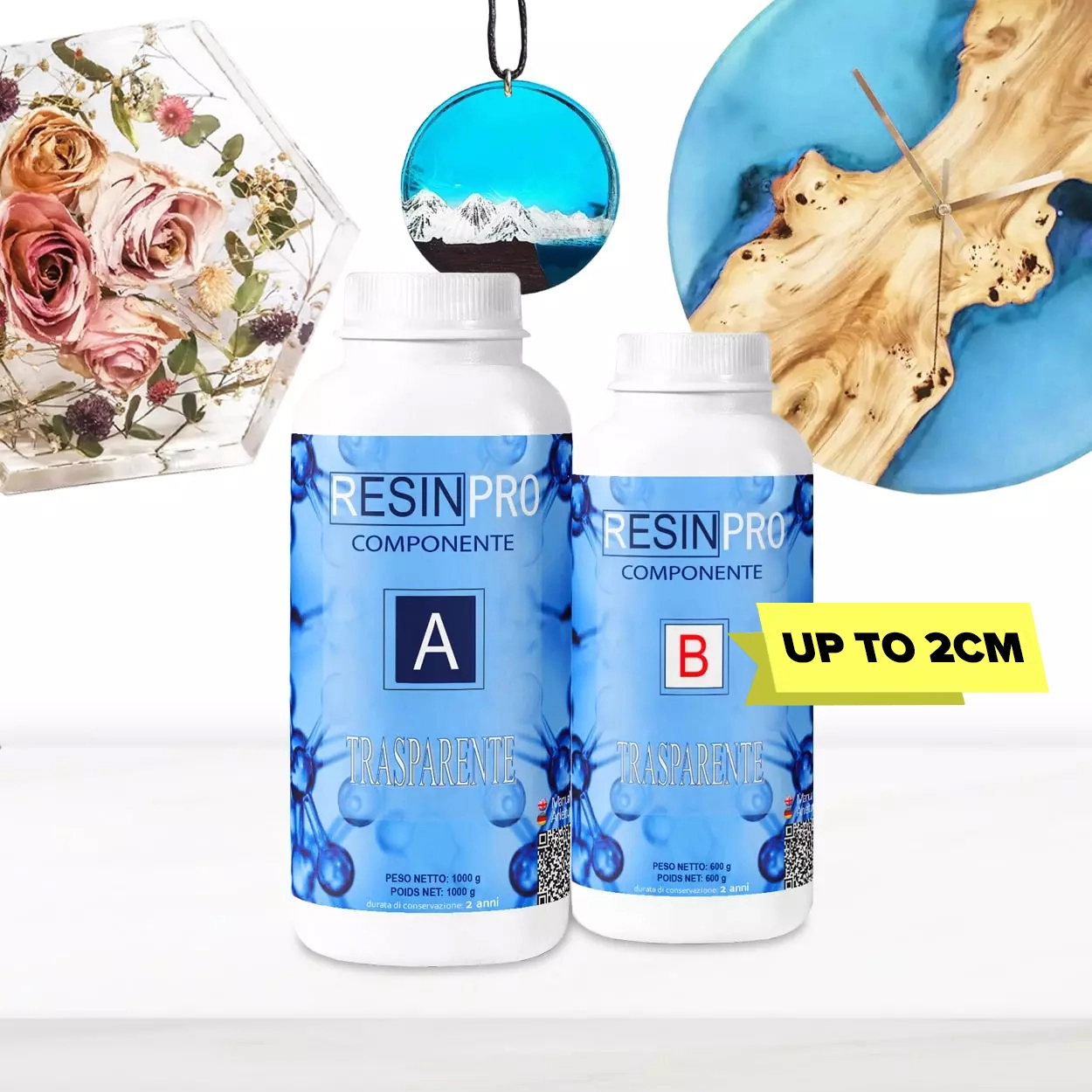 "Trasparente" – Multipurpose Clear Epoxy Resin for Casting – Up to 2cmPrice range: £8.45 through £948.85The "Trasparente" resin offers an ultra-clear, self-levelling finish up to 2cm thick, suitable for detailed casting and coating projects.
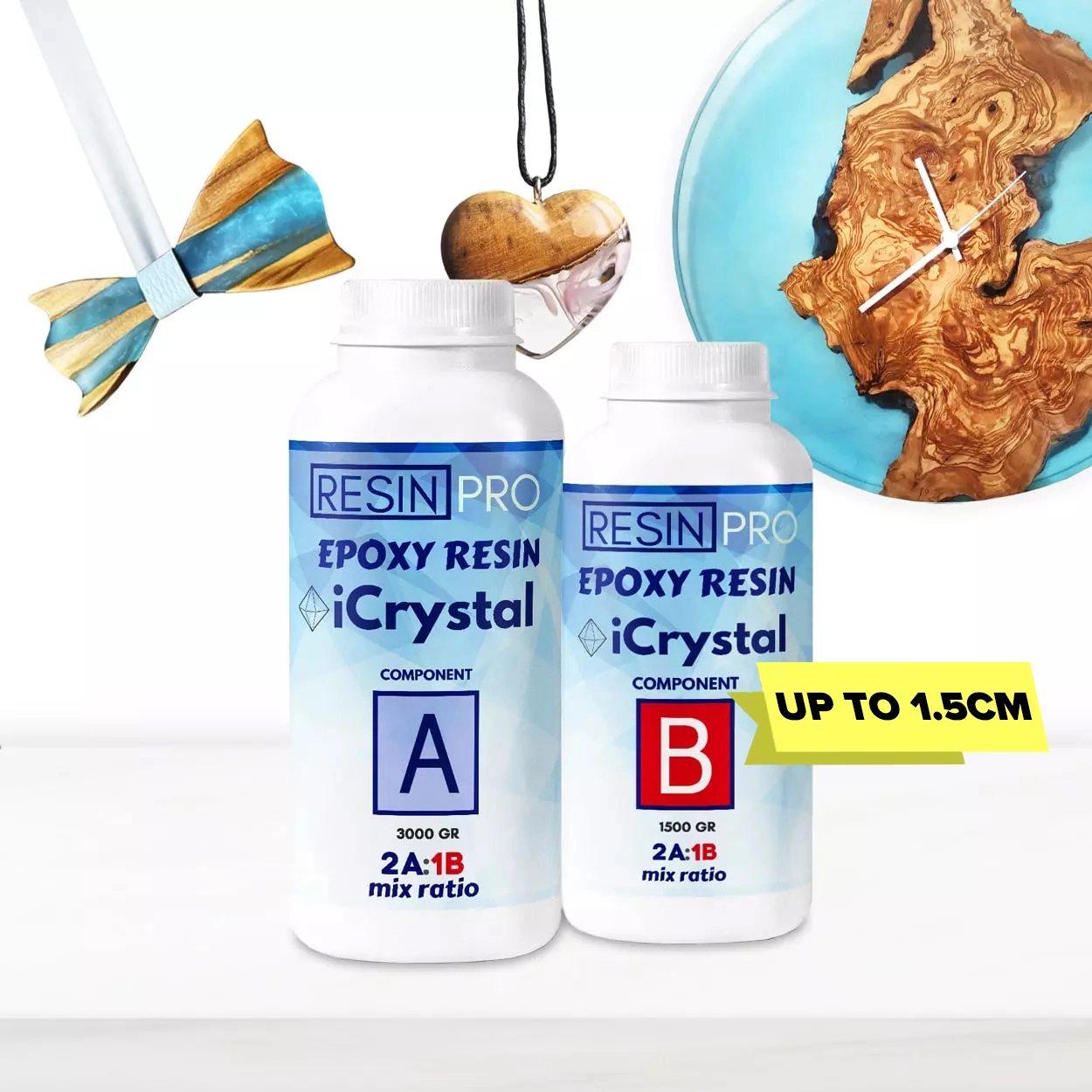 "Icrystal" – Clear Epoxy Resin – Odourless Formula – Up to 1.5cmPrice range: £11.65 through £954.85"Icrystal" is a clear, odourless epoxy resin designed for coatings and artistic uses suitable for making resin coatings.
Frequently Asked Questions
What surfaces can be coated with epoxy resin?
Epoxy resin is suitable for wood, canvas, concrete, ceramics, and stable metals. Ensure the surface is clean and properly sealed before application.
How do I remove bubbles from my resin coating?
Use a heat gun or torch gently over the surface immediately after pouring to encourage trapped bubbles to rise and burst.
How long does resin coating take to cure?
Most resin coatings cure within 12 to 24 hours at room temperature. Full hardness is reached after several days depending on resin type.
Is ventilation important when making a resin coating?
Yes, always work in a well-ventilated space to limit fumes. Some resins are odourless but good airflow is still recommended.
Why did my resin coating remain sticky after curing?
Sticky spots usually mean incomplete mixing or incorrect measurements. Always mix thoroughly and follow the manufacturer's ratio.
Can resin coatings withstand high temperatures?
Heat-resistant resins like Heat Pro can tolerate up to 200°C. Standard resins handle up to 70°C and might mark under hotter objects.
How thick can I pour a resin coating?
Layer thickness depends on resin type—usually up to 1.5cm for Icrystal and 2cm for Trasparente. Exceeding these limits risks overheating.