 Free shipping on orders over £29,85
  Shipping Tracking!


 Google
 Facebook
How to Make a 3D Resin Wall
Transform any interior with a visually stunning 3D resin wall. This guide breaks down the steps for artists, DIY enthusiasts, and interior renovators who want to achieve bold, textured wall effects with a true sense of depth. Whether you’re after dramatic wave patterns, tactile reliefs, or high-gloss finishes, this walkthrough will support you in mastering 3D resin applications on vertical surfaces—while prioritising both durability and creative impact.
Step-by-step instructions for creative layered wall finishes
What You’ll Need
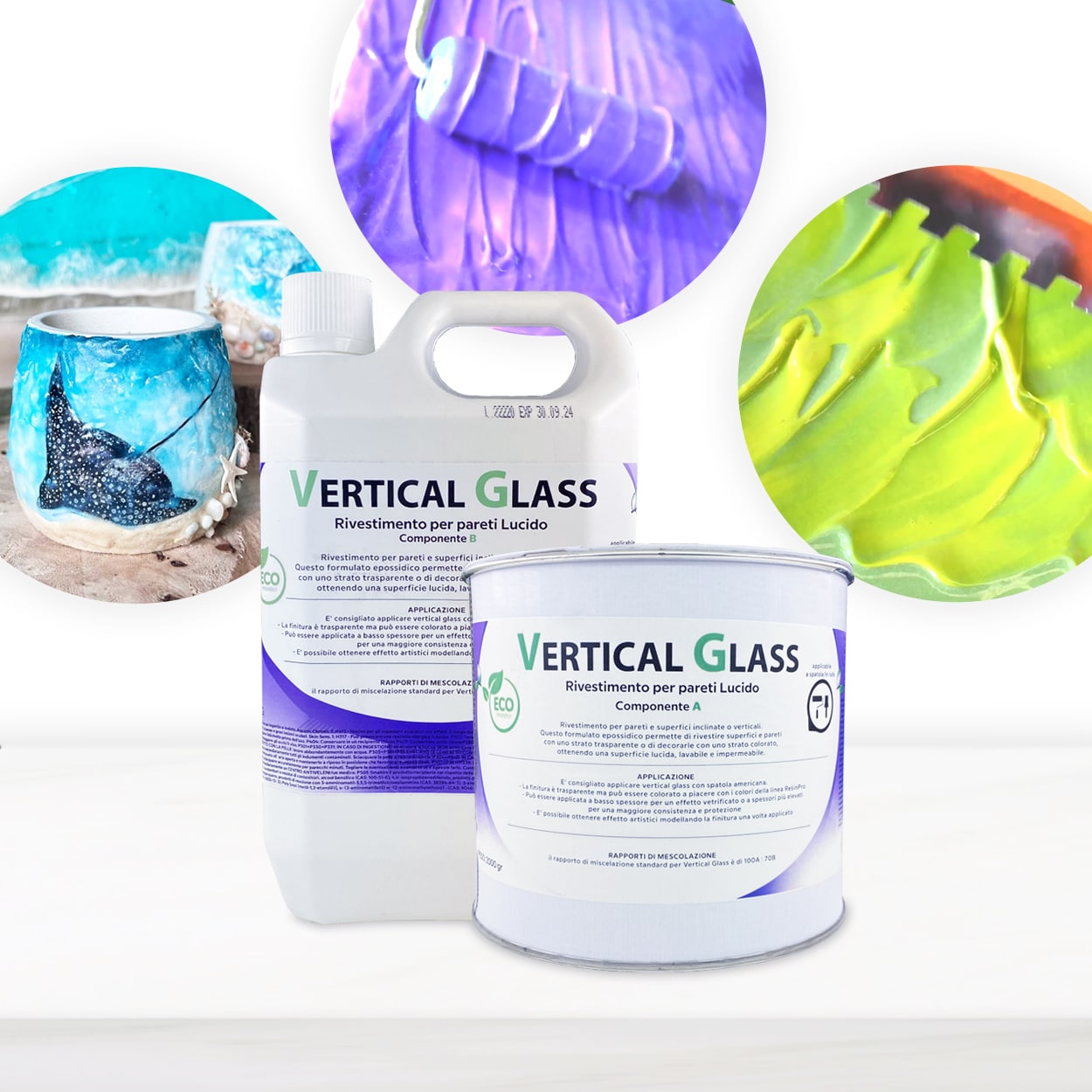
- “Vertical Glass” – Thick Resin Decorative Wall Coating: A customisable epoxy coating for vertical walls, tiles, or brickwork.
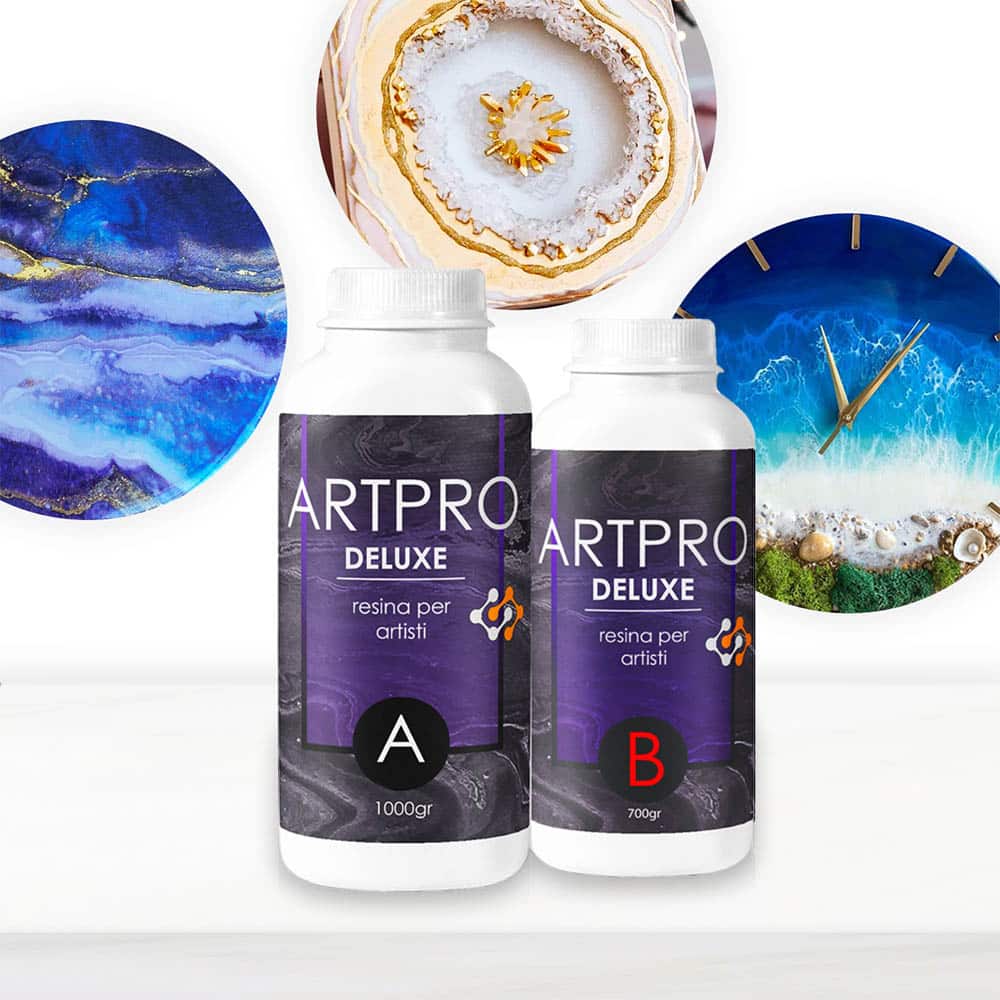
- “Art Pro Deluxe” – Ultra-High Viscosity Epoxy Resin for Artists: Ideal for precise patterns, linework, or geode-inspired details.
- “Fairy Wings” – UV Resin for Volumetric Reliefs, Dual Colour, 30ml: Perfect for intricate 3D decals or small decorative elements with raised detail.
- “UV–Creation” – Fast Acrylic Resin, 3 Minute UV Cure: For rapid-cure clear gloss layers, accents, or embedded details.
- Spatulas or trowels (for spreading resin)
- Brushes or rollers (for controlled layering)
- Stencil material and painter’s tape (optional for patterned effects)
- UV lamp (for setting UV resins)
- Disposable gloves and protective eyewear
- Mixing containers and stirring sticks
- Fine sandpaper (for finishing if needed)
- Lint-free cloth
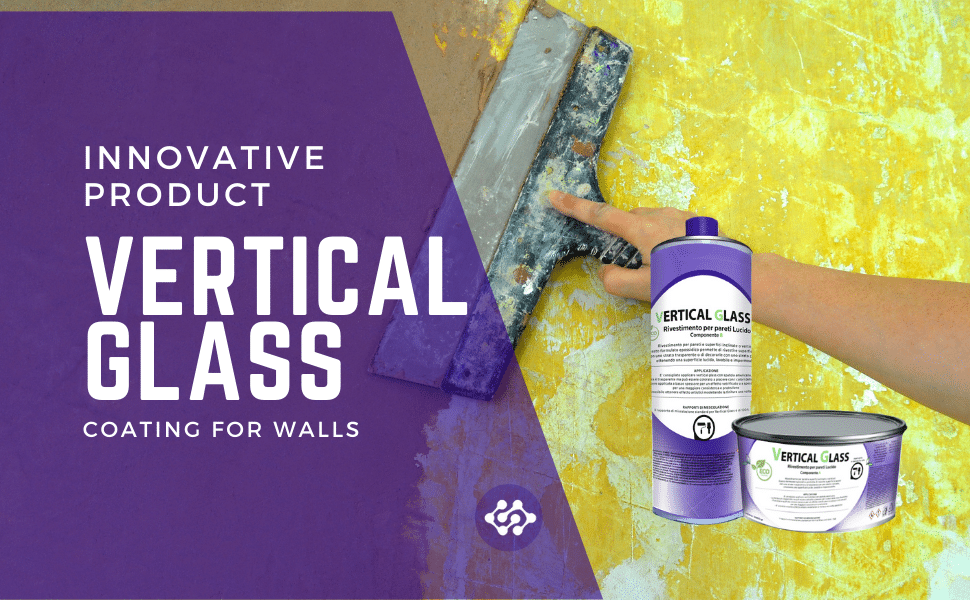
Tools and Materials for a 3D Resin Wall
Gather all essential materials and protective gear before you start. Having your chosen resins, tools, and safety equipment prepared ensures a smooth workflow—and you’ll avoid interruptions once the creative process begins. Take extra time to plan your colour scheme and test effects on a sample panel if possible.
Step 1: Prepare the Surface
Start by ensuring your wall or panel base is smooth, stable, and free of dust, grease, or old paint. If the substrate is glossy or uneven, lightly sand it and wipe away dust with a lint-free cloth. Cracks, joints, or holes should be filled and allowed to dry thoroughly. Fully clean and dry the wall or panel before applying resin—this is crucial for proper adhesion and a smooth final appearance.
Protect surrounding areas with drop cloths or masking tape, particularly along edges or skirting boards. Planning your wall layout and sketching design ideas now will make the resin work easier and avoid last-minute mistakes.
Step 2: Apply the Base Resin Layer
Select a resin best suited for vertical application. For most 3D wall projects, “Vertical Glass” – Thick Resin Decorative Wall Coating is ideal, as it is designed not to sag or run on upright surfaces. Mix according to package instructions and tint if desired with approved pigments or metallics for extra effect. Use a spatula, trowel, or roller to spread a thin even coat over the wall—working in small sections allows for better control and consistency.
Start with thin coats for best control. Thicker textured effects can be created by gradually building up layers once the first coat has cured (usually 48 hours for sandable finish). Use tapes or stencils for crisp edges, colour blocking, or geometric inlays.
Step 3: Build Volume and Texture with Artistic Layers
For defined patterns, flowing shapes, or intricate dimensional effects, apply small amounts of highly viscous resin such as “Art Pro Deluxe” – Ultra-High Viscosity Epoxy Resin for Artists. Its controlled flow is perfect for layered marbling, linework, geode veins or ombré colour transitions. Work with brushes or spatulas, keeping each colour or detail distinct to enhance depth.
To create raised motifs, tactile details, or finely sculpted reliefs, use a ready-to-use gel such as “Fairy Wings” – UV Resin for Volumetric Reliefs. Its rapid UV curing (just a few minutes with a lamp) secures fine lines, dots, or décors in place quickly, allowing for true multi-layered effects without waiting hours between steps.
Layering different resins produces striking multidimensional effects. Allow each layer to set before adding another to maintain sharp edges and avoid blending.
Step 4: Enhance with Gloss, Colour, or Embedded Details
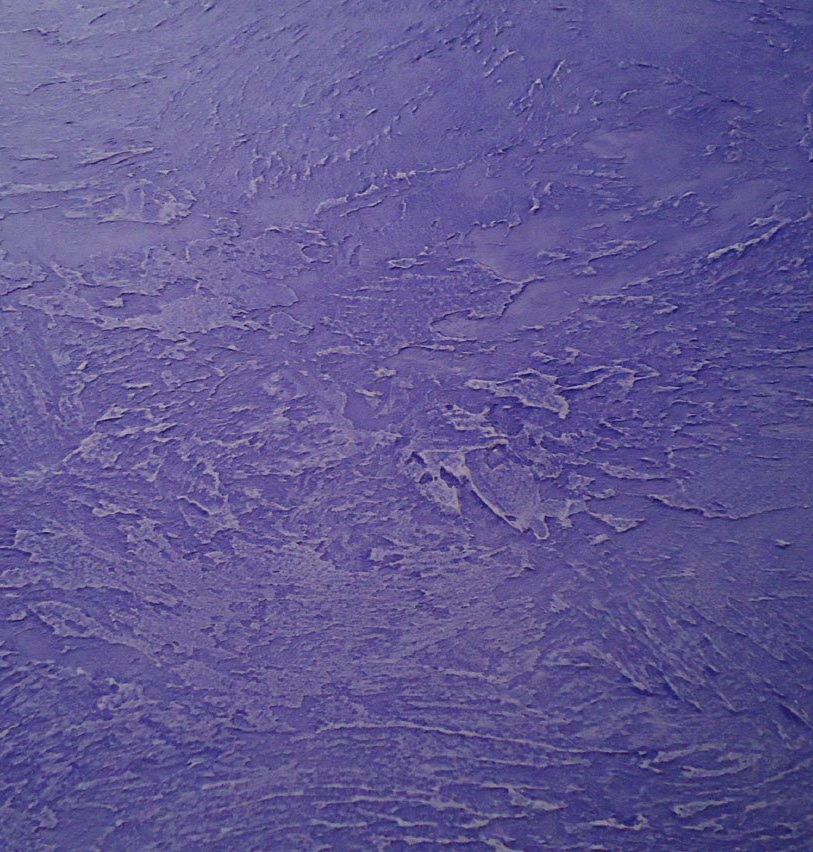
When your main design is in place and reliefs are built up, a finishing gloss can be added for extra vibrancy and protection. Apply a thin layer of “UV–Creation” – Fast Acrylic Resin, 3 Minute UV Cure to accentuate highlights, or to embed glitter, metallic chips, or small inclusions into the surface. UV resins cure rapidly under the lamp, fixing delicate accents without risk of running.
Gently sand and wipe away dust between layers if required—never sand uncured or tacky resin. Finish with a final pass of a microfibre cloth to ensure clarity and shine.
Tips, Common Mistakes, and Troubleshooting
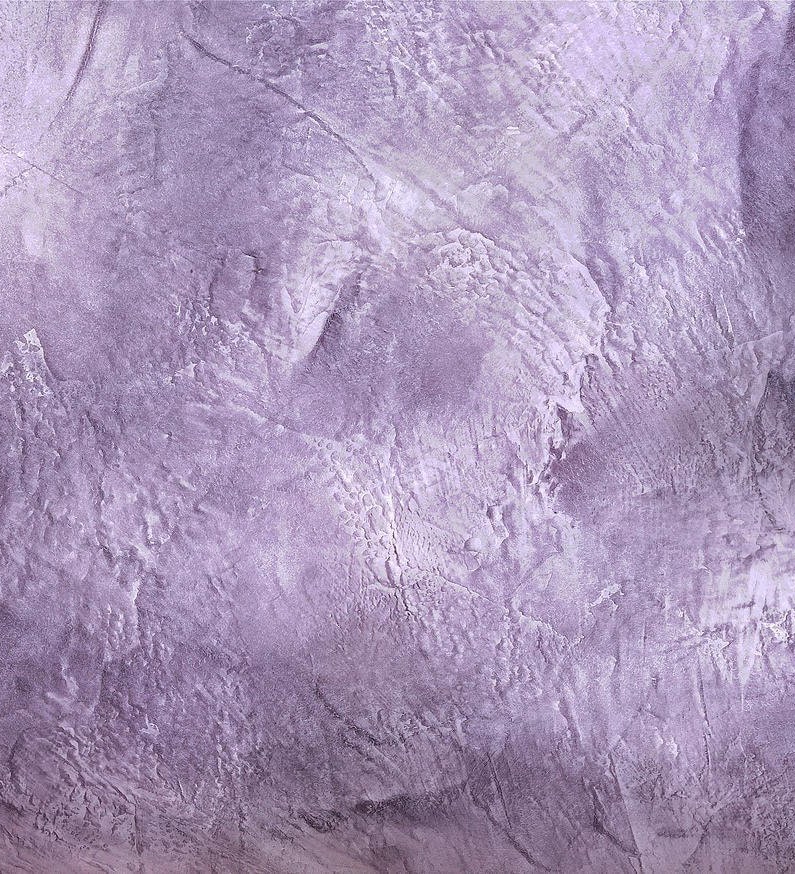
Poor preparation leads to peeling or dull patches—ensure total cleanliness before you begin. Avoid thick single pours on vertical surfaces; they may drip or fail to cure evenly. Instead, use several thin applications for best results. Always follow safety precautions: Always wear gloves, protective eyewear, and work in a ventilated area.
If bubbles appear, gently pass a heat gun or small torch over the surface before curing (taking care not to scorch or overheat the resin). For sharp edges or stencils, remove tape while resin is wet for clean lines. Should a layer cure with uneven gloss, a light sanding followed by an additional finishing coat often restores the desired sheen.
Creative Freedom in Resin Wall Art
Experiment with combinations of colour, texture, and finish layers to achieve your unique 3D look. Vertical resin applications open up new possibilities for personalised expression, from subtle contours to striking geometric illusions. Let your imagination guide the design and always allow for proper curing between steps.
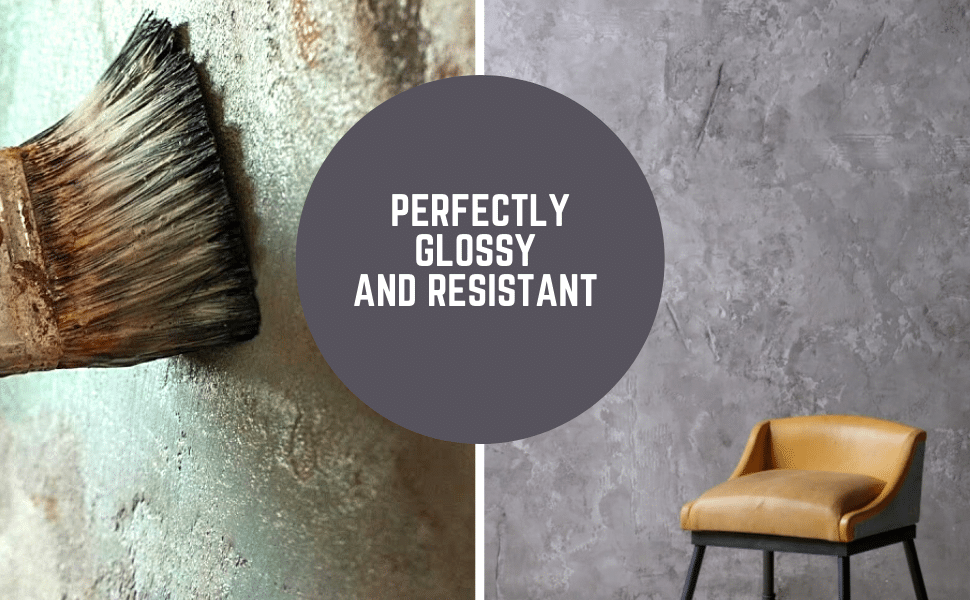
- "Vertical Glass" – Thick Resin Decorative Wall CoatingPrice range: £128.85 through £179.85"Vertical Glass" resin wall coating offers a customisable, waterproof finish suitable for vertical and sloping surfaces in interior spaces.
- "Art Pro Deluxe" – Ultra-High Viscosity Epoxy Resin for ArtistsPrice range: £33.85 through £287.85Art Pro Deluxe is an ultra-high viscosity resin providing precise control, ideal for detailed resin art and glossy finish layers.
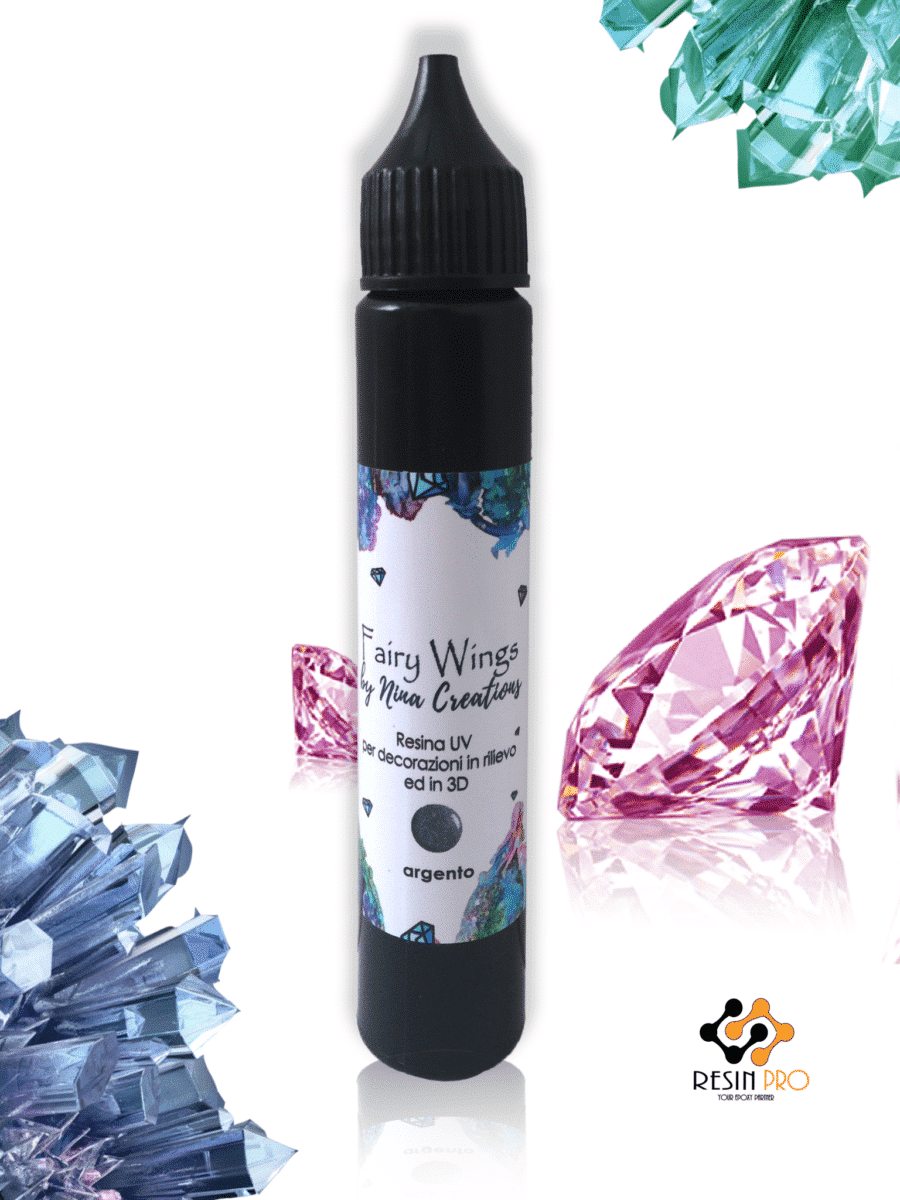 "Fairy Wings" – UV Resin for Volumetric Reliefs, Dual Colour, 30mlOriginal price was: £15.15.£2.85Current price is: £2.85."Fairy Wings" UV Resin offers a ready-to-use solution for detailed 3D reliefs, suited for creative projects within the theme How to Make a 3D Resin…
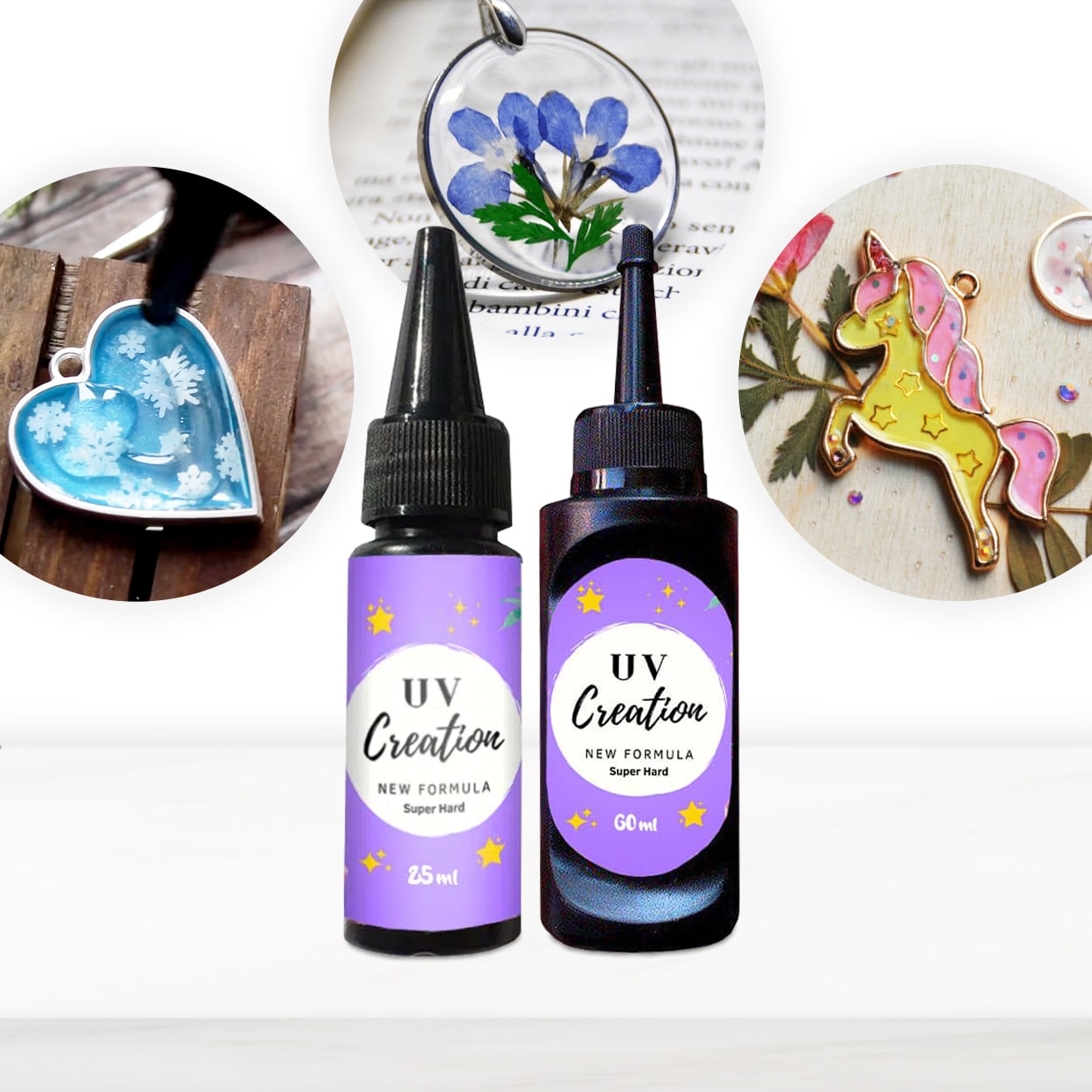 "UV–Creation" – Fast Acrylic Resin, 3 Minute UV CurePrice range: £7.85 through £59.85UV–Creation is a fast acrylic resin suitable for jewellery and crafting, delivering clear, glossy results with quick UV curing.
Frequently Asked Questions
Which resin should I use for creating a 3D wall effect?
Choose a thick, non-sagging epoxy like Vertical Glass for main coats and base structure. For artistic details or reliefs, high viscosity or UV resins are ideal.
How do I prevent the resin from running or dripping on vertical surfaces?
Use thin layers and thick, non-self-levelling resins. Build up 3D effects gradually, letting each layer fully cure before adding another.
How can I make crisp, raised patterns and lines in resin wall designs?
Employ high-viscosity or UV resins with stencils or freehand application, curing each detail before proceeding. Avoid overworking to maintain line fidelity.
Is it safe to use UV resin for wall art indoors?
Yes, provided the space is ventilated and you use gloves and eyewear. Most UV resins are non-toxic and odourless once cured.
Can I use both epoxy and UV resin in the same wall design?
Yes, epoxy resins form the base, while UV resins are perfect for details or quick-setting accents. Ensure each layer cures before adding the next.
Why does my resin wall have dull spots or streaks?
Common causes are improper cleaning, uneven mixing, or incomplete curing. Sand lightly and apply another coat if needed for a glossy finish.