 Free shipping on orders over £29,85
  Shipping Tracking!


 Google
 Facebook
How to apply resin on a wall?
Giving your walls a resin coating allows you to achieve a unique, durable, and glossy finish that instantly modernises any room. This guide walks you through every stage of applying resin on a wall, from initial preparation to the final coat, helping both beginners and professionals avoid common pitfalls and achieve outstanding results with confidence.
Step-by-step guide for a seamless and decorative wall finish
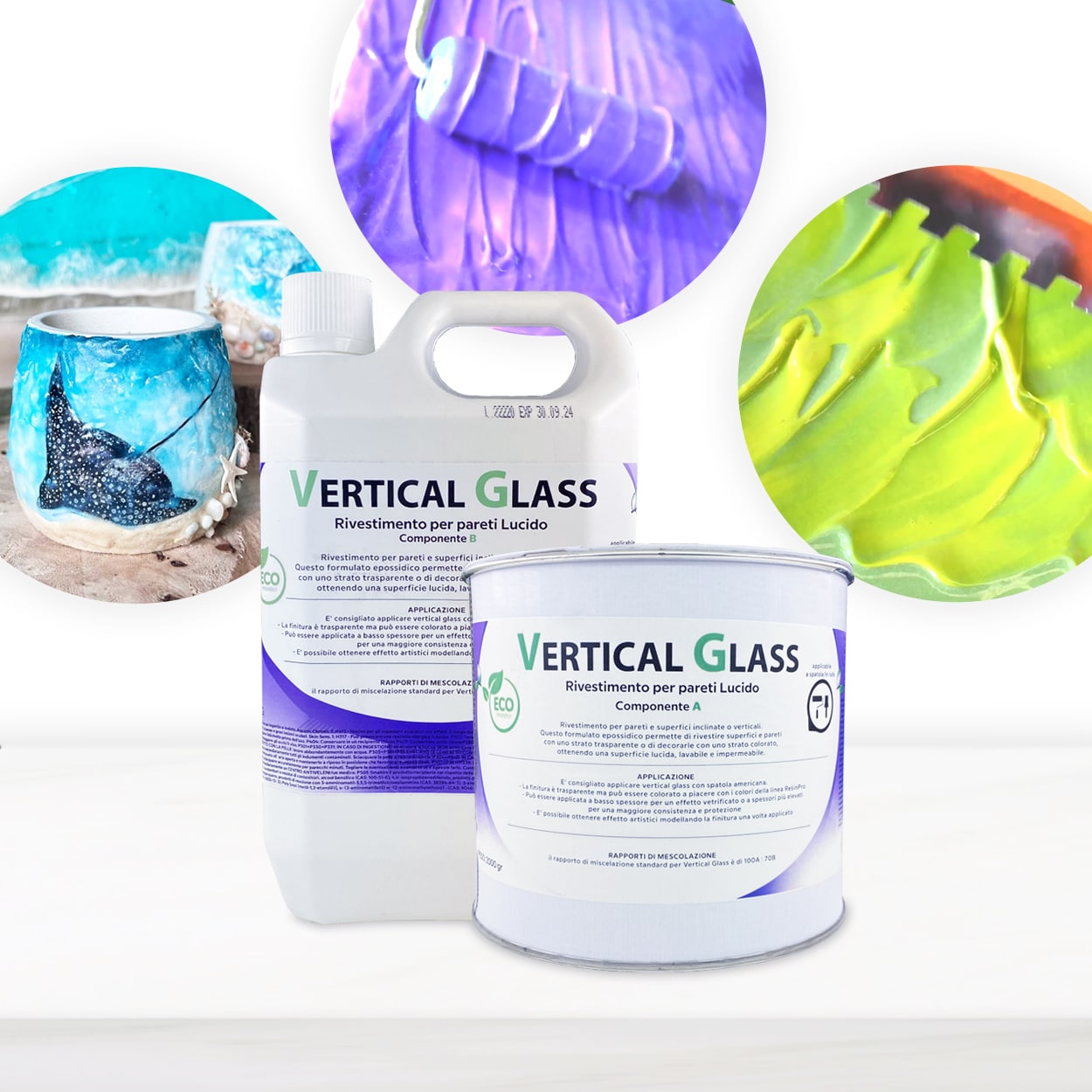

What You’ll Need
- “Vertical Glass” – Thick Resin Decorative Wall Coating: A highly customisable, waterproof resin designed for vertical and sloping surfaces.
- Resin & Paint Application Rollers – Short-Pile, Large, and Sponge Types: For controlled and uniform application on wall surfaces.
- “Art Pro” – Clear Epoxy Resin for Artists and Surface Coating: For transparent or glossy coatings with high UV resistance.
- “Trasparente” – Multipurpose Clear Epoxy Resin for Casting – Up to 2cm: For ultra-clear, self-levelling finishes on prepared wall areas.
- Surface preparation tools (sandpaper, brush, vacuum, or cloth)
- Protective gloves and safety glasses
- Mixing containers and spatulas
- Masking tape (for edges and sockets)
Preparing for a Successful Resin Coating
Preparation is crucial for any successful resin application. Clean, dry, and prime wall surfaces thoroughly to ensure maximum adhesion and longevity of your resin finish. Carefully masking off edges and protecting floors will save time on cleanup and help you achieve crisp, professional results.
Step 1: Prepare and Clean the Wall Surface
Proper surface preparation is essential for a flawless resin finish. Begin by removing any nails, dust, grease, or old paint from the wall. Fill in cracks and holes using a suitable wall filler, then allow to dry completely. Sand the filled areas and entire wall lightly to create a smooth, even texture.
Wipe the surface thoroughly with a damp cloth or vacuum, ensuring no debris or loose particles remain. If your wall is particularly porous or absorbent (such as bare plaster or brick), consider sealing it with an appropriate primer before continuing. Always check for moisture or residues that could affect adhesion.
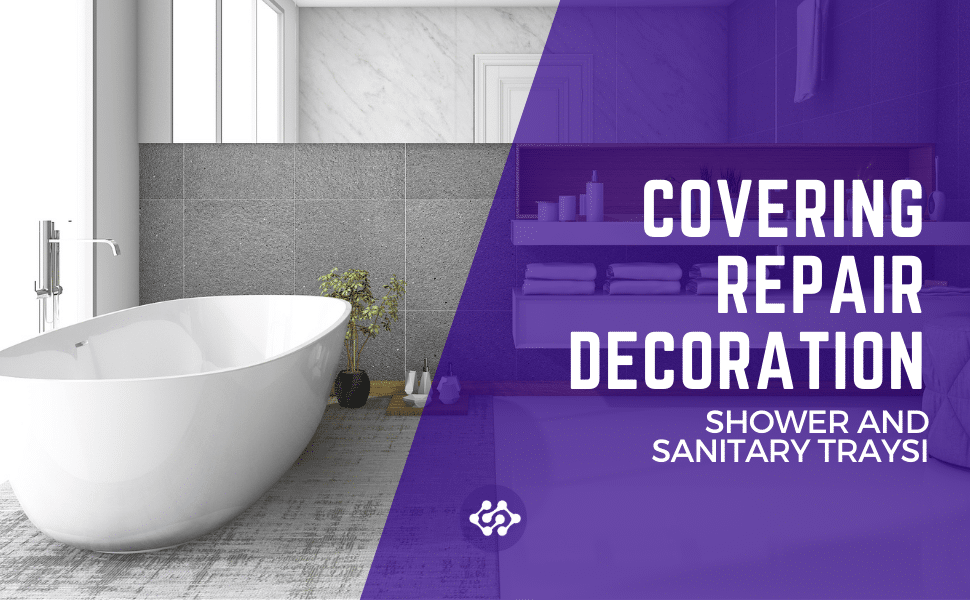
"Vertical Glass" – Thick Resin Decorative Wall Coating
A thick, tintable epoxy resin coating designed for durable decorative protection of vertical and sloping interior surfaces.
Step 2: Mask Edges and Protect Surrounding Areas
Use masking tape along the skirting, ceiling, corners, and any fixtures to sharply define the coating area and protect against spills. Lay down dust sheets or protective covers on floors and furniture—resin is permanent and can be difficult to remove if splashed.
Plan your workspace for safety and ventilation. While many resins are low in odour, maintaining airflow helps the curing process and keeps your workspace comfortable.
Step 3: Mix and Tint Your Resin
Following the product instructions, mix your chosen resin thoroughly in a clean container. Always measure the ratios accurately to avoid sticky or uncured patches. You may wish to tint the resin for a unique effect—“Vertical Glass” – Thick Resin Decorative Wall Coating is especially designed for custom mixing with pigments or metallics. Stir until the pigment is evenly distributed, avoiding the introduction of excessive bubbles.
Only mix what you can apply within the resin’s pot life, as it begins curing quickly once combined.
"Vertical Glass" – Thick Resin Decorative Wall Coating
A thick, tintable epoxy resin coating designed for durable decorative protection of vertical and sloping interior surfaces.
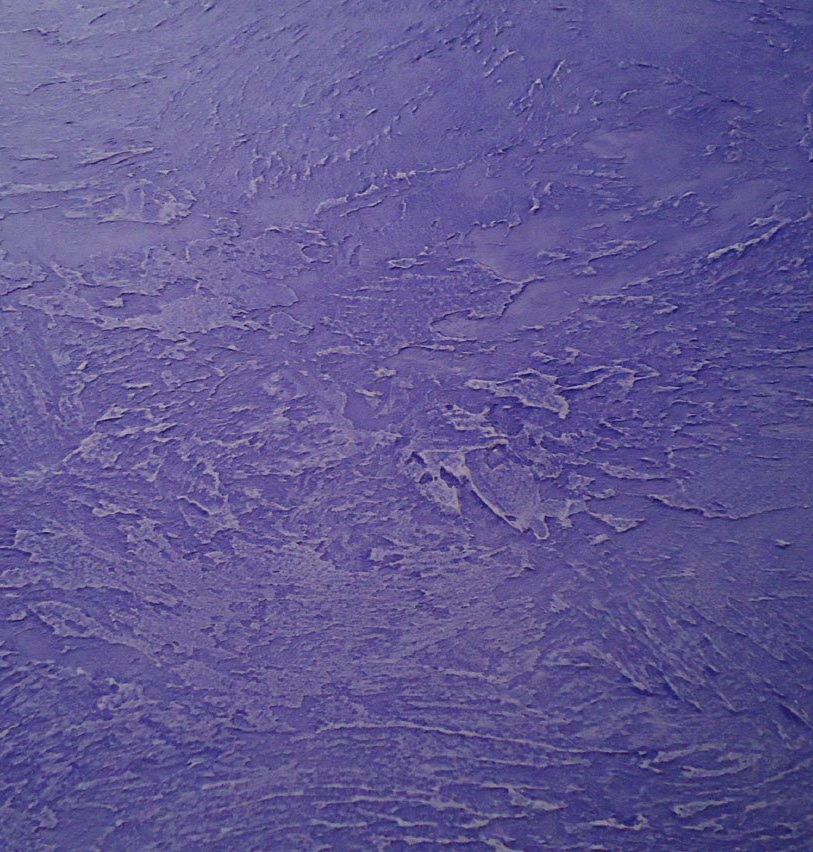
Step 4: Apply the Resin to the Wall
Choose the right tool for your desired effect—a spatula for an artisan, sculpted look, or Resin & Paint Application Rollers – Short-Pile, Large, and Sponge Types for smooth, even coverage. Begin at the top of the wall and work downward in small sections.
Load your roller or spatula evenly, applying the resin with consistent, controlled strokes. Overlap each pass slightly so there are no ridges or missed areas. For thicker protection or highly decorative effects, use multiple coats, allowing the previous layer to cure as recommended before recoating. Most wall resins, like “Vertical Glass”, are formulated not to drip on vertical applications, but working steadily helps prevent runs and sags.
Step 5: Allow to Cure and Finish the Surface
After applying the final coat, leave the wall undisturbed for the curing time specified by your resin. Avoid touching, dusting, or adjusting masking tape until the resin is fully hardened—usually after 24–48 hours (conditions may vary).
If you wish to create a satin or matte effect, sand the surface very lightly once the resin is cured. For glossy finishes, simply clean with a soft, damp cloth. Always check the manufacturer’s guidance on aftercare for the best long-term results.

"Vertical Glass" – Thick Resin Decorative Wall Coating
A thick, tintable epoxy resin coating designed for durable decorative protection of vertical and sloping interior surfaces.
Tips and Common Mistakes When Applying Wall Resin
Choose safety gear and the right tools: Always wear gloves and eye protection, and ensure workspace ventilation.
Meticulous surface preparation is key: Inadequate cleaning or priming can cause peeling, fisheyes, or lack of adhesion. Do not rush this step!
Apply consistently using controlled strokes: Thick spots and drips are often due to uneven application, so take your time and check work as you go.
Monitor drying times and environmental conditions: High humidity or cold may slow curing, while excessive heat may cause bubbling. Stick to recommended timelines for recoating or finishing.
Perfecting Your Finish and Caring for Resin Walls
Maintenance matters. Regularly wipe resin-coated walls with a soft, damp cloth to preserve gloss and hygiene. Avoid abrasive cleaners. If resurfacing is needed, lightly sand and apply another thin coat of resin—this restores the shine and protection effectively.
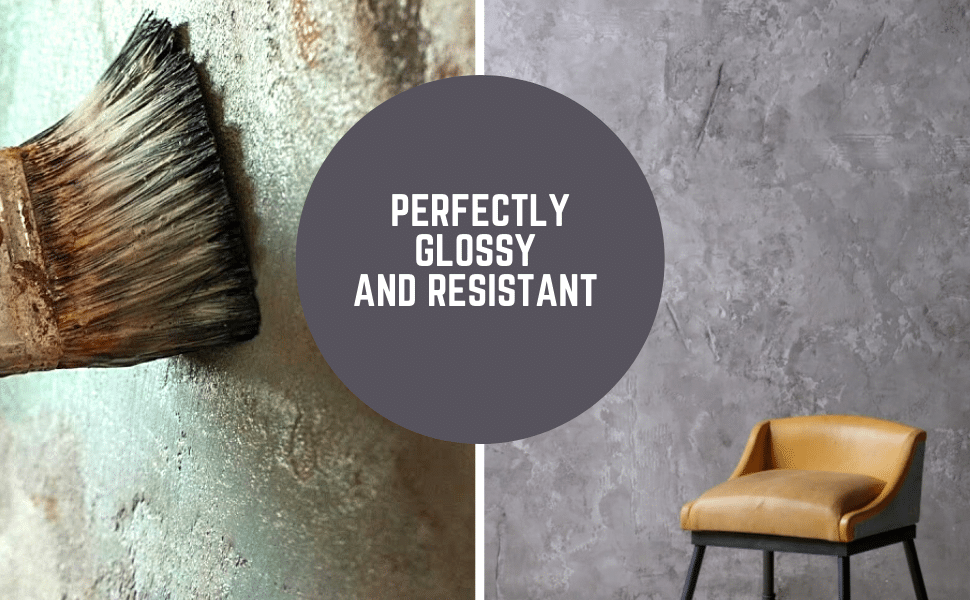
- "Vertical Glass" – Thick Resin Decorative Wall CoatingPrice range: £128.85 through £179.85"Vertical Glass" provides a customisable, durable epoxy resin coating suitable for vertical and sloping surfaces with easy spatula application.
- Resin & Paint Application Rollers – Short-Pile, Large, and Sponge TypesPrice range: £3.45 through £4.85Rollers designed for precise and uniform application of epoxy resin on surfaces, suitable for detailed and large area work.
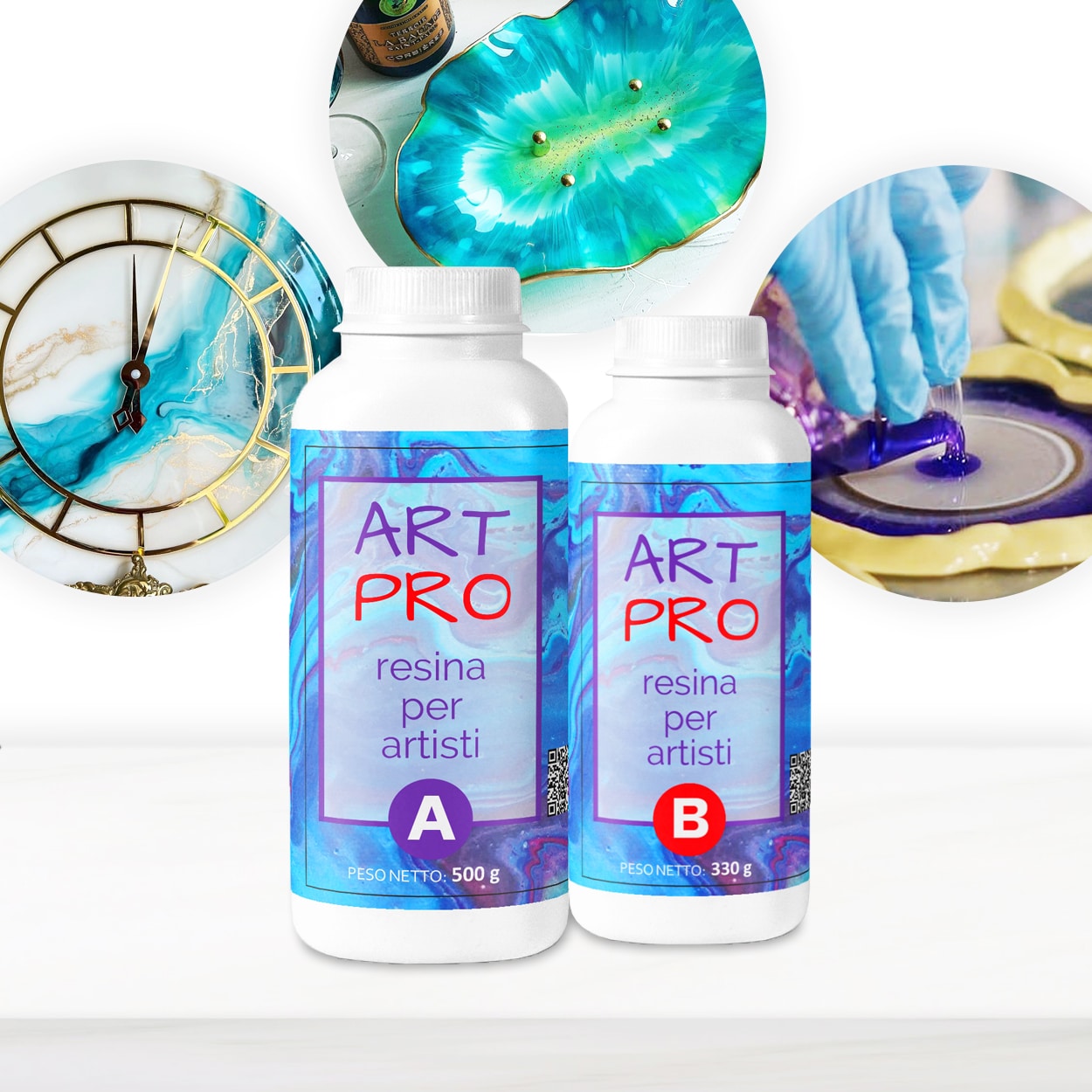 "Art Pro" – Clear Epoxy Resin for Artists and Surface CoatingPrice range: £31.15 through £388.85Art Pro offers clear, durable epoxy resin suitable for artists and crafters seeking high-gloss, scratch-resistant coatings with UV protection.
 "Trasparente" – Multipurpose Clear Epoxy Resin for Casting – Up to 2cmPrice range: £8.45 through £948.85"Trasparente" is a clear epoxy resin designed for detailed castings and DIY projects, offering a self-levelling, ultra-clear finish up to 2 cm layer…
Frequently Asked Questions
Can I use regular floor or casting resin for walls?
Epoxy resins for walls, such as "Vertical Glass", are specially engineered for vertical surfaces to prevent drips and sagging. Casting or self-levelling resins may run, making a neat finish difficult on walls.
How many coats are recommended for a wall resin finish?
One coat may suffice for basic coverage using a thick decorative wall resin, but two or more coats can enhance durability or depth, particularly for high-traffic areas. Always let each coat cure fully before applying the next.
How do I fix drips and imperfections?
Lightly sand cured resin drips and wipe clean before recoating. For uncured resin, carefully use a scraper or razor while it is still workable, then reapply a thin coat to blend the repair.
Can resin-coated walls be cleaned regularly?
Yes, cured resins are generally washable and moisture-resistant. Use a soft cloth with water or a mild detergent. Avoid harsh abrasives that may dull the finish.
How do I get a matte or satin finish?
Once fully cured, gently sand the resin surface with very fine sandpaper. Clean the surface thoroughly after sanding to remove any residue before enjoying the new look.
What environmental factors affect resin application?
High humidity, low temperatures, and poor ventilation can prolong curing and reduce adhesion. Work in a dry, well-ventilated space within the temperature range recommended by the resin manufacturer for best results.
Resin & Paint Application Rollers – Short-Pile, Large, and Sponge Types
Rollers crafted for precision and uniform application on resin surfaces including walls and floors.
