 Free shipping on orders over £29,85
  Shipping Tracking!


 Google
 Facebook
How do you make a wall using resin?
Transforming a plain wall into a breathtaking feature with resin is a creative way to add style, durability, and a personalised touch to your space. Whether you are refreshing your home interior or embarking on a commercial project, a resin-coated wall delivers a sleek, waterproof finish and infinite design possibilities. This guide explains the process step by step, so you can confidently achieve professional results with decorative resin wall coatings.
Step-by-step guide for stunning decorative resin wall finishes
What You’ll Need
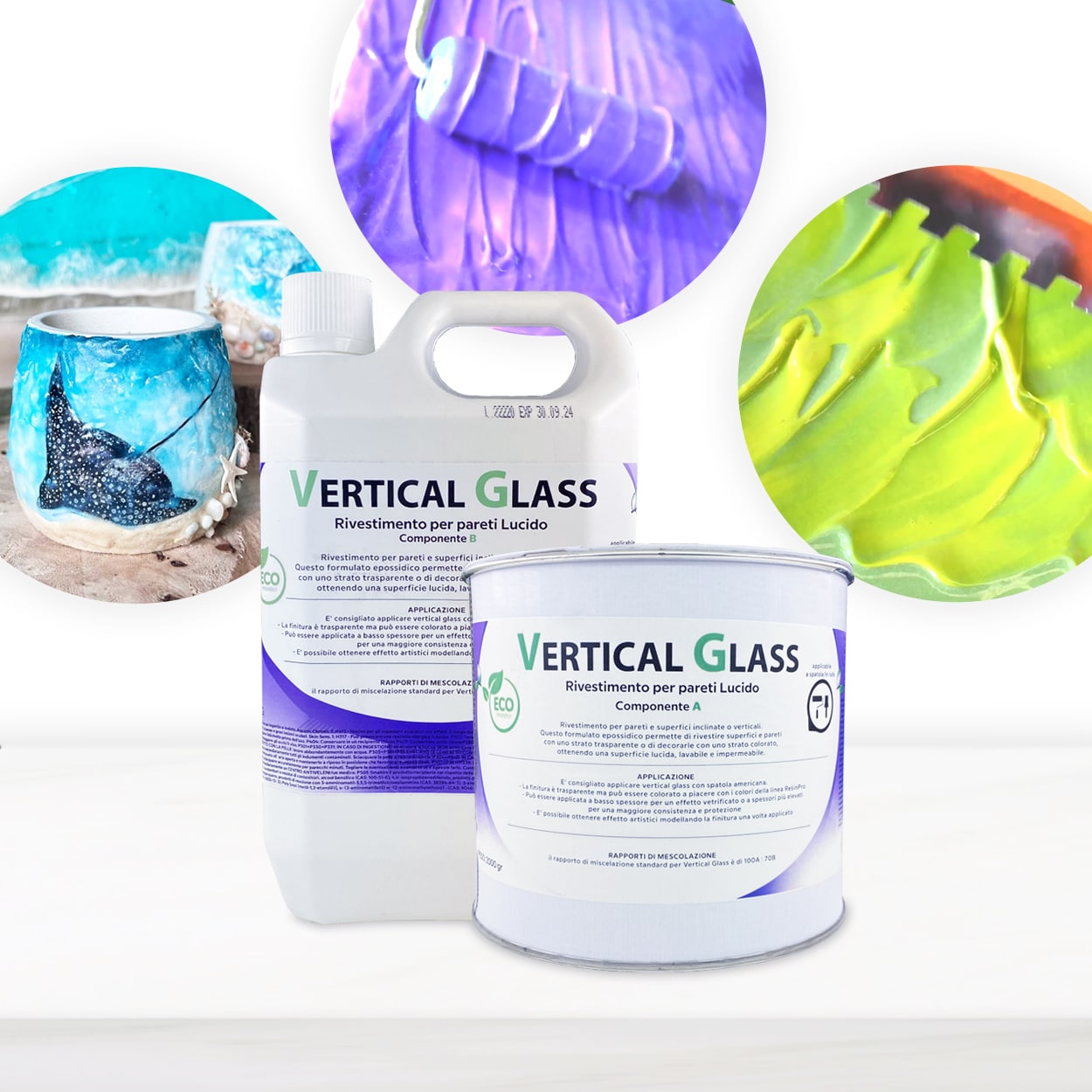
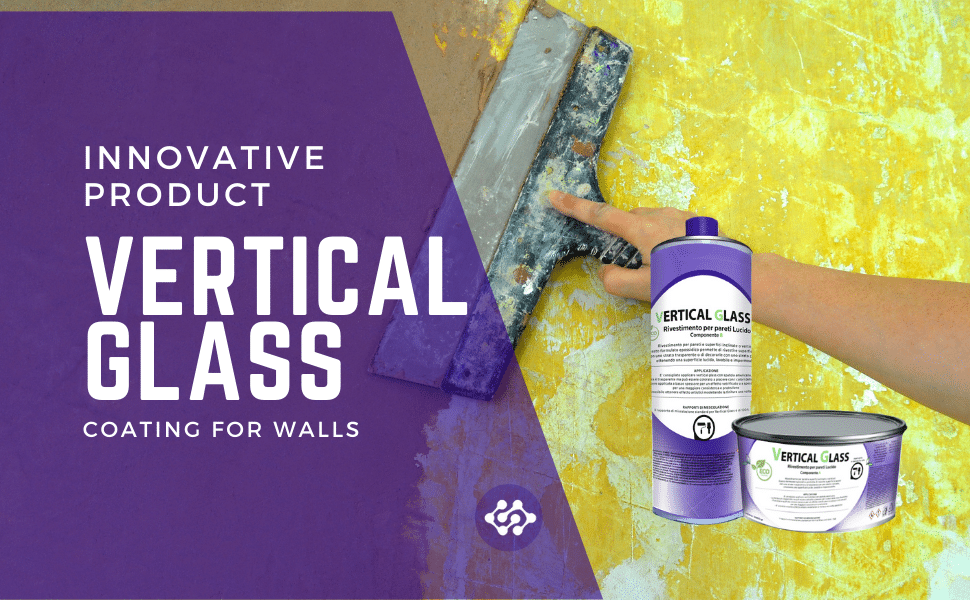
- “Vertical Glass” – Thick Resin Decorative Wall Coating: An epoxy resin wall coating designed for decorative, durable finishes on vertical and sloping surfaces.
- “EpoxyWood” – Wood Restoration Epoxy Resin for Deep Penetration and Waterproofing: For sealing and reinforcing wood-based wall surfaces prior to applying resin (if needed).
- Sanding tools (block or electric sander, abrasive paper)
- Protective gloves and eyewear
- Mixing containers and spatula or trowel for application
- Masking tape and drop sheets
- Optional: pigments or decorative metallic powders for tinting resin
Visual Inspiration and Project Examples
Browse stunning transformations and wall finishes created with resin to spark ideas for your own project. Notice how different tints, layering, and application techniques can produce anything from subtle elegance to bold, statement features.
Step 1: Prepare the Wall Surface
A meticulous preparation of the surface is crucial for a flawless resin wall finish. Start by removing any flaking paint, grease, or dust using mild detergent and warm water. Allow the wall to dry thoroughly, as moisture can affect adhesion. For uneven surfaces or damaged walls—especially those made of wood—sand them down until smooth, filling any cracks with an appropriate filler. If you are working with wood, consider applying “EpoxyWood” – Wood Restoration Epoxy Resin for Deep Penetration and Waterproofing to seal, reinforce, and waterproof the substrate before continuing.
Protect adjacent surfaces, skirting boards, and floors using masking tape and drop sheets to avoid accidental resin spills. Adequate ventilation is recommended during preparation and application.
Step 2: Mix and Tint Your Resin
Carefully measure out the resin and hardener as instructed on your chosen product packaging. Mix slowly in a clean container, ensuring you scrape down the sides to achieve a homogeneous blend. If you wish to create a specific colour or metallic effect, add suitable pigments or powders at this stage and stir until evenly dispersed. Working in smaller batches helps prevent premature curing and makes the application manageable across large surfaces.
Use protective gloves and eyewear when handling resin to minimise skin contact and potential irritation.
Step 3: Apply the Resin to the Wall
Once mixed, apply the resin immediately using a wide spatula, trowel, or spreader in upward strokes, working in manageable sections. “Vertical Glass” – Thick Resin Decorative Wall Coating is specifically formulated for vertical and sloping applications, ensuring the coating stays in place without dripping or sagging. Aim for an even, thin coat to cover the surface, pushing the resin into tiles, brickwork, cement, or previously-sealed wood. Overlay additional resin while the previous layer remains slightly tacky for seamless coverage if a thicker result is desired.
Apply resin in thin, even layers to prevent sagging and achieve a professional look with well-defined patterns.
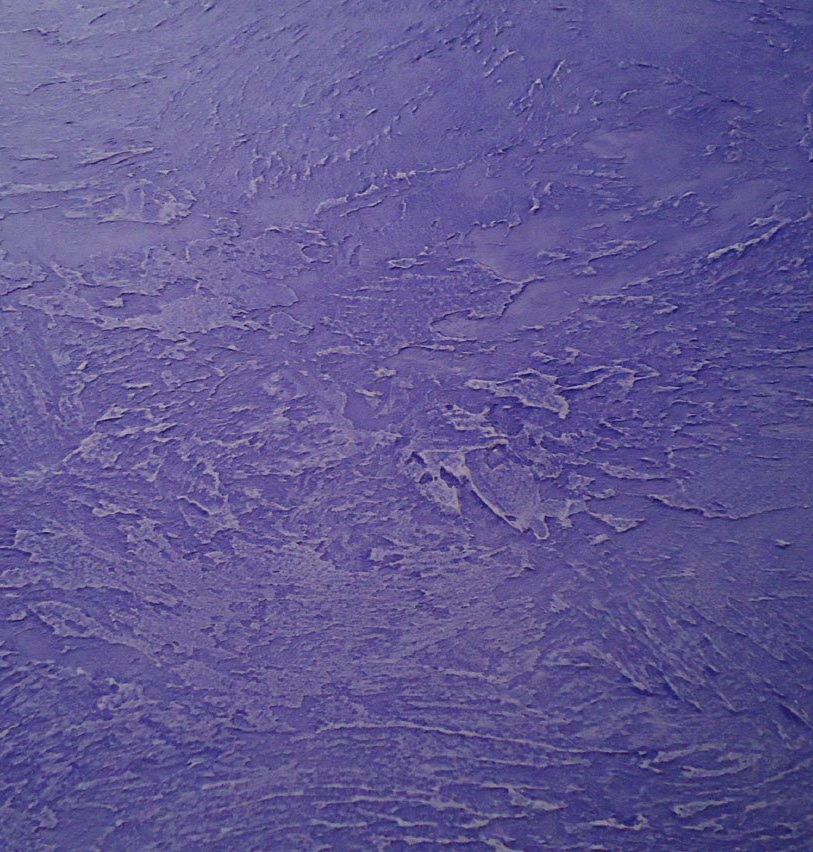
Step 4: Curing, Sanding, and Finishing Touches
Monitor temperature and humidity for optimal curing conditions as recommended by your resin. Most wall resins begin to set within hours but require up to 48 hours for a full cure. Avoid disturbing the surface during this period. For satin or matte finishes, lightly sand the cured resin with fine abrasive paper. Additional layers can be added after initial curing for enhanced durability and depth.
Allow the resin to cure for the full recommended time between coats to ensure a robust, waterproof surface that will withstand moisture and cleaning.

Tips, Common Mistakes, and Troubleshooting
Ensure the wall is clean, stable, and free from moisture, as contaminants or damp may cause adhesion issues and imperfections. Work systematically to eliminate air bubbles during mixing and avoid overworking the resin once on the wall, as this can introduce marks.
Customise your finish with tints or metallic pigments for a distinctive effect, but avoid using incompatible colourants like water-based dyes. If drips or sags occur, sand flat once cured and reapply a thin layer as needed. Always check the manufacturer’s guidelines for best results.
Showcasing Creative Resin Wall Designs
See realistic results from real-life interiors, highlighting the resilience, gloss, or textured details possible with resin wall applications. Let these examples guide your technique for a truly unique finish.
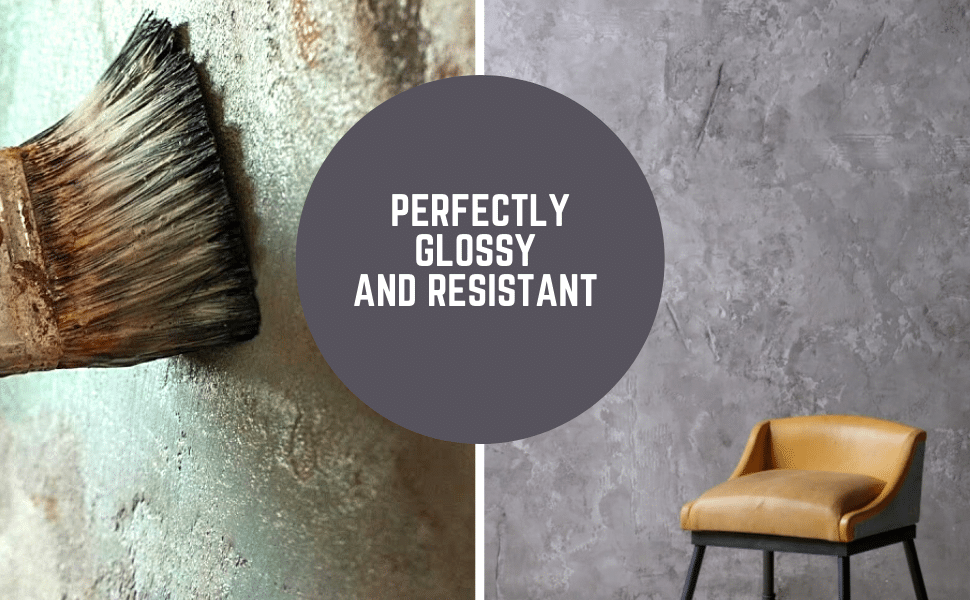
- "Vertical Glass" – Thick Resin Decorative Wall CoatingPrice range: £128.85 through £179.85"Vertical Glass" offers a waterproof, customisable decorative coating with durability suited to vertical and sloping surfaces.
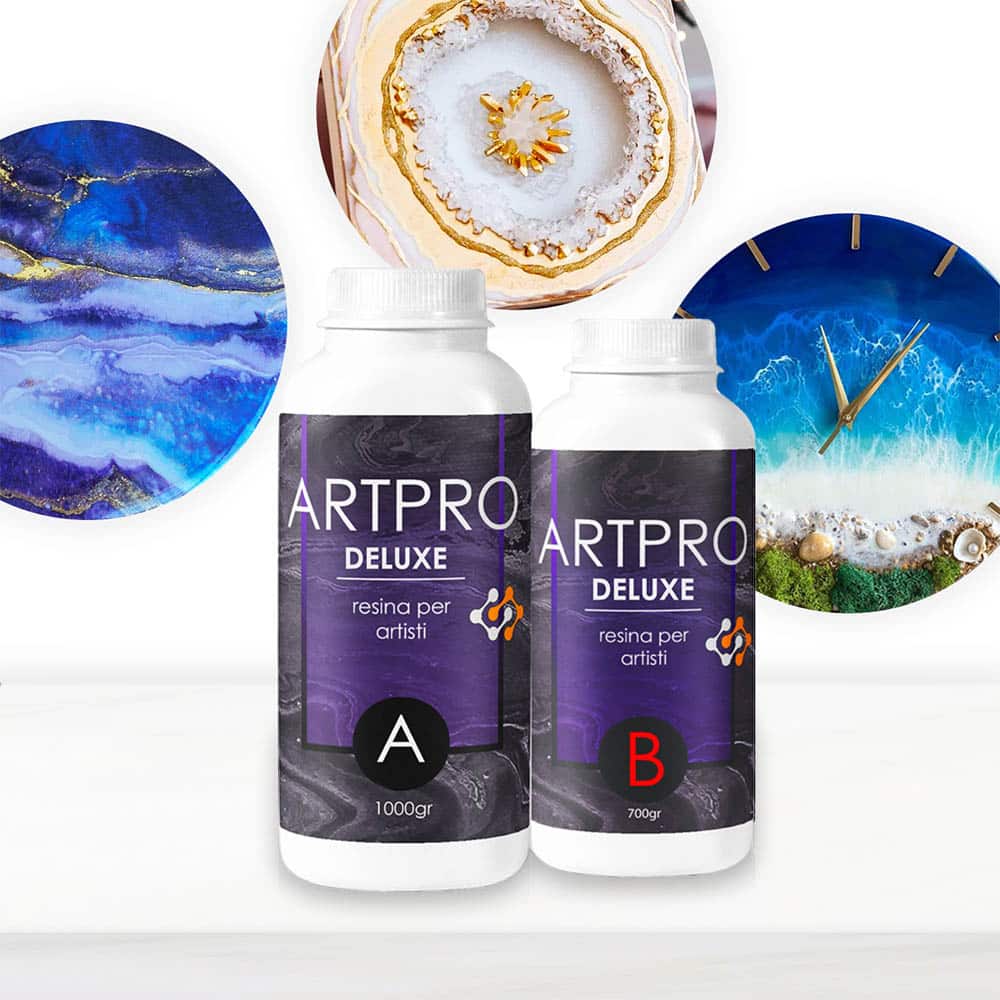
- "Art Pro Deluxe" – Ultra-High Viscosity Epoxy Resin for ArtistsPrice range: £33.85 through £287.85Art Pro Deluxe is designed for artists needing precise control in resin art with an ultra-high viscosity and a clear, scratch-resistant finish.
 "Art Pro" – Clear Epoxy Resin for Artists and Surface CoatingPrice range: £31.15 through £388.85"Art Pro" clear epoxy resin offers a durable, clear finish suitable for artistic surface coatings such as coasters and trays.
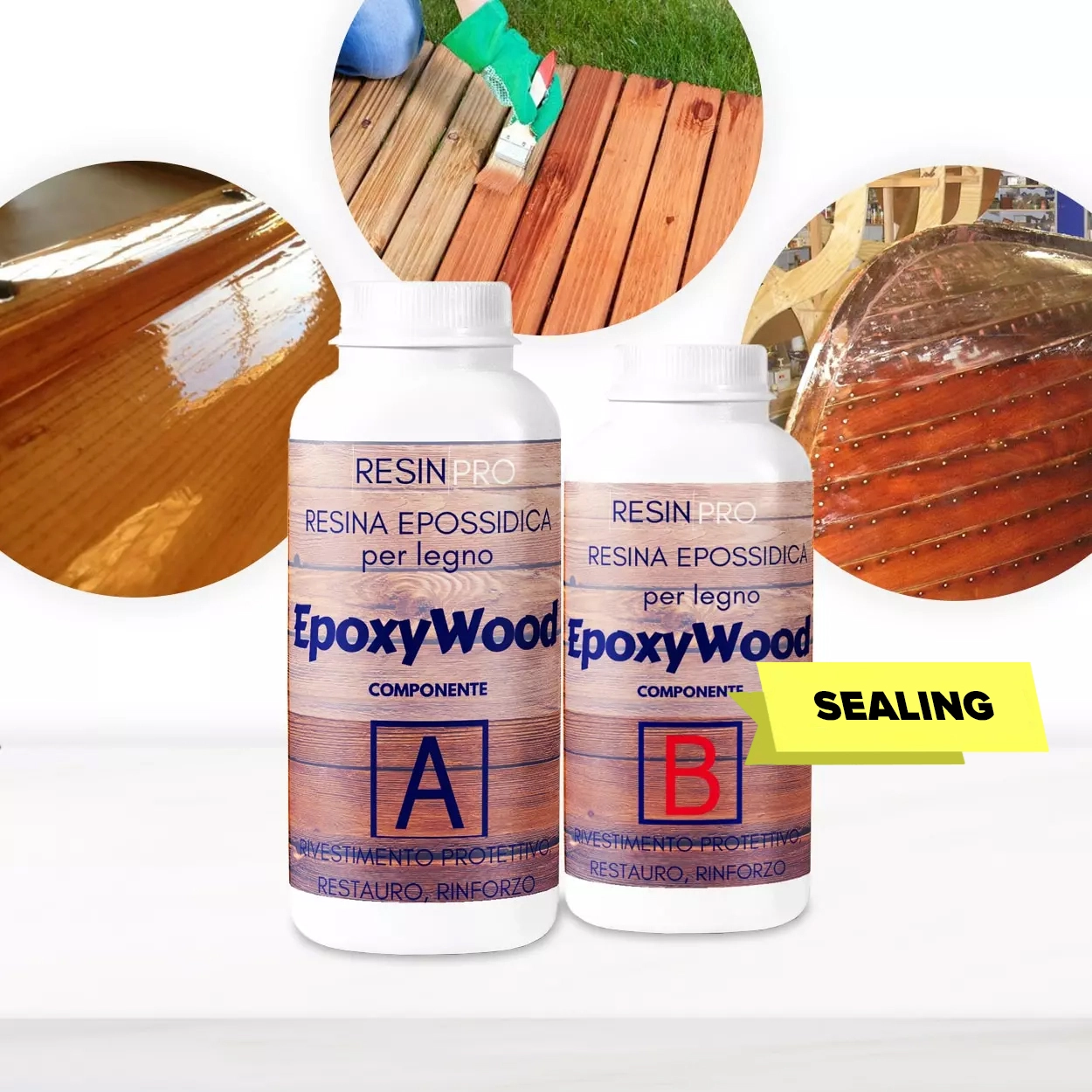 "EpoxyWood" – Wood Restoration Epoxy Resin for Deep Penetration and WaterproofingOriginal price was: £64.00.£39.85Current price is: £39.85."EpoxyWood" is designed for repairing and waterproofing wooden surfaces with deep penetration while enhancing natural wood appearance.
Frequently Asked Questions
Which resin should I use for coating a wall?
Resins formulated for vertical applications, such as "Vertical Glass" – Thick Resin Decorative Wall Coating, work best as they are non-sagging and easy to apply.
How can I avoid drips or runs when applying resin on a wall?
Apply thin, even coats and use a resin designed for vertical surfaces to reduce the risk of sagging or drips.
Can I customise the colour or appearance of a resin wall?
Yes, most wall resins can be tinted with pigments or metallic powders for unique effects—be sure to use compatible materials.
Is it possible to apply resin on tiles, wood, or brick walls?
Resin wall coatings adhere well to tiles, wood, bricks, and cement—just ensure the surface is dry, clean, and prepared.
What is the curing time for resin on walls?
Curing times vary by product but typically range from 12–48 hours depending on temperature, humidity, and thickness.
Should wood surfaces be sealed before applying resin?
Yes, sealing wood with a suitable epoxy like EpoxyWood ensures better adhesion and waterproofing before resin coating.
Does a resin wall finish resist moisture and stains?
Decorative resin wall finishes are waterproof, washable, and ideal for high-moisture or high-traffic interior areas.