 Free shipping on orders over £29,85
  Shipping Tracking!


 Google
 Facebook
How do I filter resin out of water?
If you’ve mixed or rinsed resin in water, knowing how to filter out and safely remove any residue is essential for protecting the environment and your plumbing. This guide covers the best practices to extract resin particles from water, avoid contamination, and dispose of both materials properly.
Step-by-step guide for safe resin and water separation
What You’ll Need
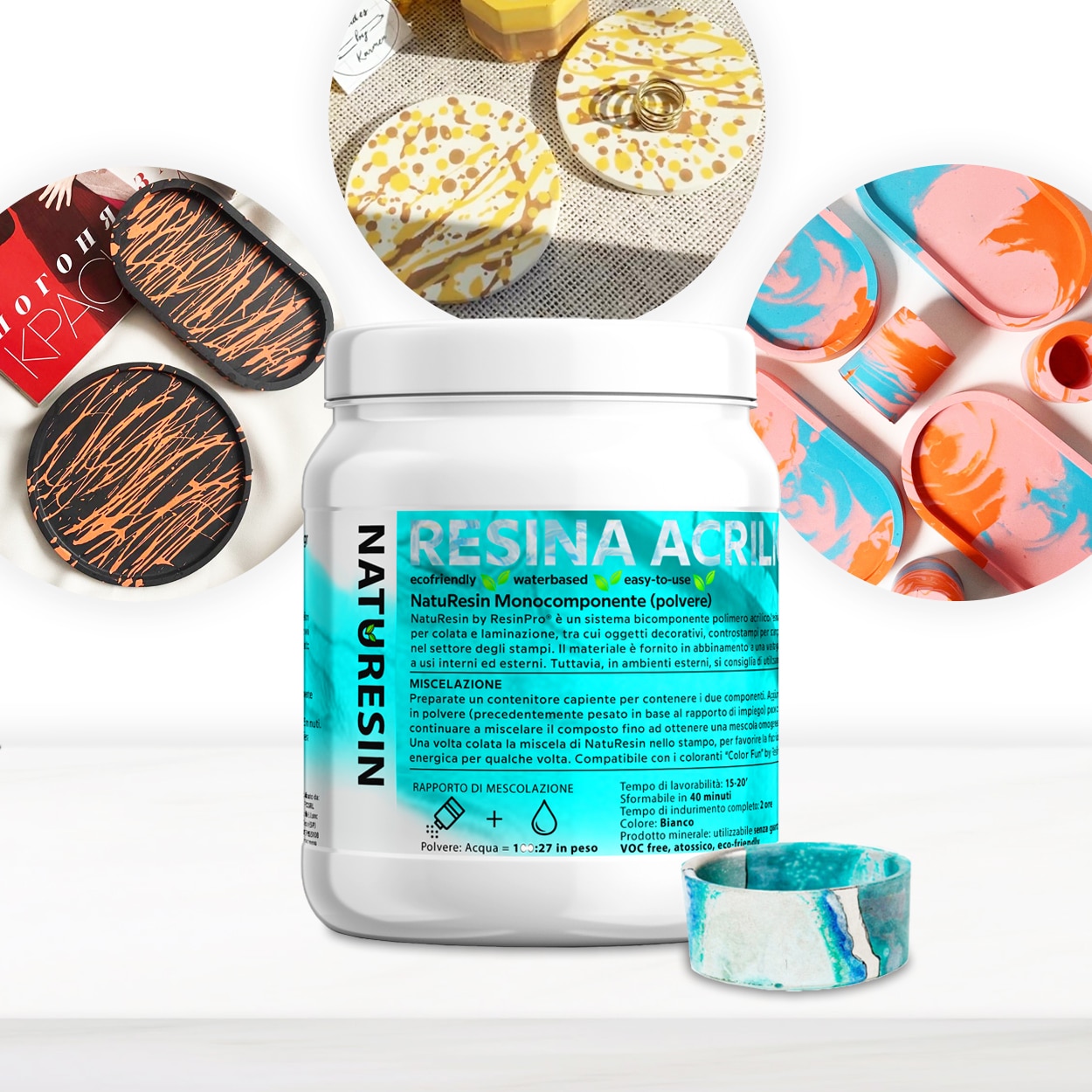
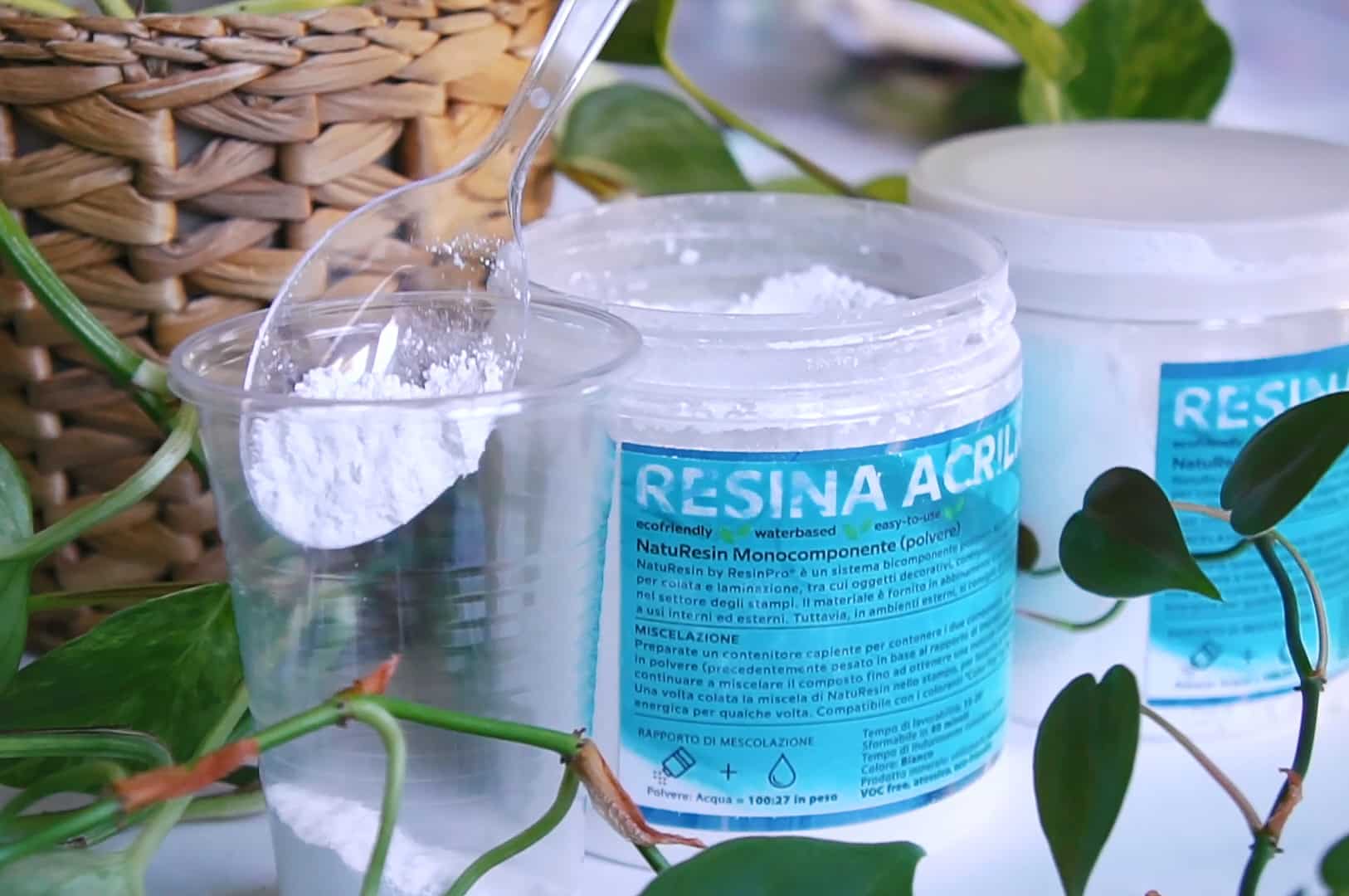
- “NatuResin” – Mineral Resin & Water System for Creative Casting and Crafts (if using water-activated mineral resin)
- Fine mesh filter or coffee filter
- Gloves (optional for extra protection)
- Container for filtered resin solids
- Clean bowl or bucket
- Absorbent paper towels
- Sealable disposal bag
Choosing the Right Filter Material
Paper coffee filters and fine mesh strainers capture most resin particles, including those from water-activated systems. Always use a disposable filter when dealing with mineral resins for effective separation and hassle-free clean-up.
Step 1: Allow Resin Particles to Settle
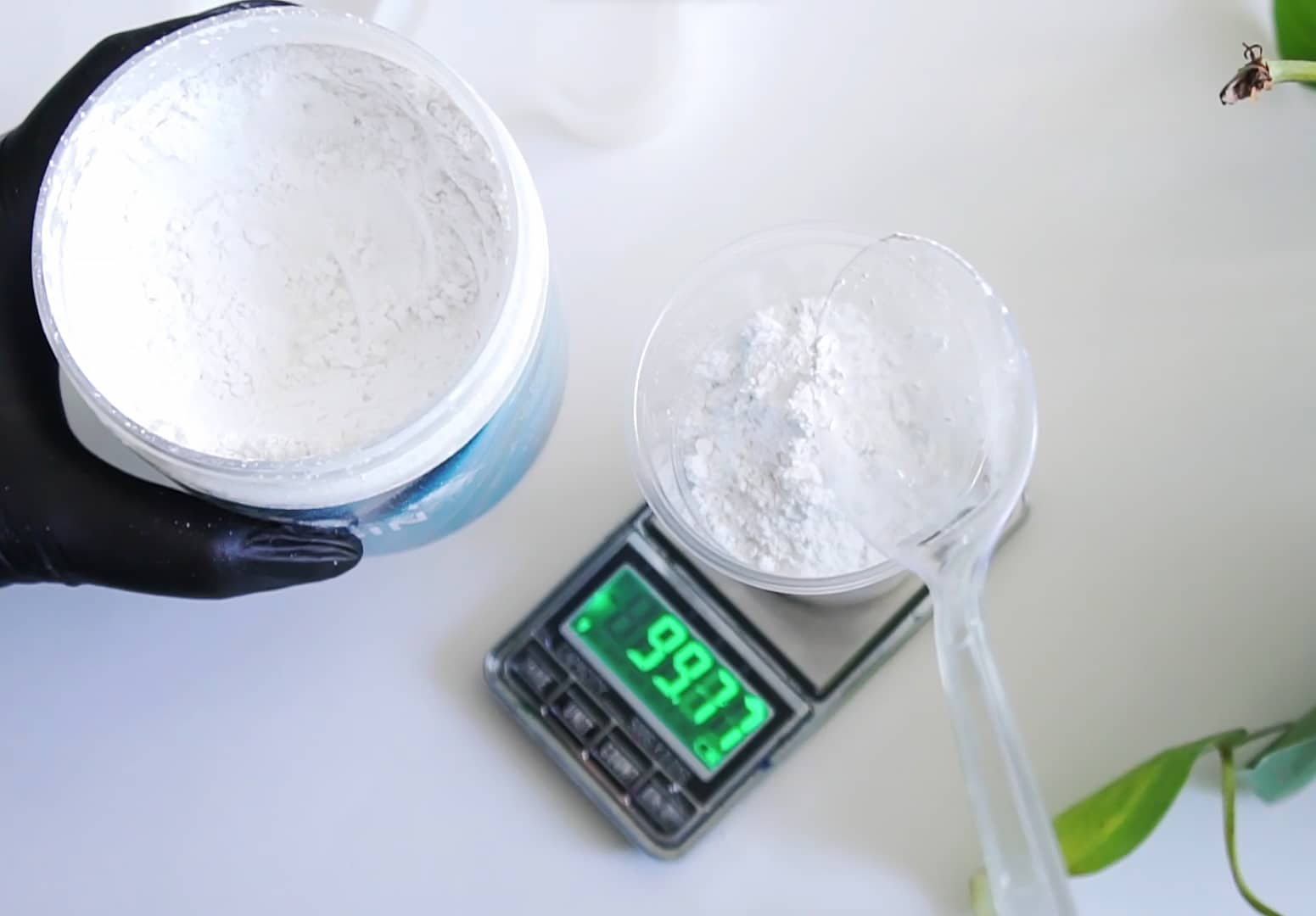
Start by letting the resin-contaminated water sit undisturbed in a clear container. Over time, denser resin particles or cloudiness from mineral-based resins will settle at the bottom. This settling process can take anywhere from several hours to overnight, depending on the amount and type of resin involved.
Avoid agitating the container during this period for best separation. Carefully observe colour changes or visible sediment that indicate where the resin is collecting.
Step 2: Filter the Water Through Fine Mesh
Once the resin has settled, gently pour the clear upper layer of water through a fine mesh or coffee filter into a new, clean container. Use fine mesh or coffee filters for separation—these will trap both large and small resin particles, including those from water-activated mineral resins such as NatuResin. Avoid disturbing the sediment at the bottom while pouring.
If using a mineral resin, the filter will capture both cured and uncured particulates, making disposal safer and easier. Replace the filter if it becomes clogged during this process.
Step 3: Dry and Dispose of Resin Residue Safely
Once filtration is complete, allow the filter to dry thoroughly—spread it out in a well-ventilated area, away from direct sunlight. When all liquid has evaporated, you will be left with dry resin or powdery mineral residue in the filter.
Place the filter and collected residue into a sealable disposable bag for appropriate waste collection. Avoid pouring resin-contaminated water down drains, as this can cause plumbing or environmental issues.

Step 4: Clean and Restore Tools and Surfaces
Rinse remaining containers and tools with clean water, wiping down with absorbent paper towels. Double-check for any remaining resin particles or stains, and use a fresh filter if necessary for subsequent cleaning cycles. Ensure all contaminated materials are bagged and disposed of responsibly.
When using water-activated systems like NatuResin, keep in mind the product’s eco-friendly, solvent-free nature, which helps make post-project clean-up safer and more manageable.
Tips and Common Mistakes When Filtering Resin from Water
For best results, avoid pouring or filtering water while resin is still unset or sticky—it can pass through filters and create more waste. Never discard resin or contaminated water in household drains, as this could cause build-up or blockages. Dispose of filtered resin responsibly to reduce environmental impact and comply with local regulations.
If part of a regular creative process, consider using water-activated mineral resins for safer handling and easier separation tasks.
Safe Disposal Practices for Resin Waste
Collect all filtered resin solids in a sealable bag and dispose of them according to your local council’s guidance for chemical or craft waste. This minimises risk to both the environment and your plumbing, offering peace of mind with every project.
Frequently Asked Questions
How do I filter water-activated mineral resin from water?
Use a fine mesh or coffee filter to catch all mineral resin residues. Allow residue to dry before disposal.
How should I dispose of filtered resin?
Once dry, seal the resin solids in a disposable bag and take to an approved waste facility or follow local craft waste guidance.
Is it safe to pour resin water down the drain?
No, you should never pour resin or contaminated water down the drain. This may harm plumbing or the environment.
Do I need gloves when filtering mineral resin out of water?
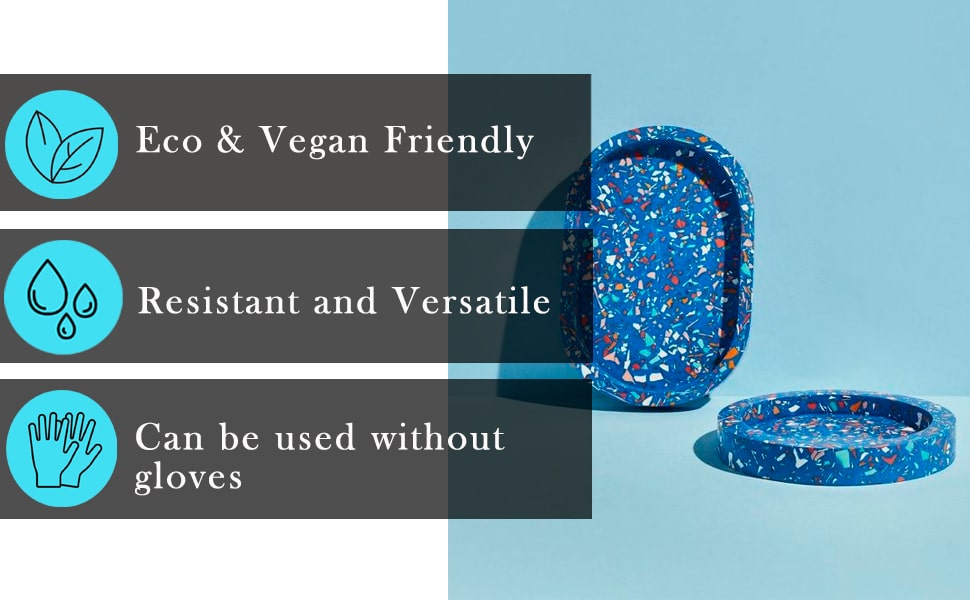
Gloves are optional with water-based mineral resins that are safe to touch, but always consider extra protection for sensitive skin.
How can I reduce leftover resin waste?
Mix only as much resin as you need and allow any unused mixture to cure fully before safe disposal.