 Free shipping on orders over £29,85
  Shipping Tracking!


 Google
 Facebook
How to polish a resin bathtub?
Step-by-step guide for restoring and maintaining resin bathtubs


Restoring the original shine to a resin bathtub is both satisfying and practical, giving your bathroom a refreshed, modern look. This comprehensive guide walks you through every stage of polishing a resin bathtub, whether you are a homeowner wanting to revive your space or a professional aiming for flawless results. With the right approach, a little patience, and careful technique, you can achieve a mirror-like finish and prolong the life of your tub.
What You’ll Need
- “Ebonite Abralon” – Sanding Pads 360-4000 Grit for Resin and Wood – Progressively smooths out surface scratches.
- 1200W Polisher for Sanding and Buffing – Variable Speed, D-Handle – For efficient, even application across large surfaces.
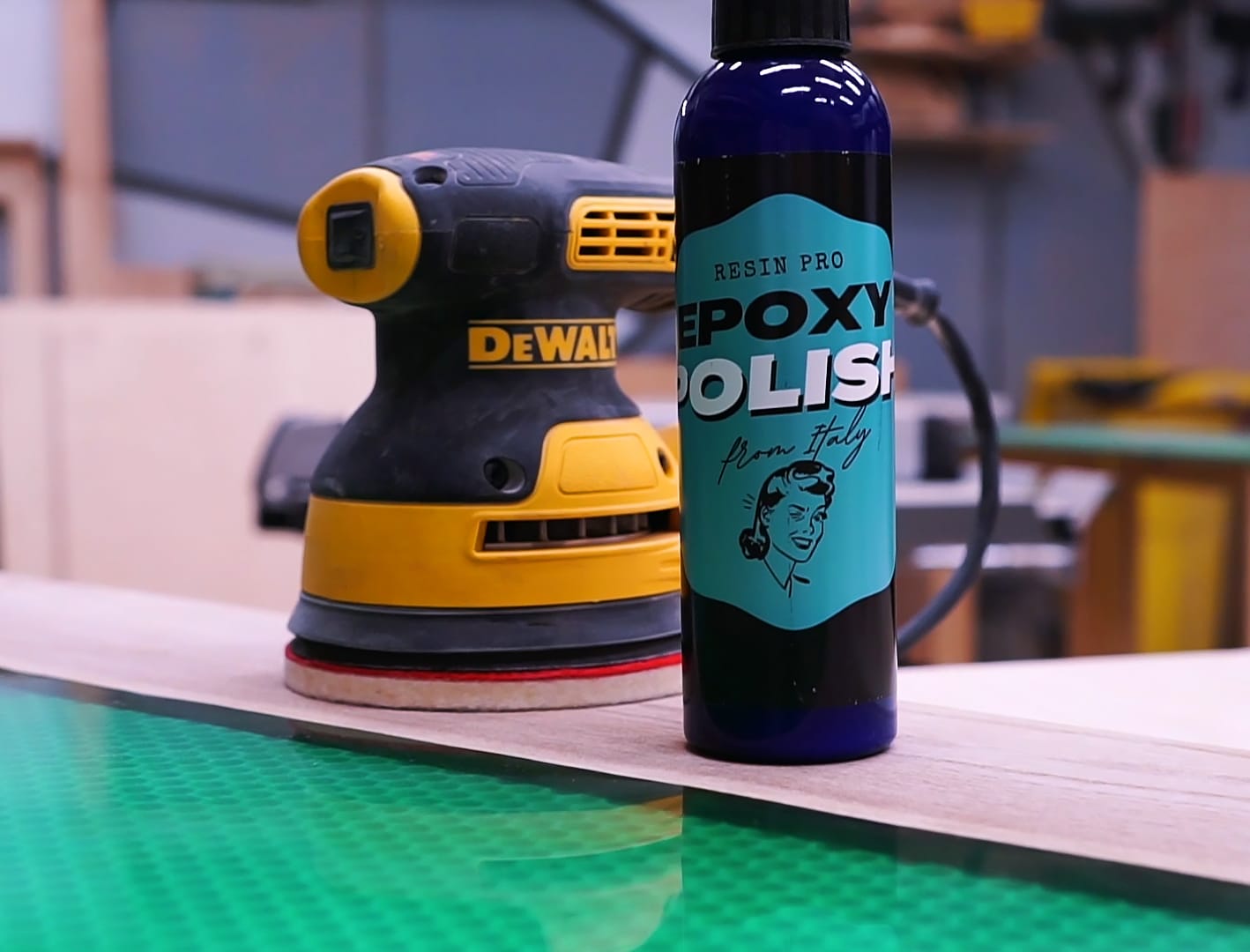
- “Epoxy Polish” – Epoxy Resin Polishing System – Restores gloss and removes micro-scratches.
- Polishing Sponge Discs 150mm – 2 Pack – Delivers the final polishing touch for a high-shine finish.
- Microfibre cloths, water, clean buckets, and protective gloves.

Essential Tools and Safety for Polishing Resin Bathtubs
Gather all required tools and protective equipment before starting. Wear gloves and ensure good ventilation when working with resins or polishes. Keep water and microfibre towels to hand for cleaning dust and residues as you work. Preparation and safety set the stage for flawless results.

Step 1: Thoroughly Clean and Prepare the Bathtub Surface
Before polishing begins, ensure all surfaces are meticulously cleaned. Remove soap residue, oils, and debris using a non-abrasive cleaner and rinse thoroughly with clean water. Dry the tub with a microfibre cloth, making sure no water spots remain. Well-prepared surfaces allow sanding and polishing products to perform at their best and minimise the risk of embedding dirt during the process. Take time to inspect for any deep scratches or damaged areas that may require additional attention.
Step 2: Sand the Resin Surface for a Satin Smooth Finish
Begin by gently sanding any scratches, marks or dull areas using progressively finer grits. Start with coarser sanding pads (such as 360 or 500 grit) and work up to super-fine grades (as high as 4000 grit). Sand gradually with appropriate grit progression to ensure a smooth, even surface without gouging the resin. Light, circular movements are key, and it is essential to sand consistently across the entire bathtub to avoid visible spots of over- or under-sanding.
If available, use a variable speed electric polisher set on low to medium speed for larger bathtubs. This tool saves significant effort and ensures uniformity, but the job can also be done by hand with sanding pads for smaller or detailed sections.
Keep the surface lubricated when sanding by misting lightly with water during the process. This avoids heat build-up, reduces clogging, and helps achieve a superior finish.
Step 3: Buff the Bathtub with a Dedicated Resin Polish
Once the tub is thoroughly sanded and feels consistently smooth, apply a small amount of epoxy resin polish to a polishing sponge disc or a clean microfibre cloth. Using gentle, circular motions, buff the surface to bring out the desired sheen. Buff with even, overlapping strokes to avoid swirl marks or patchy shine levels.
If using a rotary polisher, maintain steady, moderate pressure and move constantly to prevent overheating any one spot. Manual polishing may take slightly longer but allows for precision in corners and curves of the resin bathtub. Repeat applications may be needed for deeply dulled or stubborn surfaces.
Step 4: Inspect, Wipe Down, and Repeat if Needed
After polishing, thoroughly inspect the entire bathtub in natural or bright artificial light. Look for hazing, missed spots, or swirls. If necessary, repeat finer sanding and polishing steps to perfect the finish. Remove all polish residue with a fresh microfibre cloth and rinse the surface with lukewarm water to ensure it’s safe for use. Avoid excessive pressure throughout the process, as resin can burn or become uneven if overworked.

Tips, Common Mistakes, and Maintenance Guidance
- Regular maintenance prolongs gloss: Rinse and wipe your resin bathtub with a soft cloth after each use to prevent water spots.
- Always test products on a small, inconspicuous area first to confirm results before tackling the entire bathtub.
- Address dull areas early: Small scratches and dulled patches are easier to polish out before they worsen.
- Never use abrasive household cleaners or wire pads, as these can damage the polished finish and create new scratches.
- Keep polish and sanding pads free from grit or contaminants to prevent accidental surface abrasion.
Visual Guide: Achieving a Perfect Resin Shine
Witness the transformative effect of proper sanding and polishing: progression from a dull, scratched resin surface to a brilliant, mirror-like gloss. See our polish system in action.

- "Epoxy Polish" – Epoxy Resin Polishing SystemPrice range: £17.85 through £44.85"Epoxy Polish" is a resin polishing system designed for a glossy finish and scratch removal, suitable for polishing resin surfaces.
- 1200W Polisher for Sanding and Buffing – Variable Speed, D-Handle£85.95A variable speed polisher with a sturdy D-handle designed for sanding and buffing epoxy resin and similar surfaces.
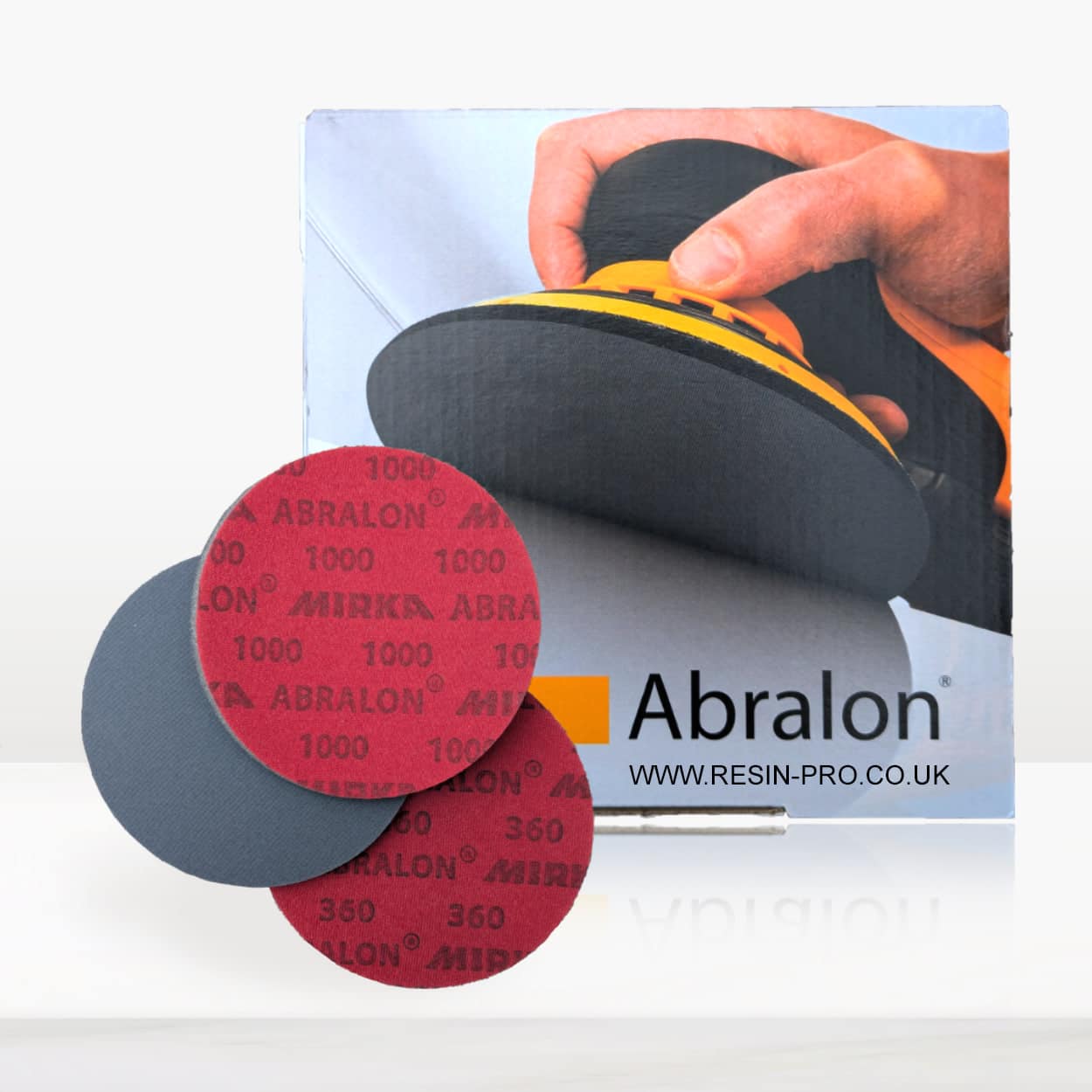 "Ebonite Abralon" – Sanding Pads 360-4000 Grit for Resin and Wood£3.95"Ebonite Abralon" sanding pads provide durable, versatile grit options for polishing resin and wood surfaces in detailed finishing work.
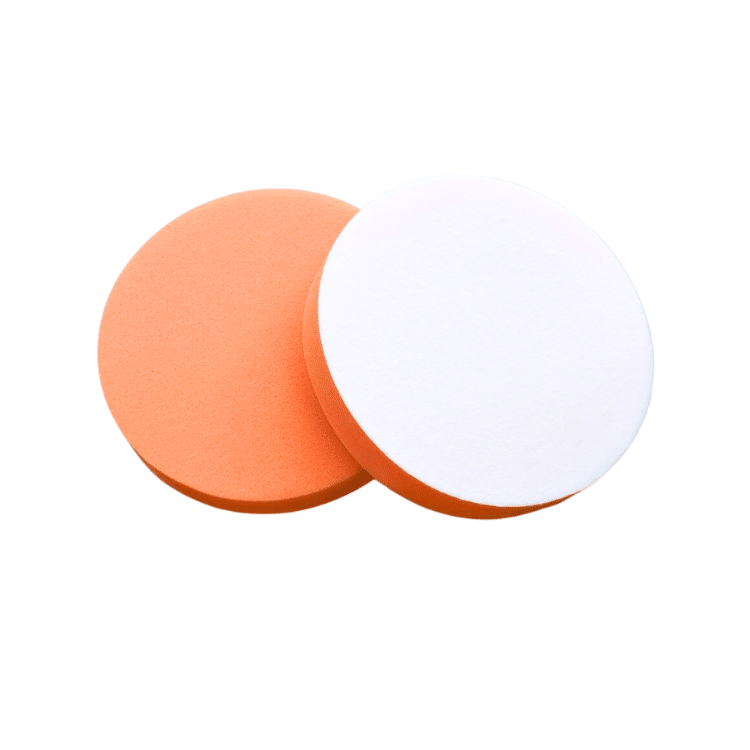 Polishing Sponge Discs 150mm – 2 Pack£7.85Polishing Sponge Discs 150mm – 2 Pack are designed to provide the final polishing touch for epoxy resin projects within the How to polish a resin…
Frequently Asked Questions
Can I polish a resin bathtub by hand or do I need a machine?
Both methods work. A machine polisher is faster and more uniform on large surfaces, but hand polishing is suitable for smaller tubs or detailed areas.
What grit should I start with for sanding my resin bathtub?
Start with 360 or 500 grit for visible scratches, then progress up to 4000 grit. Always finish with a very fine grade for best shine.
How often should I polish a resin bathtub for maintenance?
Polish once or twice a year, or whenever the surface shows signs of dullness or minor scratches for optimal results.
What causes swirls or hazy marks when polishing resin?
Swirls can result from uneven buffing, too much polish, or dirty pads. Rebuff with a clean pad and minimal polish to correct this.
Can I use household products to polish resin bathtubs?
It's best to use professional products designed for resin. Many household products are too abrasive or ineffective for resin surfaces.
Is polishing safe for coloured or patterned resin in bathtubs?
Yes, if performed gently with suitable products, polishing is safe and will restore gloss to both solid-coloured and patterned resin bathtubs.