 Free shipping on orders over £29,85
  Shipping Tracking!


 Google
 Facebook
How to put an insect in resin?
A step-by-step guide for preserving insects in epoxy
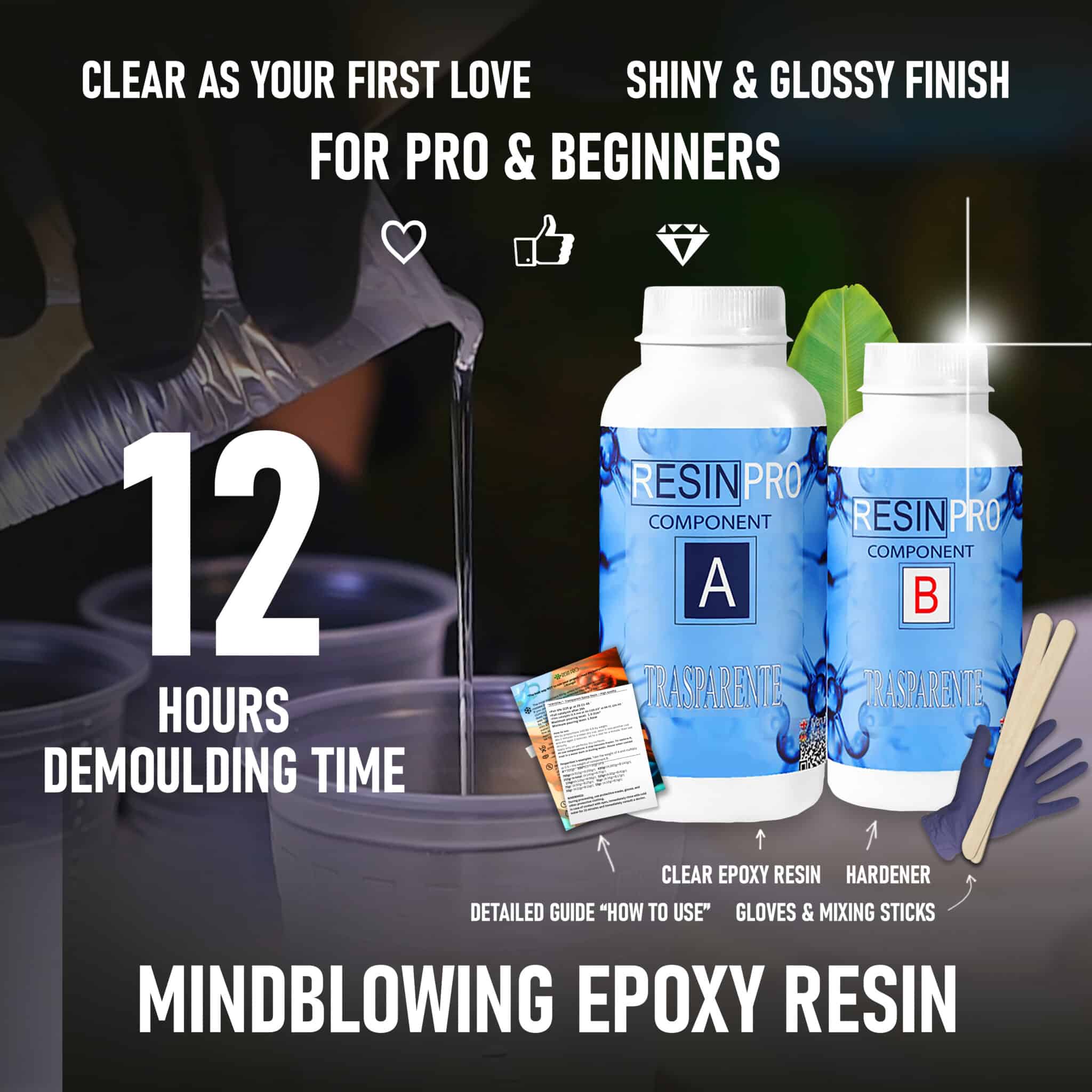
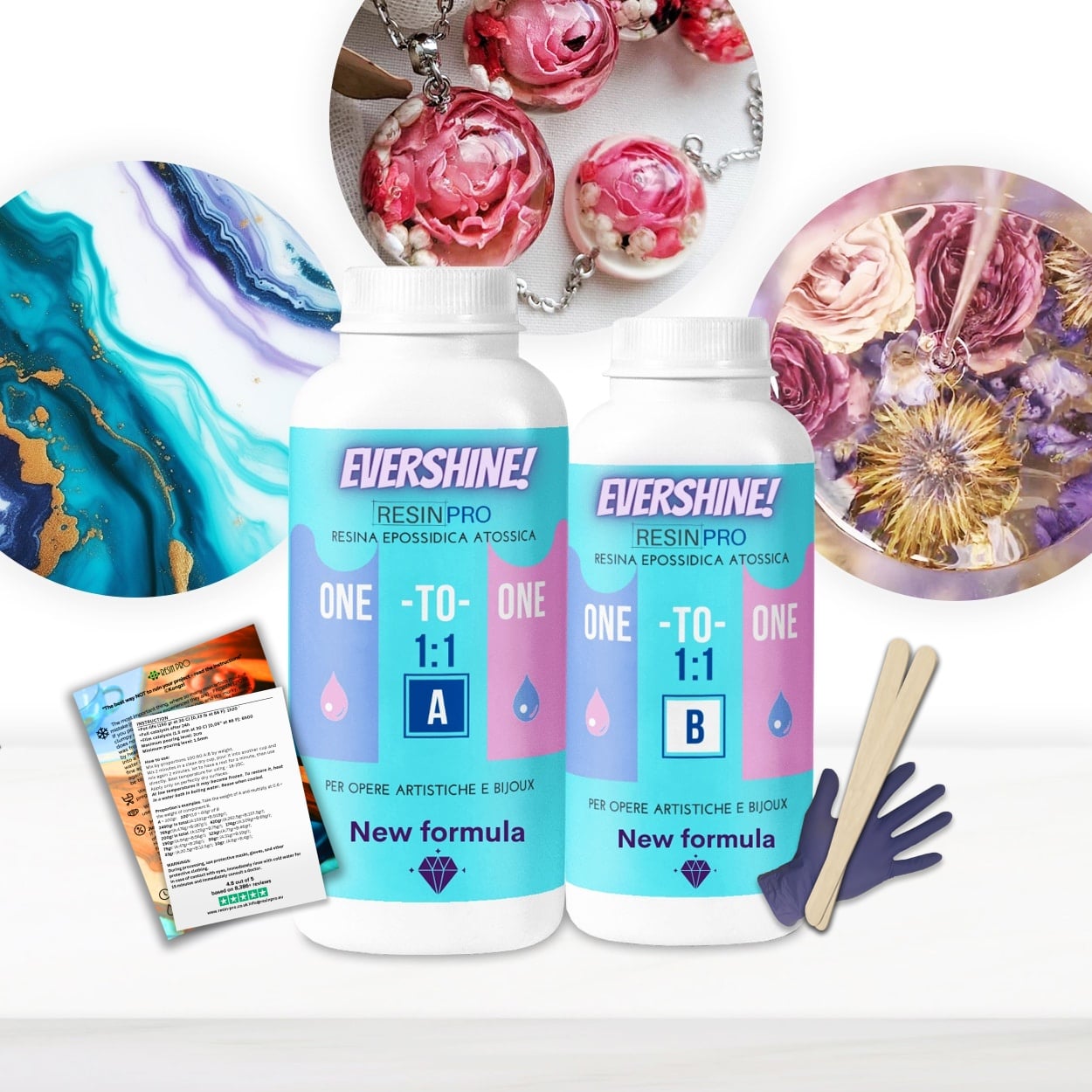
Encapsulating insects in resin is a fantastic way to preserve delicate specimens, create unique art, or craft memorable keepsakes. This guide will take you through the entire process, from preparation to final touches, ensuring your preserved insect remains beautifully displayed and protected over time.
What You’ll Need
- “Trasparente” – Multipurpose Clear Epoxy Resin for Casting – Up to 2cm – ideal for clear, durable encapsulation.
- “One-2-One” – Epoxy Resin for Handcraft, 1:1 Mixing Ratio – suitable for beginners needing simple mixing.
- “Icrystal” – Clear Epoxy Resin – Odourless Formula – Up to 1.5cm – excellent for odour-sensitive environments and small items.
- “ICreation” – Fast Epoxy Resin, 6h Demoulding, Transparent Gloss Finish – great for projects requiring a rapid cure.
- Protective gloves and mixing sticks
- Silicone casting moulds (shape of your choice)
- Clean, dried insect specimen
- Small tweezers
- Paper towels and disposable cups for mixing
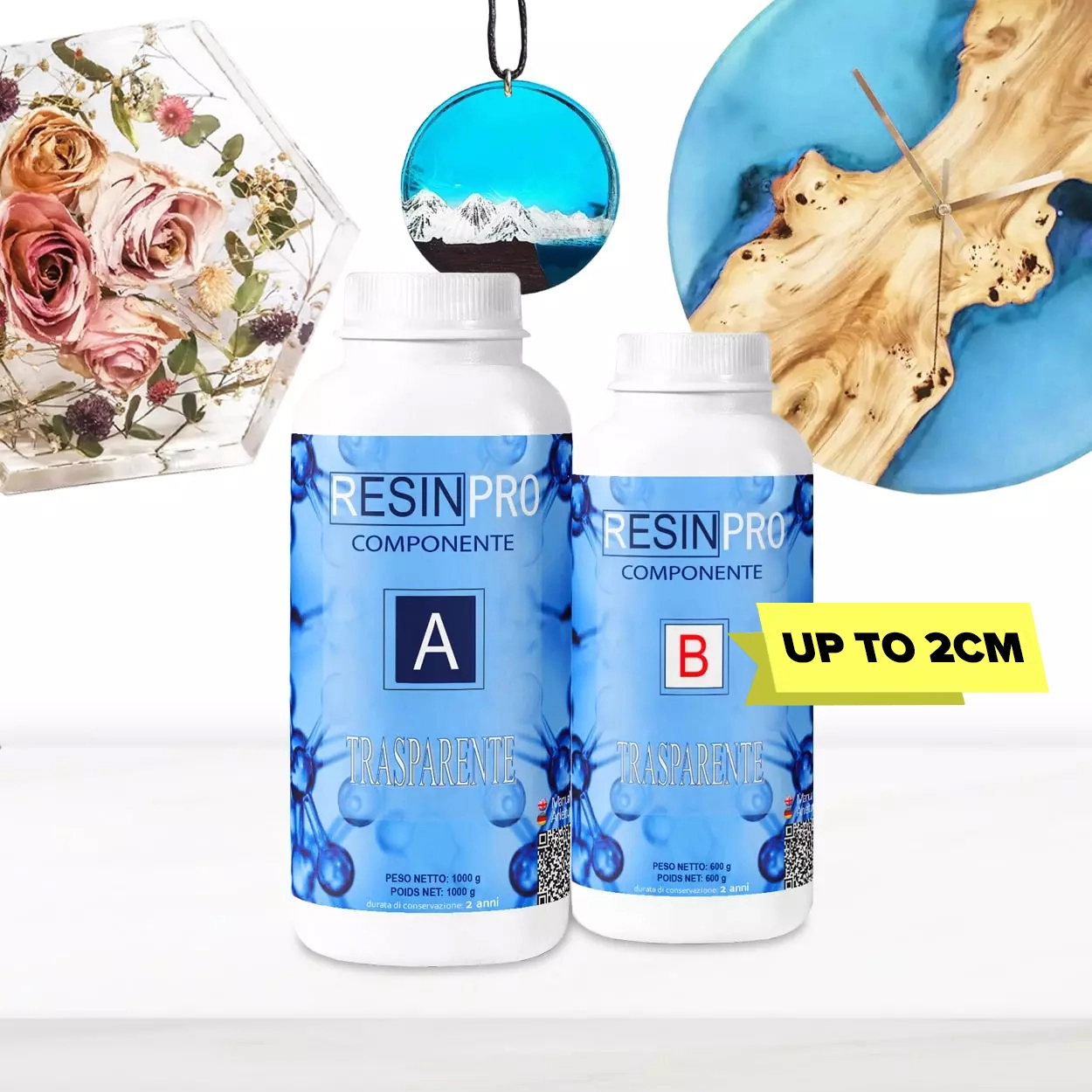
Inspiration for Embedded Insect Artworks
Preserved insects in resin create stunning visual effects for jewellery, displays, and educational specimens. Experiment with different mould shapes and arrangements to highlight the fine details of each specimen. Flat, round, or geometric moulds all lend unique character to the finished piece. Explore resin types to find your ideal clarity and working time.
Step 1: Prepare the Insect Specimen
Preservation begins with a fully dried insect. Any moisture left in the body can lead to clouding or decomposition after encapsulation. Let your insect air dry for several days, or use silica gel for delicate specimens. Ensure your insect specimen is completely dry. Carefully position wings or legs with tweezers and allow them to set in the desired pose.
Step 2: Set Up Your Workspace
Choose a well-ventilated, dust-free space. Cover the working area with paper or plastic sheets to protect surfaces. Gather all your tools and wear gloves to keep everything clean and safe. Place your silicone mould within easy reach and ensure the insect fits comfortably within its confines to avoid any overflow or contact with the mould edges.
Step 3: Mix the Epoxy Resin
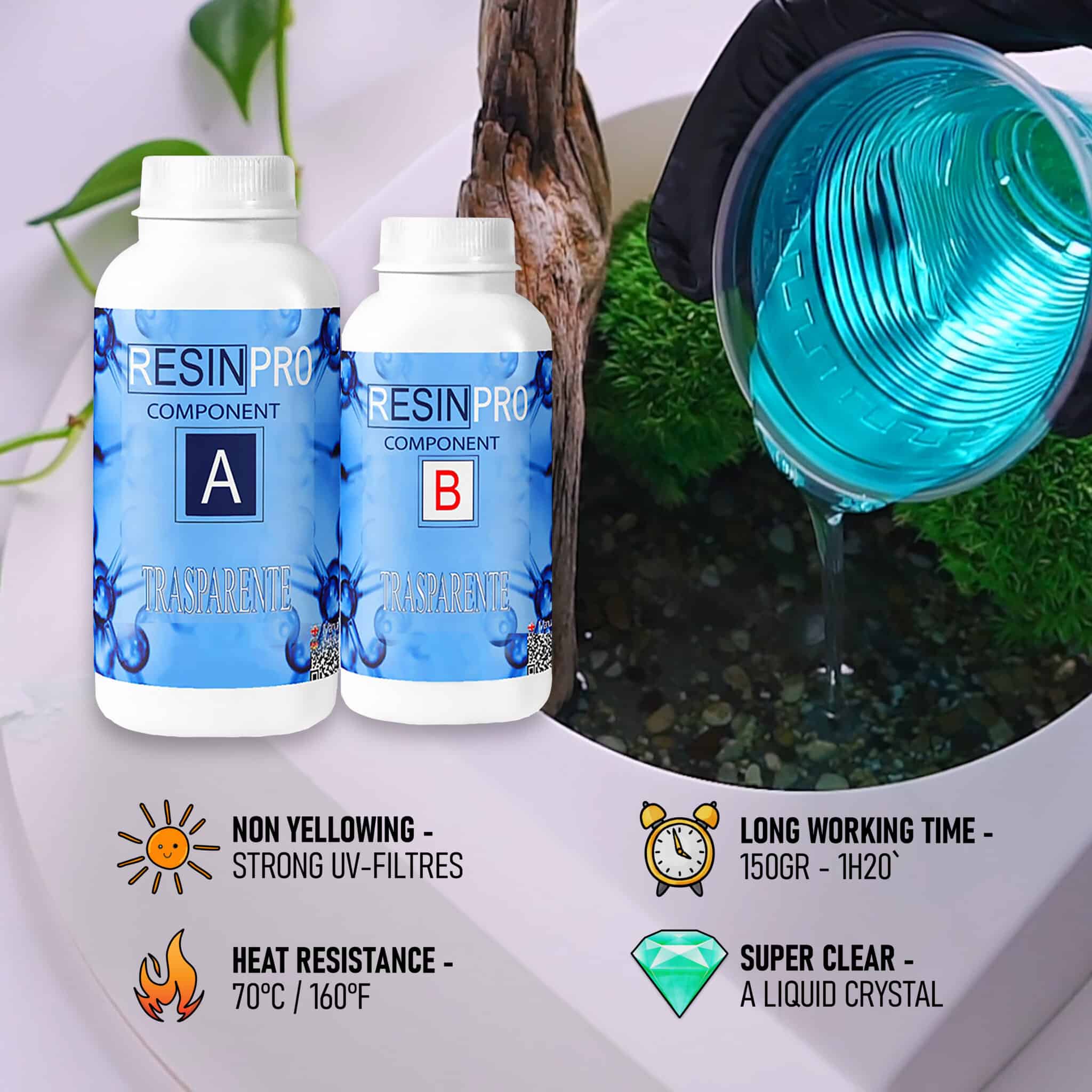
Select your resin based on the project scale and working preferences. For most insect preservation projects, “Trasparente” – Multipurpose Clear Epoxy Resin for Casting – Up to 2cm offers outstanding clarity and is well-suited for detailed castings. Always follow the manufacturer’s mixing instructions—precise ratios are essential for proper curing.
Combine the resin and hardener in the recommended proportions (for example, 1:1 for “One-2-One” – Epoxy Resin for Handcraft, 1:1 Mixing Ratio, or 2:1 for “Icrystal” – Clear Epoxy Resin – Odourless Formula – Up to 1.5cm). Stir gently and slowly to avoid introducing bubbles. Mix your chosen resin slowly and thoroughly.
Step 4: Pour the First Resin Layer
Start by pouring a thin layer (about 1/3 of the total depth) into the mould. This acts as a base to cushion your insect and help prevent bubbles from sticking underneath. Allow it to settle briefly so that air can escape. If bubbles rise, gently pass a heat gun or a straw above the surface to help them disappear.
Once the layer begins to gel (but is not fully set), position your insect with tweezers. This stops it from floating or sinking. Pour the remaining resin in one or more stages if necessary, never exceeding the recommended maximum pour depth for your resin type. Pour in stages to prevent overheating and bubbles.

Step 5: Cure and Demould Your Project
Leave the resin in a stable, dust-free area to cure. Curing time varies depending on your chosen epoxy—“ICreation” – Fast Epoxy Resin, 6h Demoulding, Transparent Gloss Finish enables quick results, but always refer to the specific product guidelines.
Once fully hardened, gently flex the mould to release your insect in resin. Inspect for any residual bubbles or imperfections and, if needed, sand the edges lightly for a polished finish. Use a clear, multipurpose epoxy resin for best results.
Tips, Common Mistakes, and Troubleshooting
Dust is the enemy of clear resin—cover your curing project with a container to keep particles out. Do not rush the drying or curing steps; moisture or premature handling leads to cloudy results or surface marks. If bubbles persist, use a toothpick or gentle heat immediately after pouring. Clean your workspace and tools immediately after use. Always work in thin layers to avoid overheating and ensure clarity.
Finishing Touches and Display Suggestions
Mount your finished piece on a stand, within a box frame, or as jewellery for permanent display. Keep out of direct sunlight to protect colours and prevent yellowing. Find more inspiration for resin crafts and display ideas in our jewellery category.

- "Trasparente" – Multipurpose Clear Epoxy Resin for Casting – Up to 2cmPrice range: £8.45 through £948.85"Trasparente" is a clear epoxy resin suitable for casting layers up to 2cm. Ideal for detailed DIY projects with a self-levelling finish.
- "One-2-One" – Epoxy Resin for Handcraft, 1:1 Mixing RatioPrice range: £14.85 through £56.85"One-2-One" epoxy resin is a medium viscosity resin with a clear, glossy finish, suitable for crafts and jewellery projects.
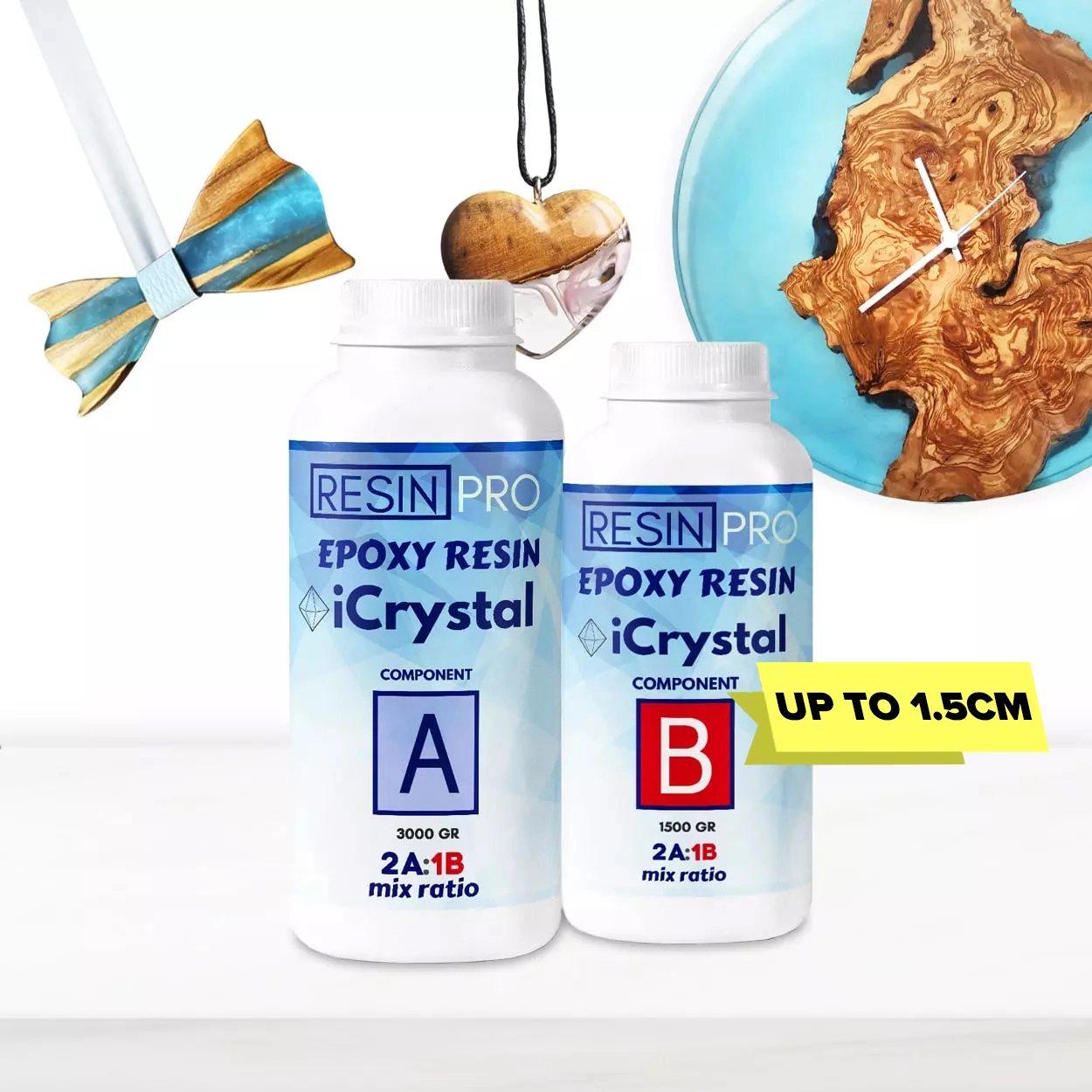 "Icrystal" – Clear Epoxy Resin – Odourless Formula – Up to 1.5cmPrice range: £11.65 through £954.85"Icrystal" Clear Epoxy Resin is a transparent, odourless formula suitable for craft projects including embedding and table finishes.
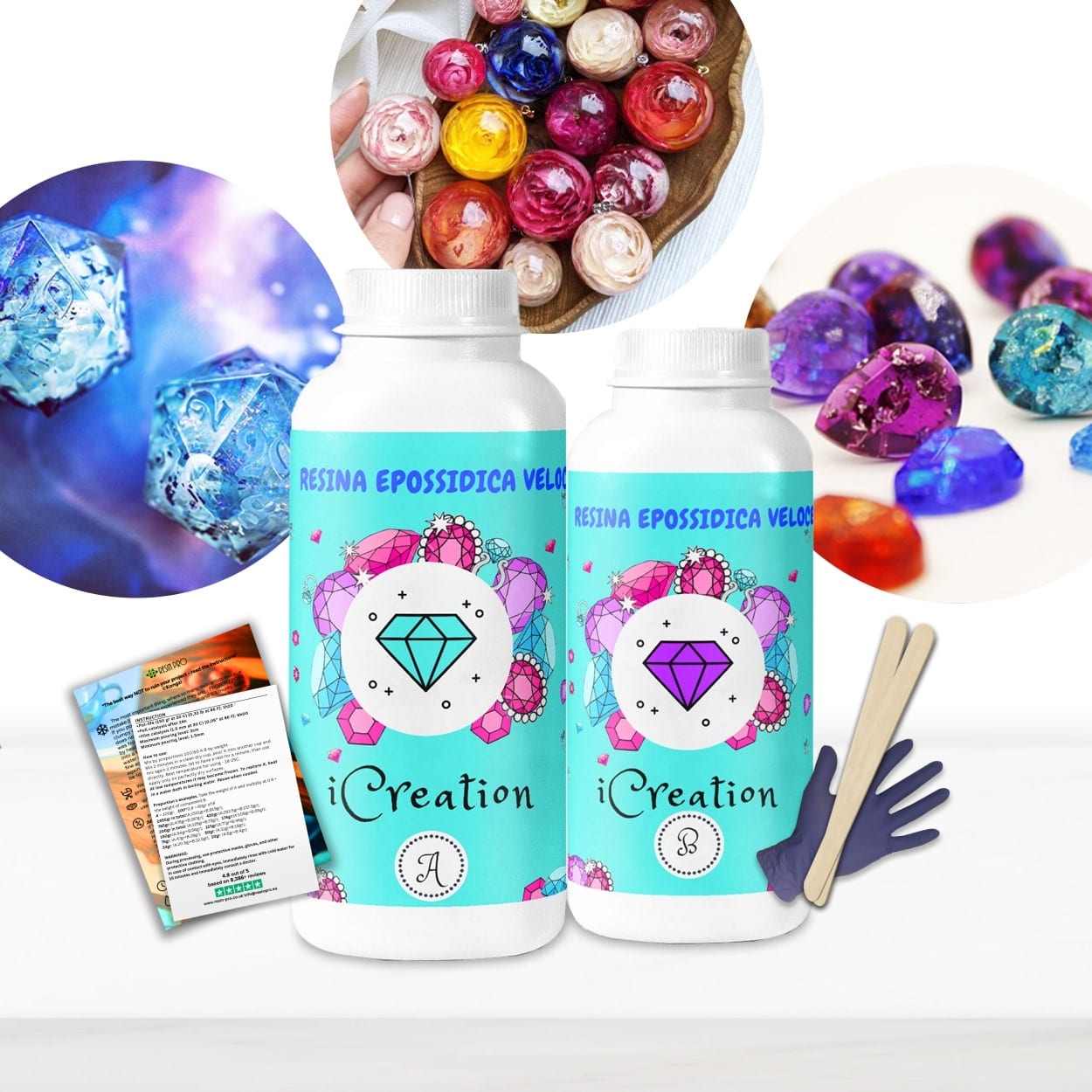 "ICreation" – Fast Epoxy Resin, 6h Demoulding, Transparent Gloss FinishPrice range: £19.40 through £52.85ICreation fast epoxy resin is suited for rapid results with a clear, glossy finish, suitable for jewellery and art under the theme How to put an…
Frequently Asked Questions
What is the best resin for embedding insects?
Clear, multipurpose epoxy resins with low viscosity and UV protection are recommended to ensure transparency and avoid yellowing.
How do I avoid bubbles when casting insects in resin?
Mix your resin slowly, pour in thin layers, and use heat or a toothpick to remove surface bubbles after pouring.
Can I use an insect I found outdoors?
Yes, but it must be thoroughly dried and free from pests or decay before embedding in resin.
Do I need a special mould for insects?
Silicone moulds are ideal as they make demoulding easy and are available in many shapes and sizes for insect preservation.
How can I prevent the resin from yellowing?
Choose a resin with an integrated UV filter and keep finished pieces away from direct sunlight to reduce yellowing.
How can I fix cloudy resin after curing?
Cloudiness often results from moisture—ensure the insect is fully dry before casting. Light sanding and polishing may help with minor surface issues.