 Free shipping on orders over £29,85
  Shipping Tracking!


 Google
 Facebook
How does silicone rubber dry?
Explore the different drying and curing times for silicone rubber.

Whether you are a professional mould maker or an enthusiastic DIY hobbyist, understanding how silicone rubber dries is crucial for ensuring your projects turn out perfectly. This guide explains the different drying and curing processes of both putty and liquid silicone rubbers, overviewing key products and helping you choose the formula that best suits your casting or mould making needs.
Comparing Silicone Rubber Drying and Curing Processes
Silicone rubber comes in various forms, most commonly as liquid systems or putty compounds. Each type has its own drying characteristics, influenced by the formula, curing method, and intended use:
- Putty silicone rubbers (like “I–Gum”) typically feature a simple 1:1 mixing process and offer fast, hand-mouldable working times. They generally dry and cure to a solid, flexible state within 20–40 minutes, ideal for quick projects or small, detailed items without the need for release agents.
- Liquid silicone rubbers (such as “Pure Mould” and “Liquid Mould”) require careful mixing with a catalyst or hardener, forming a pourable compound that captures fine detail. Drying time can range from around 3–8 hours (for fast-cure designs like “Pure Mould”) to upwards of 10–12 hours for high-detail casting systems like “Liquid Mould”.
The drying or curing (technically, vulcanisation) does not rely on air exposure but on a chemical reaction between components. Timing and robustness are influenced by temperature, humidity, and the thoroughness of mixing. Choosing the right silicone rubber depends on your project timescale, size, and the level of detail needed.
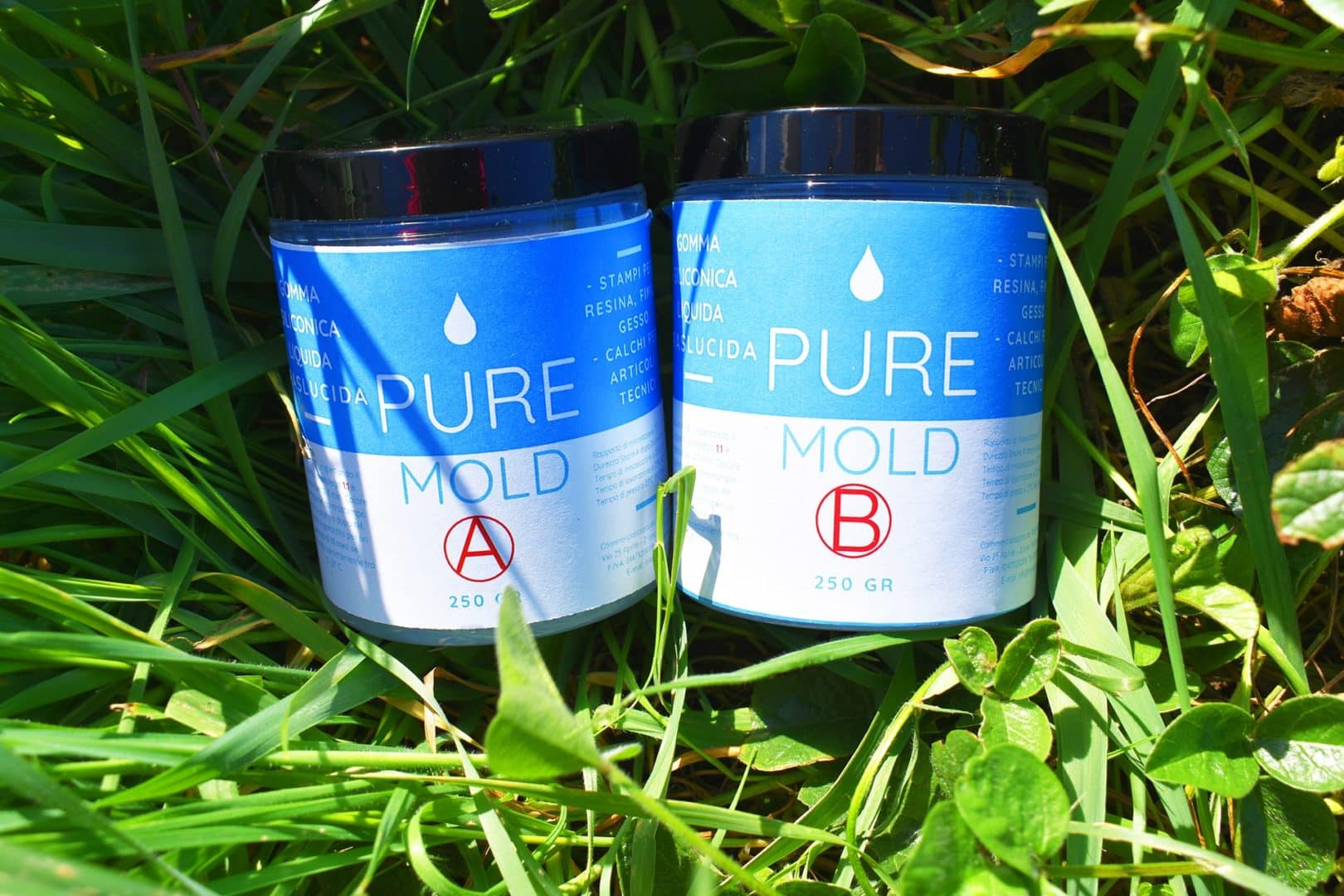
Visual Guide: Watch Silicone Rubber Set in Real Time
See the drying journey unfold for both putty and liquid silicone rubbers. Observe how textures change from fluid or malleable to solid, flexible forms throughout the curing process. Understanding the visual cues of drying helps determine when your mould is ready for use, ensuring project success and optimal detail reproduction.
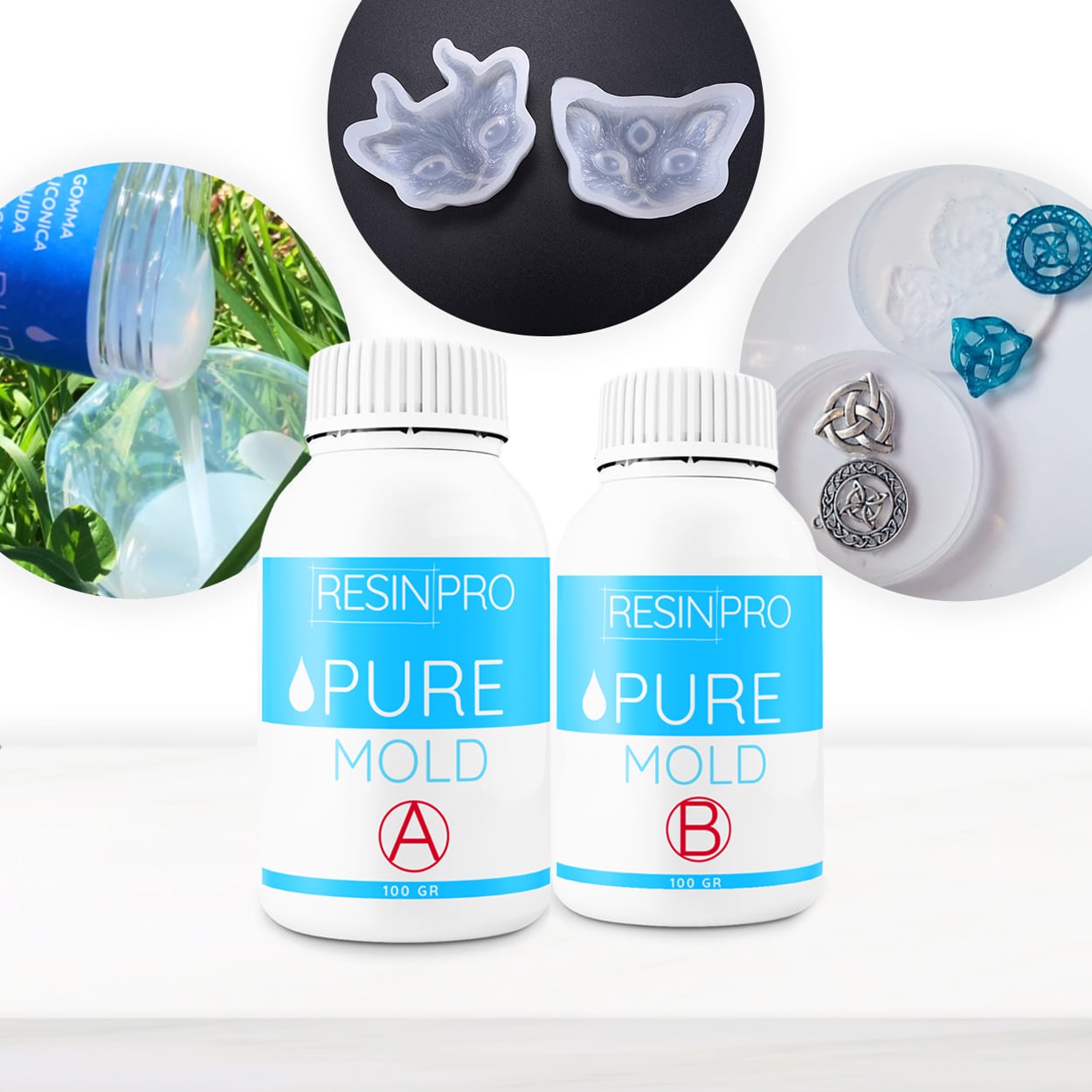
“Pure Mould” – Translucent Liquid Silicone Rubber for Mould Making
“Pure Mould” – Translucent Liquid Silicone Rubber for Mould Making is platinum-based and specifically designed for projects needing quick yet robust curing. This product requires equal parts mixed together (1:1 ratio), resulting in an efficient catalysis process that typically completes within 3–8 hours. The clear formulation is especially useful for monitoring the cure and ensures the mould is fully set before de-moulding. Its mechanical resistance and compatibility with resins, plaster, and cement make it popular for hobbyists and professionals alike.
“I–Gum” – Non-Toxic Silicone Putty for Mould Making
If you prefer a hands-on approach, “I–Gum” – Non-Toxic Silicone Putty for Mould Making is an ideal choice. This two-component putty is mixed in a 1:1 ratio and applied directly to your object. It does not require release agents and can usually be demoulded in 20 to 40 minutes, providing speed and safety for rapid prototyping or small casting tasks. “I–Gum” is suitable for working with a range of materials including resins and cement, with the added benefit of being non-toxic and odourless.
“Liquid Mould” – Casting Liquid Silicone Rubber
For intricate, highly detailed projects, “Liquid Mould” – Casting Liquid Silicone Rubber, 5-40 Shores, Bi-Component A+B and the larger volume “Liquid Mould” – Casting Liquid Silicone Rubber, 15 Shores 20.8 kg are superior options. Both are liquid, bi-component systems that must be mixed with an activator before use. After mixing, the compound is poured over the master object, curing in 10–12 hours to create a flexible, highly detailed mould. This slower curing process ensures that all fine details and undercuts are reproduced accurately—critical for artistic and technical applications alike.
Key Tips for Drying Silicone Rubber and Avoiding Common Issues
Regardless of which silicone rubber you select, there are several universal tips to ensure optimal drying and curing:
- Always measure and mix the components in the correct ratio. Uneven mixing can prevent proper curing.
- Work in a clean, temperature-stable environment; humidity and temperature can affect curing speed and quality.
- Be patient—removing a mould too soon can cause distortion or reduce longevity.
- For liquid silicones, gently tapping or vibrating the mould after pouring helps disperse any air bubbles and supports a flawless finish.
By understanding different silicone rubber drying characteristics and following best practices, you can complete projects with high accuracy and dependable durability every time. For more options, browse our full silicone rubbers selection.
Expert Advice: Maximising Silicone Rubber Drying Results
Aim for perfect mixing and patience when curing. Use clean tools, accurately measure all parts, and give your moulds the full recommended curing time. Small air bubbles are best removed by gentle tapping or light vibration after pouring liquid silicone. Steady environmental conditions further guarantee the best results and long-lasting, resilient moulds.
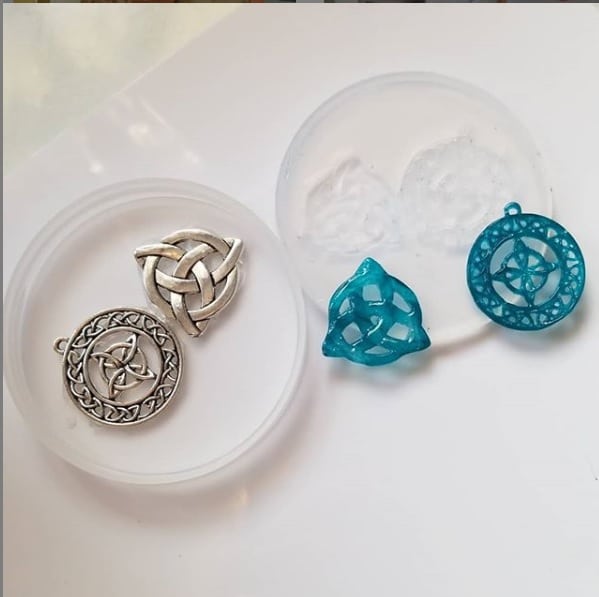
- "Pure Mould" – Translucent Liquid Silicone Rubber for Mould MakingPrice range: £23.95 through £166.95"Pure Mould" is a translucent liquid silicone rubber suitable for making moulds compatible with various materials including resins and plaster.
- "I–Gum" – Non-Toxic Silicone Putty for Mould MakingPrice range: £24.00 through £104.95"I–Gum" is a non-toxic silicone putty designed for making moulds and forms suitable for resin and similar materials.
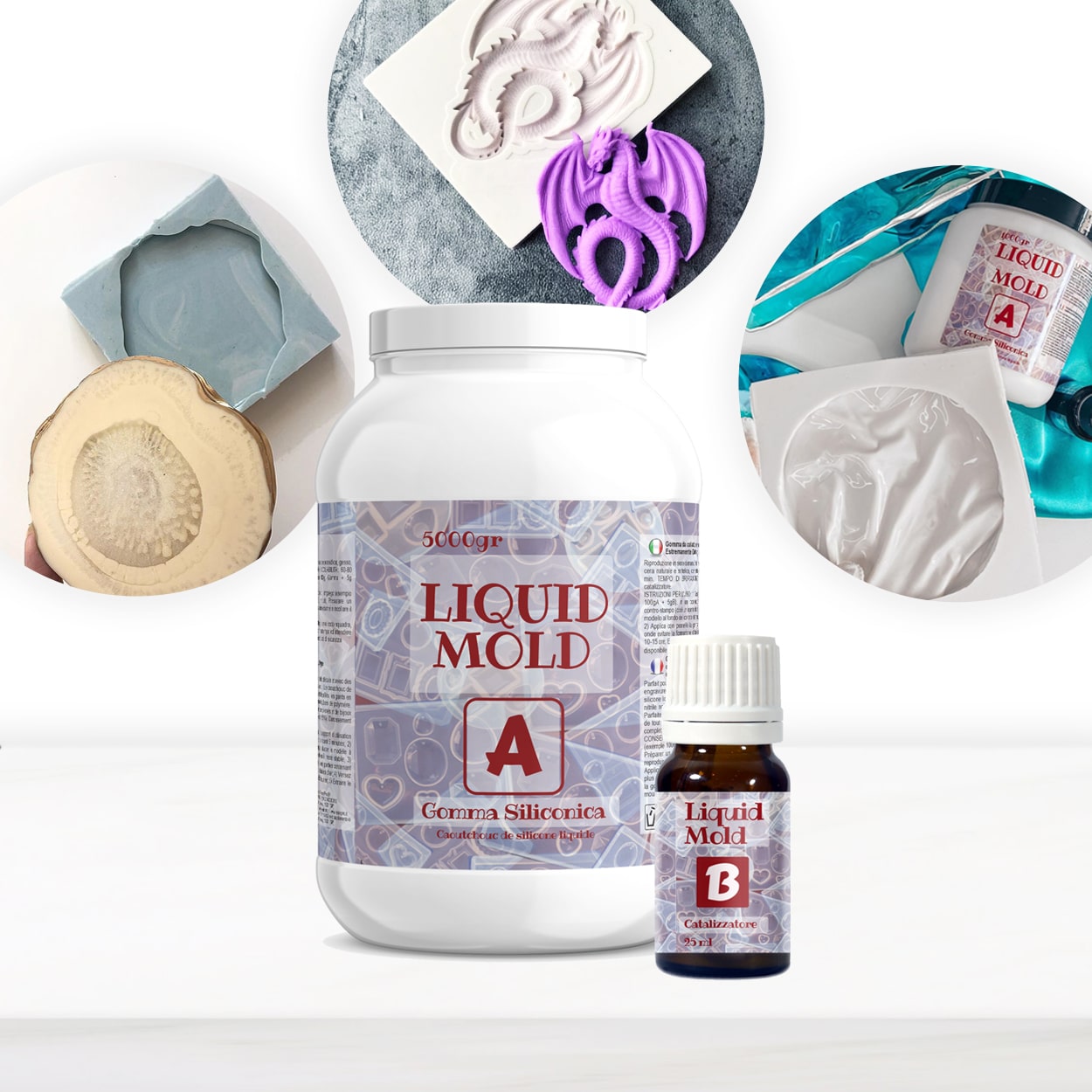 "Liquid Mould" – Casting Liquid Silicone Rubber, 5-40 Shores, Bi-Component A+BPrice range: £14.45 through £387.45"Liquid Mould" is a casting liquid silicone rubber suitable for making detailed moulds of small objects, used in hot wax and compatible with resin.
- "Liquid Mould" – Casting Liquid Silicone Rubber, 15 Shores 20.8 kg£348.85"Liquid Mould" is a casting liquid silicone rubber suitable for moulds with fine details, compatible with resin, soap and polymer pastes.
Frequently Asked Questions
Does silicone rubber dry by exposure to air or by mixing?
Silicone rubber cures by a chemical reaction after mixing two components, rather than drying through air exposure.
How long does putty versus liquid silicone take to cure?
Silicone putty generally cures within 20–40 minutes, while liquid silicone rubber can take 3–12 hours depending on the exact product.
How can you speed up silicone rubber drying?
Maintaining a warmer room temperature can gently speed up curing, but always follow manufacturer recommendations for optimal results.
Why hasn't my silicone rubber cured properly?
Incorrect mixing ratios, poor component mixing, or contamination can all result in incomplete curing of silicone rubber.
Can you remove silicone rubber moulds before they're fully cured?
Removing the mould too soon risks distortion, tearing, or shortened mould life. Always wait until it's fully cured.
Is a release agent always needed when working with silicone rubber?
Silicone putties like "I–Gum" usually do not need release agents, but liquid silicones may require them depending on the casting material.
Does the cure time differ between silicone types?
Yes, putty silicones typically cure more quickly than most liquid silicone rubbers designed for high-detail moulds.