 Free shipping on orders over £29,85
  Shipping Tracking!


 Google
 Facebook
How do you dilute liquid resin?
Achieve smoother resin flows and finer artistic effects with proper dilution

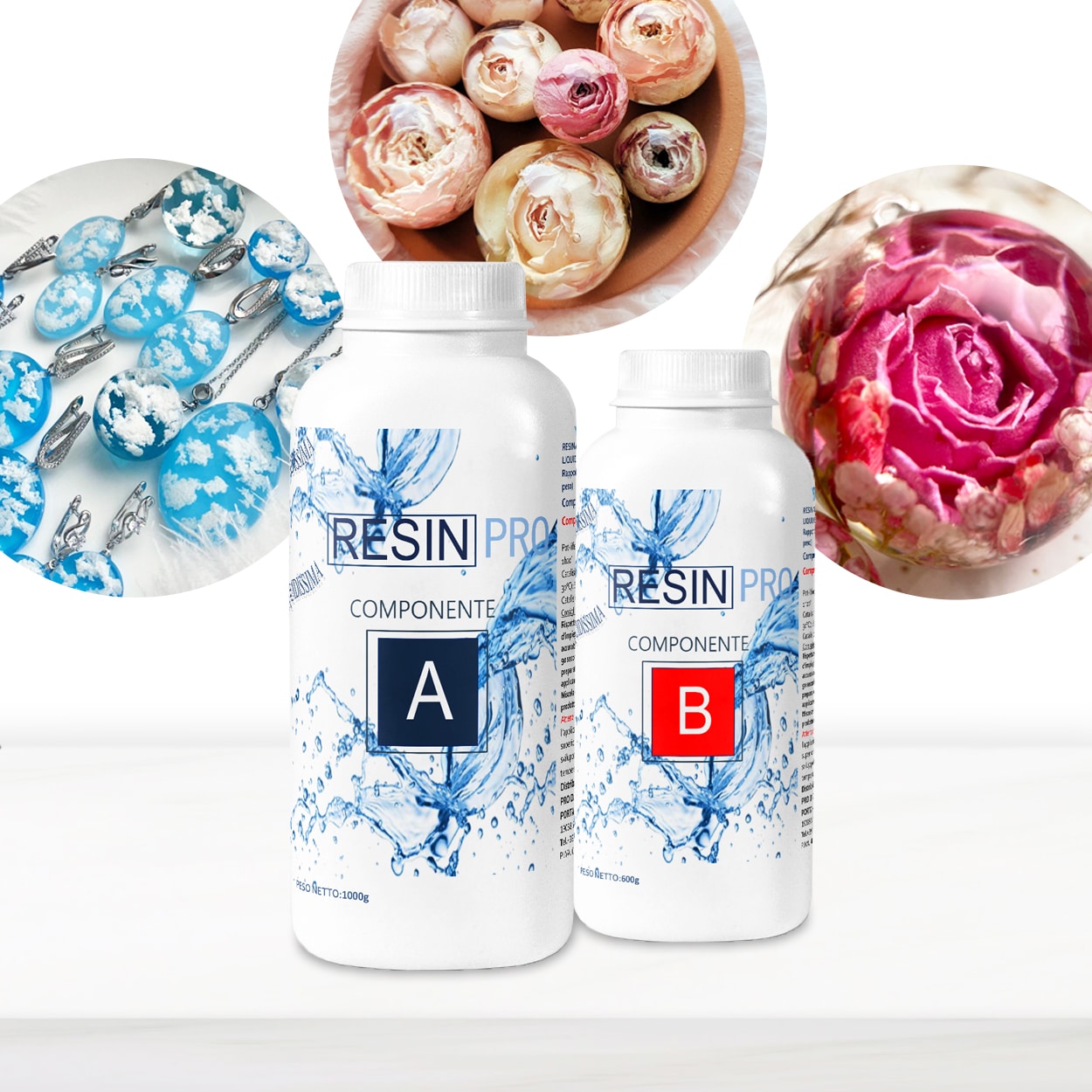
If you want flawless resin pours, unique Petri dish art, or perfectly detailed jewellery, mastering the dilution of liquid resin is crucial. This guide walks you through safe, effective techniques for thinning epoxy resin, maximising its flow, and achieving the artistic effects you want—whether you’re a hobbyist or experienced crafter.
What You’ll Need
- Pure Isopropyl Alcohol 99.9% – 1000ml Bottle for Epoxy Resin Projects & DIY – For thinning resin or alcohol inks in creative projects
- Petri Resin Art Starter Kit – Create Stunning Petri Effect Art at Home – Supplies and instructions for mastering Petri resin techniques
- “Liquidissima” – Epoxy Resin For Creations & Jewellery or “One-2-One” – Epoxy Resin for Handcraft, 1:1 Mixing Ratio – For your main resin base
- Disposable gloves, silicone mixing cups and sticks
- Protective covering for your workspace
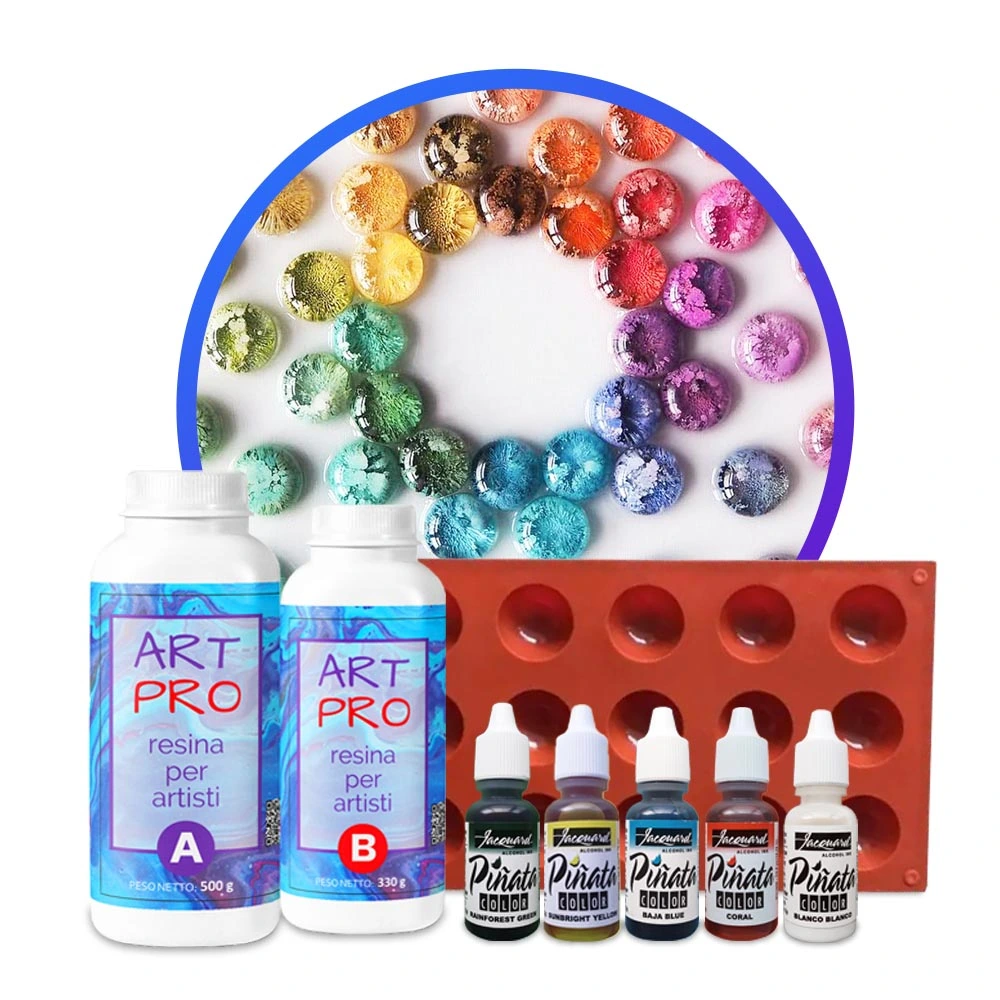
Why Use Isopropyl Alcohol for Resin Dilution?
Isopropyl alcohol is ideal for thinning alcohol inks and creating dynamic effects in resin art because it evaporates cleanly, leaving no residues that would affect the cured finish. It also helps remove bubbles without yellowing the resin or altering its clarity. Always use high-purity options for the best results in creative projects.
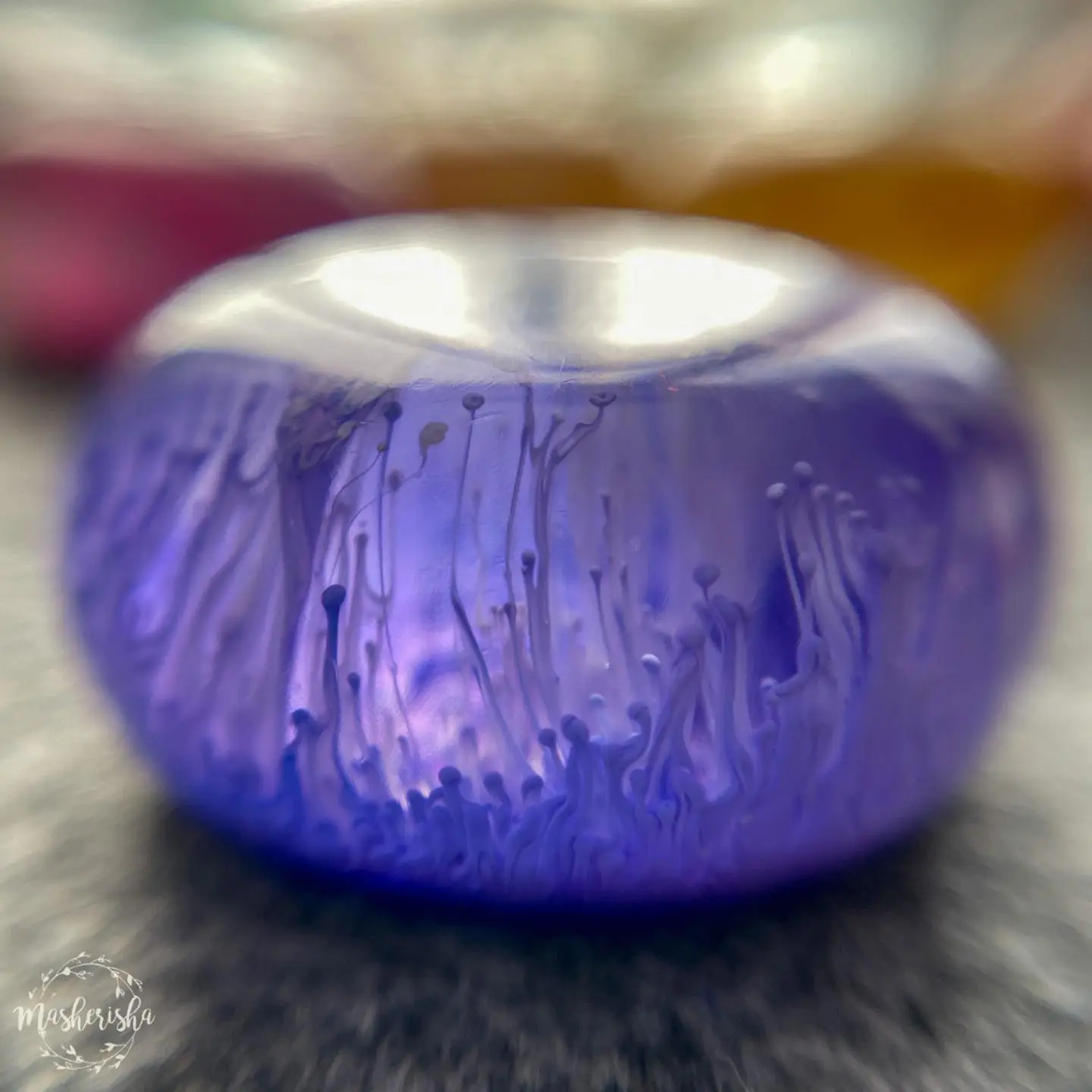
Step 1: Prepare Your Workspace and Materials
Work in a well-ventilated space and cover surfaces to protect from spills. Lay out all materials, choosing the resin best suited to your project—like “Liquidissima” – Epoxy Resin For Creations & Jewellery for intricate art pieces, or “One-2-One” – Epoxy Resin for Handcraft, 1:1 Mixing Ratio for easy mixing. Always put on gloves before you start to prevent skin irritation and keep tools nearby for smooth workflow.
Step 2: Accurately Measure and Mix Your Resin
Measure accurately according to your resin’s instructions—this is usually by weight, except for 1:1 by volume resins like “One-2-One”. Mix the two components together thoroughly but gently to minimise bubbles. It’s important to scrape the sides and bottom of your container to ensure all resin cures properly.
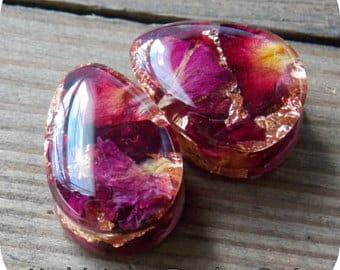
Step 3: Add Alcohol for Dilution or Artistic Effects
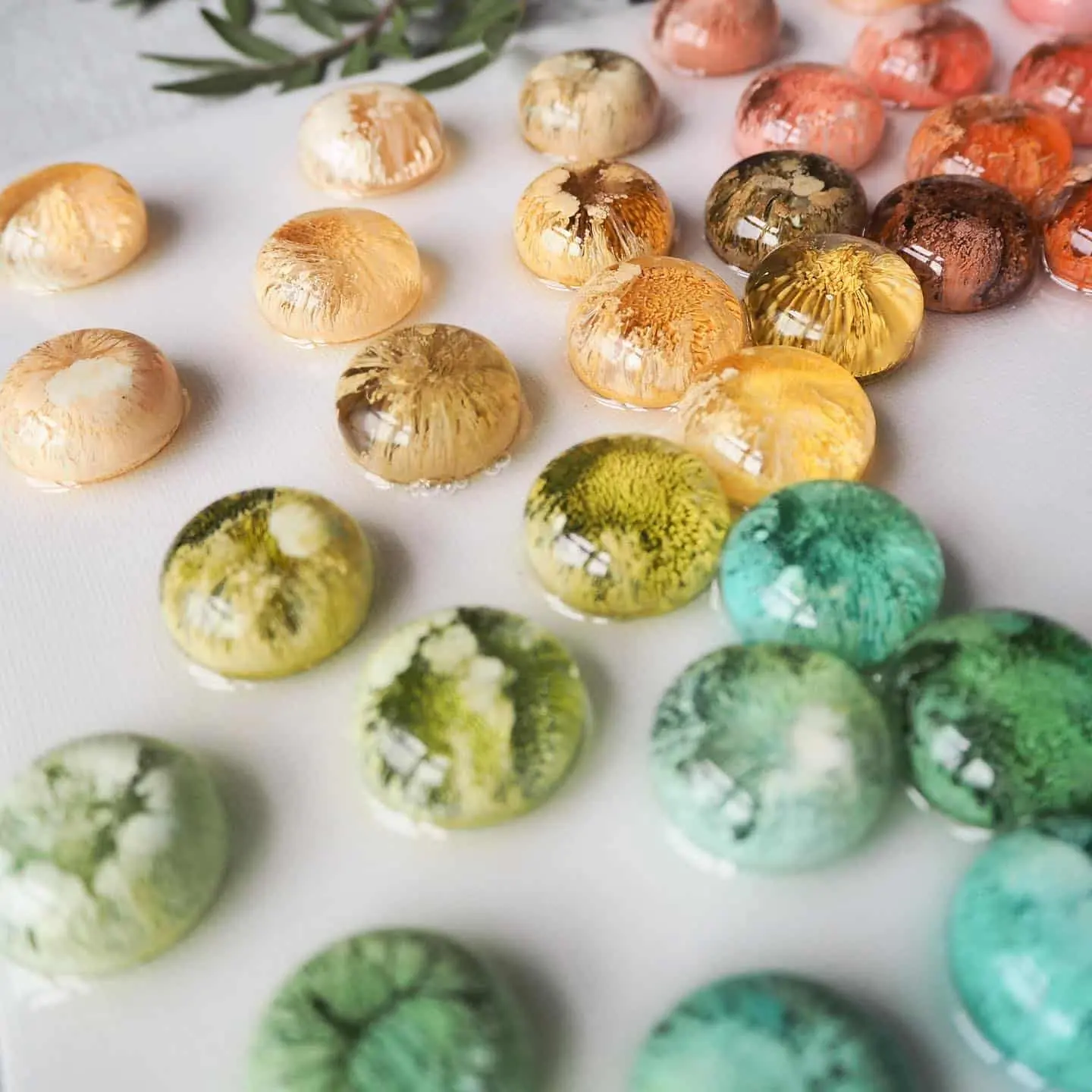
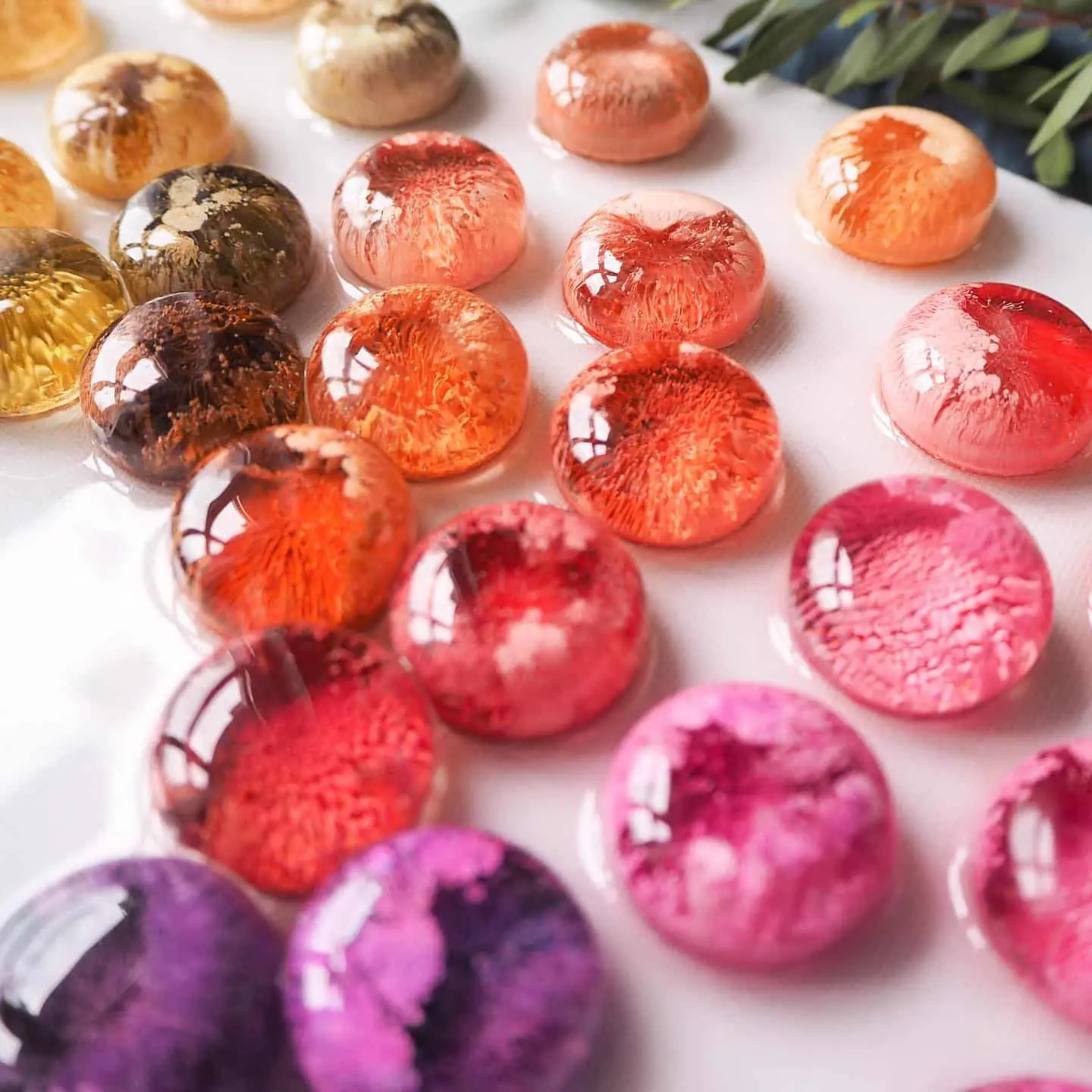
To dilute resin for special effects—especially when working with alcohol inks for Petri effects—add small amounts of Pure Isopropyl Alcohol 99.9%. For resin art, isopropyl alcohol is typically used to thin alcohol inks before dropping them into resin, not to alter resin chemistry. For example, with the Petri Resin Art Starter Kit, diluting the white ink with alcohol helps control the “blossom” or spread of the effect.
Never add more than a few drops at a time—a high solvent ratio risks destabilising the cure or causing cloudiness. Stir gently after introducing alcohol or diluted inks.
Step 4: Pour and Finish with Care
Mix thoroughly and patiently until your resin and any additives are completely combined. Pour slowly into moulds or over surfaces to reduce bubble formation. For artistic effects, drop your diluted inks into the wet resin and let patterns develop naturally. Avoid overworking or excessive stirring, which can cause unwanted blending or introduce air.
If you spot bubbles, use a fine spritz of isopropyl alcohol—but never use near heat or flames due to flammability. Allow the resin to settle and cure according to manufacturer guidelines, which ensures optimum clarity and finish.
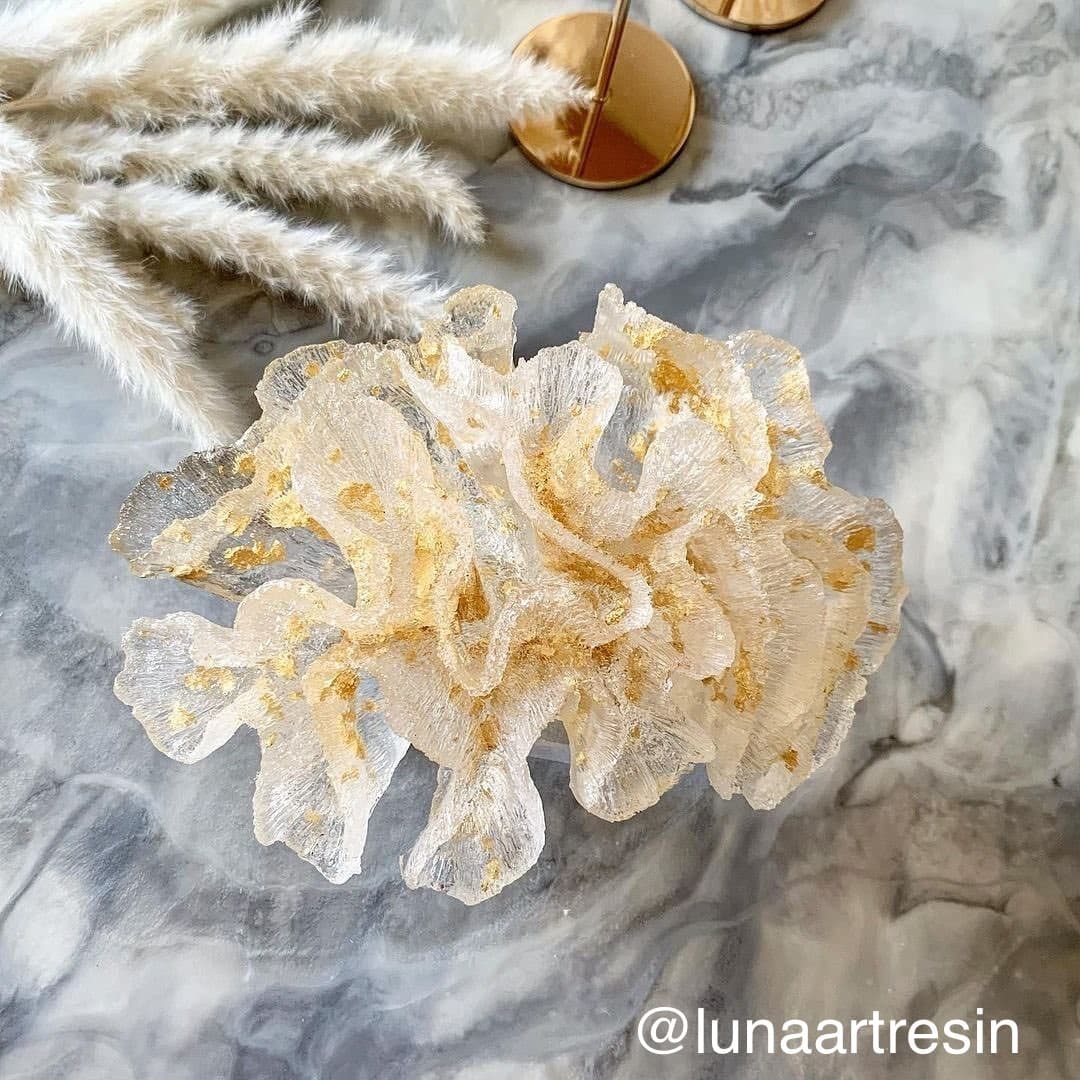
Tips, Common Mistakes, and Troubleshooting
- Avoid excessive dilution. Too much isopropyl alcohol can weaken the resin or create haze.
- When aiming for Petri effects, test different ink-to-alcohol ratios on scraps first—each drop dramatically affects patterning.
- Ensure all containers and tools are dry. Water contamination causes cloudiness or incomplete curing.
- Do not thin resin intended for structural use—these methods are best for decorative and artistic applications only.
- If you accidentally add too much solvent, allow extra curing time in a dust-free environment for the resin to set.
Key Safety Reminders When Using Alcohol with Resin
Isopropyl alcohol is highly flammable. Always keep containers away from open flames, heat tools, and direct sunlight. Work in a well-ventilated area and allow several minutes for the alcohol to evaporate from your artwork before applying any additional heat or moving to curing. Proper protection keeps both your creations and yourself safe.
- Pure Isopropyl Alcohol 99.9% – 1000ml Bottle for Epoxy Resin Projects & DIYPrice range: £10.45 through £20.95Pure Isopropyl Alcohol 99.9% is used in epoxy resin projects to remove bubbles and create effects, supporting the theme on diluting liquid resin.
- Petri Resin Art Starter Kit – Create Stunning Petri Effect Art at Home£55.85This kit is designed for creating decorative resin art with flowing colours and Petri effects using supplied inks and moulds.
- "Liquidissima" – Epoxy Resin For Creations & JewelleryPrice range: £12.85 through £31.85Liquidissima epoxy resin is designed for artists and creators seeking excellent transparency and flow in detailed moulds.
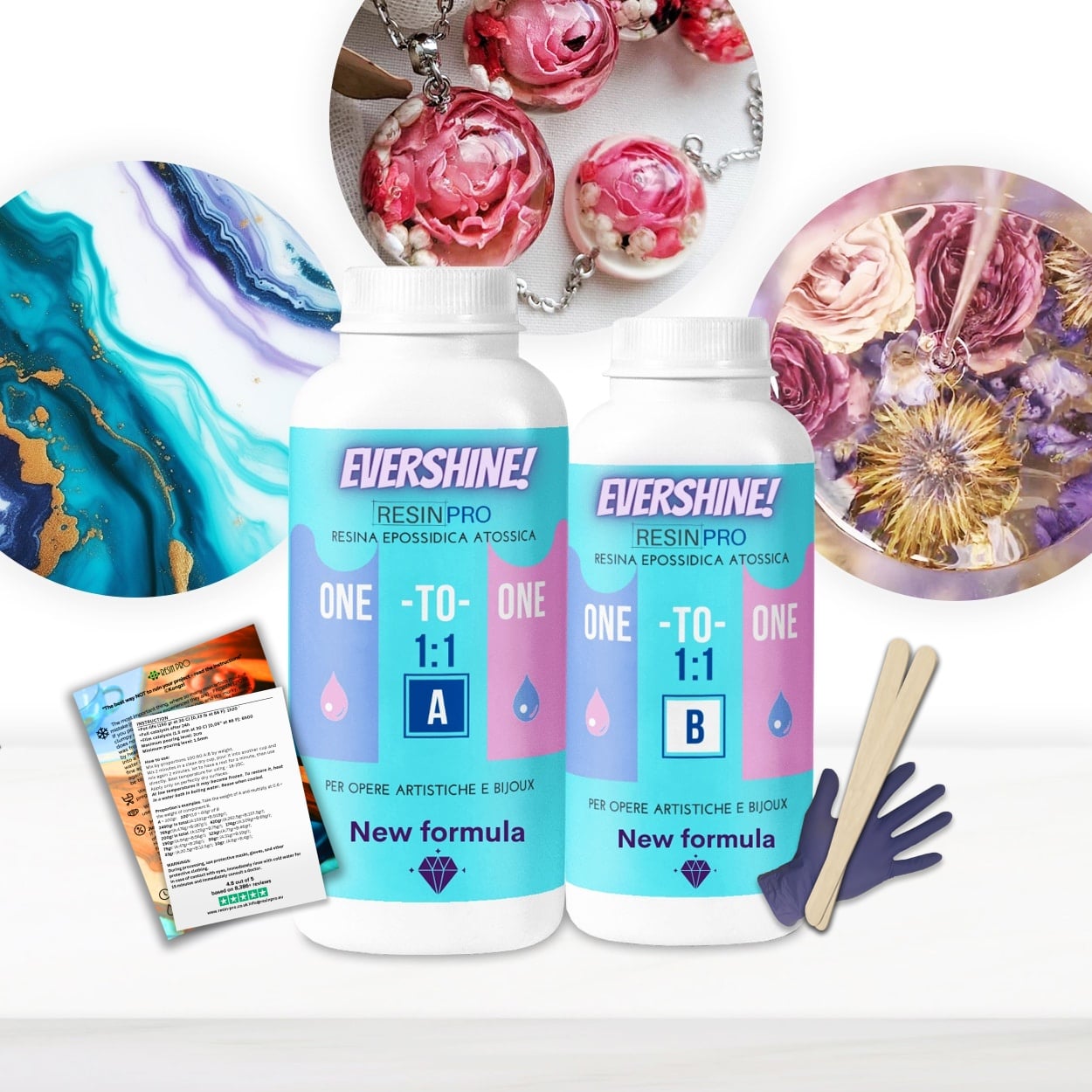 "One-2-One" – Epoxy Resin for Handcraft, 1:1 Mixing RatioPrice range: £15.95 through £59.95"One-2-One" epoxy resin is a medium viscosity resin with a simple 1:1 mixing ratio, suitable for various craft and decorative projects.
Frequently Asked Questions
Can I safely dilute epoxy resin with alcohol?
Alcohol should only be used to thin alcohol inks or for surface effects, not to dilute the main epoxy resin mix. Excess alcohol compromises resin strength.
How much alcohol should I add to resin inks?
Start with a few drops per ink colour. Test ratios before final pouring to prevent weakening or cloudiness in the resin.
Does alcohol affect resin curing or strength?
Yes, too much alcohol in the main mixture can inhibit curing or cause opacity. Use only for inks or surface treatment, not as a general thinner.
How can I prevent bubbles when diluting resin?
Mix slowly, pour gently, and use isopropyl alcohol to pop surface bubbles. Let resin rest before and after pouring.
Which resin types suit artistic dilution techniques?
"Liquidissima" and "One-2-One" resins are both formulated for art and jewellery, responding well to effects made with alcohol inks.
Can I dilute resin for structural projects?
No. Dilution methods are suitable only for decorative or artistic resin applications, not for projects bearing weight or exposed to harsh use.