 Free shipping on orders over £29,85
  Shipping Tracking!


 Google
 Facebook
How do you apply resin on stairs?
Transform staircases with a durable, scratch-resistant epoxy resin finish.

Applying resin to stairs offers both protection and a modern aesthetic upgrade, turning tired steps into striking, easy-to-clean features. Whether you’re updating timber, concrete, or tiled staircases, this guide walks you through a methodical approach to achieving a safe, seamless, and professional-quality resin finish that stands up to daily use.
What You’ll Need
- “Epoxyprimer” – Universal Water-Based Two-Component Epoxy Floor Primer: Prepares porous surfaces for resin application.
- “Trasparente” – Multipurpose Clear Epoxy Resin for Casting – Up to 2cm: Delivers a scratch-resistant, glossy topcoat.
- “EpoxyWood” – Wood Restoration Epoxy Resin for Deep Penetration and Waterproofing: Restores and waterproofs damaged or porous timber steps.
- Resin & Paint Application Rollers – Short-Pile, Large, and Sponge Types: Enables smooth, uniform resin coverage.
- Protective gloves, dust mask, mixing container, masking tape, and sandpaper.

Essentials to Start Your Resin Stair Project
Gather all your preparation and application tools before starting. Good planning ensures you have the right primer, resin system, rollers, and protective gear at hand. This minimises delays and leads to superior stair results for both beginners and seasoned DIYers.
Step 1: Prepare the Stair Surface
Ensure the stairs are dry, clean, and dust-free. Begin by sweeping away loose debris and dirt. Follow up with a vacuum and, if needed, a damp mop, ensuring the surface is thoroughly dry before proceeding.
For timber stairs, check for damaged or rotting spots. Sand the surface lightly to remove old finishes and to smooth rough edges. Repair cracks or holes so the resin forms a flawless bond.
Use a suitable primer if applying resin to porous surfaces like bare concrete or timber. Epoxyprimer is ideal for this purpose, delivering proper adhesion and durability for both new and previously uncoated stairs. Allow the primer to cure following the manufacturer’s guidelines, usually 24–48 hours.
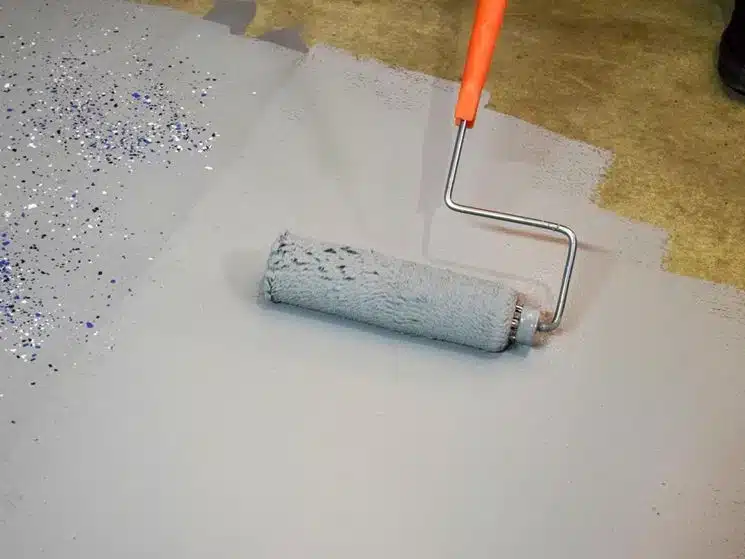
"Epoxyprimer" – Universal Water-Based Two-Component Epoxy Floor Primer
A universal water-based epoxy primer suitable for concrete, timber, tiles, and screeds to prepare floors for epoxy coatings.
Step 2: Restore and Protect Timber (If Needed)
If your stairs are wooden and show signs of wear, water damage, or softness, consider reinforcing them before applying a resin topcoat. Addressing these vulnerabilities ensures your finish remains robust and long-lasting.
Apply a penetrating resin such as EpoxyWood to deeply saturate, strengthen, and waterproof the wood fibres beneath the surface. This is especially important for exterior staircases or stairs subject to high foot traffic and moisture changes.
Let the restorative resin cure fully before progressing to your main epoxy resin coat.
Step 3: Mix and Apply the Epoxy Resin
Mix your resin carefully according to the manufacturer’s instructions. Always work with precise ratios and only as much resin as you can apply within its pot life to avoid premature curing or waste. Stir gently but thoroughly for several minutes until the blend is uniform.
Apply the resin evenly using a roller or brush. Use tools such as the Resin & Paint Application Rollers to distribute the material smoothly and consistently, reaching edges and corners. Start at the top of the stairs and work downwards to prevent trapping yourself.
Allow each resin layer to cure fully between coats. For deep colour or added durability, you may apply a second layer after the first has set according to product guidelines.
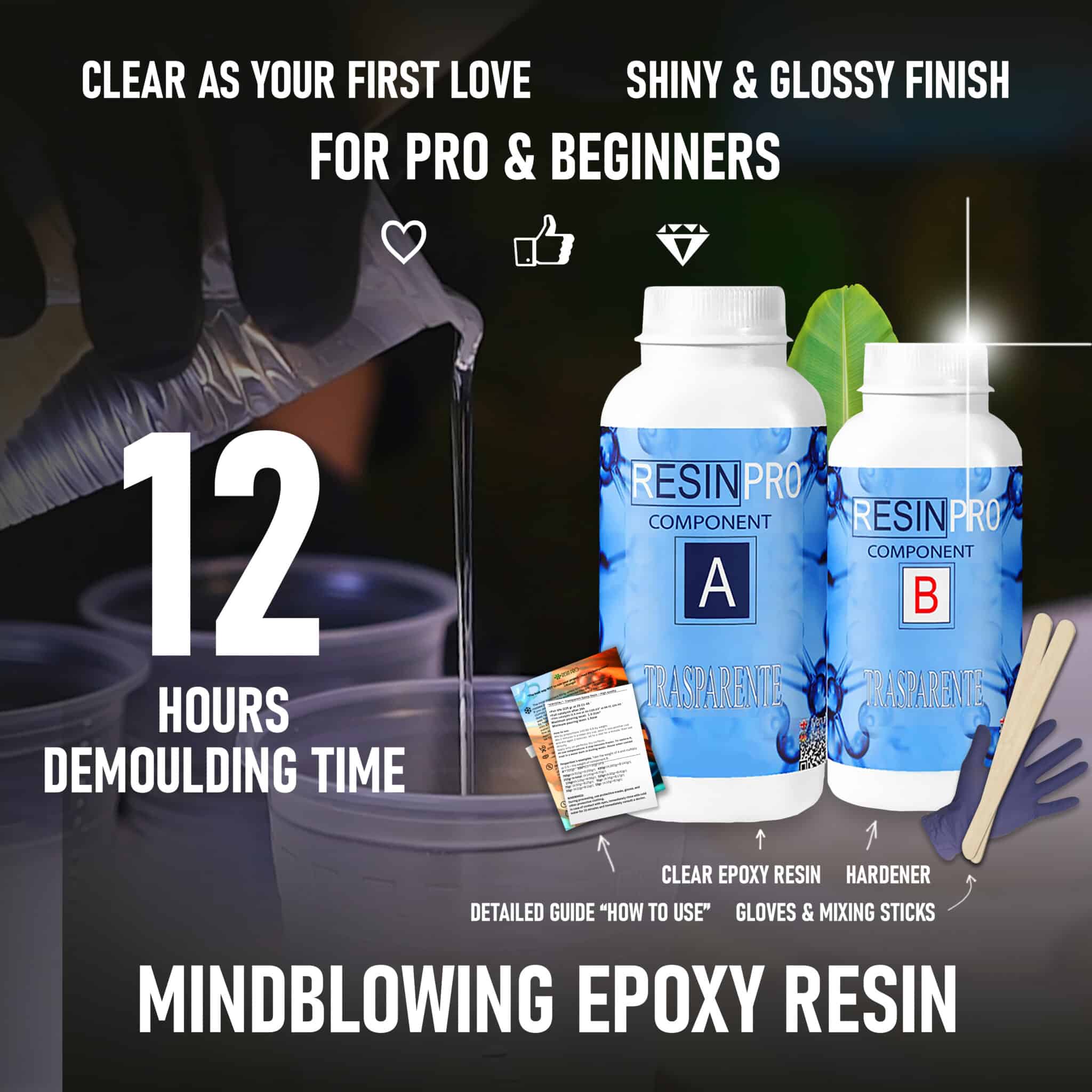
"Trasparente" – Multipurpose Clear Epoxy Resin for Casting – Up to 2cm
A multipurpose, crystal-clear casting resin designed for layers up to 2cm with integrated UV protection.

Step 4: Finishing Touches and Curing
Once the final resin layer is applied, protect the stairs from dust and foot traffic. Allow for the full recommended curing period—typically 24 to 72 hours depending on temperature and humidity—for a hard, glossy surface that’s ready for everyday use.
For added slip-resistance, you can add non-slip granules or lightly broadcast fine sand onto the wet resin layer if the staircase is in a high-traffic or damp environment.
Carefully remove any masking tape before the resin fully hardens to ensure crisp, clean lines at step edges.
Tips and Common Mistakes to Avoid
Work in a dust-free, well-ventilated environment. Dust contamination is a common cause of rough surfaces and blemishes in resin finishes. Always wear protective gloves and a dust mask for your safety.
Address unevenness immediately and avoid overworking the resin. Use a torch or heat gun for a few seconds to remove air bubbles if needed, but avoid excessive heat. Watch for runs or thick spots on risers and promptly smooth them out.
Avoid rushing between coats—proper curing time gives long-lasting results. If using primer or restorative products, never skip manufacturer-recommended wait times.

"Trasparente" – Multipurpose Clear Epoxy Resin for Casting – Up to 2cm
A multipurpose, crystal-clear casting resin designed for layers up to 2cm with integrated UV protection.
Expert Advice for Lasting Results
Always prioritise substrate preparation and patience in curing times. A little extra effort before each coat and between steps leads to a finished staircase that offers safety, durability, and lasting visual appeal.

- "Epoxyprimer" – Universal Water-Based Two-Component Epoxy Floor PrimerPrice range: £148.84 through £272.45"Epoxyprimer" is a water-based two-component epoxy primer designed for durable, versatile adhesion on various floor surfaces.
- "Trasparente" – Multipurpose Clear Epoxy Resin for Casting – Up to 2cmPrice range: £8.45 through £948.85"Trasparente" is a clear epoxy resin suitable for casting layers up to 2cm, offering a glossy finish for woodworking and art projects.
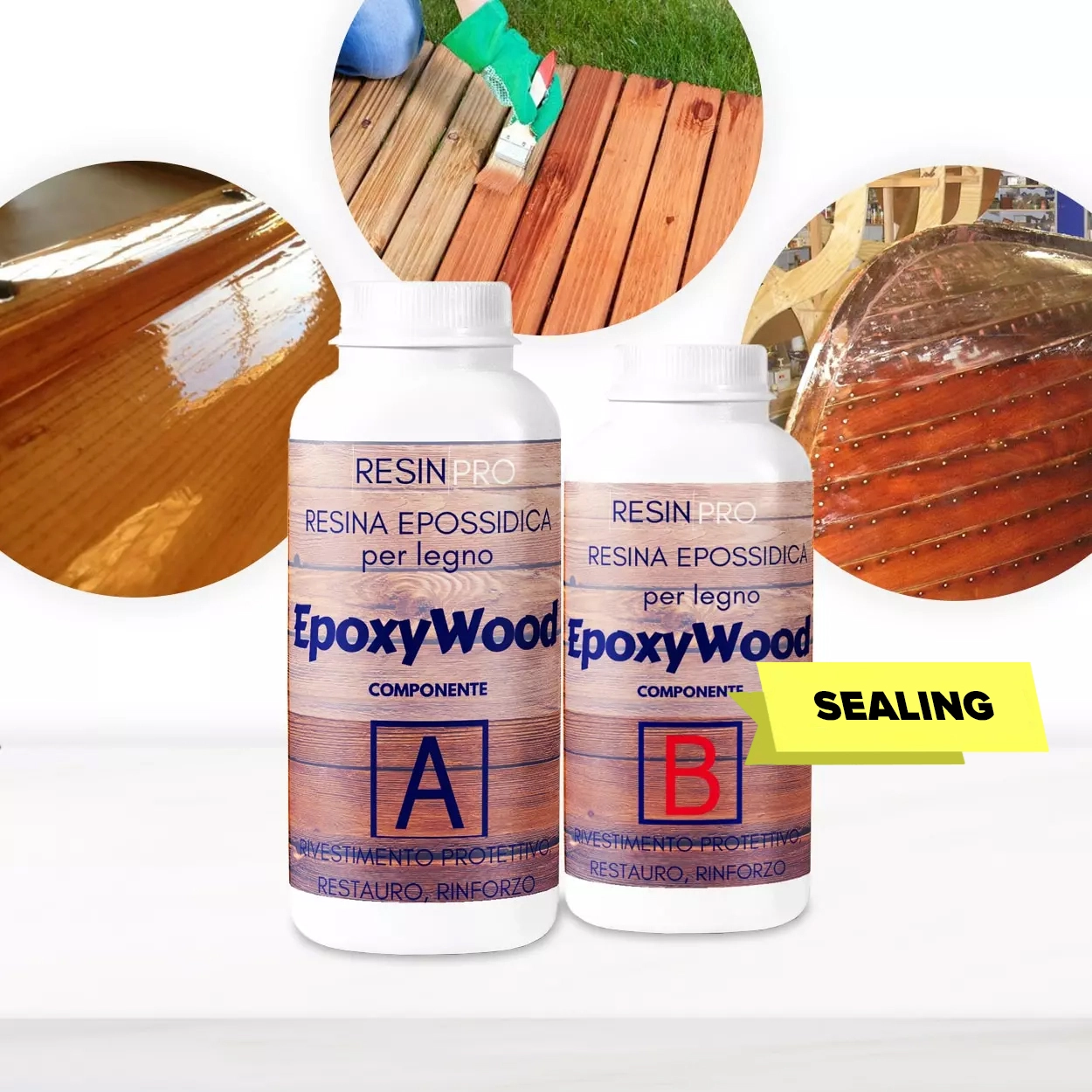 "EpoxyWood" – Wood Restoration Epoxy Resin for Deep Penetration and WaterproofingOriginal price was: £64.00.£39.85Current price is: £39.85."EpoxyWood" is designed for wood restoration with deep penetration and waterproofing, suitable for careful repair and protection in stair…
- Resin & Paint Application Rollers – Short-Pile, Large, and Sponge TypesPrice range: £3.45 through £4.85Rollers designed for epoxy resin application offer control and even coverage, suitable for detailed and large surfaces.
Frequently Asked Questions
Can I apply resin directly to unsealed wooden stairs?
It’s best to first treat the timber with a deep-penetrating epoxy such as EpoxyWood if the wood is damaged or very absorbent. This step reinforces and waterproofs the substrate, ensuring your resin topcoat adheres and protects effectively.
How long should I wait before walking on resin-coated stairs?
The initial cure allows light foot traffic within 24–48 hours, but full hardness and durability are usually achieved after 3–7 days, depending on ambient conditions and the specific resin system used.
What tools should I use for a smooth, even finish?
Short-pile rollers, sponge rollers, or quality brushes deliver the best results for covering treads and risers without leaving texture. Choose your roller size based on stair width and detail level.
How do I prevent slips on resin staircases?
Add non-slip granules into the resin or lightly sprinkle fine silica sand onto the wet surface if slip-resistance is needed. This creates a subtle texture without compromising aesthetics.
Can I repair scratches or damaged spots in the future?
Yes, sand the affected area lightly and clean it before applying a new layer of resin. For deep gouges, fill first with an appropriate epoxy, let it cure, then recoat for a uniform finish.
Is resin coating suitable for outdoor stairs?
Absolutely—properly applied resin with restorative, waterproofing products like EpoxyWood can defend against moisture and weathering. Ensure the substrate is fully dry before application.
Do I need to sand between resin coats?
If more than 24 hours elapse between coats, lightly sand and clean the surface before recoating. This ensures excellent intercoat adhesion for a seamless finish.