 Free shipping on orders over £29,85
  Shipping Tracking!


 Google
 Facebook
How do you apply resin to uneven tiles?
Create a smooth, long-lasting resin finish on tiled floors


Applying resin to uneven tiles can turn tired, damaged, or unsightly tiled floors into sleek, modern surfaces. This guide will walk you through every stage, ensuring a professional result with improved durability and stunning visual appeal. Whether dealing with old kitchen tiles or a bathroom surface, following the right process is key to preventing bumps, bubbles, and poor adhesion.
What You’ll Need
- “Epoxyprimer” – Universal Water-Based Two-Component Epoxy Floor Primer: A specialised primer to ensure a strong bond between tiles and resin.
- Resin & Paint Application Rollers – Short-Pile, Large, and Sponge Types: For precision and efficient spreading of resin and primers.
- Tooth Shaped Spatula for Epoxy Resin Application: To control the depth and uniform distribution of resin layers over textured substrates.
- Gas Heat Gun for Epoxy Resin – Precision Tool for Bubble Removal and Finishing: Helps eliminate air bubbles for a glass-like finish.
- Protective gloves, mask, and goggles
- Fine-grit sanding block
- Cleaning detergent and lint-free cloth

Prime and tool selection for uneven tiles
Choosing the proper primer and application tools is essential when working over uneven tiled surfaces. Using a dedicated tile primer boosts adhesion and prevents resin from delaminating. Select rollers or spatulas suited to the complexity of your project—a combination often works best for getting into corners and levelling broad areas. Premium epoxy primers offer the most reliable results for resin-over-tile applications.
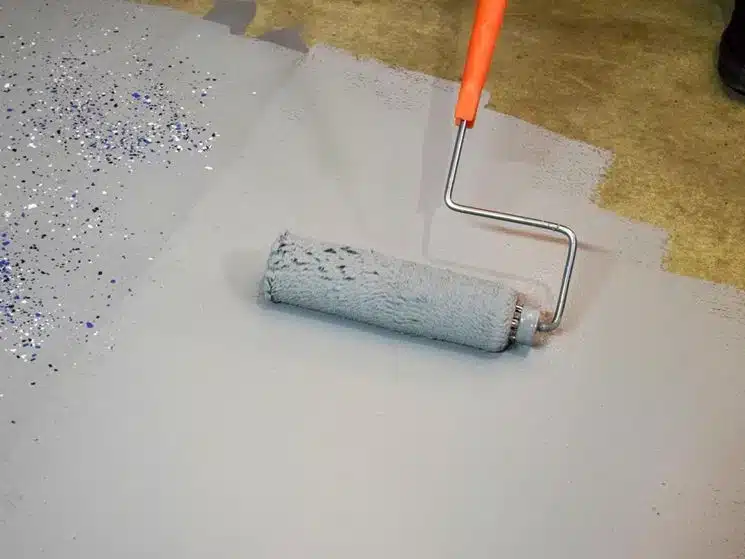
Step 1: Prepare the Tiled Surface
Begin by thoroughly cleaning the tiles to remove grease, dust, or residues. Scrub with a suitable detergent and rinse with clean water to ensure there are no lingering oils or soaps. Dry the area completely, as trapped moisture can affect resin adhesion. Inspect for loose or damaged tiles and repair or replace these as needed—resin will only adhere well to a stable, intact surface. Always check that tiles are securely fixed before applying resin.
Lightly abrade the tile surface using a fine-grit sanding block. This process will roughen the glaze and promote stronger bonding between tiles and primer. Remove all sanding dust using a lint-free cloth. Avoid skipping this step, as even imperceptible dust can compromise the end result.
Step 2: Prime for Maximum Adhesion
Applying a dedicated primer is crucial when working over glazed or uneven tiles. Use a high-quality epoxy primer like the “Epoxyprimer” – Universal Water-Based Two-Component Epoxy Floor Primer, which is formulated specifically for surfaces such as tiles, concrete, and screed. Mix the primer as instructed, then spread it evenly with a short-pile roller or brush, making sure all low spots and tile edges are coated. Apply primer evenly to increase resin adhesion.
If your tiles are particularly uneven, a second coat of primer may help fill slight depressions before the resin pour. Allow the primer to cure for at least 24 hours before proceeding. Skipping this waiting period can lead to poor bonding and failure of the resin coat.
Step 3: Apply Resin and Level Unevenness
Once the primed surface is fully dry, it is time to mix your chosen epoxy resin according to the manufacturer’s instructions. Begin pouring the resin systematically, ideally starting at one corner of the space. Using a notched spatula such as the Tooth Shaped Spatula for Epoxy Resin Application, spread the resin evenly across the surface. The notches help control the depth and ensure resin fills lower areas created by grout lines and tile ridges.
Depending on how uneven the floor is, you may need to pour resin in multiple thin layers rather than a single thick coat. This controls run-off and reduces the chance of trapped air. Work in sections to avoid uneven coverage. Allow each layer to settle briefly; the self-levelling properties of most quality resins will help smooth minor imperfections.

Step 4: Remove Bubbles and Achieve a Smooth Finish
Bubbles can easily become trapped, particularly over varying tile heights. For a perfect finish, gently pass a heat gun, such as the Gas Heat Gun for Epoxy Resin – Precision Tool for Bubble Removal and Finishing, close over the surface in sweeping motions. Focus on freshly poured areas for best effect, being careful not to overheat or scorch the resin.
This process should be repeated on each new layer to maintain overall clarity and consistency. Use a heat gun carefully to reduce bubbles.

Step 5: Allow to Cure and Review the Results
Once you have finished all coats, protect the area from dust and foot traffic. Curing times vary between products but allow at least 24-48 hours for a full set. Avoid moving furniture or placing objects on the surface until completely cured. Allow each coat to cure fully before walking on the floor.
Inspect your finished surface for any imperfections. Small flaws can sometimes be corrected with a very light sanding and a final, thin resin topcoat.
Tips and Common Mistakes with Resin Over Tiles
Patience is central to success—rushing the process can lead to lumpy, weak, or poorly bonded results. Mistakes often stem from insufficient cleaning, not allowing layers to cure fully, or using too much resin at once. Always mix resin thoroughly to reduce the chance of sticky patches, and beware of working in conditions that are too cold, which will slow curing and increase air entrapment. If unsure, test a small, inconspicuous area before tackling the whole floor.
Maintaining a flawless finish
Surface protection is critical post-application. During curing, keep the area free from dust, debris, and accidental contact. If minor flaws occur, use a gentle sanding and re-coat if needed. For optimal longevity on floors, consider applying a slip-resistant clear topcoat as a final layer, especially in wet or high-traffic areas.

- "Epoxyprimer" – Universal Water-Based Two-Component Epoxy Floor PrimerPrice range: £148.84 through £272.45"Epoxyprimer" is a water-based two-component epoxy floor primer designed for reliable adhesion on various surfaces in resin flooring projects.
- Resin & Paint Application Rollers – Short-Pile, Large, and Sponge TypesPrice range: £3.45 through £4.85Rollers designed for epoxy resin applications provide precise and uniform coverage for professional and DIY resin surfaces.
- Tooth Shaped Spatula for Epoxy Resin Application£3.15The Tooth Shaped Spatula is designed for precise and even epoxy resin application on varied surfaces.
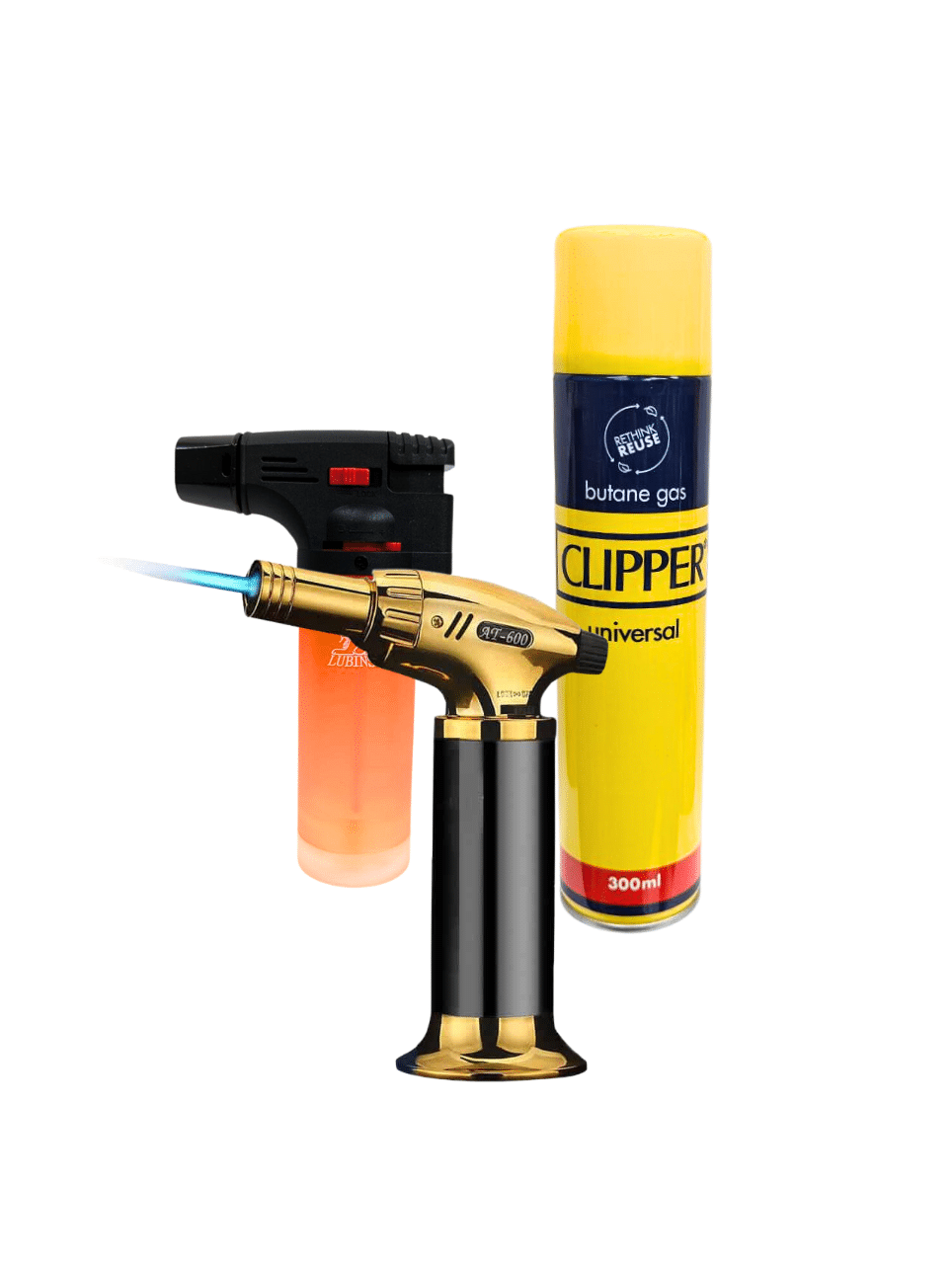 Gas Heat Gun for Epoxy Resin – Precision Tool for Bubble Removal and FinishingPrice range: £4.15 through £13.85The Gas Heat Gun offers precision heating to reduce bubbles and improve resin application for crafts, supporting the theme on applying resin to…
Frequently Asked Questions
Do I really need to use a primer before applying resin to tile floors?
Yes, primer is essential for creating a strong bond and preventing the resin from peeling or lifting over time.
Will the resin alone level out uneven tiled floors?
While resin helps smooth minor undulations, severe unevenness should be corrected before application for the best finish.
How long should I leave resin to cure after applying it to tiles?
It generally takes 24 to 48 hours for most epoxy resins to fully cure on tiled surfaces.
What tools should I use to apply resin evenly over uneven tiles?
A notched spatula and application rollers help distribute resin smoothly, especially over tiles with significant grout lines.
How can I prevent bubbles forming when applying resin to tiles?
Use a heat gun immediately after pouring to release surface bubbles and reduce imperfections.
Should I apply several layers of resin on uneven tiles?
Multiple thin layers give better results, especially on surfaces with pronounced height differences.