 Free shipping on orders over £29,85
  Shipping Tracking!


 Google
 Facebook
How do you dilute Mapelastic with resin?
Enhancing Mapelastic with resin can improve flexibility, adhesion, or modify final properties for advanced construction or decorative applications. This guide is designed for professionals and serious DIYers looking to combine Mapelastic with a compatible epoxy or binder, ensuring consistent and effective results for waterproofing layers, flexible toppings, or creative finishes.
Stepwise method to combine Mapelastic and resin safely

What You’ll Need
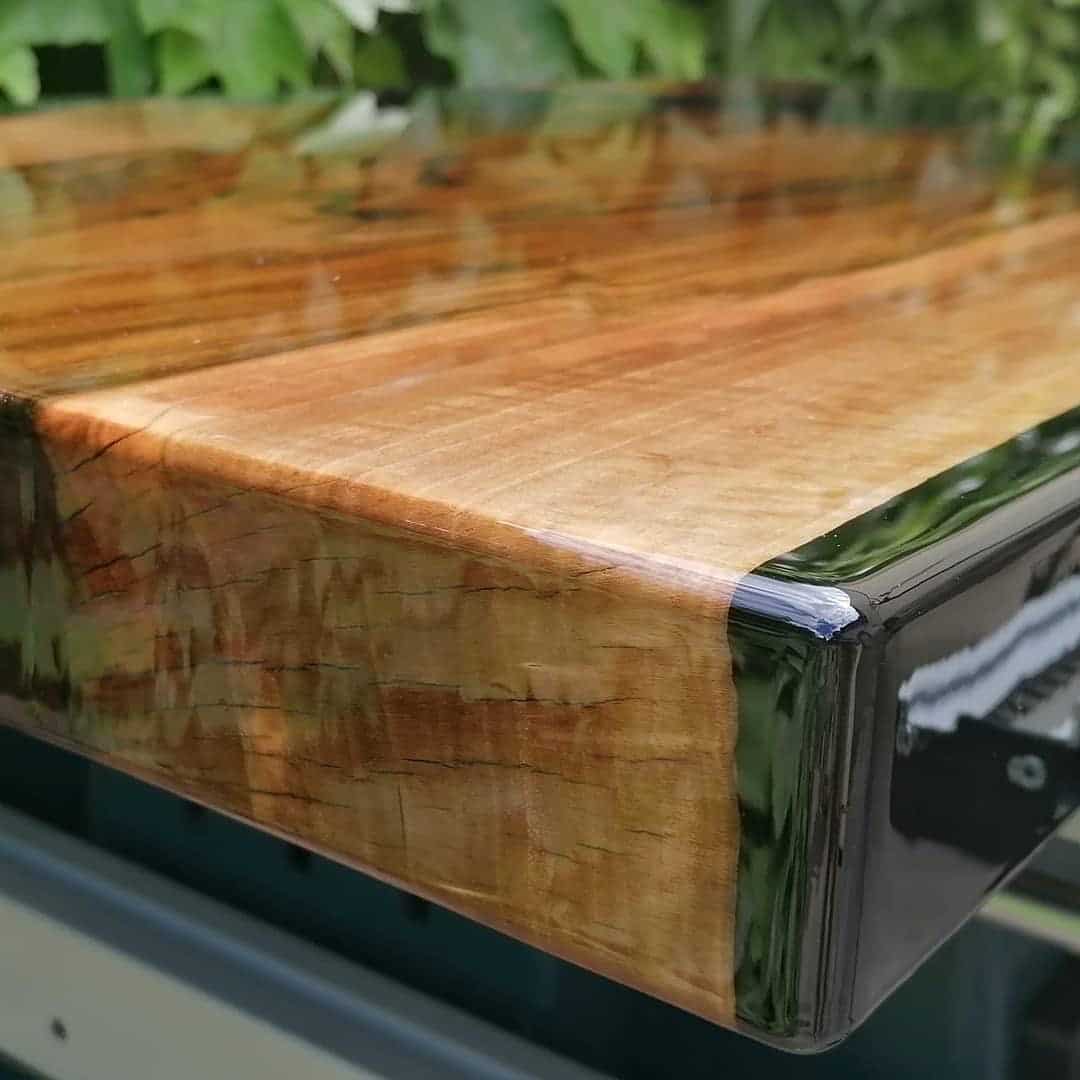
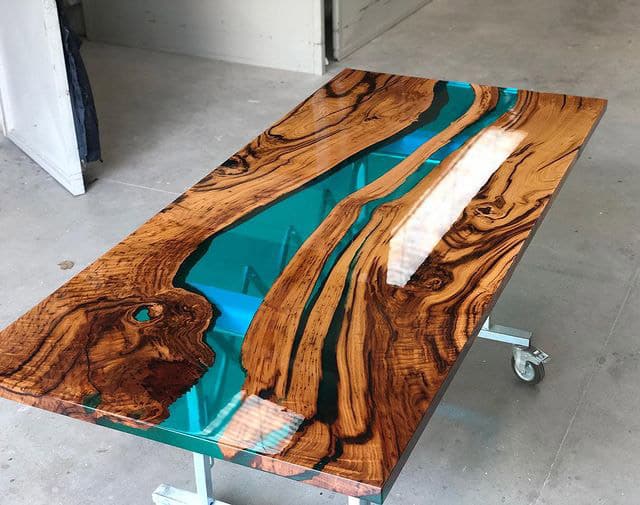
- “Epoxytable 10-Ten” – Deep Pour Epoxy Resin for Tables, Up to 10cm Casting: Epoxy resin for mixing into Mapelastic in structural or thick applications where deep casting is needed.
- “Trasparente” – Epoxy Binder for Coloured Pebbles and Grits: Epoxy binder, ideal for outdoor or aggregate applications requiring a thinner dilution.
- Mapelastic (cementitious waterproofing compound)
- Clean plastic bucket or mixing container
- Protective gloves, mask, and goggles
- Measuring jug or digital scale
- High-torque mixing drill or sturdy spatula
Large-scale dilutions should be mixed using a drill with a paddle attachment to ensure even consistency, especially when blending viscous epoxies with Mapelastic. Mix at a moderate speed to prevent air entrapment and always scrape the container sides for uniform blending.
Best Practice for Mixing Large Batches
Step 1: Measure the Mapelastic and Resin Accurately
Careful measurement is critical for repeatable results when diluting Mapelastic with an epoxy resin. Begin by reviewing the technical datasheets for both Mapelastic and the chosen resin or binder. Typically, Mapelastic is supplied as a two-component system; make sure to mix the powder and liquid (if applicable) as per the instructions before introducing the resin. Using a digital scale or graduated jug, weigh or measure both Mapelastic and resin. Over- or under-dosing resin can compromise the flexibility or adhesion of the finished mix.
Always follow manufacturer’s ratios—do not guess, and avoid altering proportions beyond recommended modifications.
Step 2: Pre-Mix Each Component Separately
For best performance, pre-mix the Mapelastic thoroughly until lump-free, and if using a two-part epoxy, mix the resin and hardener together in the correct ratio specified for your product (such as 2:1 or 1:1, depending on resin type). Thorough mixing ensures proper dispersion and reaction of all ingredients during the combination phase. This step is important for achieving uniform characteristics in the finished layer.
For outdoor or flooring purposes, a resin like “Trasparente” – Epoxy Binder for Coloured Pebbles and Grits can help maintain clarity and flexibility, especially with decorative or aggregate systems.
Step 3: Combine Resin and Mapelastic Gradually
While stirring continually, add the mixed epoxy resin to the Mapelastic base in a slow, steady stream. Gradual addition prevents localised lumps or incomplete integration. Use a high-torque mixing drill for larger batches or a robust spatula for small jobs. Blend until the product appears uniform in colour and texture—this may take several minutes depending on the batch size and viscosity.
Mix thoroughly for a homogenous blend to maximise the modified compound’s adhesion and flexibility on application.
Step 4: Apply and Finish the Modified Mapelastic
Use the diluted Mapelastic-resin blend promptly after mixing, as pot life may be reduced compared to either component alone. Apply with a trowel, spatula, or roller, depending on substrate and intended use. Aim for an even coat and avoid revisiting areas that are beginning to set, as this can impair the membrane. Clean all tools with suitable solvents before the resin cures.
Add resin gradually to avoid lumps and ensure a smooth, consistent texture throughout the working area.

Tips and Common Mistakes
Always conduct a small test batch to confirm compatibility and working times before full application. Avoid over-diluting, which can weaken or alter the performance of Mapelastic. Wear appropriate PPE throughout, as dust from Mapelastic and fumes from resin mixing can be hazardous. Incorrect measuring or rushed mixing often leads to poor curing or peeling—all ratios and instructions should be double-checked.
Use suitable tools for accurate measuring and mixing to avoid introducing air or affecting final performance.
Before applying the mixture to your final surface, trial the diluted Mapelastic-resin blend on a small test area. This helps check bonding, curing, and texture, reducing costly mistakes on critical surfaces.Testing on Small Areas First

- “Epoxytable 10-Ten” – Deep Pour Epoxy Resin for Tables, Up to 10cm CastingPrice range: £33.85 through £334.85“Epoxytable 10-Ten” is an epoxy resin designed for deep casting up to 10cm, suitable for tables and large artistic projects.
- "One-2-One" – Epoxy Resin for Handcraft, 1:1 Mixing RatioPrice range: £14.85 through £56.85"One-2-One" epoxy resin is a medium viscosity product with an easy 1:1 mixing ratio, suitable for jewellery and decorative projects.
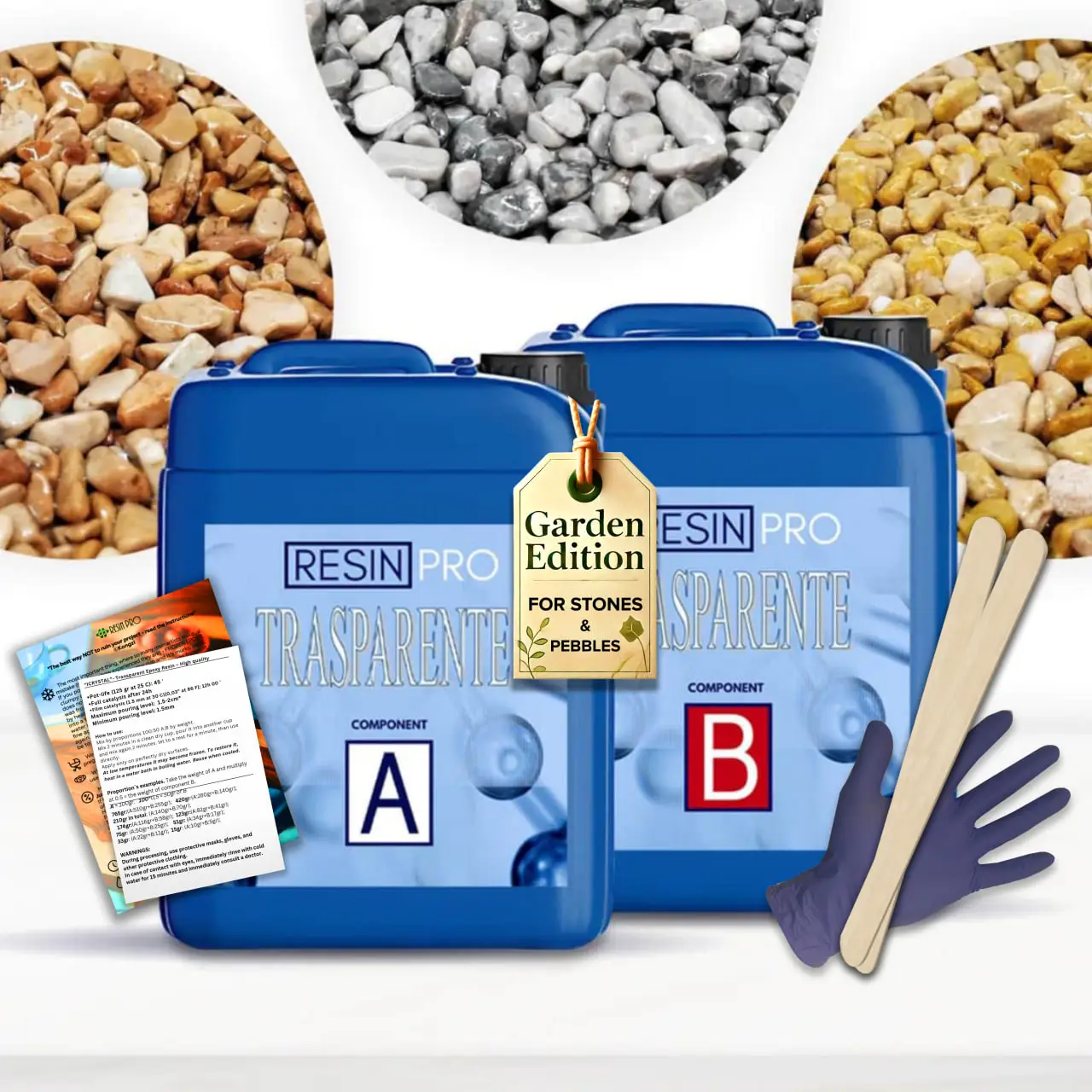 "Trasparente" – Epoxy Binder for Coloured Pebbles and GritsPrice range: £31.85 through £948.85"Trasparente" epoxy binder is designed for coloured pebbles and grits, offering a clear, UV-resistant finish suited to varied outdoor flooring.
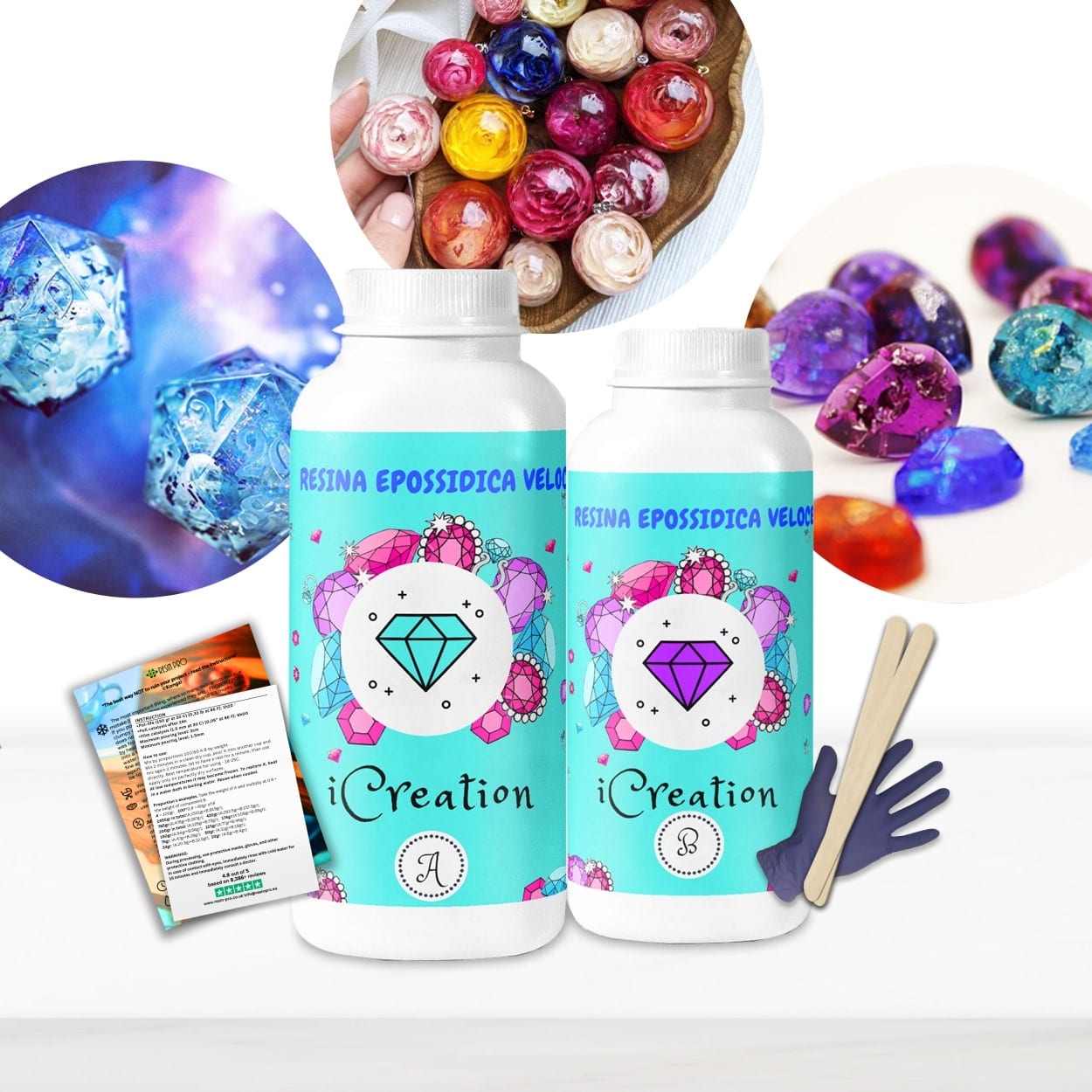 "ICreation" – Fast Epoxy Resin, 6h Demoulding, Transparent Gloss FinishPrice range: £19.40 through £52.85"ICreation" fast epoxy resin offers a transparent, glossy finish with a 6-hour demoulding time for craft projects in your chosen theme.
The correct ratio depends on manufacturer guides or project requirements. Always consult technical sheets for compatible proportions. Not all resins are suitable. Use products specified for compatibility with cementitious compounds or consult technical support. Inconsistent mixing can cause weak spots, improper curing, or loss of waterproofing and flexibility. Wear gloves, goggles, and a mask. Work in a ventilated area and avoid inhaling dust or fumes. Pot life can be affected by resin addition; typically, use the mixture immediately as curing may accelerate. Yes, with the correct binder and preparation, the mix is suitable for exterior use like terraces or walkways.Frequently Asked Questions
What is the ideal ratio for Mapelastic and resin?
Can any epoxy resin be mixed with Mapelastic?
What issues arise if the mix is not homogeneous?
What safety precautions should I follow when mixing?
How long do I have to use the mix after combining?
Can diluted Mapelastic-resin mixes be used outdoors?