 Free shipping on orders over £29,85
  Shipping Tracking!


 Google
 Facebook
How do you make a resin log?
A step-by-step guide for stunning resin and wood creations

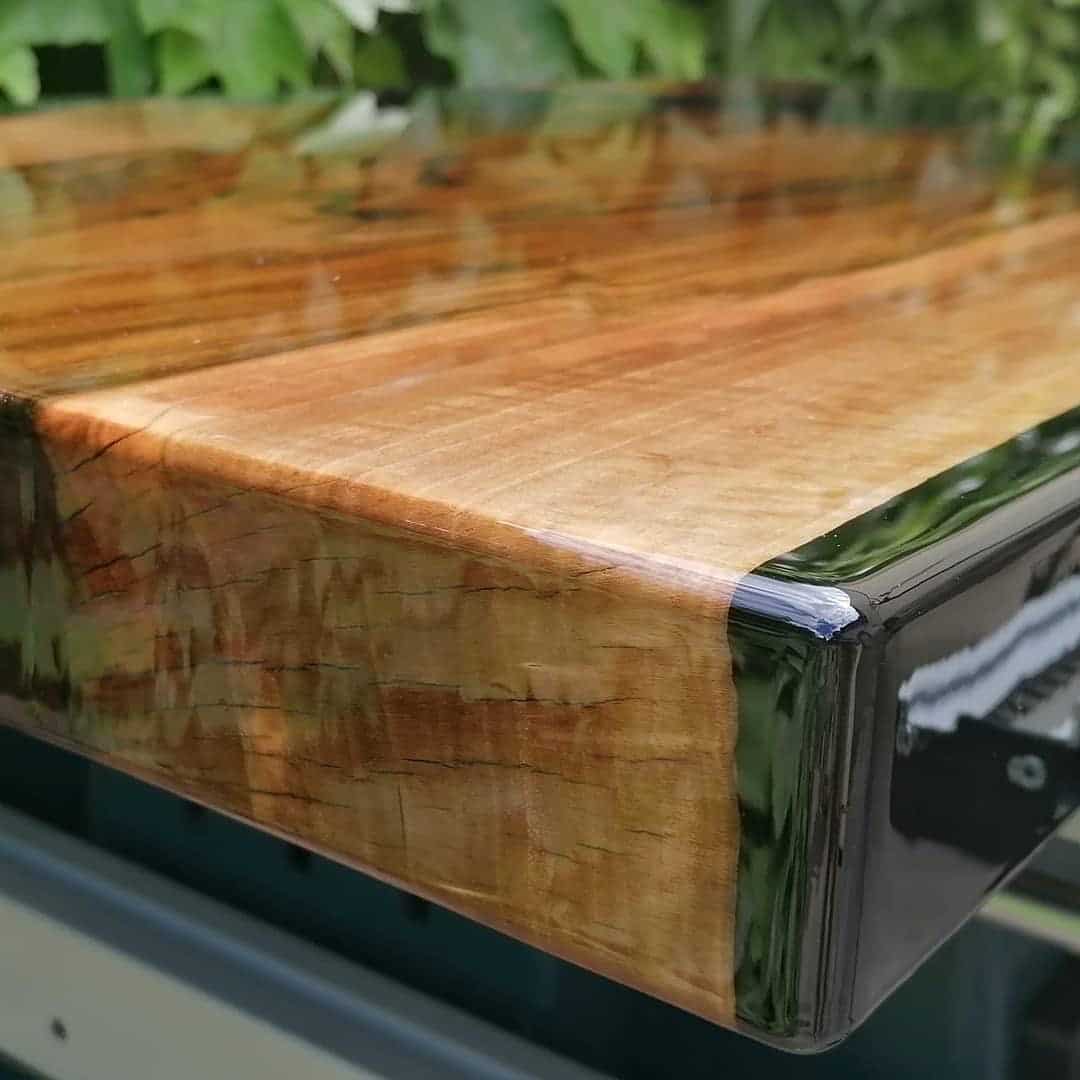
Crafting a resin log combines woodworking with creativity, allowing you to showcase natural wood surrounded or embedded in crystal-clear epoxy for unique furniture, décor, or statement art pieces. This guide sets out every stage in the process, from preparation to finishing, ensuring reliable results for both beginners and seasoned craftspeople alike.
What You’ll Need
- “Epoxytable 10-Ten” – Deep Pour Epoxy Resin for Tables, Up to 10cm Casting – for logs requiring particularly deep, bubble-free pours
- “EpoxyTable 5-Five” – Deep Pour Epoxy Resin for Tables and Large Projects – Up to 5cm – suitable for logs up to 5cm thick or layering
- “River-Table” – Complete Kit for Creating Your First Epoxy Resin Table – ideal for first-time makers, includes starters, pigments, and accessories
- “Art Pro Deluxe” – Ultra-High Viscosity Epoxy Resin for Artists – for detail work or if you need a viscous, self-levelling top finish
- Solid, dry wood log
- Wood sealant or primer
- Mould materials (melamine board, silicone, or HDPE)
- Clamps and mixing containers
- Release spray or tape
- Personal protective equipment (PPE: gloves, goggles, mask)
- Sandpaper and polishing kit

Visualising the Resin Log Project
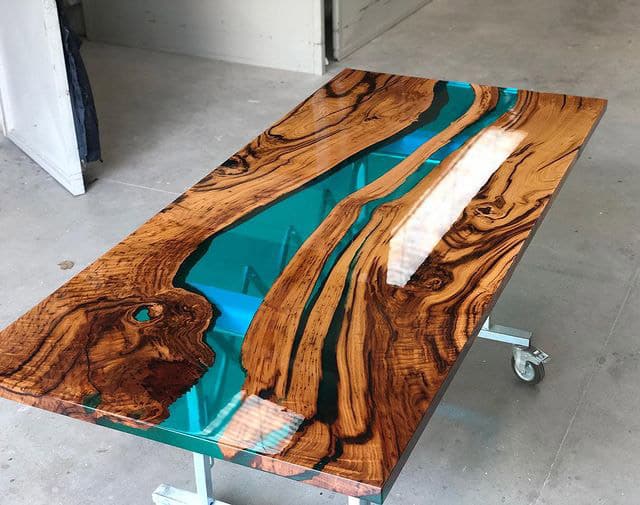
Browse inspiring resin log creations to understand how wood and deep-pour epoxy interact in finished projects. See how clarity, depth, and natural grain can be accentuated by using the right materials and techniques.
Step 1: Prepare the Wood and Workspace
Choose a thoroughly dried wooden log free of moisture, mould, or bark. Use a moisture metre if possible; high moisture can cause bubbles or defects in the resin. Remove dirt, loose bark, and cut the log to your desired dimensions. Sand any sharp edges and fill visible cracks with suitable fillers or epoxy if necessary. Work in a well-ventilated area and wear appropriate PPE to avoid exposure to epoxy fumes and dust.
Cleaning the wood is crucial—dust and oil residue can prevent resin adhesion and cause cloudy spots. Wipe surfaces with isopropyl alcohol and dry thoroughly before proceeding.
Step 2: Seal the Wood and Construct the Mould
Seal the exposed wood with diluted epoxy or a dedicated wood primer. This prevents trapped air within the grain from releasing bubbles into the main casting. Seal the wood thoroughly before pouring resin, usually in one or two thin coats, allowing each coat to dry completely.
Create a leakproof mould using melamine board, silicone, or high-density polyethylene (HDPE). Secure all joints with silicone sealant and consider a release agent or tape for easy removal. Ensure the mould is level, and clamp it rigidly—liquid resin will find even the smallest gap.
Step 3: Mix and Pour the Epoxy Resin
Read your chosen epoxy instructions carefully for ratios and pot life. Measure and mix your epoxy precisely to avoid sticky or soft patches. Start by pouring the resin and hardener into a clean mixing jug, then stir gently—too vigorous mixing creates bubbles. Allow mixed epoxy to stand for 2–3 minutes so bubbles can rise.
Depending on your required depth, choose a suitable resin: For single pours up to 10cm, “Epoxytable 10-Ten” – Deep Pour Epoxy Resin for Tables, Up to 10cm Casting provides excellent clarity and minimal exotherm. For shallower pours or layered projects, “EpoxyTable 5-Five” – Deep Pour Epoxy Resin for Tables and Large Projects – Up to 5cm is highly effective.
Pour in controlled layers for deep logs: If your log or mould is particularly large, consider pouring in several stages, letting each layer cure 6–8 hours before proceeding. This avoids excessive heat build-up and keeps your finish crystal clear. Pop surface bubbles with a heat gun after each pour, taking care not to overheat the resin or wood.

Step 4: Demould and Finish Your Resin Log
Allow adequate curing time between each layer and do not unmould until the resin is fully set and rigid throughout (usually 24–72 hours, depending on temperature and depth). Gently loosen the edges and use soft tools to avoid scratching the resin surface.
Sand the cured log, starting with coarse grit and progressing to fine grades for a perfectly smooth finish. Polish with dedicated kits or use the finishing system included in the “River-Table” – Complete Kit for Creating Your First Epoxy Resin Table for outstanding gloss. For additional artistic touches or to sharpen edges, an ultra-high viscosity resin like “Art Pro Deluxe” – Ultra-High Viscosity Epoxy Resin for Artists can be applied as a top glossy layer.

Tips, Common Mistakes, and Troubleshooting
Plan your pours based on the maximum depth recommended for your resin, and ensure you monitor temperatures—excess heat can cause cracks or yellowing. Use only dry wood to avoid foggy results. If bubbles occur, pass a heat gun lightly over the surface rather than poking, which may leave marks. Always demould gently to prevent chipping, and don’t rush the sanding process. For beginners, starting with a kit such as the “River-Table” – Complete Kit for Creating Your First Epoxy Resin Table reduces risk and ensures all materials are compatible.
Remember, patience and accuracy yield the best results in resin log making. Each step sets the foundation for a seamless, glass-like finish that highlights the natural beauty of wood.
Finishing Touches and Display Ideas
After sanding and polishing, consider creative display solutions such as mounting hardware, LED inlays, or clear stands to highlight your resin log as a centrepiece or functional artwork.

- “Epoxytable 10-Ten” – Deep Pour Epoxy Resin for Tables, Up to 10cm CastingPrice range: £33.85 through £334.85“Epoxytable 10-Ten” is designed for deep casting applications such as tables with a maximum thickness of 10cm in the theme How do you make a resin…
- "EpoxyTable 5-Five" – Deep Pour Epoxy Resin for Tables and Large Projects – Up to 5cmPrice range: £16.85 through £1,099.85"EpoxyTable 5-Five" is designed for deep pour use on tables and large projects, suitable for castings up to 5cm with a non-yellowing finish.
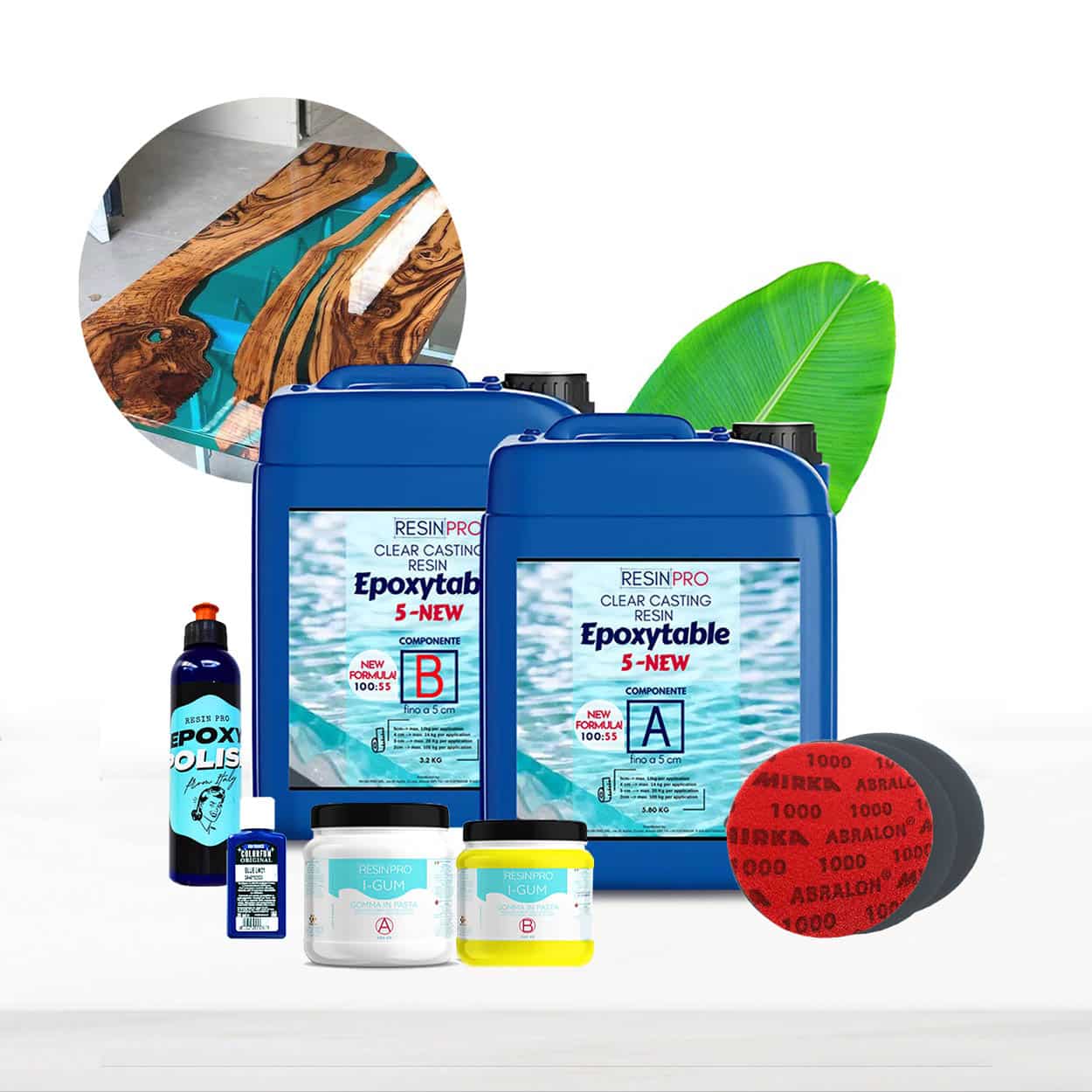 "River-Table" – Complete Kit for Creating Your First Epoxy Resin TablePrice range: £188.85 through £444.85Kit providing materials and instructions for creating a wood and resin table as part of the theme 'How do you make a resin log?'.
 "Art Pro Deluxe" – Ultra-High Viscosity Epoxy Resin for ArtistsPrice range: £33.85 through £287.85"Art Pro Deluxe" is an ultra-high viscosity epoxy resin suitable for artists needing precise line control and a glossy, scratch-resistant finish.
Frequently Asked Questions
Which epoxy resin is best for deep pour resin logs?
For deep pours up to 10cm in a single layer, use a product formulated specifically for deep casting such as Epoxytable 10-Ten.
How do I prevent bubbles forming in my resin log?
Seal wood before casting, mix gently, pour slowly, and use a heat gun to eliminate bubbles for a clear result.
Is making a resin log suitable for beginners?
Yes, especially with beginner kits that provide clear instructions and compatible materials for each stage.
How long does it take for a resin log to cure?
Full curing typically takes from 24 to 72 hours depending on the resin depth, type, and ambient temperature.
What is the best way to demould a resin log?
Wait until fully cured, use a release agent in your mould, and gently remove the log without forcing it.
How can I achieve a smooth and glossy finish on my resin log?
Start with coarse grit sanding and progress to fine, polish with a dedicated kit for a flawless glassy result.