 Free shipping on orders over £29,85
  Shipping Tracking!


 Google
 Facebook
How do you make self-levelling resin?
Achieving a perfectly smooth, high-gloss finish with self-levelling resin can elevate any craft or furniture piece, from artwork and jewellery to tabletops and decorative coatings. This guide is for anyone keen to master the correct application method for self-levelling epoxy resin, whether you are a total beginner or a seasoned DIY enthusiast.
Step-by-step guide to flawless, even resin finishes
What You’ll Need
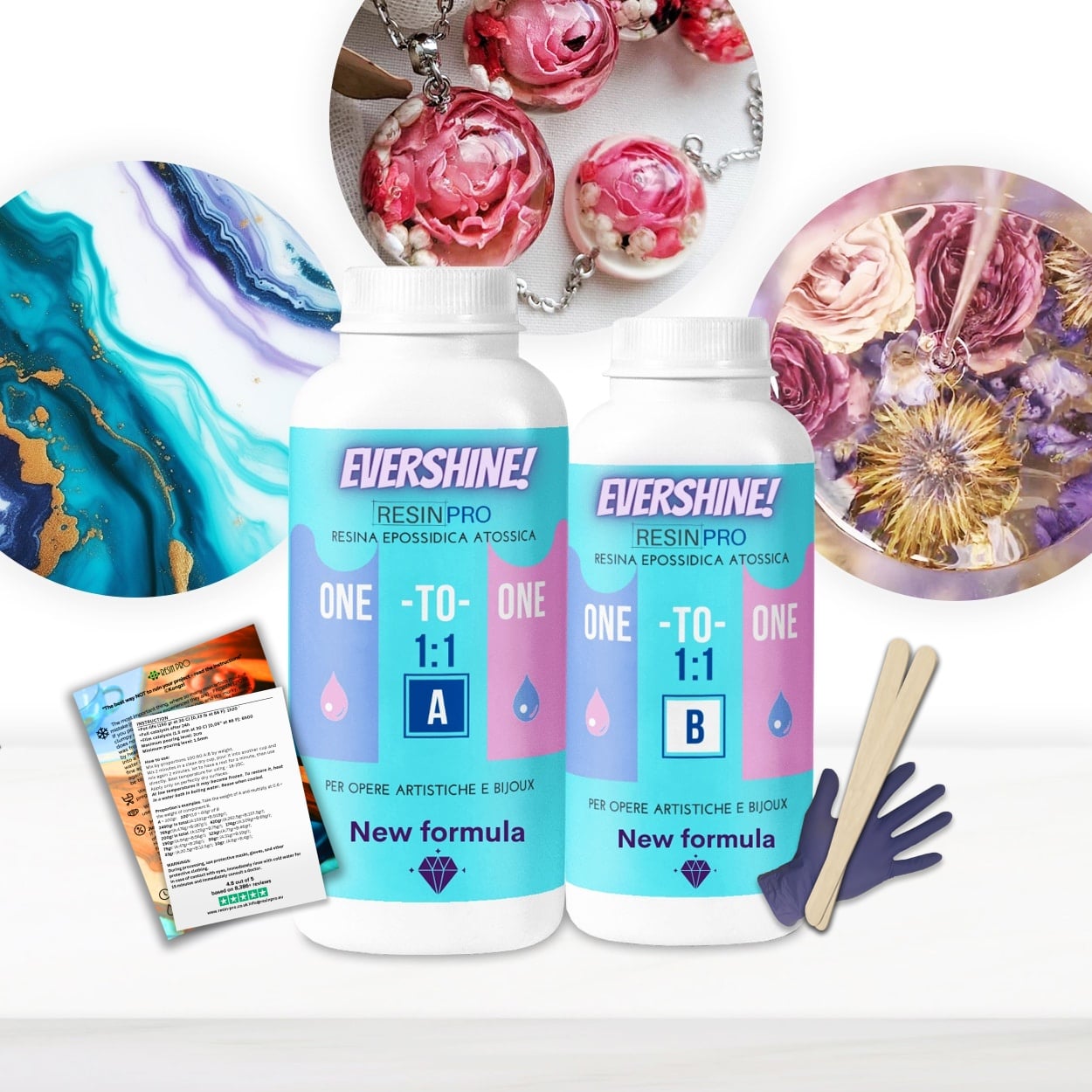
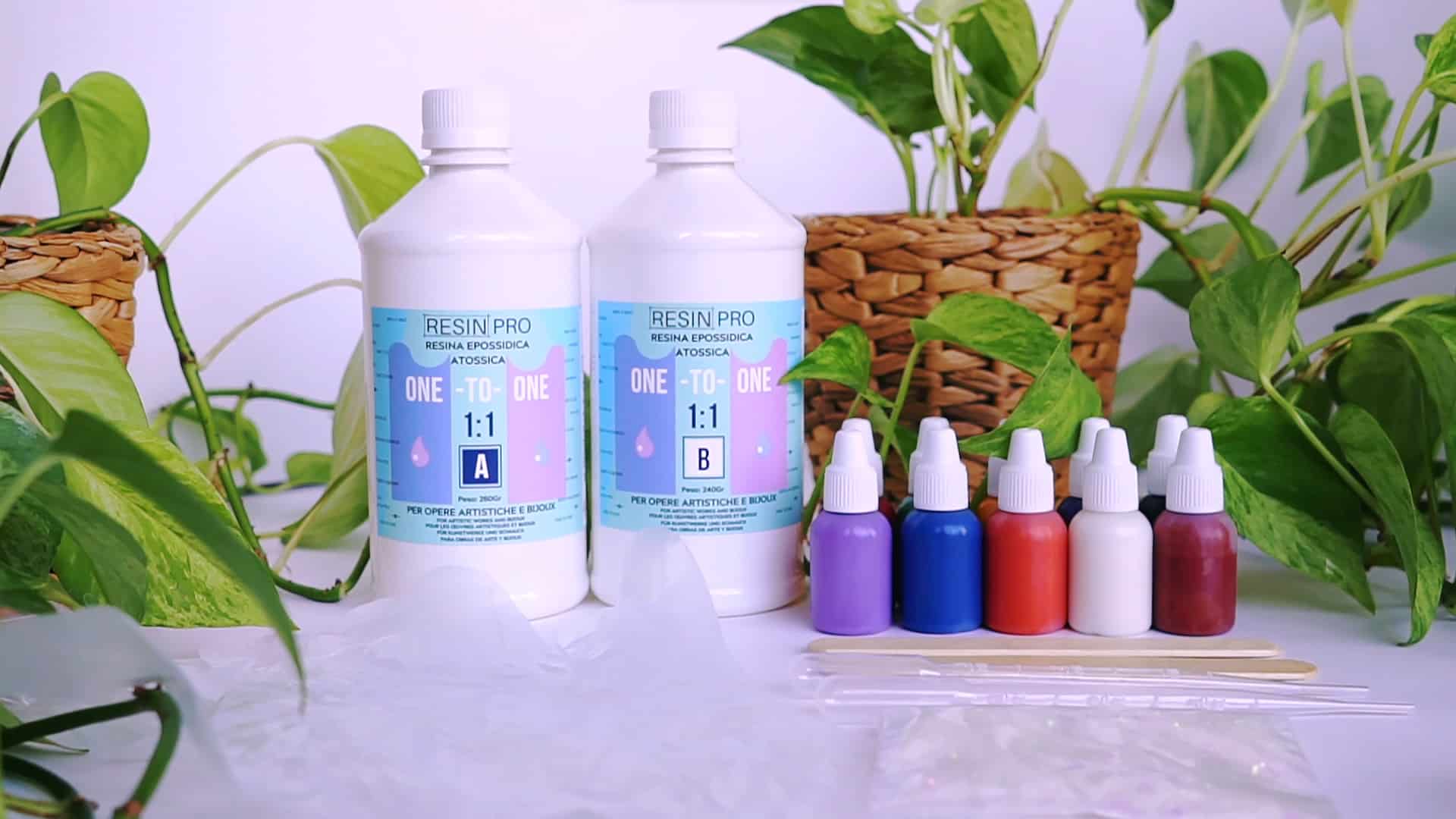
- “One-2-One” – Epoxy Resin for Handcraft, 1:1 Mixing Ratio – Ideal for crafters and decorative projects requiring manageable handling and easy mixing.
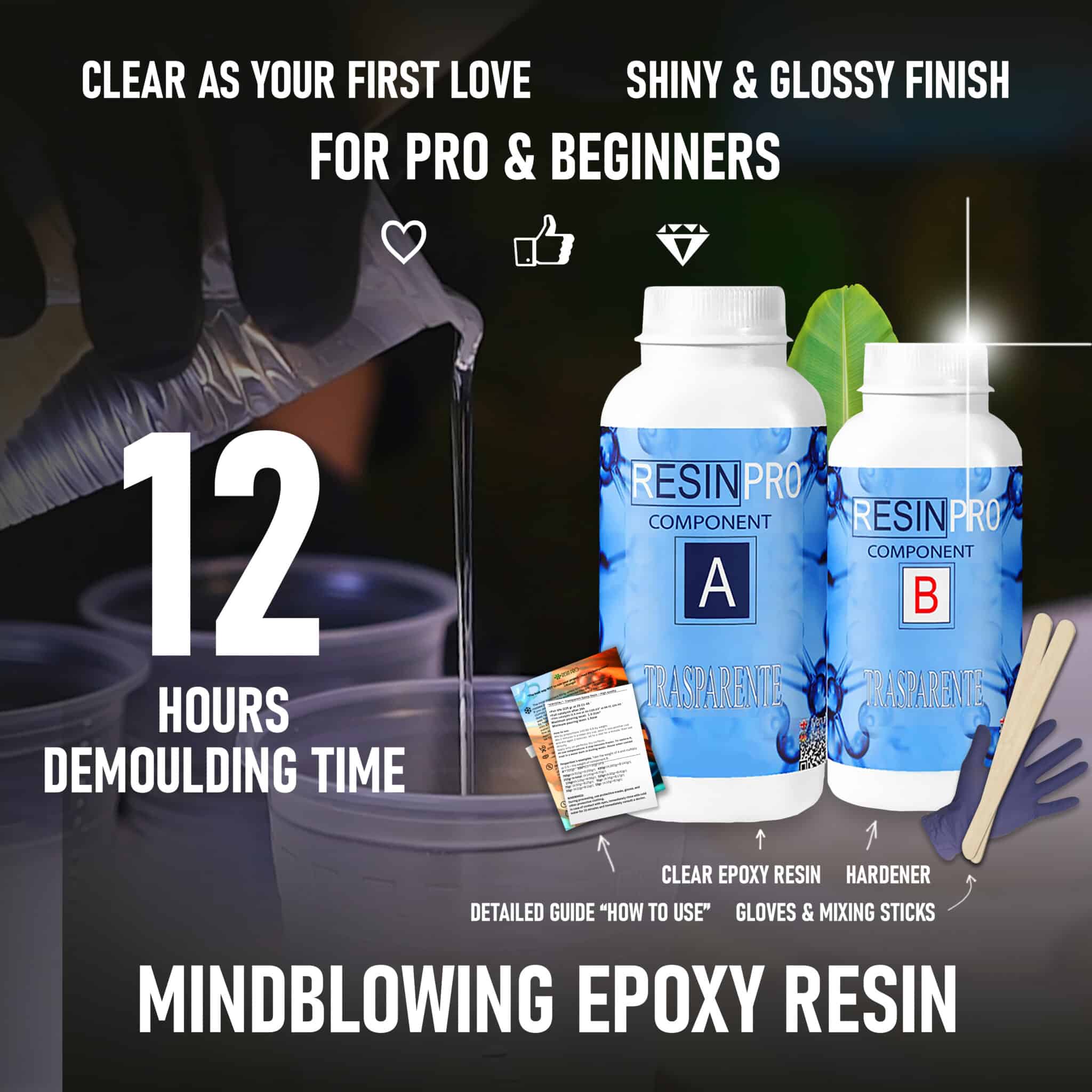
- “Trasparente” – Multipurpose Clear Epoxy Resin for Casting – Up to 2cm – Suitable for those looking to create thicker, detailed surfaces with a crystal-clear finish.
- “Art Pro” – Clear Epoxy Resin for Artists and Surface Coating – Great for artistic coatings, coasters, and projects requiring a scratch-resistant, high-gloss finish.
- “Icrystal” – Clear Epoxy Resin – Odourless Formula – Up to 1.5cm – Preferred for odourless working on tables, furniture, or clear surface coatings.
- Protective gloves and apron
- Mixing containers and accurate measuring tools
- Stirring sticks or spatulas
- Spirit level (optional, for large surfaces)
- Dust-free, well-ventilated workspace
Choosing the Right Self-Levelling Resin
Each project may benefit from a specific resin choice. For jewellery or small crafts, select a product with manageable viscosity and easy mixing like One-2-One – Epoxy Resin for Handcraft, 1:1 Mixing Ratio. For larger artworks or tables, Trasparente – Multipurpose Clear Epoxy Resin for Casting – Up to 2cm and Icrystal – Clear Epoxy Resin – Odourless Formula – Up to 1.5cm provide bubble-free, even surfaces.

Step 1: Prepare Your Workspace and Surface
Before you start working with any resin, clear your work area of dust and debris. Lay down a protective covering and ensure your surface is dry, stable, and perfectly level. For tables and larger pieces, use a spirit level to check the surface to prevent pooling or uneven curing. Wear gloves and an apron to protect your skin and clothing. Thorough preparation helps avoid common problems such as trapped dust and surface imperfections.
Step 2: Measure and Mix the Resin Accurately
Always measure components precisely following the instructions for your chosen resin. For example, “One-2-One” – Epoxy Resin for Handcraft uses a 1:1 ratio by volume, making it straightforward for beginners. Others, like “Art Pro” – Clear Epoxy Resin for Artists and Surface Coating, require a 3:2 mixing ratio by weight. Use separate, clean containers for each component before combining.
Mix thoroughly but gently for two to three minutes, scraping the sides and bottom of the container to ensure complete integration. Inadequate mixing can leave sticky spots or mar the final result. Avoid whipping air into the resin during mixing to help minimise bubble formation.
Step 3: Pour and Spread the Resin Evenly
Once mixed, immediately pour the resin onto the centre of your surface. Let gravity do the work—self-levelling resin is formulated to spread out smoothly, so avoid overworking. For larger projects or thicker layers (up to 2cm), “Trasparente” – Multipurpose Clear Epoxy Resin for Casting – Up to 2cm is recommended for its controlled pour properties.
Use a spatula or spreading tool to gently coax the resin towards the edges. Pour in thin, even layers for optimal levelling and to avoid trapping bubbles. If necessary, remove air bubbles using a heat gun or a fine flame quickly after pouring.
Step 4: Allow to Cure and Protect the Finish
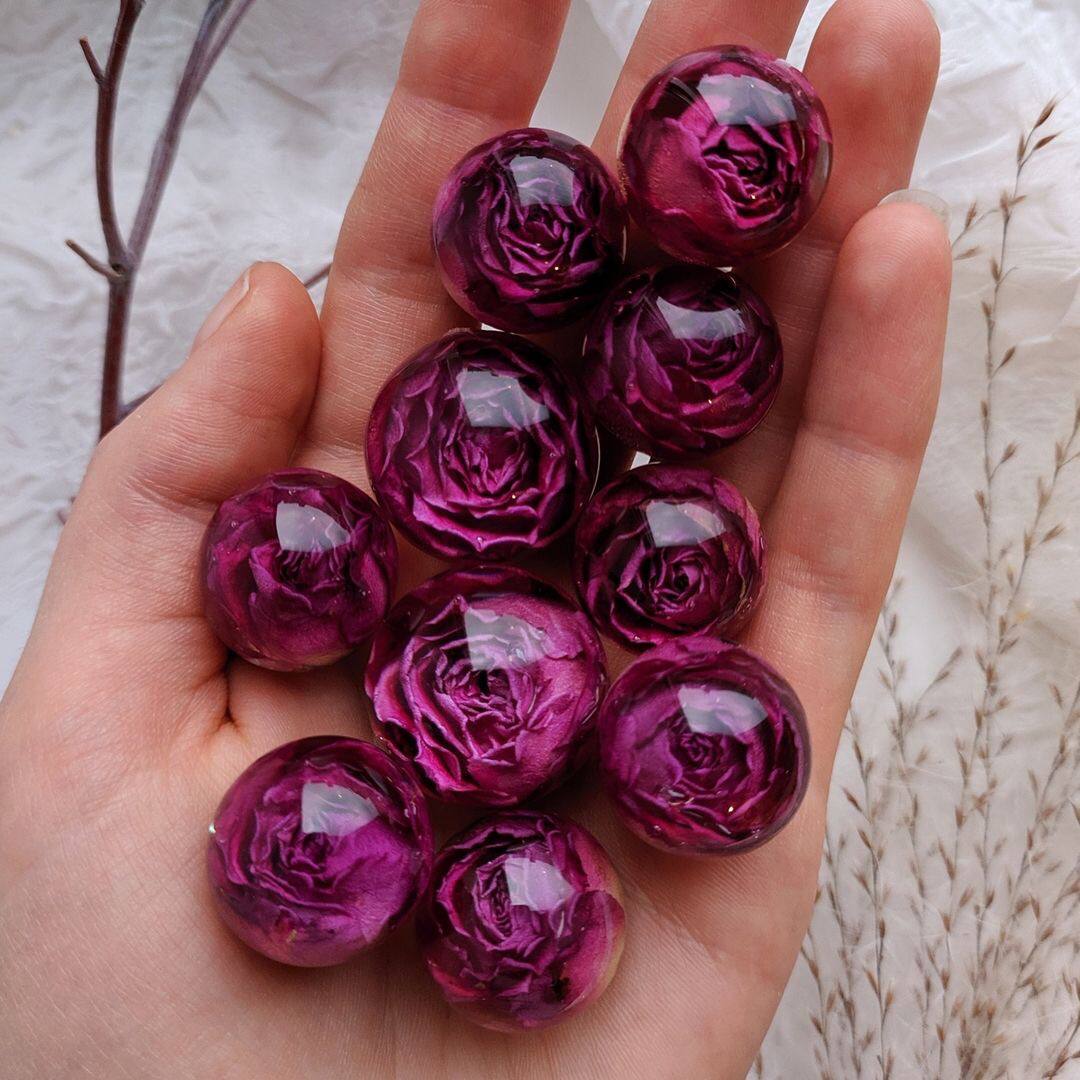
Cover your project to protect it from dust and let it cure according to the resin manufacturer’s instructions. Typical curing times range from 12 to 48 hours depending on the type and thickness of resin chosen. Do not move or disturb the item during this period, as this can lead to an uneven or rippled finish.
Protect your workspace and the curing surface from sudden temperature swings, drafts, and direct sunlight, all of which can affect the levelling process and final appearance of your resin piece.
Tips, Common Mistakes, and Troubleshooting
Work in a temperature-controlled area, ideally between 18–25°C. Avoid mixing too vigorously to keep bubbles at bay. If you see uneven patches after curing, these are often due to improper measurement or incomplete mixing. To repair minor flaws, sand the surface lightly once cured and apply a fresh thin coat of resin to resurface.
If you experience persistent issues, check the manufacturer’s recommendations for mixing ratios and environmental conditions—different resins, such as “Icrystal” – Clear Epoxy Resin – Odourless Formula – Up to 1.5cm, may have specific needs that ensure best results.
Best Surfaces and Project Types for Self-Levelling Resin
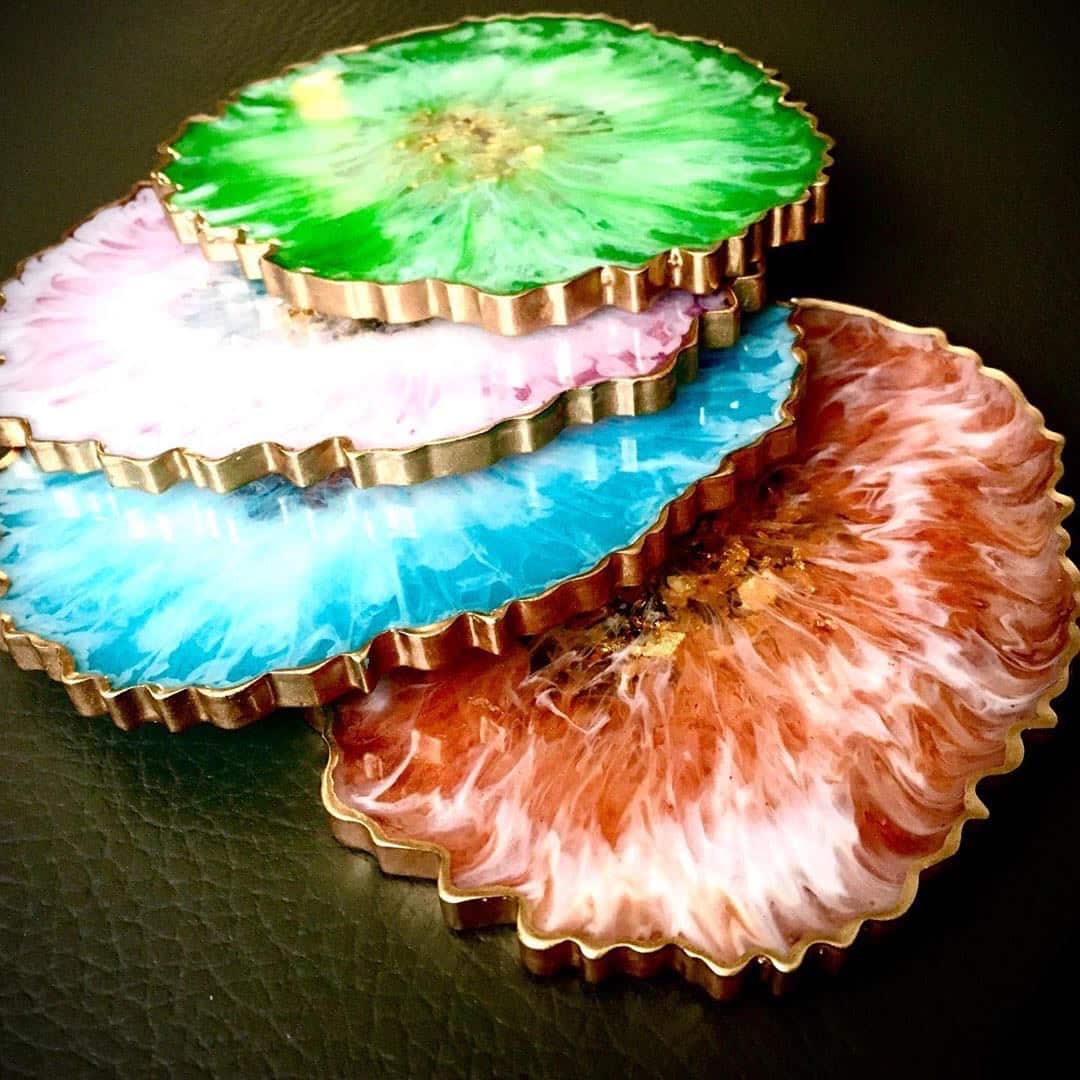
Self-levelling resin excels on smooth, non-porous substrates such as sealed wood, glass, and metal. Use it for encapsulating art, crafting glossy coasters, or creating durable, shiny tabletops. For porous materials, consider sealing first to prevent air release and uneven absorption.
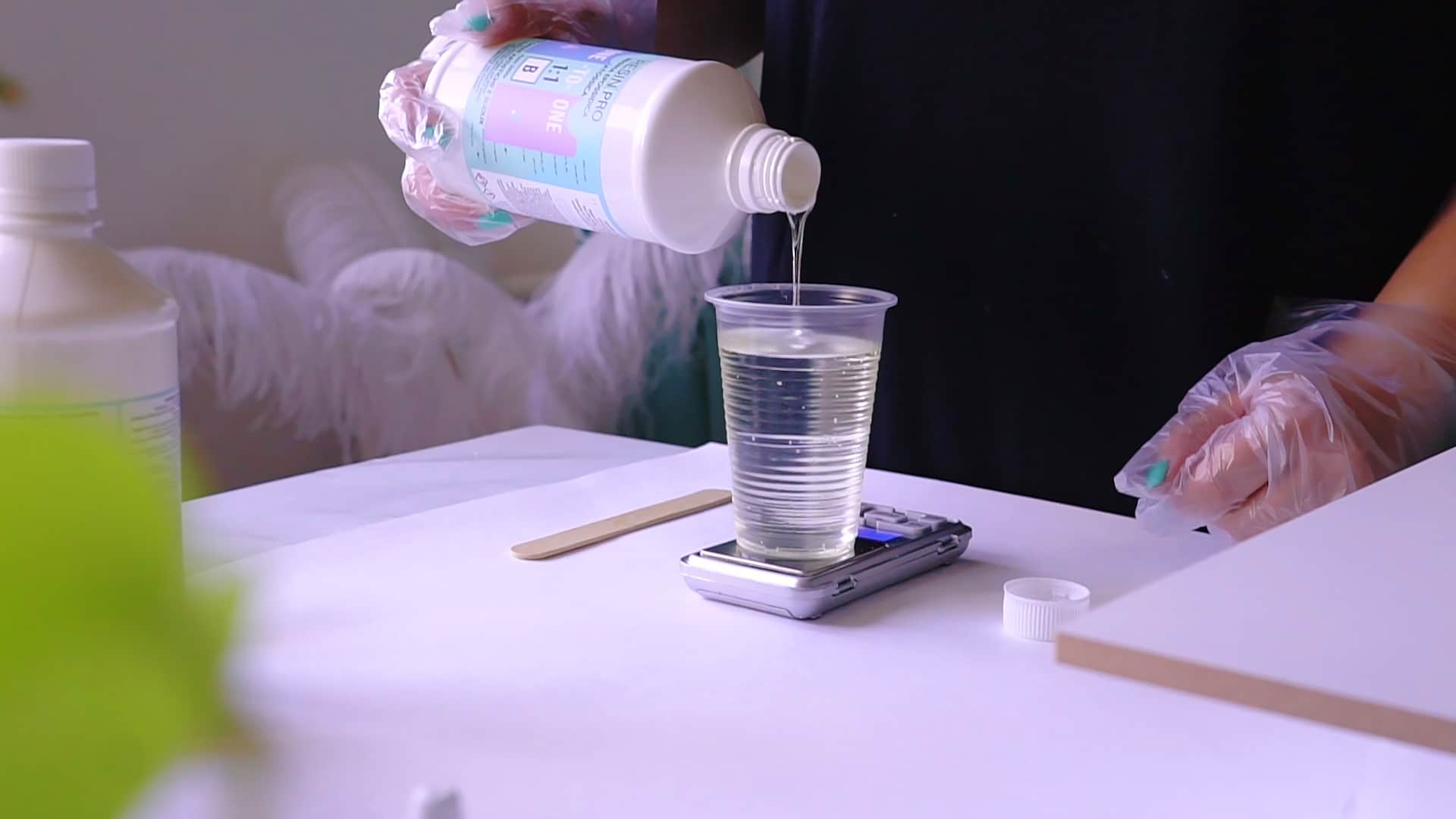
- "One-2-One" – Epoxy Resin for Handcraft, 1:1 Mixing RatioPrice range: £14.85 through £56.85"One-2-One" epoxy resin offers easy 1:1 volume mixing for crafting projects requiring clarity and a glossy finish.
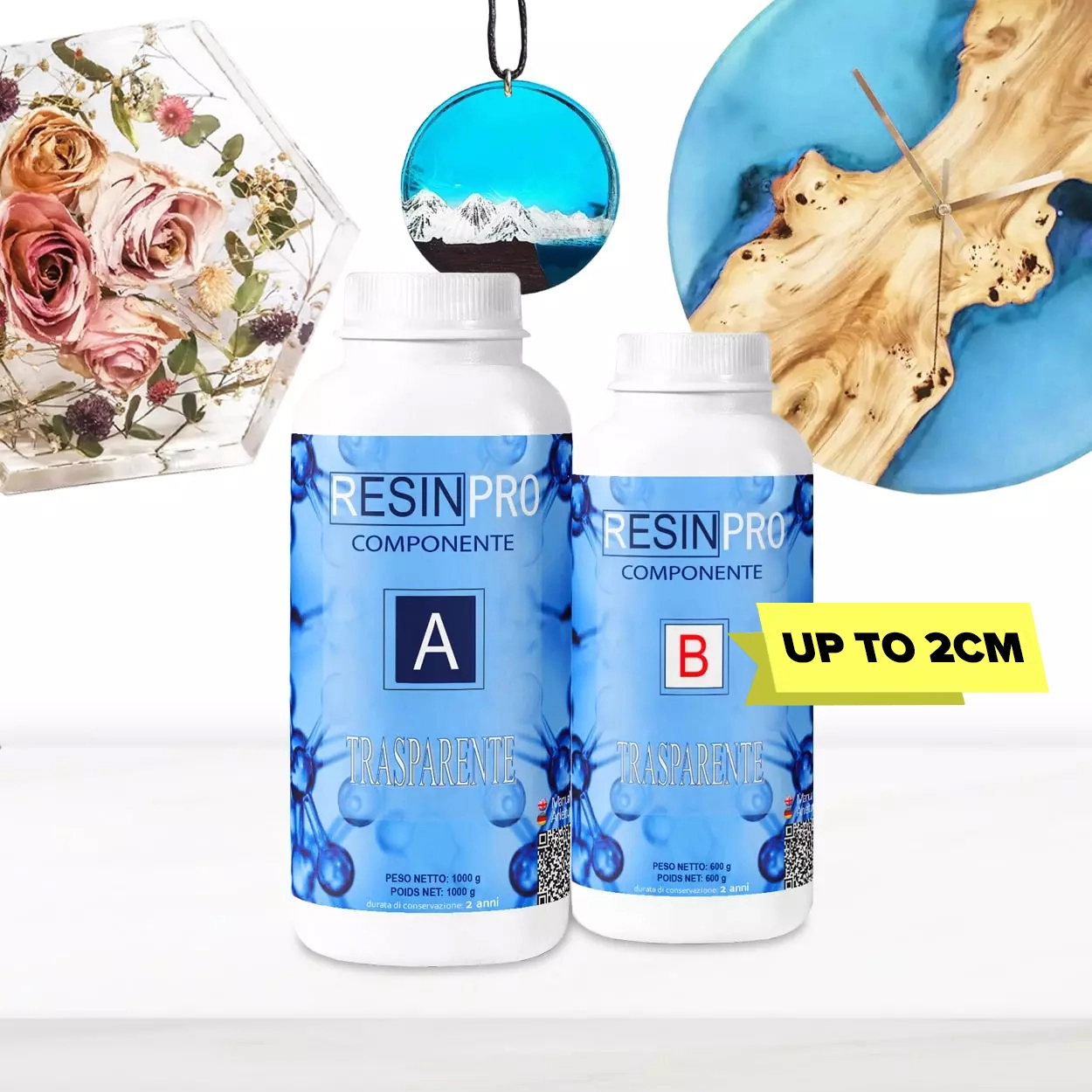 "Trasparente" – Multipurpose Clear Epoxy Resin for Casting – Up to 2cmPrice range: £8.45 through £948.85"Trasparente" offers a clear, self-levelling finish suitable for detailed casting and table work, fitting the theme of self-levelling resins.
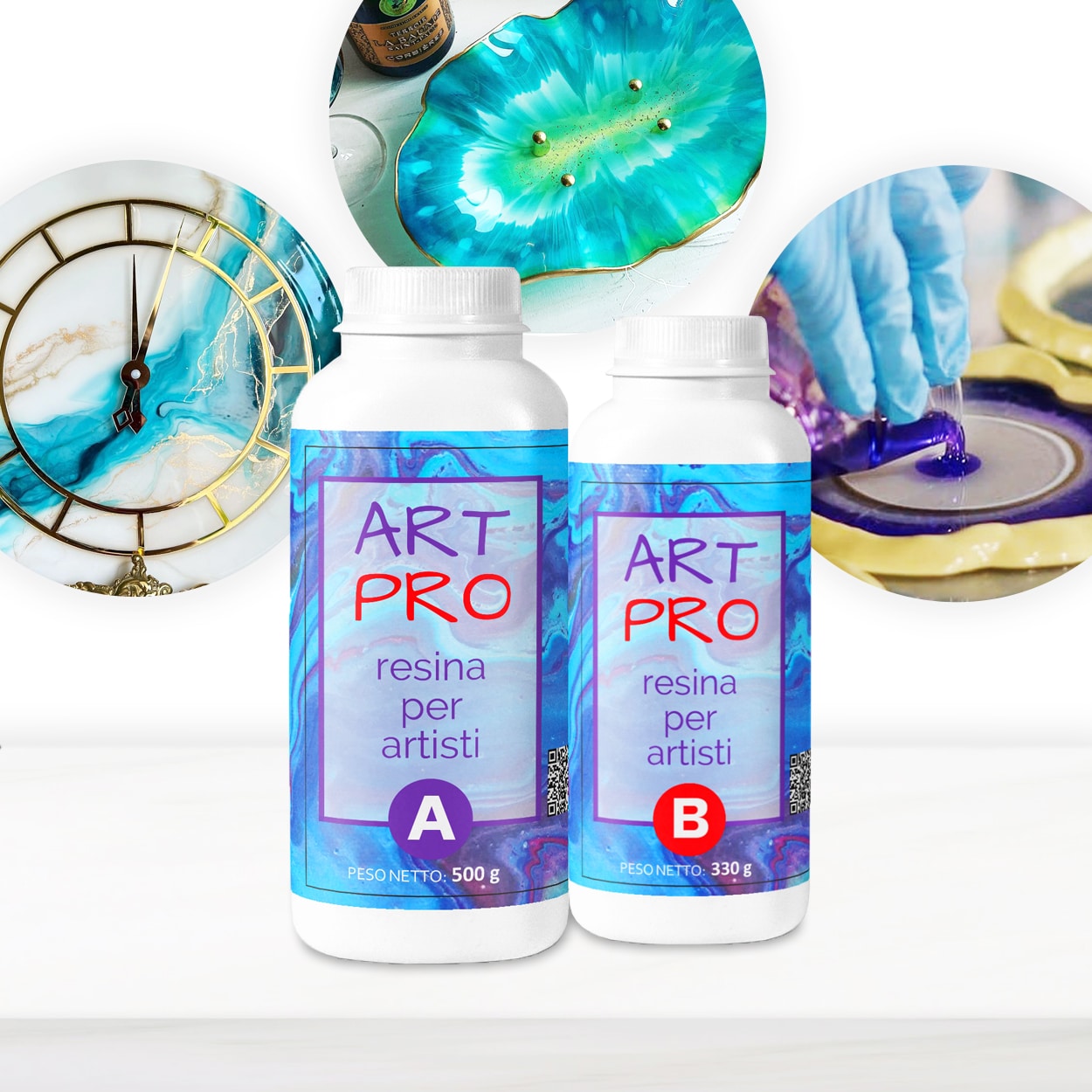 "Art Pro" – Clear Epoxy Resin for Artists and Surface CoatingPrice range: £31.15 through £388.85Art Pro offers a clear, durable epoxy resin suitable for precise coatings with a high-gloss finish, supporting artistic and decorative uses.
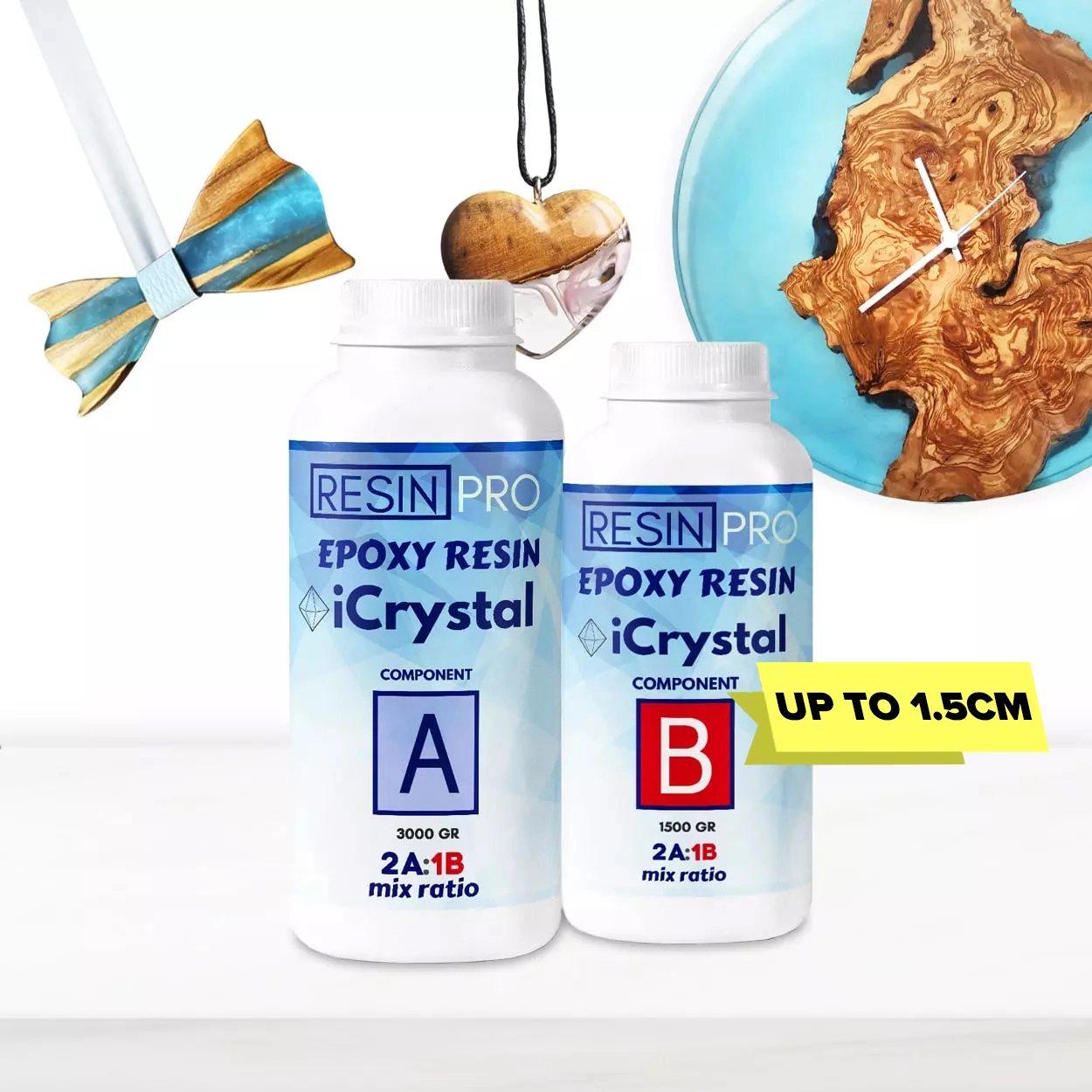 "Icrystal" – Clear Epoxy Resin – Odourless Formula – Up to 1.5cmPrice range: £11.65 through £954.85"Icrystal" Clear Epoxy Resin offers transparency and scratch resistance. Suitable for tables and surfaces in the self-levelling resin context.
Frequently Asked Questions
Which type of self-levelling resin is best for art or tables?
Multipurpose resins like Trasparente or Icrystal are ideal for achieving an even, durable finish on art and tables due to their self-levelling and clarity properties.
How much resin do I need to cover a surface?
Calculate the area (length × width) and desired thickness in centimetres. Most product guides include coverage charts for easy planning.
What are common mistakes using self-levelling resin?
Incorrect mixing ratios, working in unsuitable temperatures, or introducing dust can lead to patchiness or bubbles in the finish.
How do I fix an uneven or rippled resin finish?
Sand the cured area lightly and apply another thin coat of resin, ensuring precise mixing and a clean workspace.
Why are precise mixing ratios important for resin?
The ratio affects curing, clarity, and durability. Following directions exactly helps the resin self-level correctly and avoids sticky spots.