 Free shipping on orders over £29,85
  Shipping Tracking!


 Google
 Facebook
How to build a resin floor?
A practical guide for solid, attractive resin surfaces

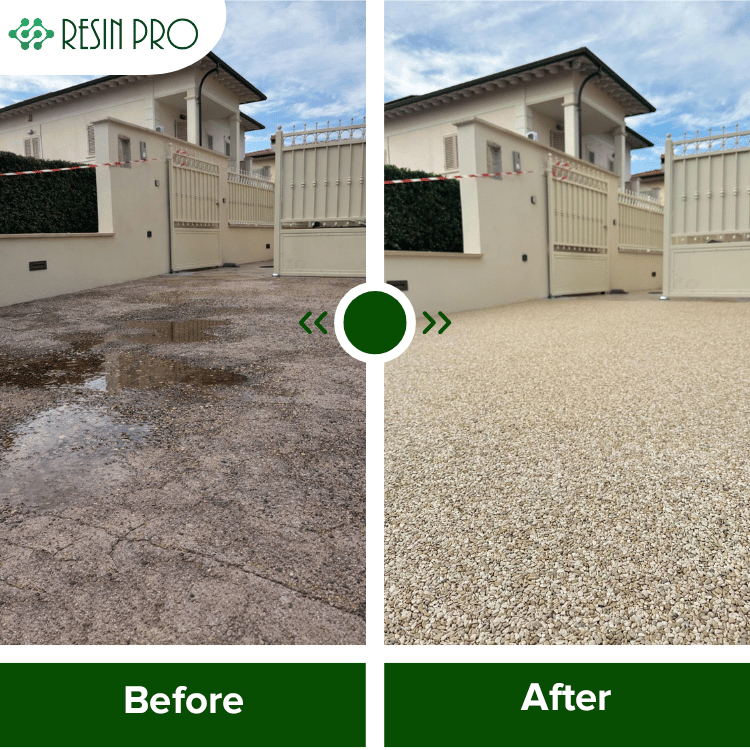
Building a resin floor allows you to create a durable, attractive surface suitable for driveways, pathways, patios and even public environments. This detailed guide walks you through the essential steps, from substrate preparation to binder selection, ensuring your finished resin floor is stable, weatherproof and long-lasting. Whether you are a professional or a DIY enthusiast, following these instructions can help you avoid common issues and achieve an excellent finish.
What You’ll Need
- “Epoxyprimer” – Universal Water-Based Two-Component Epoxy Floor Primer: For priming and preparing the substrate to ensure good adhesion.
- “Flowstone” – Complete Permeable Floor Kit with Pebbles and Resin: A complete solution for outdoor permeable flooring, including aggregate and resin.
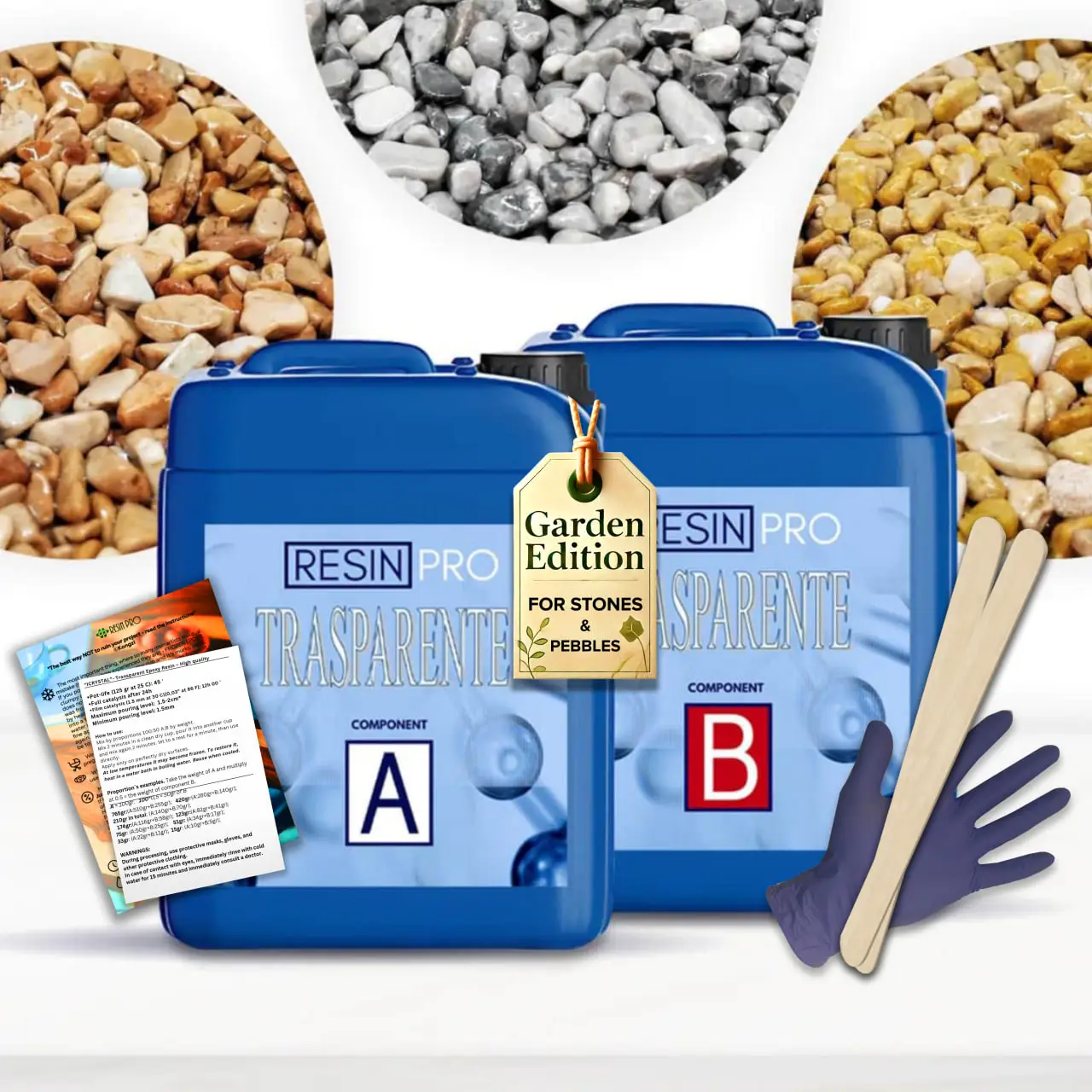
- “Trasparente” – Epoxy Binder for Coloured Pebbles and Grits: For coloured or dark aggregates, delivers a clear and UV-resistant finish.
- “Polirock” – Polyurethane Binder for White Stones, 2kg Two-Component Kit: For use with white or light natural stones, providing a non-yellowing and weather-resistant surface.
- Clean mixing containers, trowel or spreader, roller/brush for priming, gloves, and protective clothing.
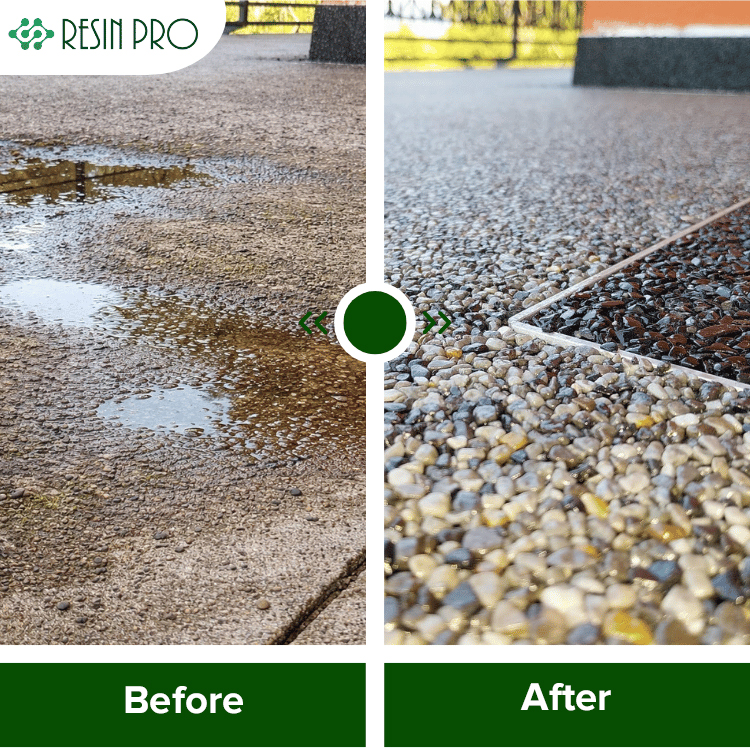
Essential tools and safety gear for resin flooring
Before starting, wear gloves, goggles, and appropriate clothing for chemical handling. Prepare mixing buckets, clean trowels, and a roller for primer application. Always ensure good ventilation in indoor spaces and have cleaning materials on hand for spills or splashes.
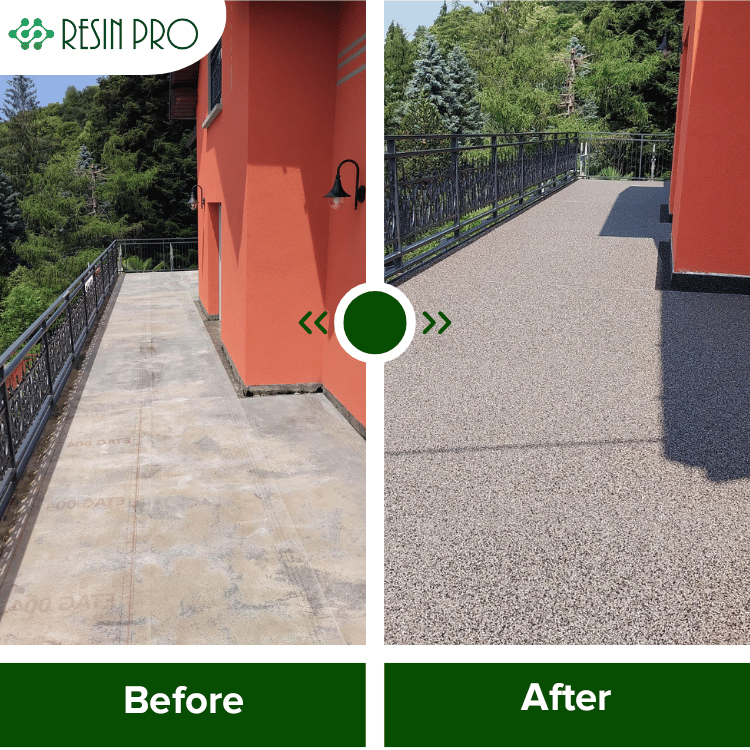
Step 1: Prepare the Substrate
The foundation of a successful resin floor is a clean, sound substrate. Remove any dust, oil, loose debris or previous coatings from the area and check for moisture issues. Fill cracks or uneven patches using an appropriate repair compound and make sure the surface is completely dry before you continue. The best results are achieved on concrete, screed, tiles or timber that are stable and well-levelled. Always check surface stability and level before priming to avoid future defects or surface movement.
Priming is highly recommended for concrete, screeds, ceramic or wooden surfaces to enhance the bond between the substrate and resin system. “Epoxyprimer” – Universal Water-Based Two-Component Epoxy Floor Primer is ideal here, offering strong adhesion and compatibility across various base types.
Step 2: Plan Your Aggregate and Binder System
Determine whether your project will use coloured or white/natural stone aggregates, as this will affect which binder you require. Planning ahead helps avoid yellowing or discolouration and ensures the system is suited to the site’s intended use (pedestrian, driveway, or public area). For most outdoor and permeable applications, a system combining high-quality stones with the right binder gives the strongest, most durable results.
Use the right binder for your chosen aggregate colour: choose “Trasparente” – Epoxy Binder for Coloured Pebbles and Grits for coloured aggregates (including warm or dark stones) and “Polirock” – Polyurethane Binder for White Stones for white or light natural stones, as this prevents yellowing and maintains a clear finish.
Step 3: Mix and Apply the Resin-Aggregate Blend
Wearing gloves and protective clothing, thoroughly mix your chosen binder and stone aggregates according to the specific product instructions. Uniform coating of each aggregate piece is crucial to ensure durability and stability. For small areas, a mixing bucket is sufficient; for larger areas, consider using a cement mixer for even distribution. Do not pour resin over laid aggregates – always combine thoroughly before spreading.
Spread the mixture evenly using a trowel or spreader, working methodically to your desired depth (usually around 2–3cm for most systems). Avoid leaving puddles and ensure a consistent surface texture and thickness.

Step 4: Curing and Finishing Touches
Allow your resin floor to cure as per the binder instructions. Most systems will be touch-dry or walkable within 10–24 hours, with full curing achieved in around 24–48 hours. Protect the area from rain, debris, and harsh direct sunlight during this time to avoid defects. If an anti-slip finish is required, incorporate suitable additives or choose a binder system specifically offering slip resistance.
Apply resin mixtures in mild, dry conditions for best results. Avoid cold, damp, or excessively hot weather, as these can affect adhesion and curing rates.
Tips and Common Mistakes to Avoid
- Do not skip primer when installing on concrete, tile, or timber – poor adhesion can lead to floor failure.
- Avoid mixing binders with incompatible aggregates; always match binder type to stone colour.
- Ensure thorough mixing of resin and stones to prevent weak spots.
- Plan for enough working time – resin mixtures can begin to set quickly, especially in warm weather.
- Do not attempt to fix surface flaws after curing; all finishing should be completed while the resin is still workable.
Visual guide to resin aggregate combinations and surface finishes
Different resin and aggregate pairings create unique finishes: white polyurethane binders deliver a crisp, clear look with white pebbles, while epoxy binders let coloured aggregates shine with robust clarity. Samples of completed resin floors can help you decide your ideal finish before you begin application.
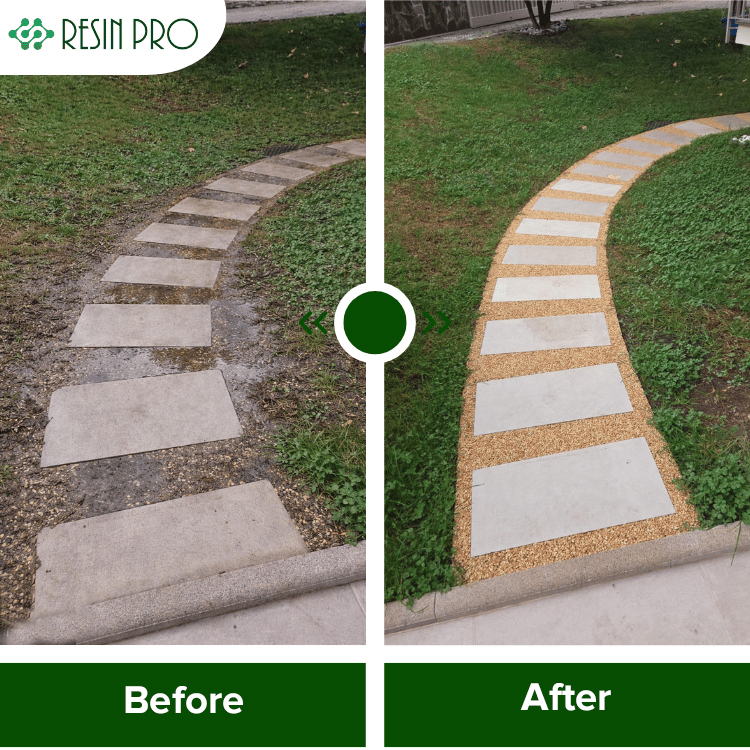
- "Flowstone" – Complete Permeable Floor Kit with Pebbles and ResinPrice range: £42.85 through £3,389.85The Flowstone kit offers a durable, permeable pebble and resin flooring system with step-by-step guidance suited for the UK climate.
- "Trasparente" – Epoxy Binder for Coloured Pebbles and GritsPrice range: £31.85 through £948.85"Trasparente" is a crystal-clear epoxy binder designed for coloured pebbles and grits, offering UV resistance and a clear finish suitable for…
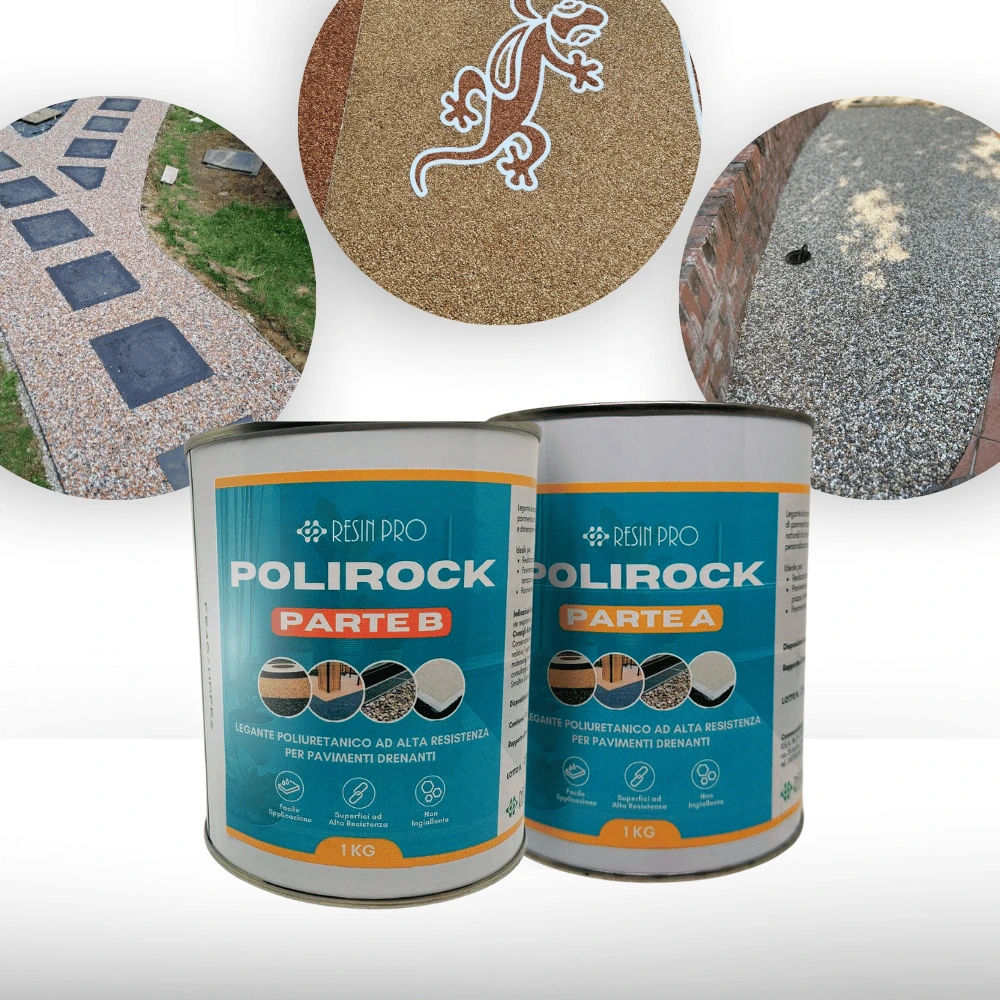 "Polirock" – Polyurethane Binder for White Stones, 2kg Two-Component Kit£58.85"Polirock" is a two-component polyurethane binder designed for creating durable, clear, permeable outdoor stone surfaces.
 "Epoxyprimer" – Universal Water-Based Two-Component Epoxy Floor PrimerPrice range: £148.84 through £272.45Epoxyprimer is designed for reliable adhesion on various substrates, suitable for epoxy floor preparations under the theme 'How to build a resin…
Frequently Asked Questions
Which primer is best before installing a resin floor on concrete?
A water-based epoxy primer like Epoxyprimer ensures strong adhesion and minimises the risk of delamination on concrete substrates.
Can I use any stone aggregate in a resin-bound floor?
You can use most dry, dust-free natural stones, but always match the binder type to the aggregate's colour for best appearance and durability.
How thick should a resin floor be for outdoor use?
A typical thickness is 2–3 cm, ensuring durability for foot traffic or light vehicles, depending on the intended use.
What weather conditions are ideal for laying a resin floor in the UK?
Apply resin on dry, mild days with no rain forecast and stable temperatures between 10°C and 25°C for best curing.
Can I build a resin-bound floor myself, or do I need a professional?
With preparation and care, DIY installation is achievable on small to medium surfaces. For large or complex projects, professional experience is beneficial.
How do I prevent yellowing or discolouration of my resin floor?
Use polyurethane binders for white stones and UV-resistant epoxy for coloured aggregates; always avoid direct sunlight during curing.
What if part of my resin floor becomes damaged or cracked over time?
Small repairs can be made by lifting the affected area, cleaning thoroughly and reapplying the same resin-aggregate mix, ensuring colour consistency.