 Free shipping on orders over £29,85
  Shipping Tracking!


 Google
 Facebook
how to create a resin coating
Achieving a professional resin coating adds durability, gloss, and artistic flair to your projects—whether you’re working on coasters, trays, tabletops, or even 3D prints. This detailed guide will take you through every key stage, ensuring a smooth application and a flawless, glass-like finish every time.
Step-by-step guide for flawless, glossy resin finishes

What You’ll Need
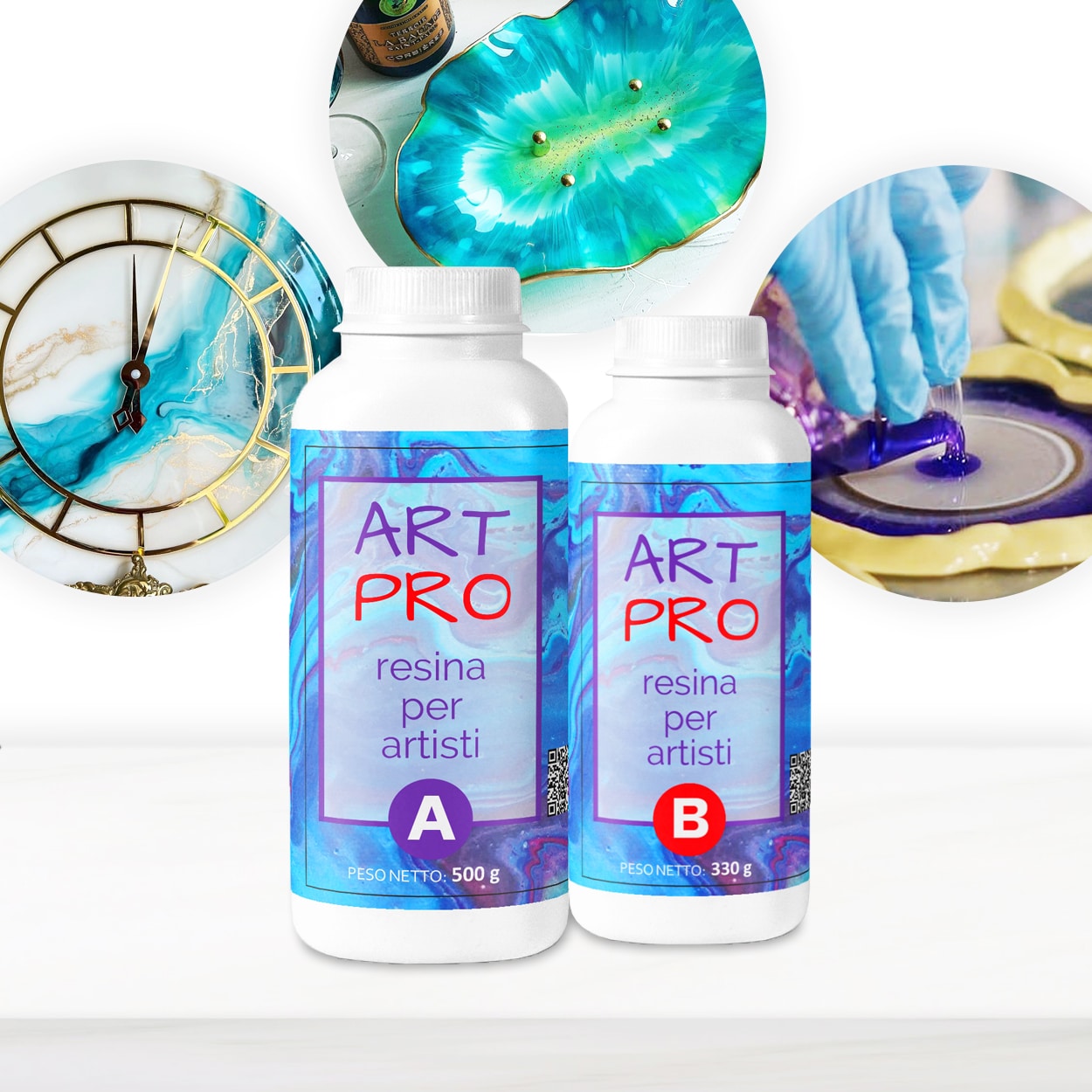
- “Art Pro” – Clear Epoxy Resin for Artists and Surface Coating: A medium viscosity epoxy resin ideal for glass-like surface coats
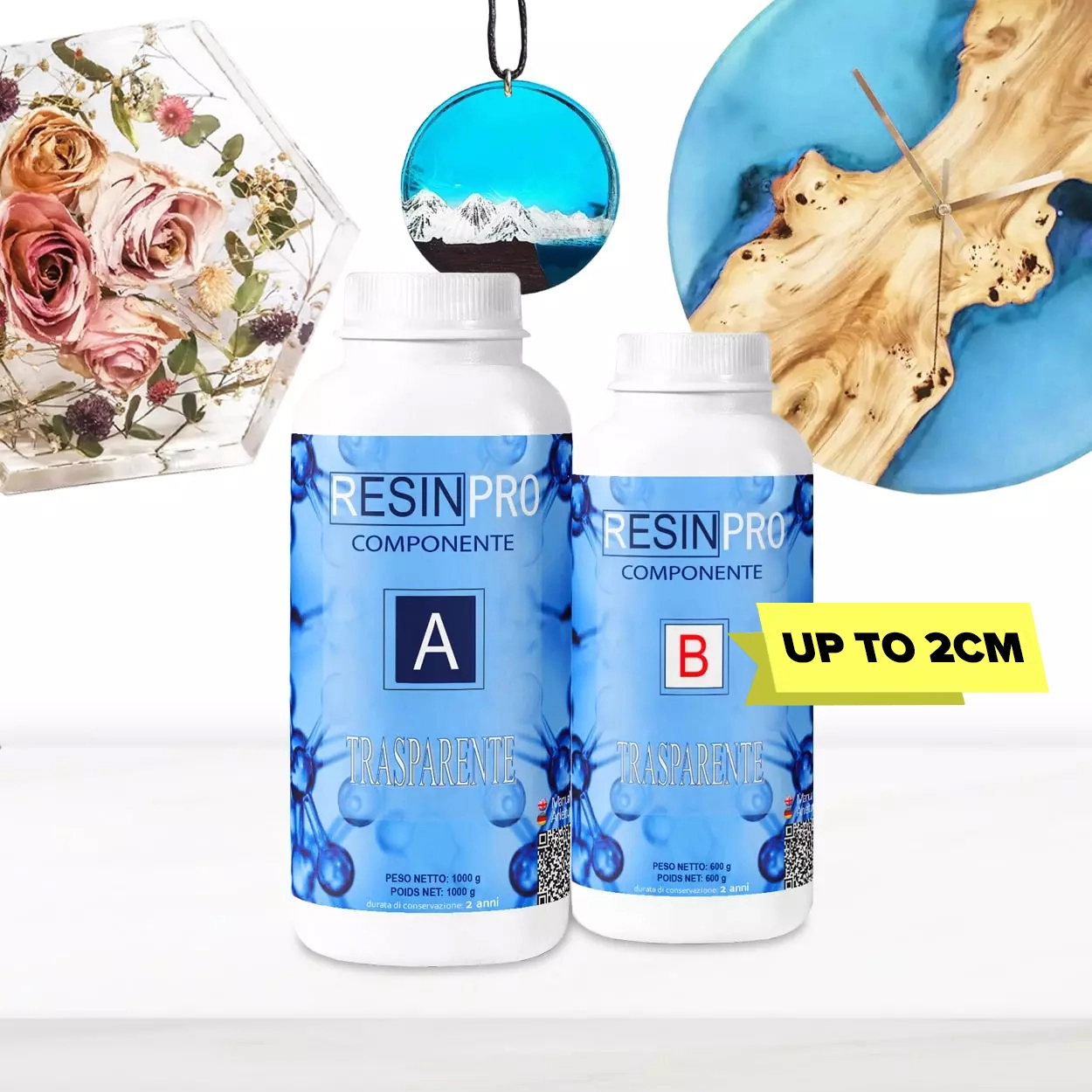
- “Trasparente” – Multipurpose Clear Epoxy Resin for Casting – Up to 2cm: Suitable for thicker resin coats requiring brilliant clarity
- “Heat Pro” – Flexible Heat-Resistant Glossy Coating: Recommended for surfaces exposed to high temperatures, such as coasters or kitchen countertops
- “3D Finish” – Fast Coating Epoxy Resin for 3D Prints: Perfect for finishing and protecting 3D printed models
- Protective gloves and mixing sticks
- Disposable mixing containers
- Plastic sheeting or drop cloth
- Bubble removal tool (e.g., heat gun or torch if appropriate)
- Level workspace with dust cover

Choosing the Ideal Resin Coating Product
Select the resin that best matches your project. For high-gloss finishes on art pieces and trays, opt for “Art Pro” – Clear Epoxy Resin for Artists and Surface Coating. For thicker, crystal-clear coats, “Trasparente” – Multipurpose Clear Epoxy Resin excels. Heat-sensitive surfaces benefit from “Heat Pro” – Flexible Heat-Resistant Glossy Coating, while fine-detail 3D prints are protected by “3D Finish” – Fast Coating Epoxy Resin for 3D Prints.

Step 1: Prepare Your Workspace
Creating a clean and controlled workspace is the first vital step for resin coating. Remove any dust or debris from your work area and select a well-ventilated space at room temperature (ideally 18–25°C). Protect work surfaces with plastic sheeting to prevent spills. Secure your project piece level—uneven surfaces may lead to resin pooling or thin spots.
Before you begin, wear protective gloves and, if possible, a respirator mask to minimise contact with uncured resin and fumes. Arrange all tools, mixers, and measured components before you mix to streamline the process.
Step 2: Measure and Mix the Resin
For the best finish, measure resin and hardener precisely according to the product instructions. For example, “Art Pro” – Clear Epoxy Resin for Artists and Surface Coating uses a 3:2 ratio. Follow mixing instructions accurately, using a digital scale for consistency. Add hardener to the resin component in a clean, dry container.
Mix thoroughly but gently for at least 2–3 minutes. Scrape the sides and bottom to ensure entire integration, which prevents sticky or soft spots on your finished piece. Avoid aggressive stirring, which can introduce excess air bubbles that mar the surface.
Step 3: Apply the Resin Evenly
Pour the mixed resin slowly onto the centre of your project. Let it flow outward to the edges. You may use a silicone spatula or spreader to encourage even coverage. If you are coating a 3D print, as with “3D Finish” – Fast Coating Epoxy Resin for 3D Prints, use a small brush or application stick to reach intricate areas without losing surface detail.
Apply the resin evenly and watch for any areas with poor coverage. For projects needing heat resistance on smaller surfaces, such as coasters or frames, consider “Heat Pro” – Flexible Heat-Resistant Glossy Coating for additional protection.

Step 4: Remove Air Bubbles and Allow to Cure
Eliminate bubbles promptly by lightly passing a heat gun, small torch or even a straw close above the resin surface within the first few minutes after pouring. Exercise caution not to scorch the resin. Allow the project to cure on a dust-free, level surface—covering with a box or similar aids in preventing settling debris.
Allow proper curing time as directed by your chosen resin. Most coatings, such as those achieved with the “Art Pro” or “Trasparente” resins, cure in 12–48 hours at room temperature, but always consult your resin’s instructions for the best results.
Tips and Common Mistakes
Avoid humid or very cold environments, which can affect curing and lead to a cloudy finish. Take care when mixing and always use recommended ratios for your particular resin product. If you spot sticky spots post-cure, it’s likely due to insufficient mixing or inaccurate measurement. Over-working the resin or excessive use of the heat gun can cause surface imperfections or discolouration.
When using products like “Heat Pro” – Flexible Heat-Resistant Glossy Coating, apply only on the recommended surface area and test small, new surfaces for compatibility. Patience and preparation are essential for a consistent, high-gloss finish every time.
Visual Examples of Resin Coating Success
View completed projects to see a range of finishes, from ultra-glossy tabletops to flawless 3D print coatings. Notice how different resins impact both clarity and durability in each example, providing inspiration for your next creation.

- "Art Pro" – Clear Epoxy Resin for Artists and Surface CoatingPrice range: £31.15 through £388.85Art Pro is a clear epoxy resin designed for creating durable, high-gloss coatings suitable for artistic and decorative resin projects.
- "Trasparente" – Multipurpose Clear Epoxy Resin for Casting – Up to 2cmPrice range: £8.45 through £948.85The "Trasparente" clear epoxy resin is designed for multipurpose casting up to 2cm with an ultra-clear finish and scratch resistance.
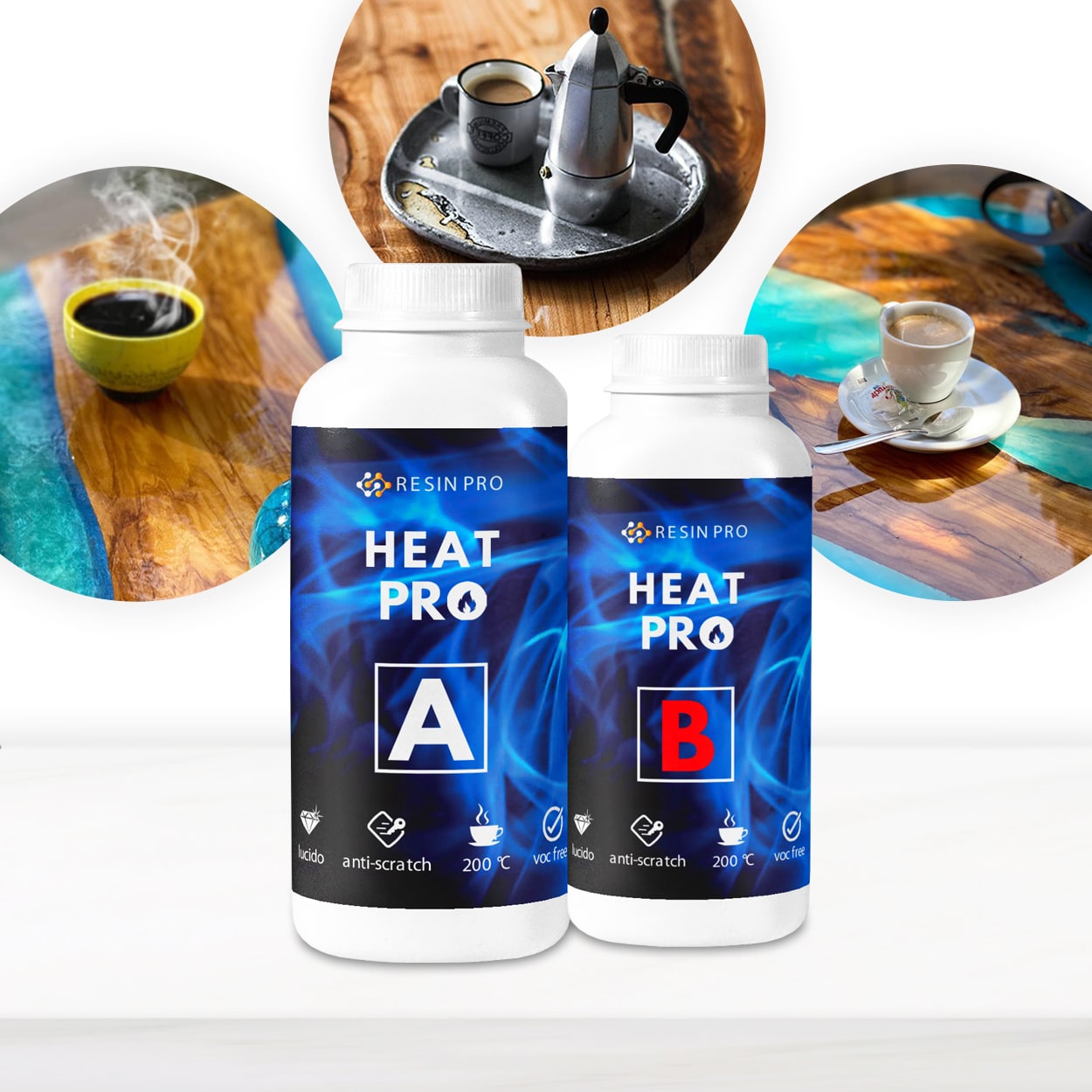 "Heat Pro" – Flexible Heat-Resistant Glossy CoatingPrice range: £24.85 through £176.55Heat Pro is an elastic polyurethane resin designed for epoxy projects with heat resistance up to 200°C and a glossy finish.
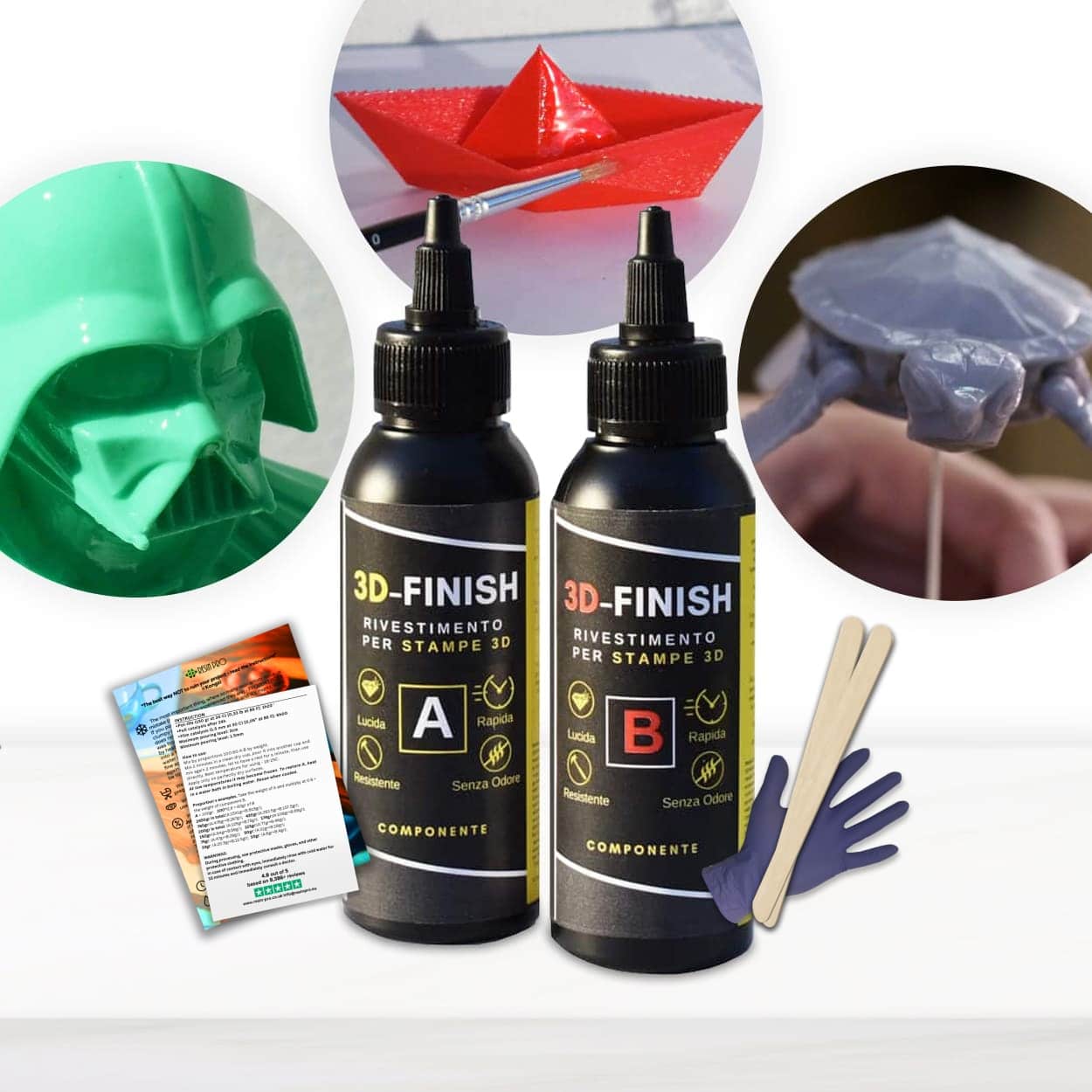 "3D Finish" – Fast Coating Epoxy Resin for 3D PrintsPrice range: £12.85 through £18.853D Finish Fast Coating Epoxy Resin provides a non-drip coating that preserves detail on typical 3D print materials within the resin coating theme.
Frequently Asked Questions
What is the difference between casting resin and art resin?
Casting resins are suited for deep pours and have low viscosity for thicker layers. Art resins are formulated for surface coatings, offering control and clarity in thinner applications.
Which resin is best for making coasters and trays?
Art epoxy resins or multipurpose clear resins with strong UV resistance and clarity are ideal for surface coatings on coasters, trays, and similar items.
How long does it take for a resin coating to cure?
Most resin coatings cure within 12–48 hours at room temperature. Refer to your product instructions for precise cure timing.
How can I prevent or remove air bubbles in resin coating?
Mix gently to minimise bubbles and use a heat gun or torch above the surface immediately after pouring to release trapped air.
Can I use resin coatings for items that touch food?
Check manufacturer guidance for food safety. Not all coatings are food-safe; use only those certified for food contact.
How should I prepare a surface before applying resin?
Clean the surface thoroughly and ensure it is dust-free, dry, and level for the best coating results.
Why is my resin coating still sticky after curing?
Sticky residues are typically caused by inaccurate measurement or inadequate mixing of resin and hardener components.