 Free shipping on orders over £29,85
  Shipping Tracking!


 Google
 Facebook
how to make 3d resin floors
Step-by-step guide to professional-looking resin flooring


3D resin floors have become a sought-after solution for those looking to add depth, durability, and a striking visual impact to interiors. Whether updating a commercial space or enhancing your home’s look, this guide explains the essential steps to achieve a smooth, long-lasting 3D resin floor finish. Careful planning, preparation, and methodical application are key to obtaining professional-quality results.
What You’ll Need
- “Trasparente” – Multipurpose Clear Epoxy Resin for Casting – Up to 2cm
- “Trasparente” Epoxy Resin Kit 800g + Mica Powder 10g – 10 Colour Variations
- “EpoxyTable 5-Five” – Deep Pour Epoxy Resin for Tables and Large Projects – Up to 5cm
- Fruit Holder Silicone Mould Set – 3 Piece Tiered Tray & Coaster Molds (for decorative elements or inserts)
- Decorative artwork or printed image (for 3D effect)
- Protective gloves and safety glasses
- Mixing containers and sticks
- Rollers and trowels for even application
- Level and sander (if required)
- Cleaner or degreaser for surface prep

Visual Inspiration for 3D Resin Floors
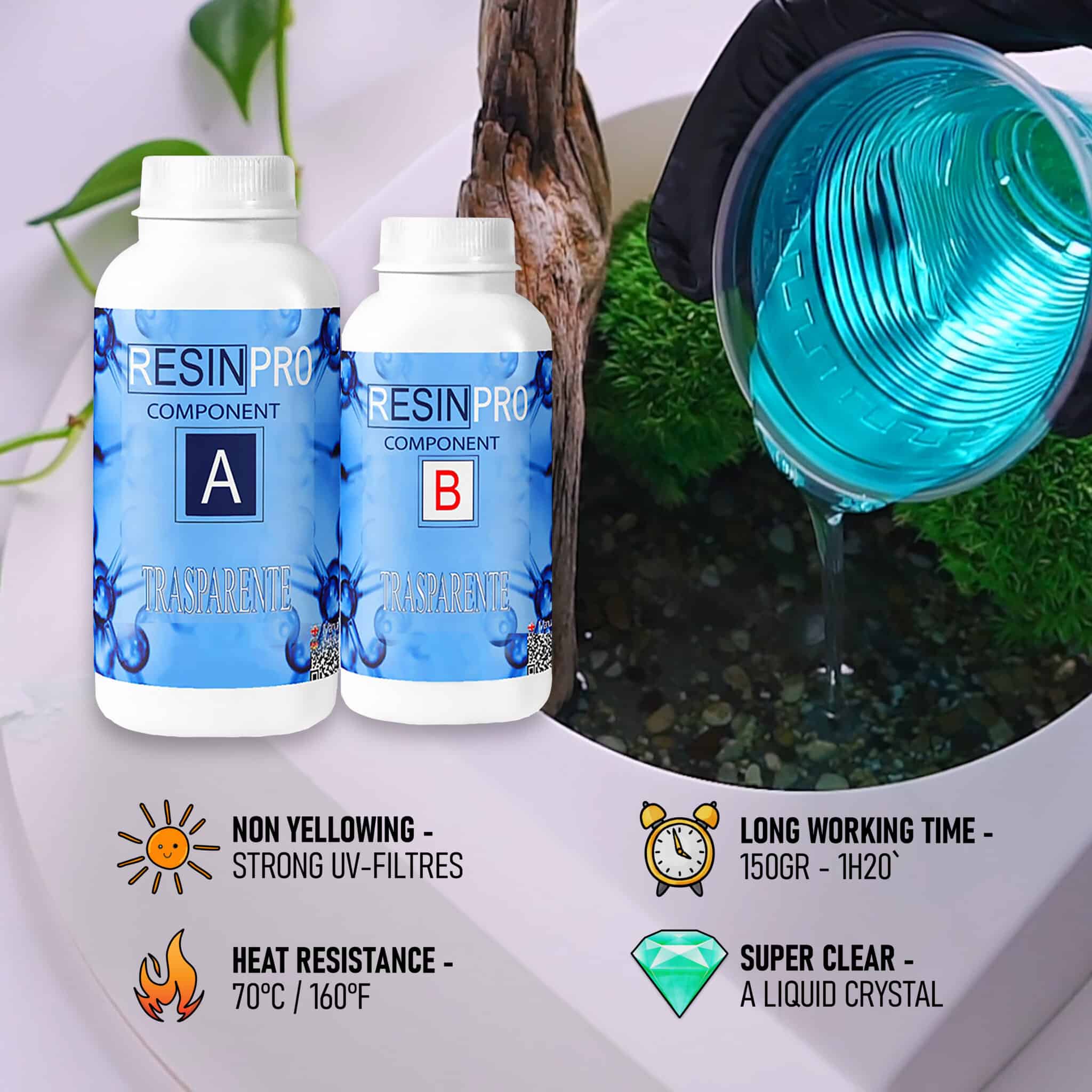
Explore a range of completed 3D resin floor projects, showcasing the depth, colour options, and transparency you can achieve with the right resin and artwork. Notice the reflective finish and artistic effects that set 3D resin floors apart.
Step 1: Prepare the Surface
Proper surface preparation is crucial for adhesion and a flawless finish. Start by removing any old coatings, dust, or debris from the concrete or screed base. Sand down any uneven areas and check for cracks or holes, filling them as necessary. Ensure the surface is clean, dry, and perfectly flat, as any imperfections can become more pronounced under transparent resin. Allow sufficient drying time if water-based fillers or cleaning products have been used.
Step 2: Apply the Base Layer and Artistic Elements
Apply a suitable primer or base coat to seal the substrate and improve resin bonding. Once dry, position your chosen decorative artwork or 3D printed image on the floor. These images or inserts create the signature 3D depth of the final floor. Make sure the artwork is laid without air pockets or wrinkles and is fully flat across the surface.
Step 3: Mix and Pour the Resin Layer
Carefully calculate the volume of epoxy resin required for your desired thickness, accounting for both the size of the room and the product’s recommended maximum pour depth. Always calculate resin quantity based on desired thickness to ensure even coverage. For floors requiring layers over 2cm, consider a deep pour epoxy such as “EpoxyTable 5-Five” – Deep Pour Epoxy Resin for Tables and Large Projects – Up to 5cm for best results.
Mix the resin and hardener thoroughly as per the manufacturer’s instructions, avoiding fast, vigorous motions that introduce air. Pour the resin slowly over the artwork, spreading with a trowel or roller in a gentle, circular motion. If using coloured effects or metallic highlights, blend in mica powder from a kit such as “Trasparente” Epoxy Resin Kit 800g + Mica Powder 10g – 10 Colour Variations at this stage.
Apply resin in thin, even layers to prevent bubbles. For greater depth, pour in multiple stages, allowing each layer to partially cure before adding the next. This minimises heat build-up and ensures a crystal clear finish.

Step 4: Remove Bubbles and Finish the Surface
During pouring and spreading, inspect the resin for trapped air bubbles. Pass a heat gun or blow torch quickly over the surface, maintaining a safe distance to avoid scorching, to pop bubbles as they rise. When satisfied with the clarity, cover the floor and allow the resin to cure fully in a dust-free and ventilated environment.
Allow the floor at least 48 hours undisturbed curing time, or as specified by the product instructions. After curing, inspect for any imperfections; minor flaws can often be lightly sanded and polished. The floor should be ready for light foot traffic once fully hardened.

Tips, Common Mistakes, and Troubleshooting
Opt for slow, controlled pours for best clarity and depth. Rushed mixing or spreading can introduce bubbles or uneven finishes. Keep the workspace well-ventilated and at the recommended temperature for resin application.
Avoid pouring layers thicker than the product allows — for example, up to 2cm for “Trasparente” – Multipurpose Clear Epoxy Resin for Casting – Up to 2cm. Thicker layers risk overheating and yellowing. For deep effects, use dedicated deep pour resins and pour in stages.
Protect adjacent areas with masking and cover shoes to prevent dust and debris contaminating the finish. Always follow safety recommendations when handling resins and solvents.
Troubleshooting Resin Flooring Challenges
Common issues when making 3D resin floors include uneven surfaces, trapped air bubbles, or accidental contamination during curing. Address these by thoroughly preparing all surfaces, carefully mixing resin, and ensuring a clean work environment from start to finish.

- "Trasparente" – Multipurpose Clear Epoxy Resin for Casting – Up to 2cmPrice range: £8.45 through £948.85"Trasparente" epoxy resin offers a clear, glossy, self-levelling finish for up to 2cm layers, commonly used in woodworking and art projects.
- "Trasparente" Epoxy Resin Kit 800g + Mica Powder 10g – 10 Colour Variations£19.85"Trasparente" offers ultra clear multipurpose epoxy resin with mica powder in 10 colours, suitable for 3D resin floor creation.
 "EpoxyTable 5-Five" – Deep Pour Epoxy Resin for Tables and Large Projects – Up to 5cmPrice range: £16.85 through £1,099.85EpoxyTable 5-Five is a deep pour epoxy resin designed for tables and large projects up to 5cm thickness, suitable for creating scratch-resistant,…
 Fruit Holder Silicone Mould Set – 3 Piece Tiered Tray & Coaster MoldsPrice range: £12.15 through £15.15Silicone mould set designed for making tiered trays, coasters, and decorative elements for resin projects.
Frequently Asked Questions
What is the maximum recommended thickness for a single resin pour?
This depends on the specific resin—some, like "Trasparente", allow up to 2cm; deep pour resins such as "EpoxyTable 5-Five" can handle up to 5cm in one pour.
How can I prevent bubbles forming over my artwork?
Seal artwork edges, pour slowly, and use a heat gun over the resin surface to release trapped air for a flawless finish.
How do I make a 3D resin floor slip-resistant?
Add a fine anti-slip additive to the top layer or use a matte finish coating after the resin has cured.
What is the best way to prepare the subfloor?
Ensure it is clean, level, and dry. Fill cracks, remove old coatings, and sand smooth to promote strong resin adhesion.
When can I walk on a new 3D resin floor?
Light foot traffic is generally allowed after 48 hours, but full hardness and durability may take up to a week.
Are 3D resin floors resistant to stains and yellowing?
Quality floor resins include UV filters to resist yellowing and offer high chemical resistance, but avoid exposure to harsh chemicals.
What’s the best way to clean a 3D resin floor?
Sweep or vacuum regularly and mop with a non-abrasive, pH-neutral cleaner to maintain shine and prevent surface scratches.