 Free shipping on orders over £29,85
  Shipping Tracking!


 Google
 Facebook
Who installs resin flooring?
How professionals and DIYers approach resin floor installation

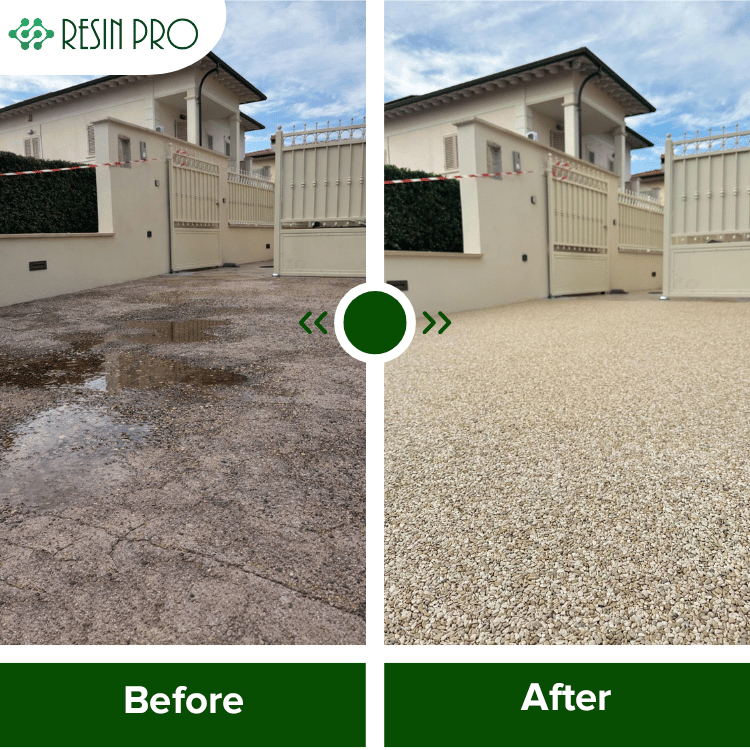
Choosing the right installer for resin flooring depends on several factors—from your project size and surface type, to whether you plan to do it yourself or hire a professional. This page explains who typically installs resin flooring, highlights when DIY is feasible, and compares leading DIY-friendly kits and binders available for both home improvement enthusiasts and expert contractors.
Who Installs Resin Flooring? Professional vs DIY Options
Resin flooring is widely used across residential, commercial, and industrial projects. Professional installers—such as flooring specialists and contractors—bring experience in surface assessment, substrate preparation, and application, making them ideal for large surfaces or high-traffic installations. However, modern resin kits and user-friendly binders are designed to empower skilled DIYers and homeowners to complete smaller projects, like paths, patios, and garage floors, with impressive results. Key differences lie in project scale, confidence in preparation, and the complexity of the finish you desire.
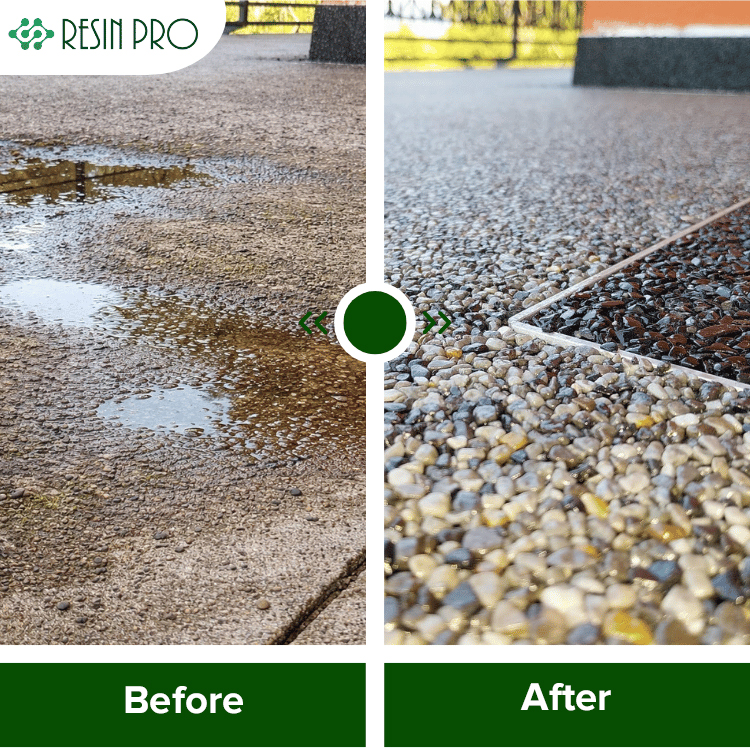
Professional and DIY Resin Installations
Professional installers bring industry experience and specialist equipment, while designed kits make DIY projects possible for homeowners with step-by-step instructions. Both approaches use high-quality resins and can achieve excellent results with proper planning.
Flowstone: DIY-Friendly Complete Permeable Floor Kit
If you’d like to try installing resin flooring yourself—especially for a driveway, footpath or patio—the “Flowstone” – Complete Permeable Floor Kit with Pebbles and Resin makes it possible. This comprehensive kit is developed for ease of use by installers at any skill level and includes everything needed for a successful project: resin, pebbles, and step-by-step instructions. For white aggregates, non-yellowing polyurethane is recommended, while coloured stones benefit from a low-yellowing epoxy. The solution is permeable, minimising puddling and allowing water to drain through, which is essential for UK outdoor spaces.
Polirock: Professional Polyurethane Binder for White Stones
Landscapers and contractors installing decorative, high-performance outdoor stone surfaces often select “Polirock” – Polyurethane Binder for White Stones, 2kg Two-Component Kit. This two-part polyurethane binder is weather-resistant and provides an anti-slip, no-yellowing finish ideal for white stones in pedestrian or vehicular settings. While suitable for experienced DIYers, its robust, clear finish and durability make it popular for commercial and public landscaping projects needing exposed white-stone surfaces.
Trasparente: Clear Epoxy Binder for Coloured Pebbles
For installations using colourful aggregates and grits, “Trasparente” – Epoxy Binder for Coloured Pebbles and Grits delivers a crystal-clear, UV-resistant result. Its low viscosity ensures smooth application even over intricate designs, making it suitable for both professionals and skilled DIY installers. Commonly used in driveways, permeable paths, and decorative patios, this binder maintains clarity and performance on warm and dark aggregates.
Resinstone: Methacrylic Resin for Sealing Concrete
Not all resin flooring involves bonding pebbles or gravel. Many professionals and DIYers need to seal, protect, or refresh concrete floors and driveways. The “Resinstone” – One-Component Methacrylic Resin for Concrete Floors and Driveways is perfect for this task. Its deep penetration, quick drying, and waterproof yet breathable formula help extend the lifespan of both new and existing concrete surfaces. Fast application appeals to contractors, while the simple one-component process suits homeowners managing their driveways or paths.
Resin Floors for Every Project and Surface
Whether you are resurfacing an ageing patio or constructing a new footpath, there is a resin solution purpose-built for your surface, climate, and appearance needs. Resin bound stone systems, like those in the Pebble Floors category, provide permeability and custom visual effects, while single-component resins offer convenience for sealing stamped concrete or garage floors. Professional installers remain crucial for complex, high-traffic or large-scale projects, but advances in kit packaging and clearer guidance now make DIY installation increasingly accessible—without sacrificing quality or durability.
Matching Your Surface to the Right Resin
Choosing the best resin system depends on surface type, climate, expected traffic and visual preference. Refer to our Pebble Floors for permeable outdoor surfaces, or the Multipurpose Epoxy Resins category for versatile sealing solutions.
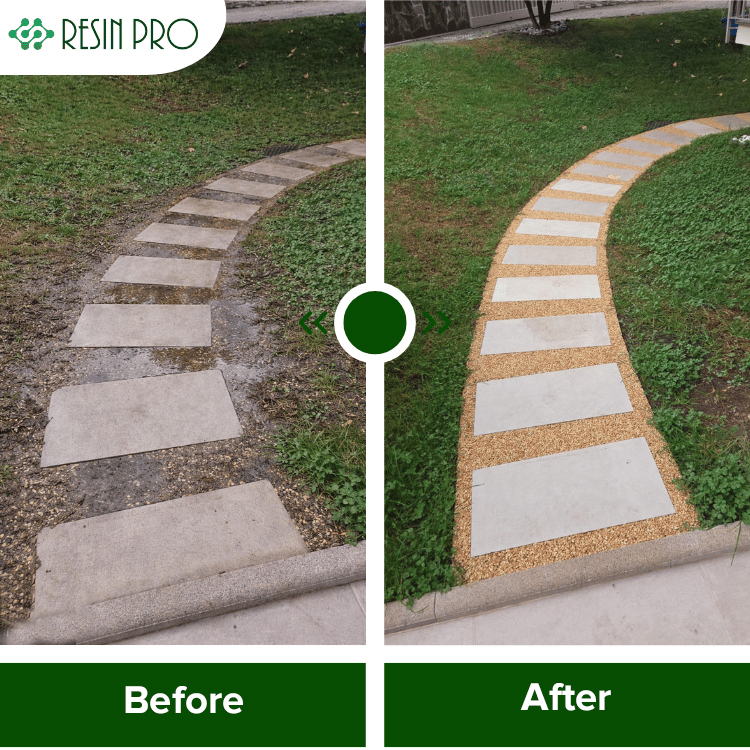
- "Flowstone" – Complete Permeable Floor Kit with Pebbles and ResinPrice range: £42.85 through £3,389.85Flowstone kit provides a durable permeable pebble and resin flooring solution suitable for driveways and patios, featuring easy application guidance.
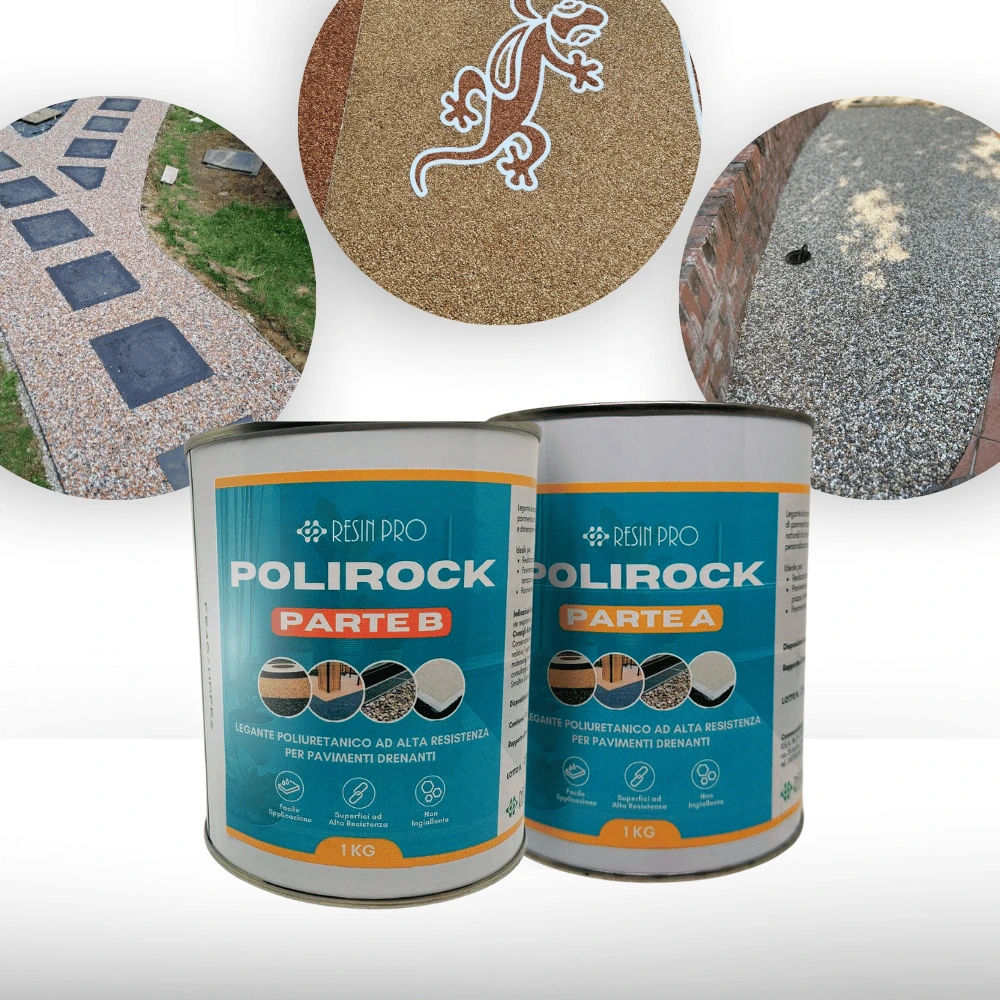 "Polirock" – Polyurethane Binder for White Stones, 2kg Two-Component Kit£58.85POLIROCK polyurethane binder creates durable, weather-resistant outdoor stone surfaces suitable for pedestrian and vehicle use.
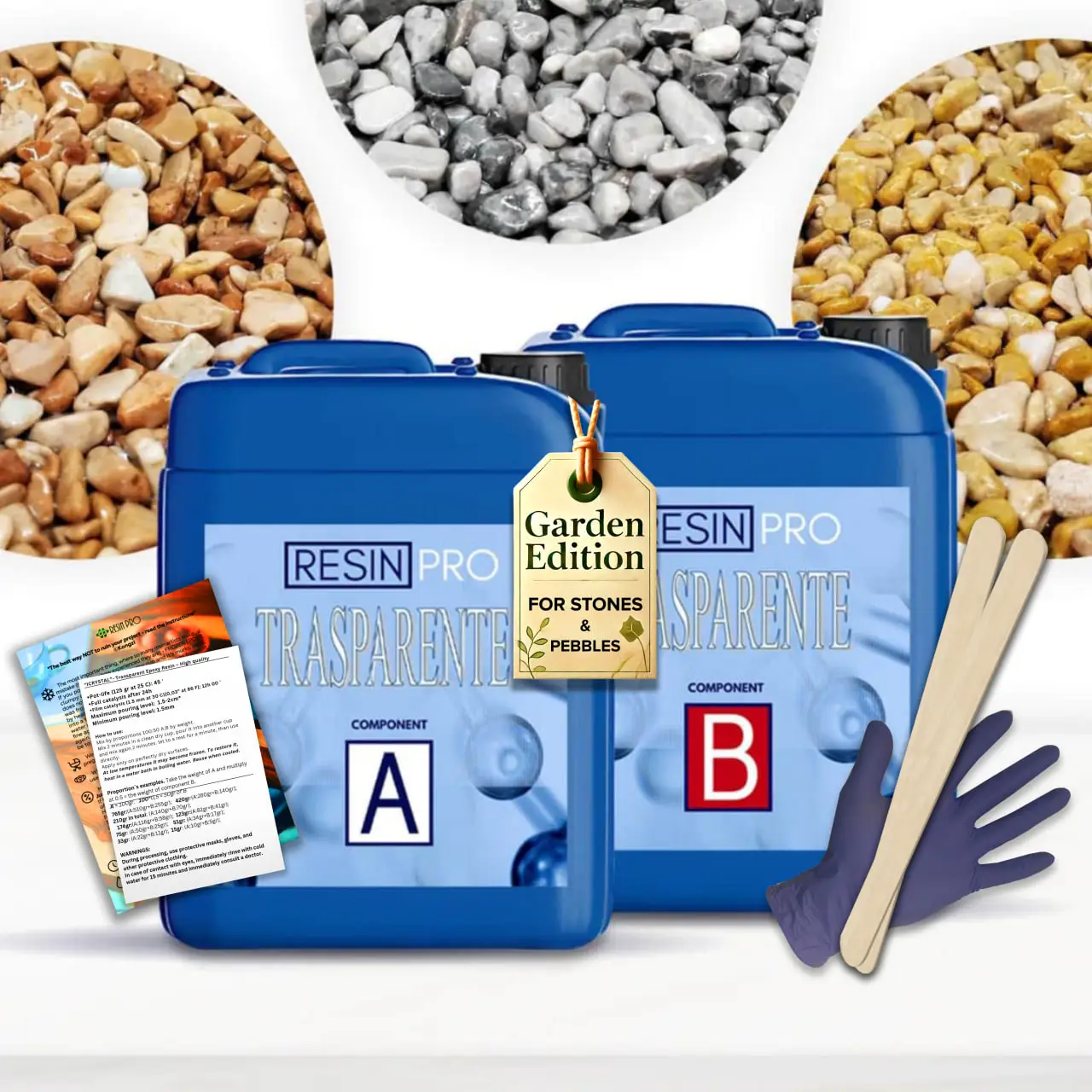 "Trasparente" – Epoxy Binder for Coloured Pebbles and GritsPrice range: £31.85 through £948.85"Trasparente" is a transparent epoxy binder designed for coloured pebbles and grits, suitable for flooring projects requiring clear, UV-resistant…
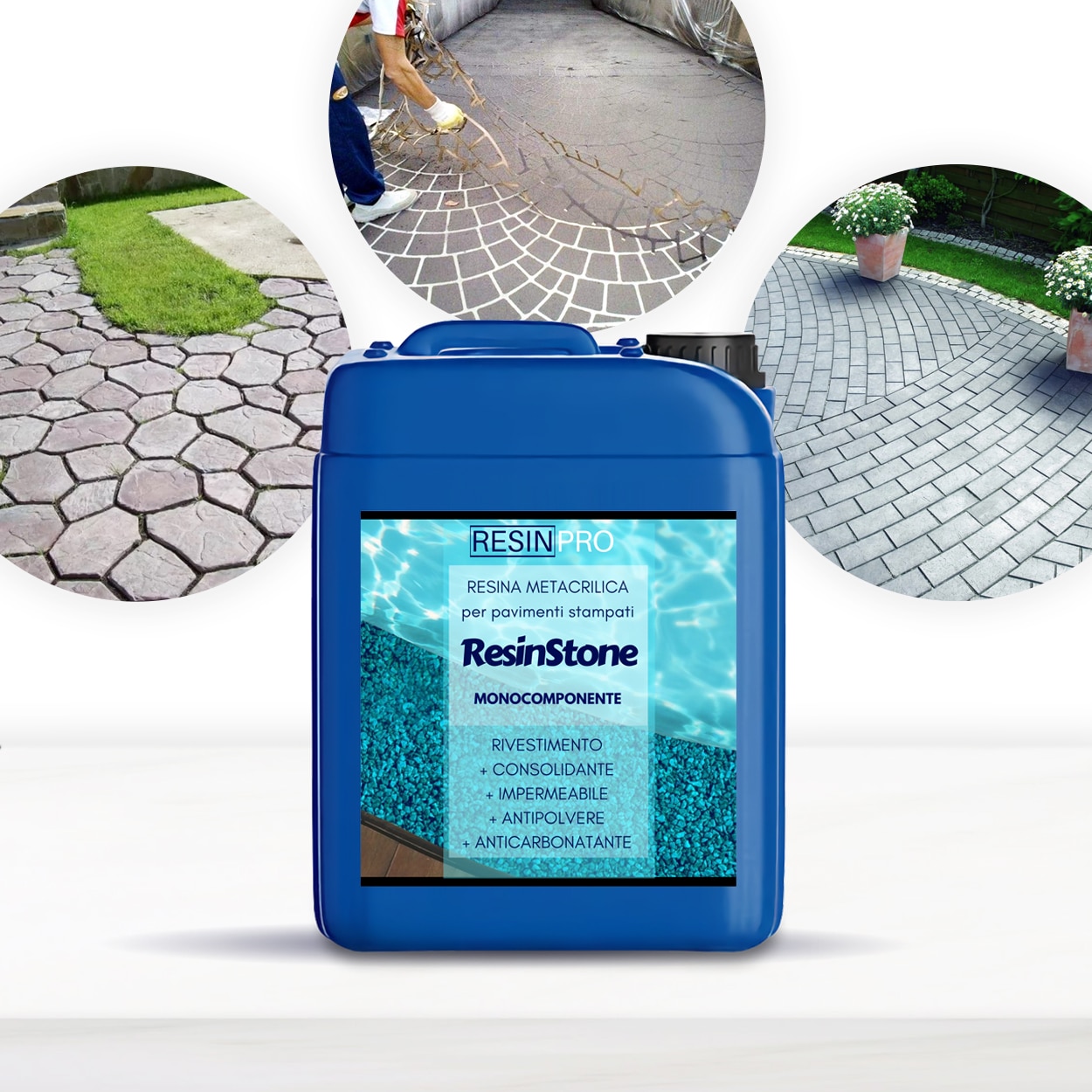 "Resinstone" – One-Component Methacrylic Resin for Concrete Floors and DrivewaysPrice range: £29.85 through £59.85"Resinstone" is a one-component methacrylic resin designed for sealing concrete floors and driveways, offering durable protection suitable for…
FAQs about Who Installs Resin Flooring
Which resin floor systems are suitable for DIY installation?
Kits such as the “Flowstone” – Complete Permeable Floor Kit with Pebbles and Resin are designed to be accessible for DIYers. They include user-friendly materials, guidance, and all necessary components for application. However, larger or technically demanding projects may still require skilled professionals.
Should I hire a professional or attempt resin flooring myself?
The choice depends on the scale and complexity of your project. Simple patios, paths, and restoration tasks are within reach of a confident DIYer using comprehensive kits. Professional installers offer fast, high-quality results for larger spaces or decorative designs.
Can resin floors be installed on existing concrete?
Yes. Sealing or protecting concrete with products like “Resinstone” – One-Component Methacrylic Resin for Concrete Floors and Driveways protects the slab, enhances appearance, and provides chemical and UV resistance. For bound stone overlays, proper surface preparation remains essential.
What specialist tools or skills are required?
For DIY kits, the main requirements are accurate surface preparation, careful mixing, and methodical spreading. Large-scale or custom resin installations may need a cement mixer, trowels, or mechanical application equipment. Professionals offer expertise in complex mixing ratios, levelling, and finishing.
Are there resin solutions for highly trafficked commercial areas?
Absolutely. Products like Polirock polyurethane binder and specialist epoxy systems are engineered for durability and resistance, commonly specified by commercial flooring installers for footpaths, driveways, and even car parks.
How long does resin flooring last?
With correct installation and product selection, resin flooring offers long service life, particularly with UV-resistant and waterproof formulas. Professional installation and ongoing maintenance contribute to the longevity of your resin surface.
Frequently Asked Questions
Should I hire a professional or attempt resin flooring myself?
The choice depends on the scale and complexity of your project. Simple patios, paths, and restoration tasks are within reach of a confident DIYer using comprehensive kits. Professional installers offer fast, high-quality results for larger spaces or decorative designs.
Which resin floor systems are suitable for DIY installation?
Kits such as the "Flowstone" – Complete Permeable Floor Kit with Pebbles and Resin are designed to be accessible for DIYers. They include user-friendly materials, guidance, and all necessary components for application. However, larger or technically demanding projects may still require skilled professionals.
Can resin floors be installed on existing concrete?
Yes. Sealing or protecting concrete with products like "Resinstone" – One-Component Methacrylic Resin for Concrete Floors and Driveways protects the slab, enhances appearance, and provides chemical and UV resistance. For bound stone overlays, proper surface preparation remains essential.
What specialist tools or skills are required?
For DIY kits, the main requirements are accurate surface preparation, careful mixing, and methodical spreading. Large-scale or custom resin installations may need a cement mixer, trowels, or mechanical application equipment. Professionals offer expertise in complex mixing ratios, levelling, and finishing.
Are there resin solutions for highly trafficked commercial areas?
Absolutely. Products like Polirock polyurethane binder and specialist epoxy systems are engineered for durability and resistance, commonly specified by commercial flooring installers for footpaths, driveways, and even car parks.
How long does resin flooring last?
With correct installation and product selection, resin flooring offers long service life, particularly with UV-resistant and waterproof formulas. Professional installation and ongoing maintenance contribute to the longevity of your resin surface.