 Free shipping on orders over £29,85
  Shipping Tracking!


 Google
 Facebook
How to make a mould for a large resin cube?
Expert steps for casting and demoulding full-size resin cubes
Creating a mould for a large resin cube allows you to craft bespoke blocks for display, art, or creative projects. This detailed guide explains the process, covering techniques for assembling, sealing, pouring, and finishing a cube mould with professional results. Beginners and experienced crafters alike can confidently tackle larger casting projects by following these steps for accuracy, safety, and quality outcomes.
What You’ll Need
- “Cube Mould” – Square Silicone Mould for Resin, 8.5×8.5cm: A precision silicone mould designed to deliver crisp, square resin cubes with easy demoulding.
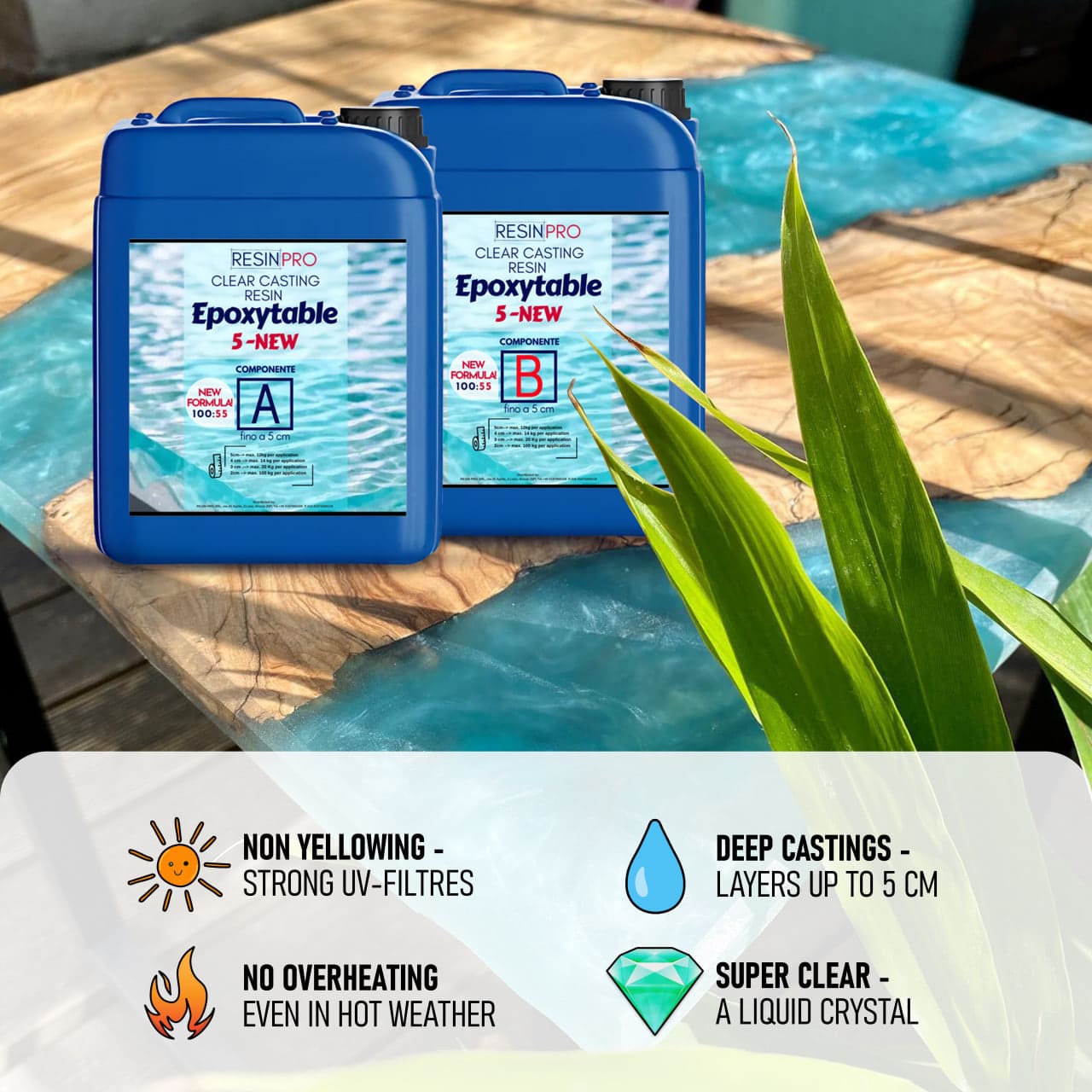
- “EpoxyTable 5-Five” – Deep Pour Epoxy Resin for Tables and Large Projects – Up to 5cm: Epoxy for casting cubes up to 5cm thick in a single pour.
- “Epoxytable 10-Ten” – Deep Pour Epoxy Resin for Tables, Up to 10cm Casting: Suitable for deeper cubes up to 10cm thickness in one pour.
- Precision mixing containers and stirring sticks
- Protective gloves and safety wear
- Release agent (if creating your own form)
- Spirit level and clamps (for custom moulds or frame support)

Workspace setup and material selection
Organise your workspace before starting any resin project. Choose a clean, level surface and arrange all required protective gear, tools, and materials. This preparation helps maintain safety, minimises contamination risk, and allows you to focus on accuracy and detail during your mould making.
Step 1: Prepare Your Workspace and Materials
Start by selecting a well-ventilated, clean, and flat work area to ensure both safety and an even mould result. Cover surfaces with protective sheeting to guard against spills. Gather all materials in advance and lay them out for efficient workflow. Always read the resin manufacturer’s guidance, as mixing ratios and curing times can vary depending on the product. Always ensure your workspace is dust-free and level to reduce imperfections in your finished cube.
Step 2: Assemble and Seal the Mould
If you’re using a ready-made silicone cube mould, ensure it is dry, clean, and free from previous residues. For custom-built moulds (using acrylic, MDF, or melamine), securely glue or tape all joints and reinforce with clamps. Apply a silicone sealant or a suitable release agent to all seams to prevent resin leakage during the pour. Proper sealing is crucial to prevent leaks and reduce the risk of sticking. Double-check for gaps or gaps at corners before proceeding.
The “Cube Mould” – Square Silicone Mould for Resin, 8.5×8.5cm is ideal here because its non-stick silicone surface aids in easy demoulding and minimises imperfections, reducing the need for additional release products.
Step 3: Mix and Pour the Resin
Prepare your chosen resin in line with the manufacturer’s recommended mixing ratios. Stir thoroughly to blend resin and hardener, scraping the sides and base of your container to avoid unmixed patches. If the project requires a large cube over 5cm in depth, opt for “Epoxytable 10-Ten” – Deep Pour Epoxy Resin for Tables, Up to 10cm Casting which is suitable for a single pour up to 10cm.
Pour the mixture slowly into the mould, starting from one corner. This reduces the risk of air entrapment and bubbles. Tap the sides gently or use a heat gun briefly to encourage trapped air to rise and escape. Avoid overfilling the mould to prevent overflow and ensure a level top surface. For thicker cubes, pour in layers if necessary, allowing partial curing between layers as recommended.

Step 4: Cure and Demould
Allow the resin to cure undisturbed, covered with a box or plastic sheet if possible to prevent dust settling on the surface. Reference the cure times specified by your chosen product—cubes over 5cm poured with deep pour resin may require longer, cooler cures to avoid overheating. Do not move or flex the mould during curing.
Once fully cured (typically 24–48 hours for most large pours), carefully remove the cube from the mould. The silicone cube mould releases easily, but for custom rigid forms, gently pry or tap apart the sides. Remove air bubbles promptly for a clearer finish and only unmould once the resin is entirely set to avoid surface distortion.

Tips, Troubleshooting, and Common Mistakes
Check temperature and humidity—extreme cold or heat can affect curing and clarity. Never rush the mixing or pouring process. Always read safety data for your resin system, wear gloves, and work in a ventilated area. Consider practising on a smaller mould before tackling a full-sized cube if you are new to large-scale resin casting.
If you notice leaks, pause the pour and reseal joints with silicone, then resume only once cured. If air bubbles persist, use a fine needle or brief heat gun application to pop them at the surface immediately after pouring.
Quality control and finishing advice
Inspect your cured cube for imperfections after demoulding. Minor surface marks can often be sanded or polished away using appropriate pads or creams. If deeper flaws are present, adjust your sealing or pouring techniques for improved results on your next attempt.

- "River-Table" – Complete Kit for Creating Your First Epoxy Resin TablePrice range: £188.85 through £444.85"River-Table" kit provides materials and instructions for a wood and resin table project, suitable for those following the mould theme.
- “Epoxytable 10-Ten” – Deep Pour Epoxy Resin for Tables, Up to 10cm CastingPrice range: £33.85 through £334.85“Epoxytable 10-Ten” is an epoxy resin designed for deep pour casting up to 10cm, suitable for large table and artistic creations.
 "EpoxyTable 5-Five" – Deep Pour Epoxy Resin for Tables and Large Projects – Up to 5cmPrice range: £16.85 through £1,099.85"EpoxyTable 5-Five" is designed for deep pour projects up to 5cm thick, suitable for tables and large creative applications.
 "Cube Mould" – Square Silicone Mould for Resin, 8.5×8.5cm£8.45Square silicone mould designed for creating resin cubes using professional materials and straightforward techniques.
Frequently Asked Questions
What mould is best for casting large resin cubes?
Silicone cube moulds offer precise dimensions and easy demoulding, making them ideal for large resin cubes.
Which resin is suitable for deep pouring?
Use deep pour epoxy resins designed for up to 5cm or 10cm casting thickness to avoid overheating and achieve clear results.
How can I remove bubbles in thick resin casts?
Pour slowly, tap the mould sides, and use a heat gun briefly on the surface immediately after pouring.
How do I prevent resin leaks from a cube mould?
Seal all joints thoroughly with silicone or appropriate sealant before pouring. Double-check for gaps in corners.
What should I do if my resin cube doesn’t cure?
Ensure correct resin-to-hardener ratio and adequate mixing. Check ambient temperature and cure time per product instructions.
How do I demould a large resin cube safely?
Wait until the resin is fully cured before unmoulding. Use gentle pressure and avoid force to prevent surface damage.