 Free shipping on orders over £29,85
  Shipping Tracking!


 Google
 Facebook
How to make a resin ring on YouTube
Step-by-step ring making, inspired by popular YouTube tutorials


Creating your own resin ring is a satisfying and creative way to craft bespoke, personalised jewellery. Inspired by popular YouTube tutorials, this guide shows you exactly how to make a stunning resin ring step by step—from setup all the way to finishing touches. Whether you are just starting or looking to improve your crafting skills, these tips help you achieve professional-looking results at home.
What You’ll Need
- “Evershine Collection” – Artisan Jewellery Epoxy Resin Kit with 100+ Accessories for all-in-one convenience and beginner-friendly tools.
- “UV–Creation” – Fast Acrylic Resin, 3 Minute UV Cure if you prefer ultra-fast UV-cured rings.
- “ICreation” – Fast Epoxy Resin, 6h Demoulding, Transparent Gloss Finish for rapid project turnaround with a clear finish.
- “One-2-One” – Epoxy Resin for Handcraft, 1:1 Mixing Ratio for easy mixing by volume and reliable results.
- Ring moulds (often included in the resin kit)
- Mixing cups and sticks
- Nitrile gloves and protective apron
- UV lamp (if using UV resin)
- Optional: pigments, glitters, dried flowers for decoration

See Your Workspace Get Creative
Organise all your tools and safety equipment before you start. A tidy workspace sets you up for resin success, making each stage smooth and enjoyable.
Visual inspiration helps—watching a few short project videos on YouTube can show what’s possible with different colours and inclusions.
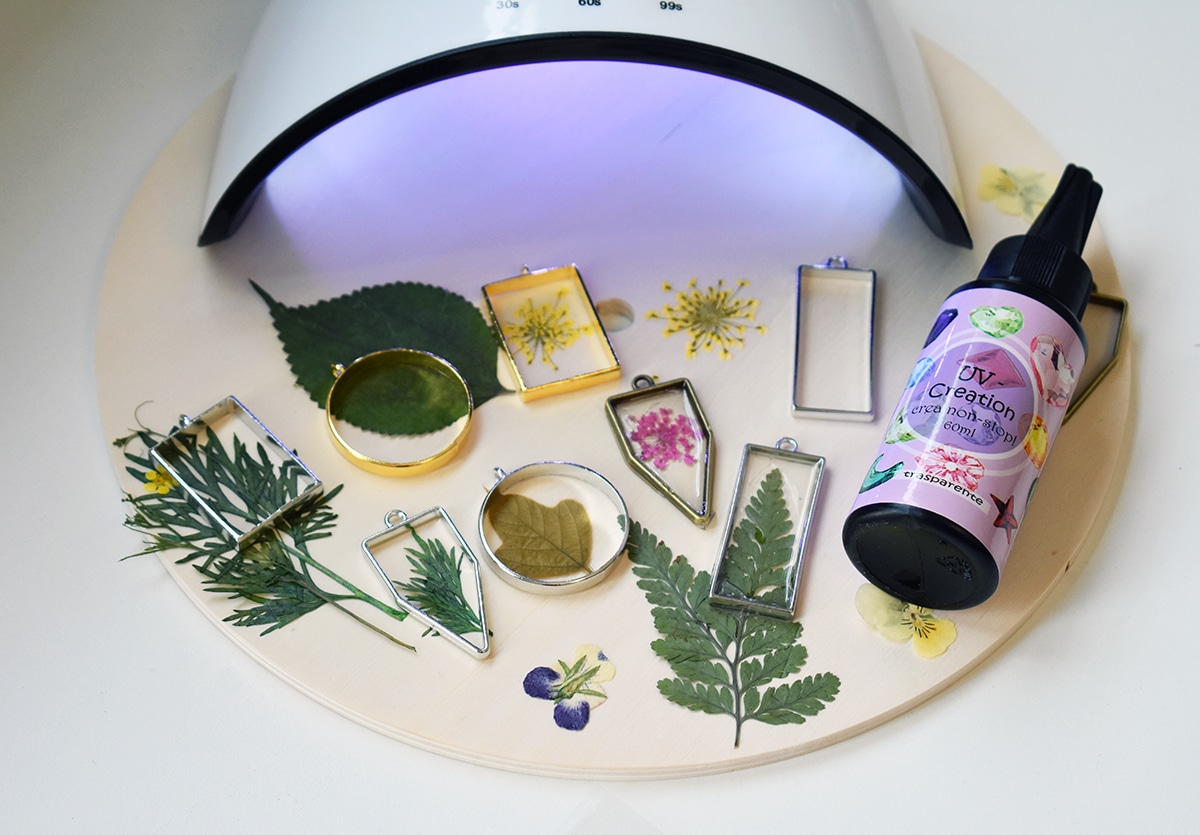
Step 1: Prepare Your Workspace and Materials
Set up a clean, dust-free and well-ventilated workspace, covering the surface with a silicone mat or protective sheet. Put on gloves and an apron to prevent skin contact with resin. Gather all your materials so they are within easy reach. Always read the safety instructions on your resin kit and follow any specific guidance provided.
If using an all-in-one kit such as the “Evershine Collection” – Artisan Jewellery Epoxy Resin Kit with 100+ Accessories, unpack the ring moulds, mixing accessories and pigments for quick access.
Step 2: Mix and Colour the Resin
Follow the product’s mixing instructions carefully. For classic epoxies such as “One-2-One” – Epoxy Resin, mix equal parts resin and hardener by volume in a disposable cup. Stir slowly for at least two to three minutes to combine thoroughly, scraping the sides and bottom as you go. Slow, gentle mixing helps reduce air bubbles.
If you use “UV–Creation” – Fast Acrylic Resin, no mixing is needed; simply pour the ready-to-use resin straight into your mould. Add colourants or inclusions (like glitters or dried flowers) as desired, ensuring they’re resin-safe. Use a toothpick or mixing stick to distribute inclusions evenly through the resin.
Step 3: Pour Into Ring Moulds and Remove Bubbles
Carefully pour the mixed or ready-to-use resin into your ring moulds. Fill each mould slowly and steadily, avoiding overflows and taking care not to trap air. To minimise bubbles, tap the sides gently or use a pin to pop visible bubbles before curing. Avoid overfilling, as resin can spill and make demoulding harder.
Work in thin layers if you wish to embed decorative elements at different depths, letting each layer settle for a few minutes before adding the next. With “ICreation” – Fast Epoxy Resin, you get a rapid 6-hour demoulding time, making multi-layered effects easier and more efficient.
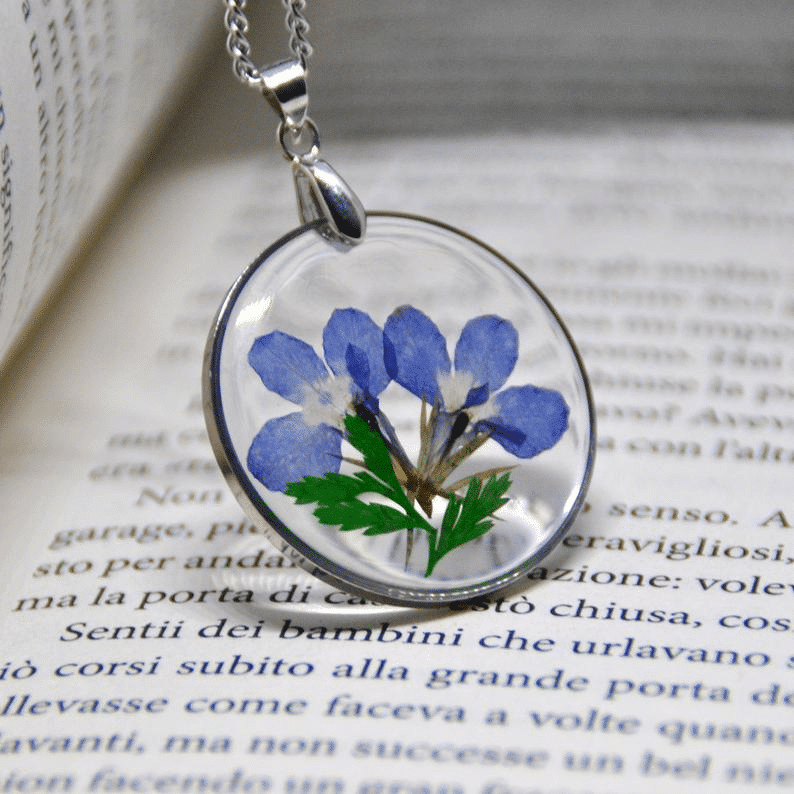
Step 4: Cure, Demould, and Finish the Ring
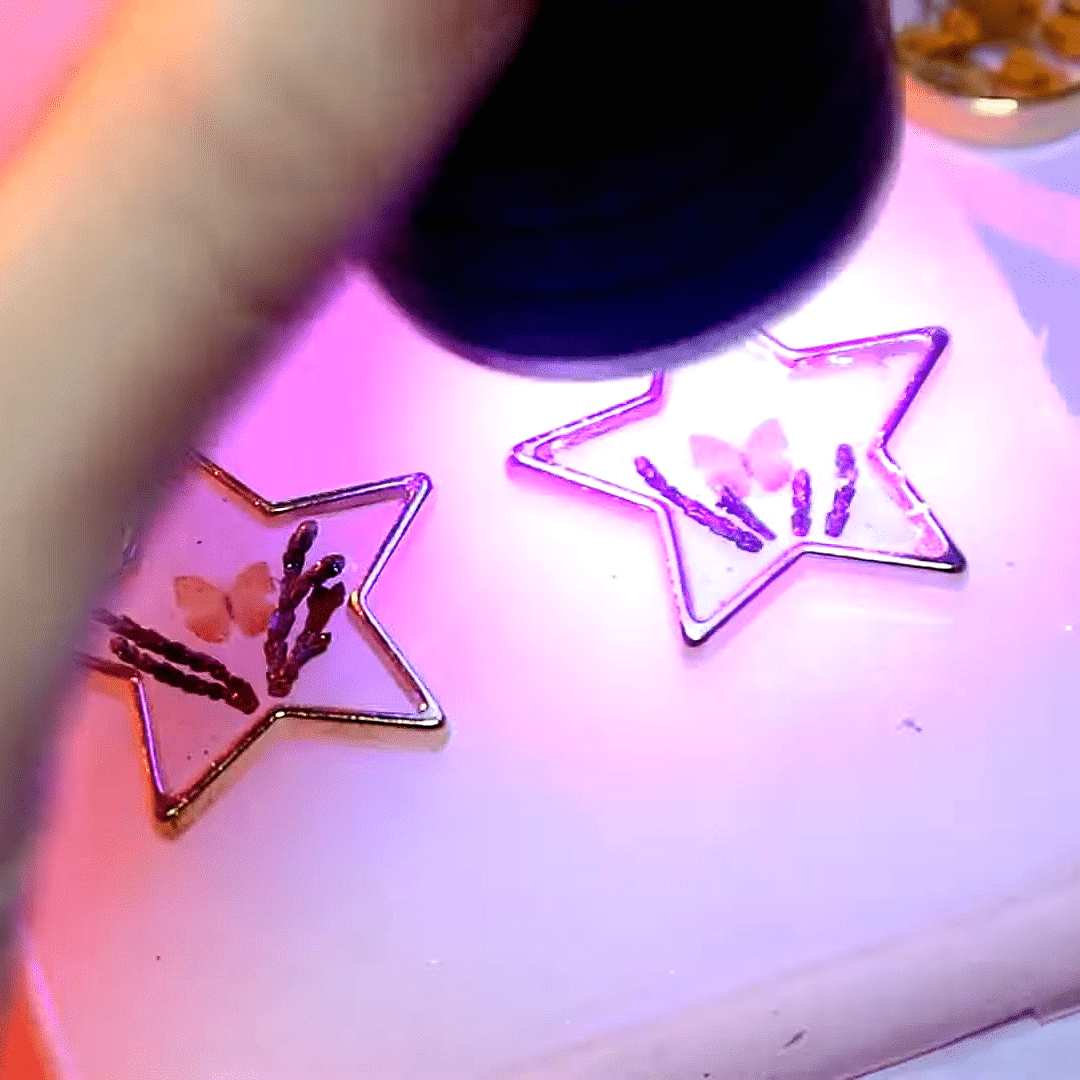
Allow your resin to cure fully. For epoxy resin, follow the specific product’s guidance—most require 6 to 12 hours. UV resin, such as “UV–Creation” – Fast Acrylic Resin, cures under a UV lamp in just a few minutes. Ensure the lamp is powerful enough and all surfaces are exposed for thorough curing. Use a UV lamp only with UV-cure resins.
Carefully demould your ring once fully set. If needed, gently sand rough or sharp edges with a fine nail file or micro-mesh. Polish with a soft cloth for a glossy finish. Add findings or decorate further as desired for a truly unique result.
Tips, Common Mistakes, and Troubleshooting
- Work in a well-ventilated area and use gloves for safety.
- Avoid trapping air bubbles when mixing or pouring—slow, careful movements help.
- Give your pieces enough time to cure before demoulding to avoid deformed shapes.
- If the resin stays sticky, double-check your mixing ratio and room temperature—some resins are sensitive to cold.
- Clean up spills immediately. Hardened resin can be difficult to remove from surfaces.
Keep Your Resin Ring Project Flawless
Testing your resin on a small piece before your main ring project can help avoid frustration. If new to resin, practise basic pours and demoulding with leftover moulds first.
After curing, store finished rings out of direct sunlight to preserve their clarity and prevent yellowing over time.
- "Evershine Collection" – Artisan Jewellery Epoxy Resin Kit with 100+ Accessories£20.85A jewellery epoxy resin kit featuring 500g of clear epoxy and over 100 accessories for crafting personalised pieces.
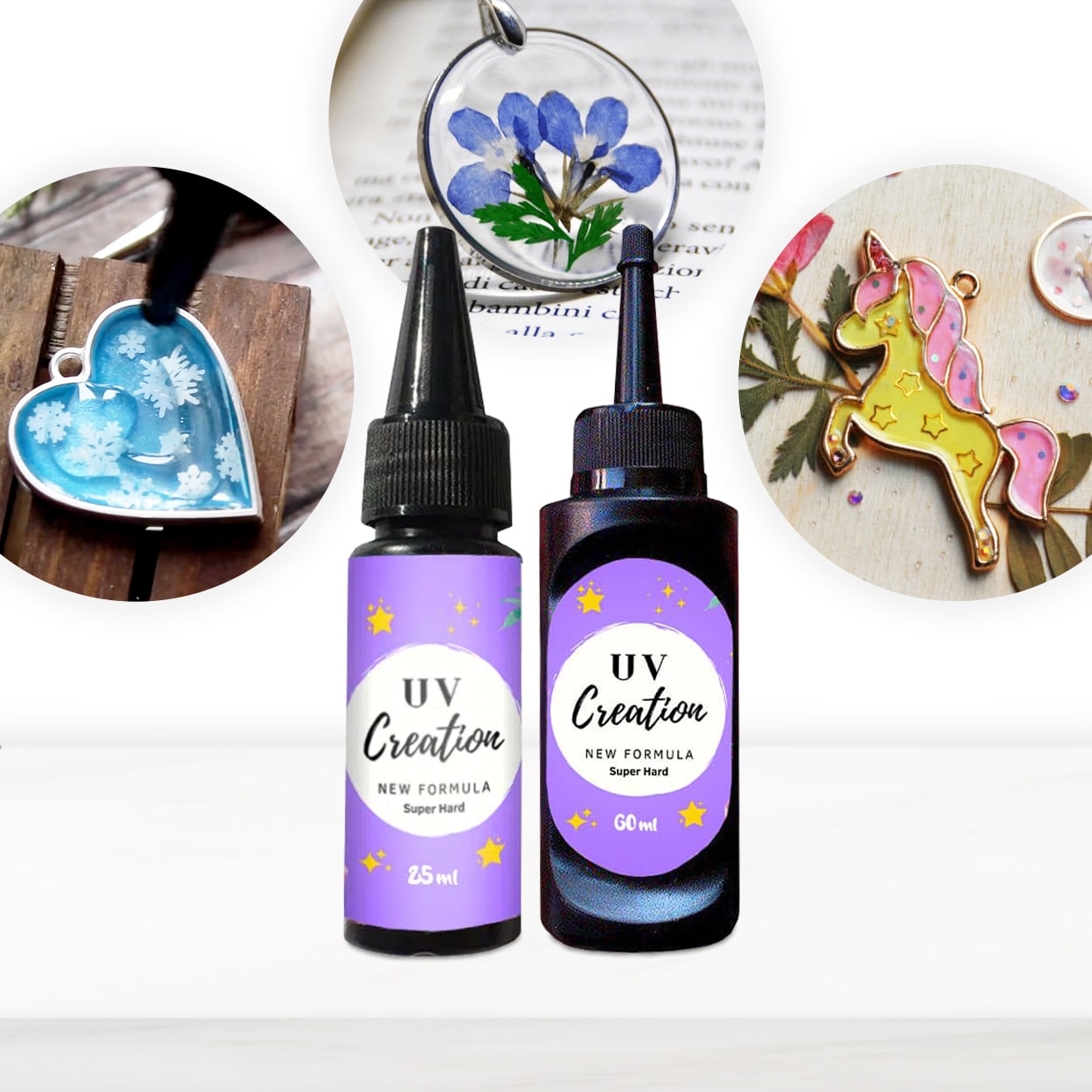
- "UV–Creation" – Fast Acrylic Resin, 3 Minute UV CurePrice range: £7.85 through £59.85UV–Creation Fast Acrylic Resin is designed for jewellery and crafts with quick 2–3 minute curing under UV light, providing a clear, glossy finish.
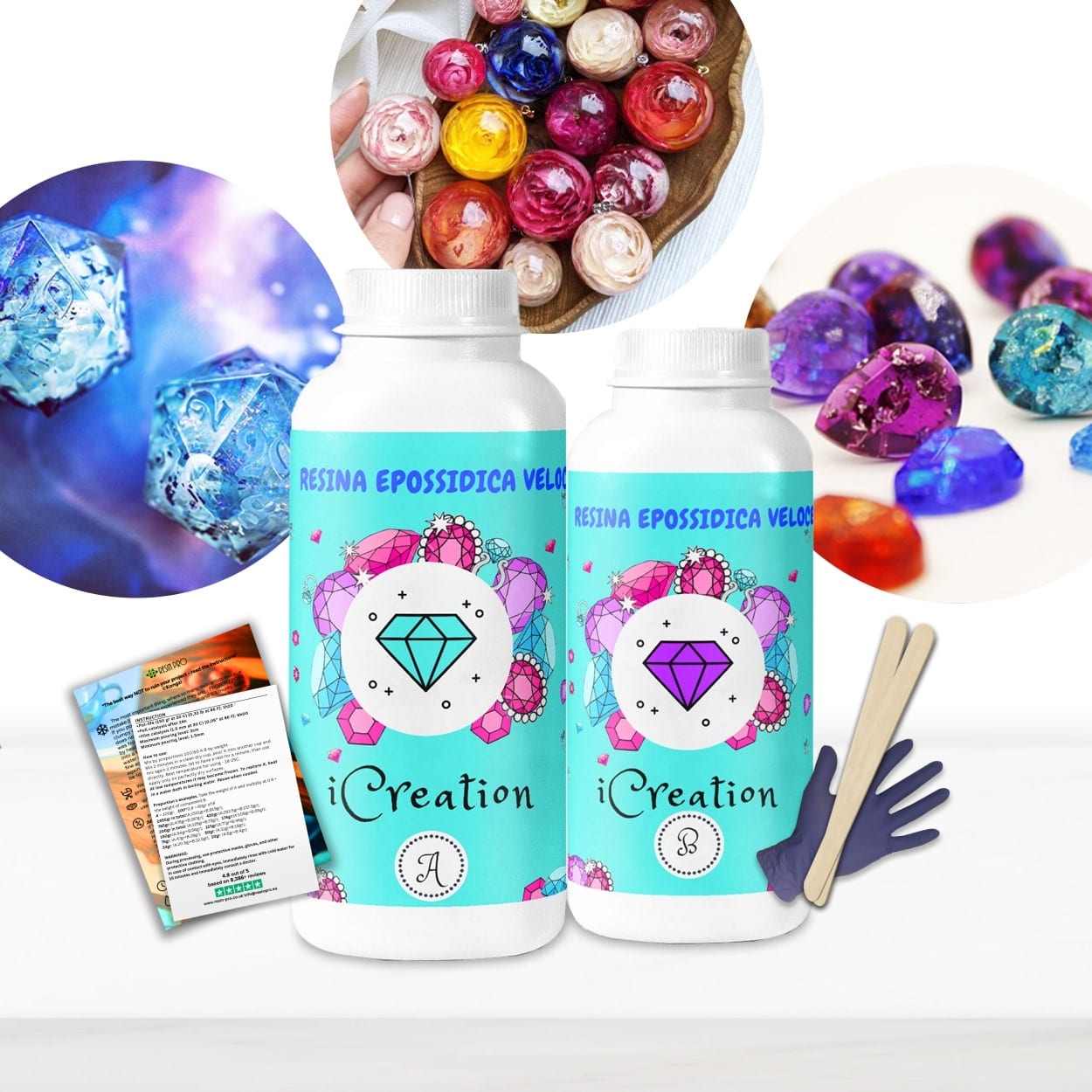 "ICreation" – Fast Epoxy Resin, 6h Demoulding, Transparent Gloss FinishPrice range: £19.40 through £52.85"ICreation" fast epoxy resin offers a 6-hour demoulding time and a crystal-clear finish suitable for jewellery and craft projects.
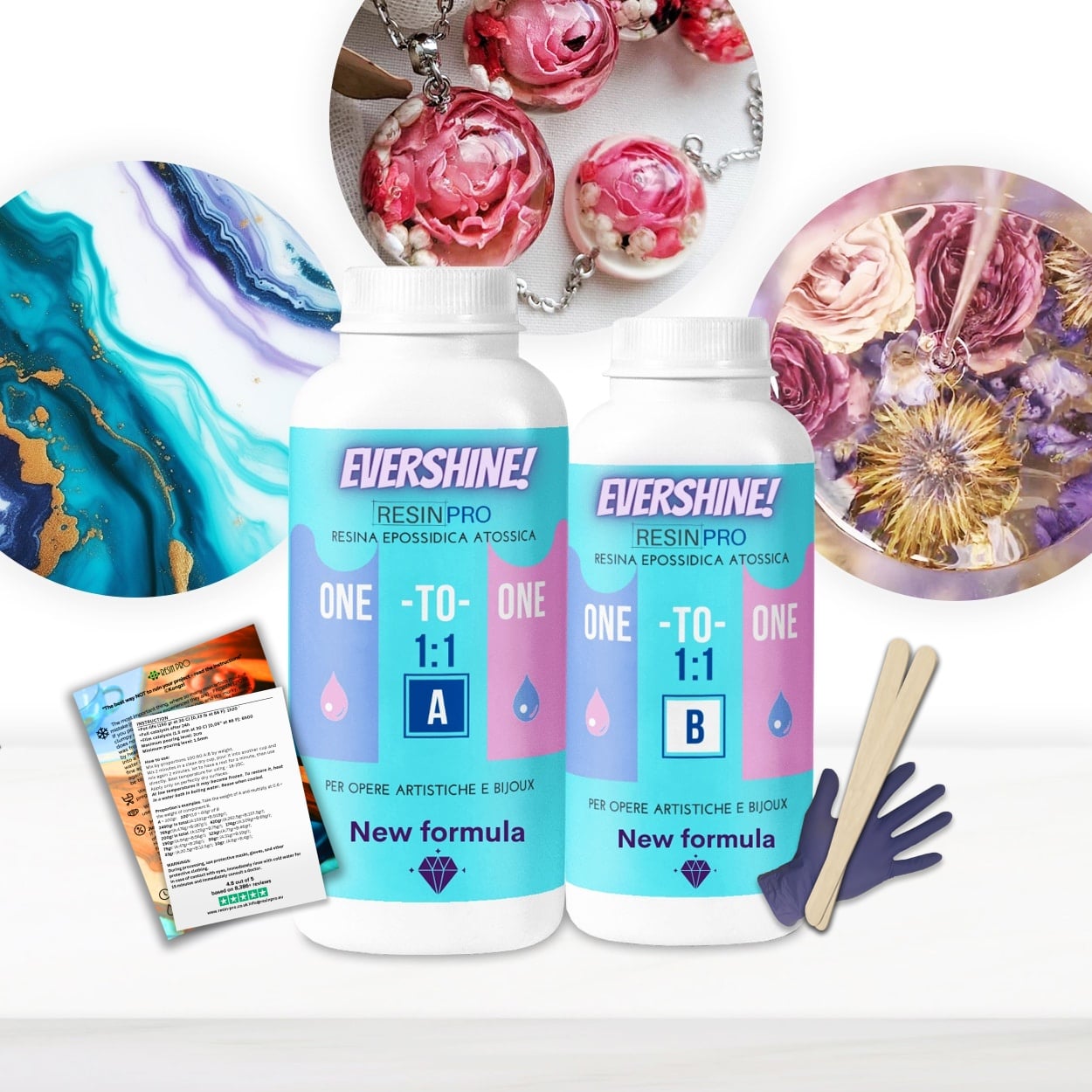 "One-2-One" – Epoxy Resin for Handcraft, 1:1 Mixing RatioPrice range: £14.85 through £56.85One-2-One epoxy resin offers a medium viscosity and a simple 1:1 mixing ratio, suitable for jewellery and decorative handcraft projects.
Frequently Asked Questions
Which type of resin is easiest for beginners making rings?
A 1:1 mixing epoxy like One-2-One is simple to use and ideal for starters.
Should I choose UV or epoxy resin for homemade rings?
UV resin is best for ultra-fast results, while epoxy resins offer more working time and durability.
How do I avoid bubbles when casting rings?
Mix slowly and pour gently; use a toothpick to pop any bubbles before curing.
How long do I need to wait before demoulding a resin ring?
Epoxy rings usually demould after 6–12 hours; UV resin rings cure in minutes under a lamp.
Can I add dried flowers or glitter to my resin jewellery?
Yes, both can be embedded in clear resin for custom effects—just ensure they're fully dry.