 Free shipping on orders over £29,85
  Shipping Tracking!


 Google
 Facebook
How do you make resin cement?
Step-by-step guide to resin-bound surfaces for outdoor use


Creating resin cement is an ideal solution for achieving elegant, hard-wearing, and low-maintenance decorative floors, paths, and driveways. This guide explains the process for making resin-bound aggregate surfaces that combine aesthetic versatility with long-lasting durability. Resin cement projects are suited for homeowners, landscapers, and professionals aiming for attractive, permeable flooring solutions.
What You’ll Need
- “Trasparente” – Epoxy Binder for Coloured Pebbles and Grits: Crystal-clear binder for coloured and dark aggregates.
- “Flowstone” – Complete Permeable Floor Kit with Pebbles and Resin: Contains all essentials for outdoor resin-bound surfaces.
- Clean, dry aggregates (pebbles, gravel, or grits).
- Mixing containers and paddles.
- Protective gloves and work clothing.
- Steel float, trowel, or spreader for application.
- Measuring scale or buckets (for consistent ratios).
- Masking tape and sheeting (to protect adjacent areas).
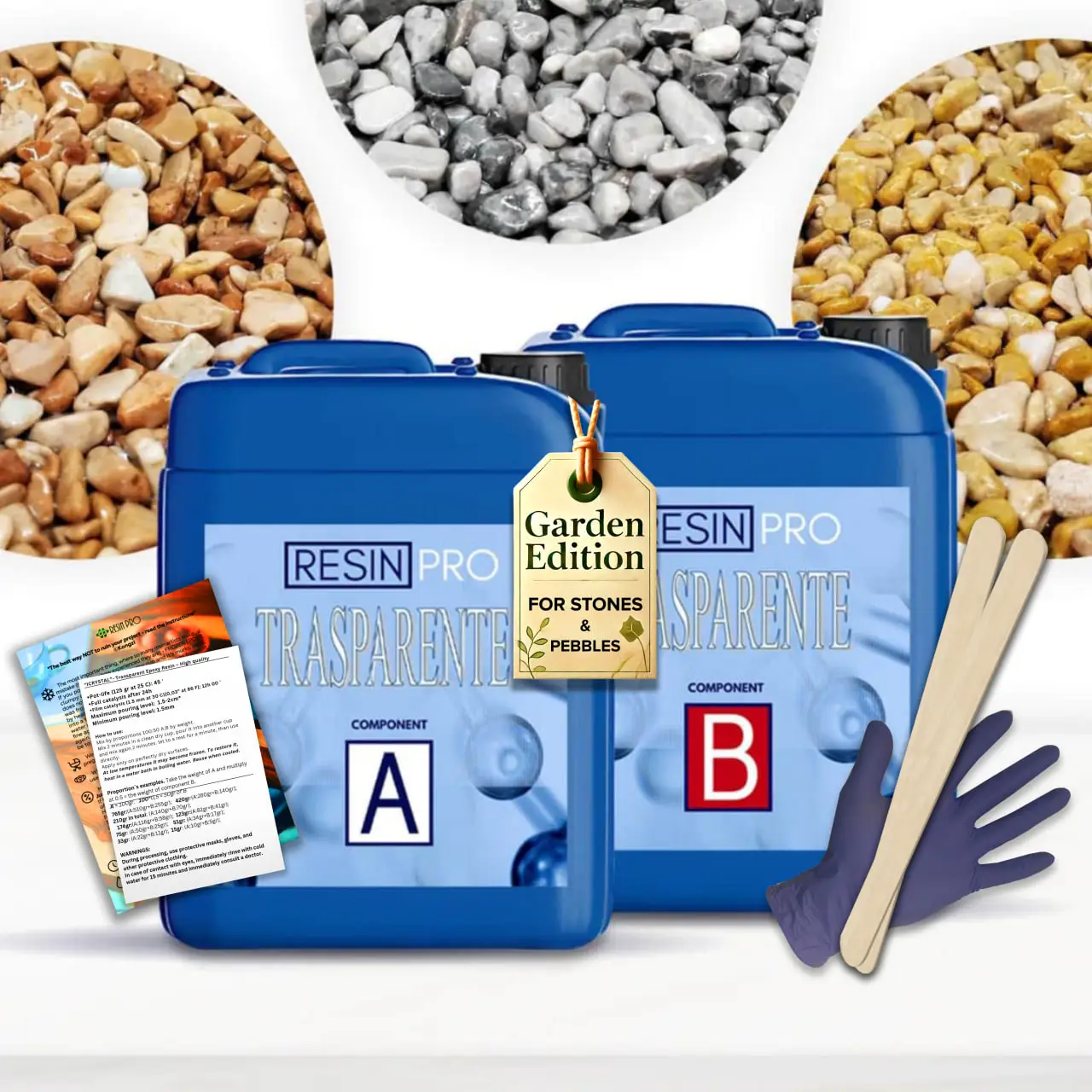
Visual Guide to Preparing and Mixing Resin Cement
See how clean, dry aggregates and the precise resin mix create a flawless base for decorative pebble flooring. Notice the clarity and consistency achieved with high-quality binders and step-by-step preparation.

Step 1: Prepare the Surface and Materials
Start by inspecting and preparing the substrate. Surfaces should be clean, dry, and structurally sound—concrete, compacted gravel, or stable tarmac are typical bases. Clear away any debris, dust, or loose material. Ensure all aggregates are completely dry before mixing with resin, as moisture can cause poor bonding and cloudiness in the final surface. Take time to lay masking tape along the area’s edges to prevent spills and achieve a crisp finish.
Safety is paramount; wear gloves and ensure adequate ventilation throughout the project. Double-check product instructions for any additional preparation or priming steps required by the specific resin system you are using.
Step 2: Measure and Mix the Resin Binder with Aggregates
Carefully measure the resin binder and aggregate to achieve your desired mix. A 3% resin-to-stone ratio by weight is a common starting point, but always refer to product-specific guidance for optimal results. Begin by pouring the required amount of resin into a clean container, combining both components if it is a two-part system (such as the “Trasparente” – Epoxy Binder for Coloured Pebbles and Grits).
Gradually add dry aggregates to the mixed resin, stirring constantly for thorough, uniform coating. Work swiftly as the resin begins curing within minutes, particularly in warmer weather. Consistency in mixing directly affects performance and appearance, so be methodical and avoid over-mixing, which can introduce excess air bubbles.
Step 3: Spread and Level the Resin-Aggregate Mixture
Pour the freshly mixed resin and aggregate onto the prepared surface. Use a steel float or trowel to spread the mixture, pressing it firmly into place. Apply the mixture evenly to achieve a uniform thickness—typically 10–20mm for footpaths and up to 30mm for driveways. Work small sections at a time and avoid stopping mid-way, as visible joins can appear if not blended immediately.
Smooth the surface using sweeping and pressing motions, ensuring complete compaction and a sealed, level finish. If edges are defined, use a straight edge or timber batten to maintain clean lines. Any excess mixture can be shaped or trimmed before it sets.
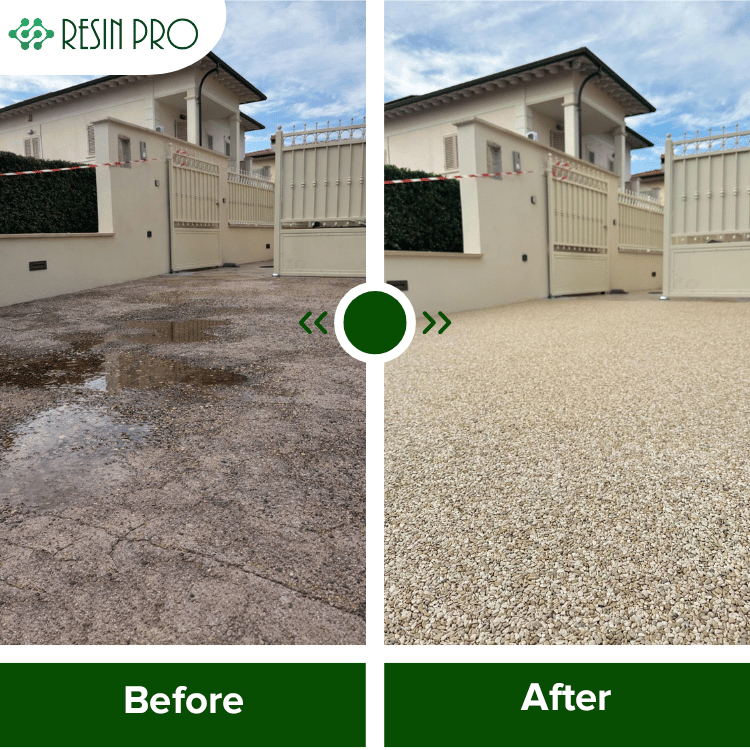
Step 4: Allow Proper Curing and Protect the Area
Once application is complete, resin-bound surfaces must cure undisturbed for 24 hours (or as specified by the manufacturer). Protect the area from foot traffic, pets, rain, and debris. Curing in cool, dry weather produces optimal results; avoid exceptionally cold or hot days, which may impact final hardness and clarity.
After the recommended curing time, remove the tape and check the entire area for uniformity. Light cleaning may be performed after full cure, but avoid using harsh chemicals or excessive water in the first few days.
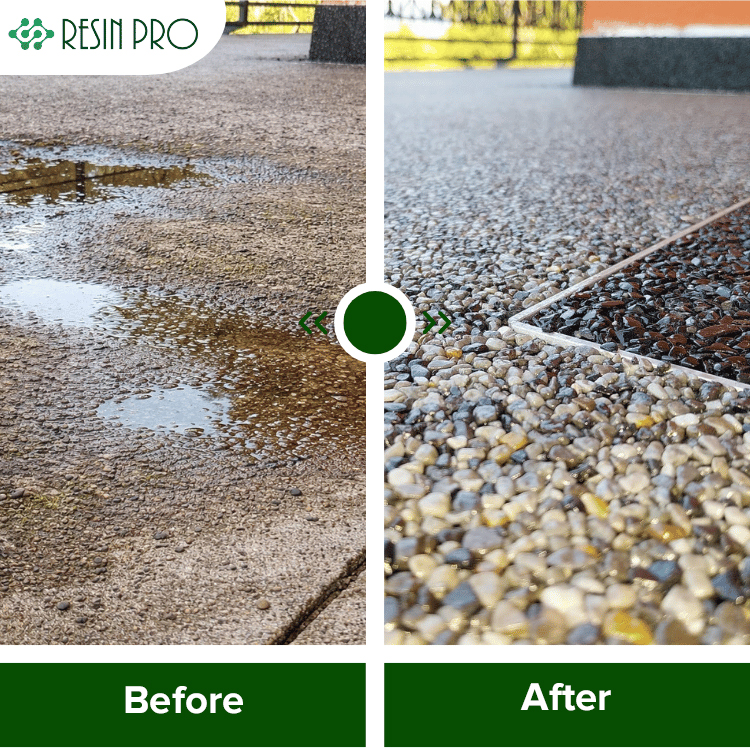
Expert Tips and Common Pitfalls
Avoid high humidity or rain during application and curing, as moisture can impair resin bonding and result in a cloudy finish. Always follow the specific instructions for your resin cement product, including temperature ranges and mixing ratios. Be mindful of working times and only mix what can be applied before the resin begins to harden. Pay special attention to thorough aggregate drying, as even slight dampness may negatively affect the final surface appearance and strength.
Application and Curing Process in Action
Watch expert techniques for levelling, compacting, and curing resin cement on outdoor paths and driveways, highlighting the difference a controlled environment and patient curing make for durable, beautiful finishes.

- "Trasparente" – Epoxy Binder for Coloured Pebbles and GritsPrice range: £31.85 through £948.85"Trasparente" epoxy binder offers a clear, UV-stable finish for coloured pebbles and grits, suitable for decorative flooring projects.
- "Flowstone" – Complete Permeable Floor Kit with Pebbles and ResinPrice range: £42.85 through £3,389.85Flowstone kit provides a durable, permeable pebble and resin floor solution suited for outdoor surfaces in the UK climate.
 "Trasparente" – Multipurpose Clear Epoxy Resin for Casting – Up to 2cmPrice range: £8.45 through £948.85"Trasparente" clear epoxy resin offers a glossy, self-levelling finish to layers up to 2 cm, suitable for detailed casting and woodworking.
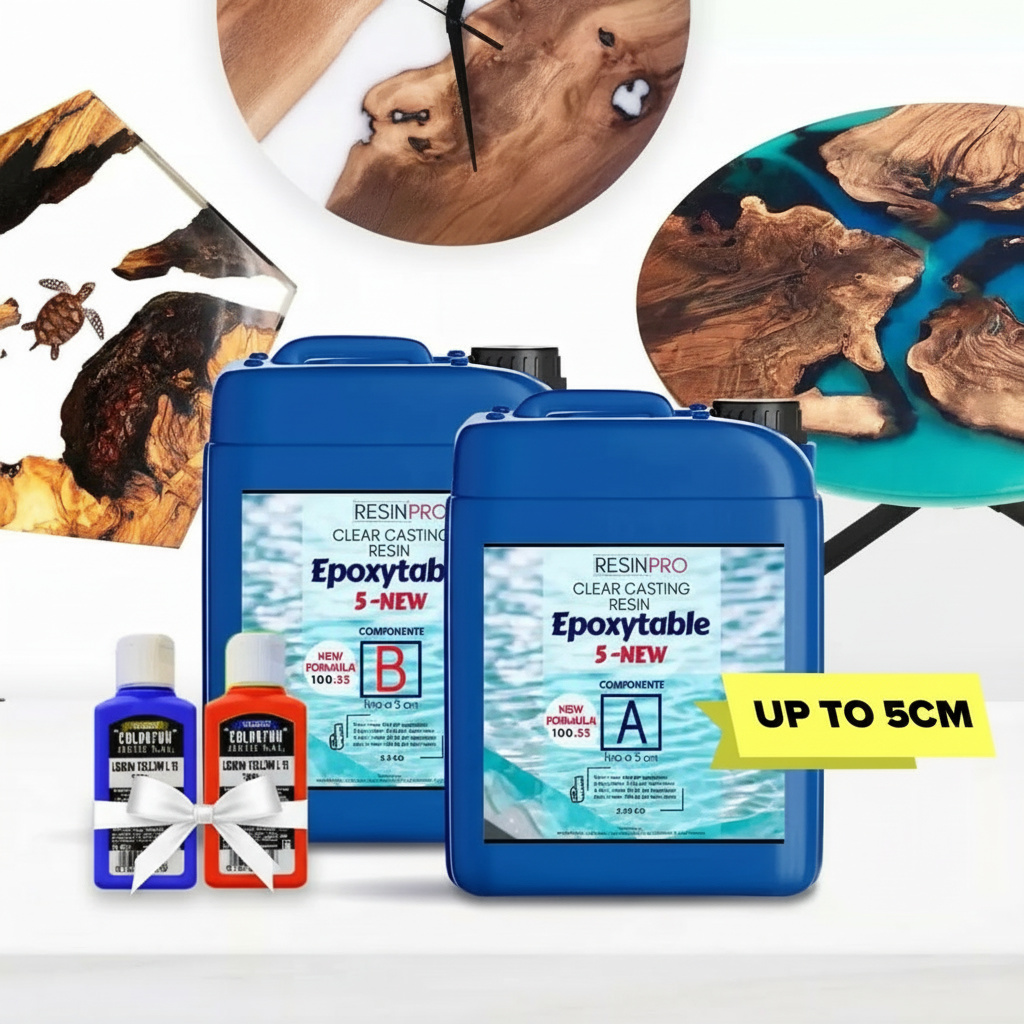 "EpoxyTable 5-Five" – Deep Pour Epoxy Resin for Tables and Large Projects – Up to 5cmPrice range: £16.85 through £1,099.85"EpoxyTable 5-Five" resin is designed for deep pour projects up to 5cm, suitable for tables and large artistic work.
Frequently Asked Questions
What is the ideal resin to stone ratio for making resin cement?
A 3% resin-to-stone ratio by weight is standard, but adjust slightly based on aggregate size and manufacturer advice.
Can resin cement be used for driveways?
Yes, resin cement with suitable aggregates is excellent for driveways, offering both durability and decorative appearance.
What type of aggregate should I use for resin cement?
Use clean, dry pebbles or gravel, ideally sized for decorative intent and specified for compatibility with your chosen resin.
How long does it take for resin cement to cure before use?
Resin cement generally cures enough for light foot traffic in 24 hours, but wait up to 7 days for full mechanical strength.
Does rain affect outdoor resin cement during curing?
Yes, exposure to rain or high humidity during curing can compromise bonding, clarity, and strength. Always shield surfaces.
Can cracks or chips in resin cement surfaces be repaired?
Yes, minor damage can be spot repaired by cleaning, filling with mixed resin and aggregate, and blending with the surrounding area.