 Free shipping on orders over £29,85
  Shipping Tracking!


 Google
 Facebook
How do you make moulds with silicone rubber?
Step-by-step guide for detailed and reusable silicone moulds
Creating your own silicone rubber moulds opens up a world of possibilities for crafting, model making, jewellery, and more. With the right preparation and technique, you can make durable, detailed moulds for pouring resin, plaster, wax, concrete, or even replicating unique objects. Whether you are a hobbyist or a professional artisan, this guide walks you through each step for excellent results with silicone rubber.
What You’ll Need
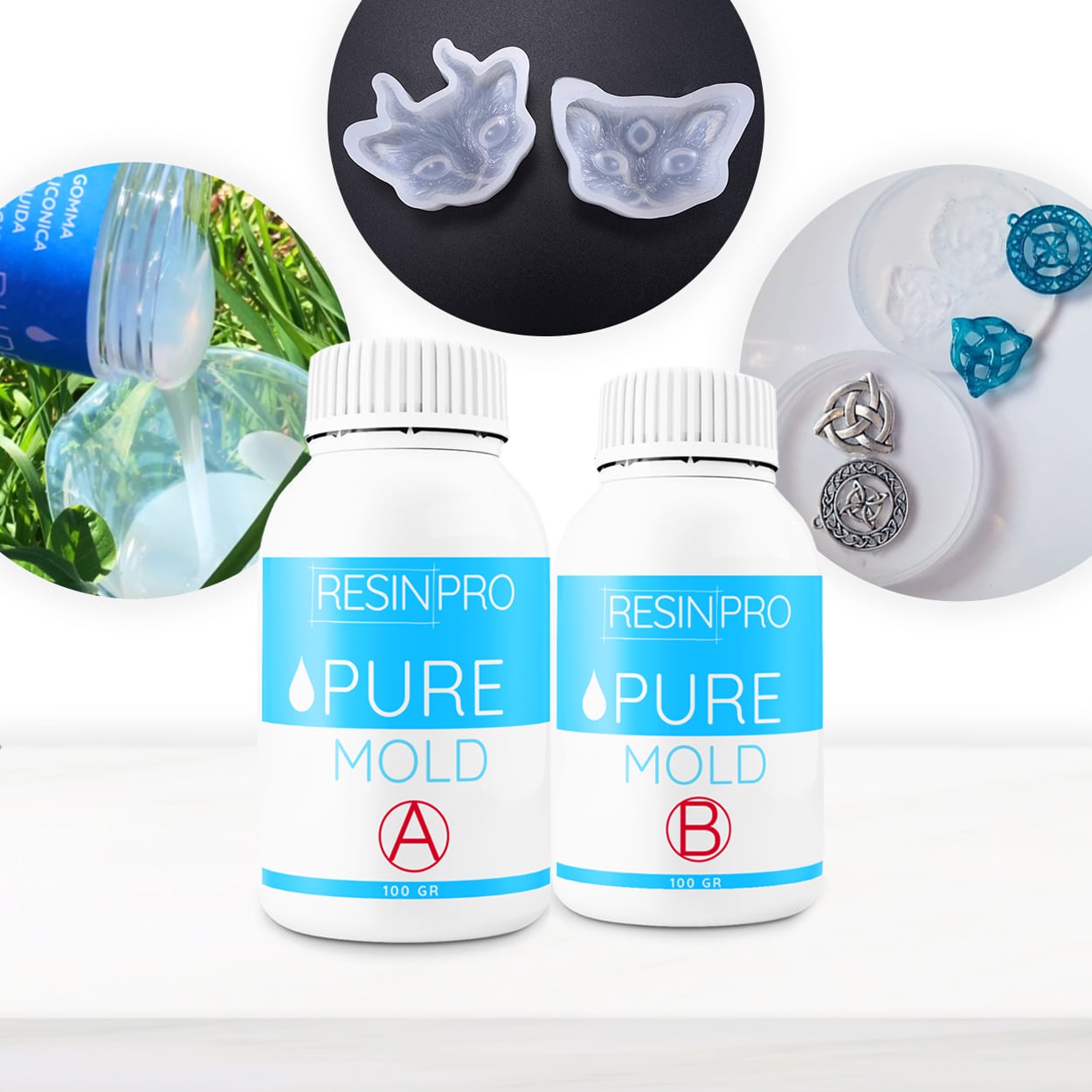
- “Pure Mould” – Translucent Liquid Silicone Rubber for Mould Making: Translucent, versatile and ideal for detailed moulds compatible with resins, plaster, and cement.
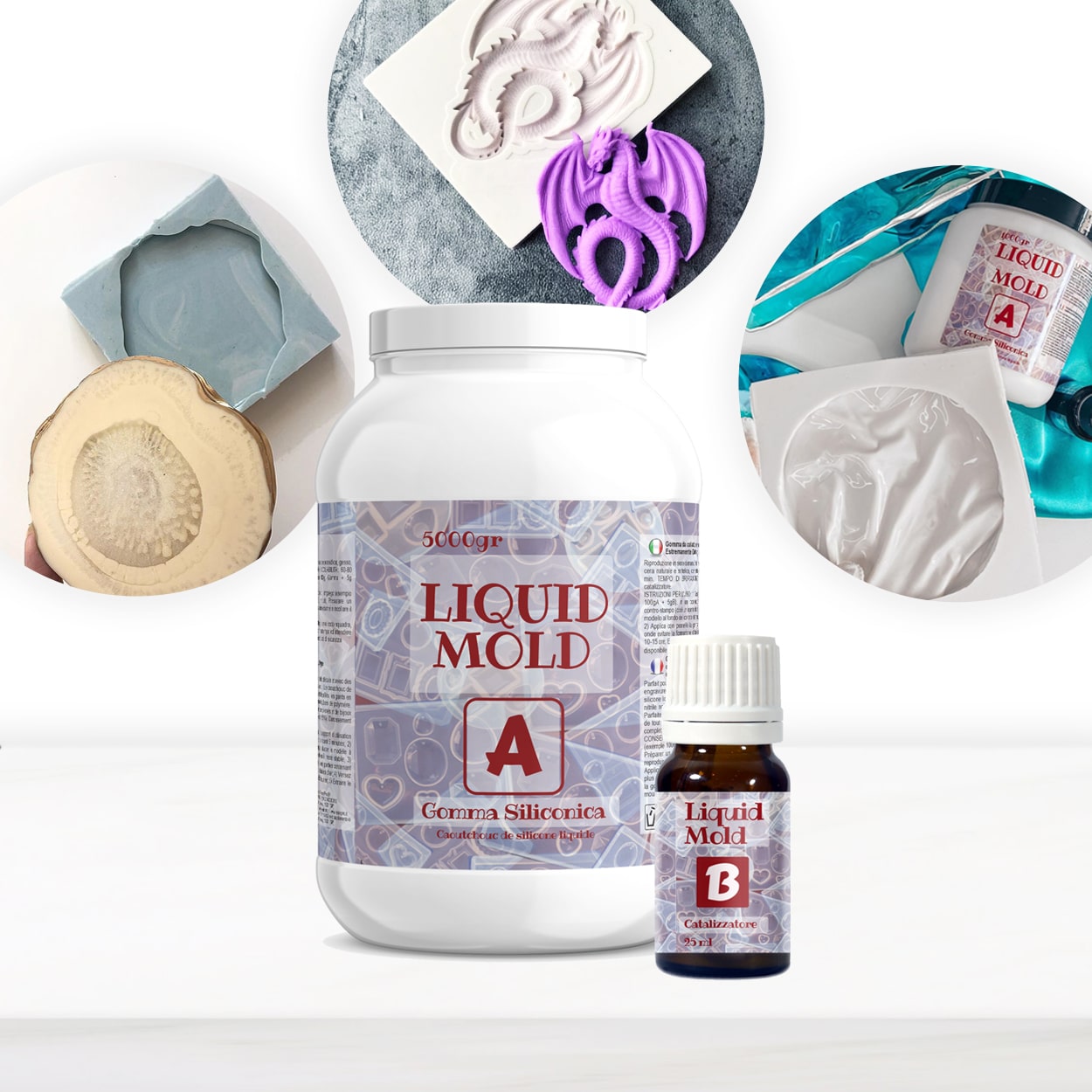
- “Liquid Mould” – Casting Liquid Silicone Rubber, 5-40 Shores, Bi-Component A+B: Bi-component silicone for highly detailed, small to medium objects – excellent for reproductions.
- “I–Gum” – Non-Toxic Silicone Putty for Mould Making: Putty-form silicone suited for on-the-spot or textured moulds for resin and other materials.
- Mould container (plastic cup, box or custom-built)
- Mixing tools and containers
- Protective gloves (optional, especially for liquid silicones)
- Release agent (if moulding a non-porous or delicate original)
- Digital scale (for precise ratio)
- The original item you wish to replicate
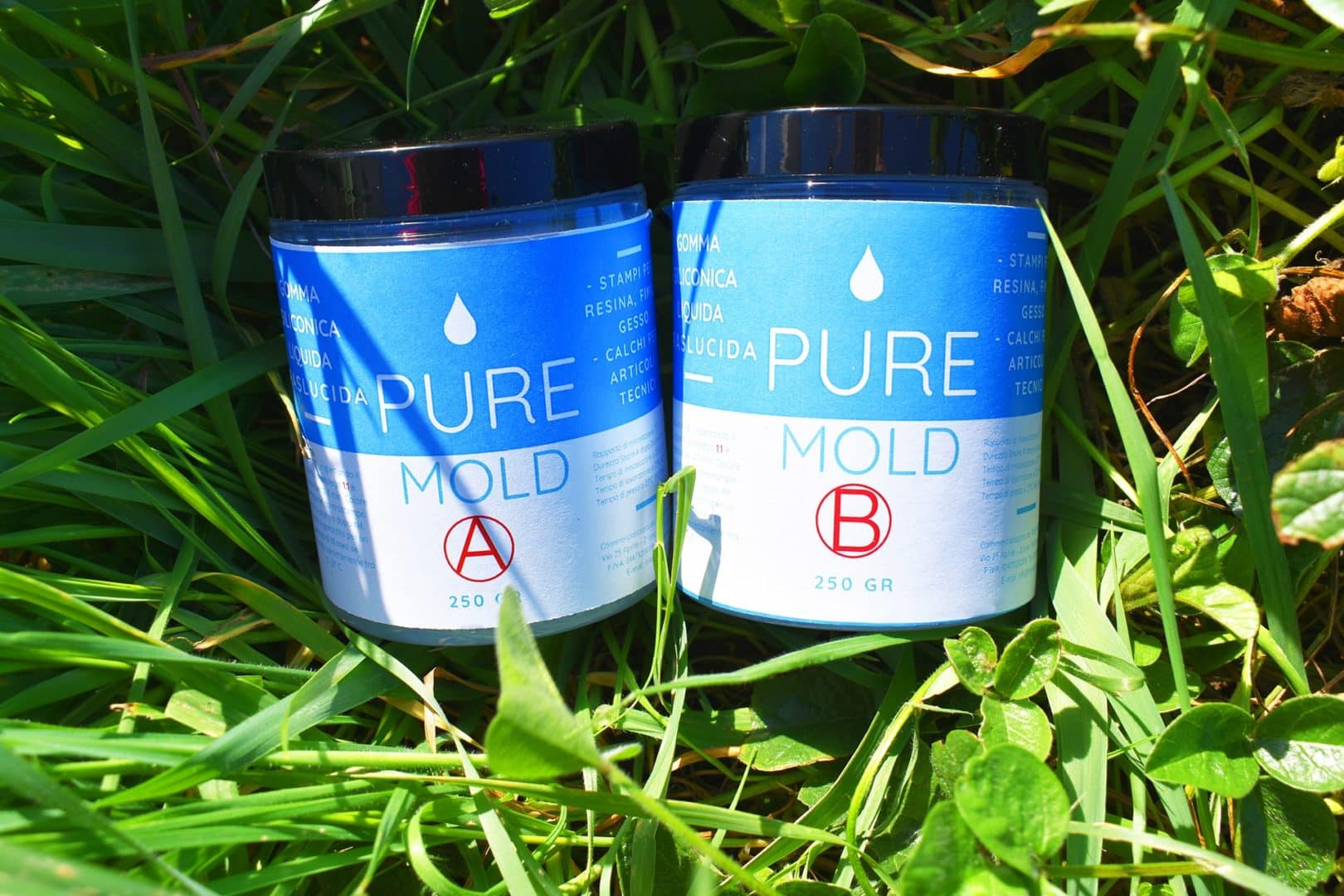
Essential tools for successful silicone mould making
Gathering all necessary tools and choosing the right type of silicone rubber is crucial for achieving the best results. Preparation at this stage prevents frustration and saves time later in the process. Select your silicone based on the detail required and the object size.
Step 1: Prepare Your Workspace and Model
Begin by selecting a clean, flat, and dust-free area to work in. The working environment should be stable in temperature, ideally between 18–25°C, which helps the silicone cure evenly. Set out all your materials and mixing tools before starting, and protect your surfaces to avoid spills.
Choose the item you want to mould. The model should be free of oils, dust, or loose parts. If the item is porous (such as plaster or wood), seal it with a suitable primer to prevent the silicone from bonding or causing bubbles. For originals with deep undercuts or delicate surface textures, consider applying a release agent to ensure easy removal of the cured mould.
Step 2: Measure and Mix the Silicone Rubber
Read the instructions for the chosen silicone rubber carefully; different products have different mix ratios and pot lives. For example, both “Pure Mould” and “Liquid Mould” silicones require careful weighing of each part, usually a 1:1 mix ratio or as specified by the manufacturer. For silicone putty like “I–Gum” – Non-Toxic Silicone Putty for Mould Making, use equal parts by volume and knead together until the colour is uniform.
Always measure silicone parts by weight for liquid types, and mix thoroughly to prevent unmixed portions which can cause sticky spots.
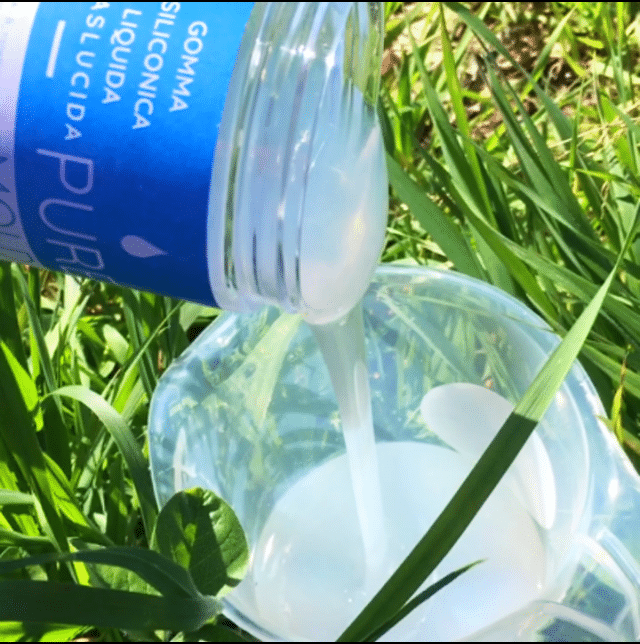
Mix thoroughly but avoid whipping air in, which can lead to bubbles in your mould. For intricate objects, pouring the silicone slowly in a thin stream helps air escape.
Step 3: Pour or Apply the Silicone and Cure
For liquid silicone, pour gently into the lowest part of your mould box and allow it to flow over the item, filling all gaps. Tap the mould box gently to release trapped air. For models with intricate or vertical details, a two-part pour (using a release between each half) or brushing silicone onto the object in layers might be needed.
With silicone putty types such as “I–Gum” – Non-Toxic Silicone Putty for Mould Making, press the mixed putty directly onto the object, ensuring full coverage and no trapped air. Work quickly as pot life can be as little as 20 minutes.
Allow time for full curing as per product label – typically 3–8 hours for liquid types and less for putty forms.
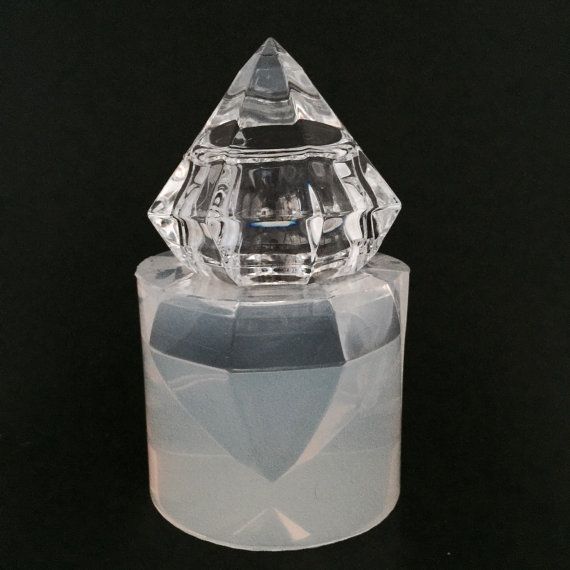
Step 4: Demould and Inspect Your Silicone Mould
Once curing is complete, gently disassemble the mould box or peel away the silicone putty. Remove your original object carefully, especially if it has fine details or undercuts.
Check detailed undercuts before demoulding as rough handling can tear thin silicone parts. If your mould has captured all the details from the master, give it an initial wash with mild soap and rinse thoroughly before using for casting.
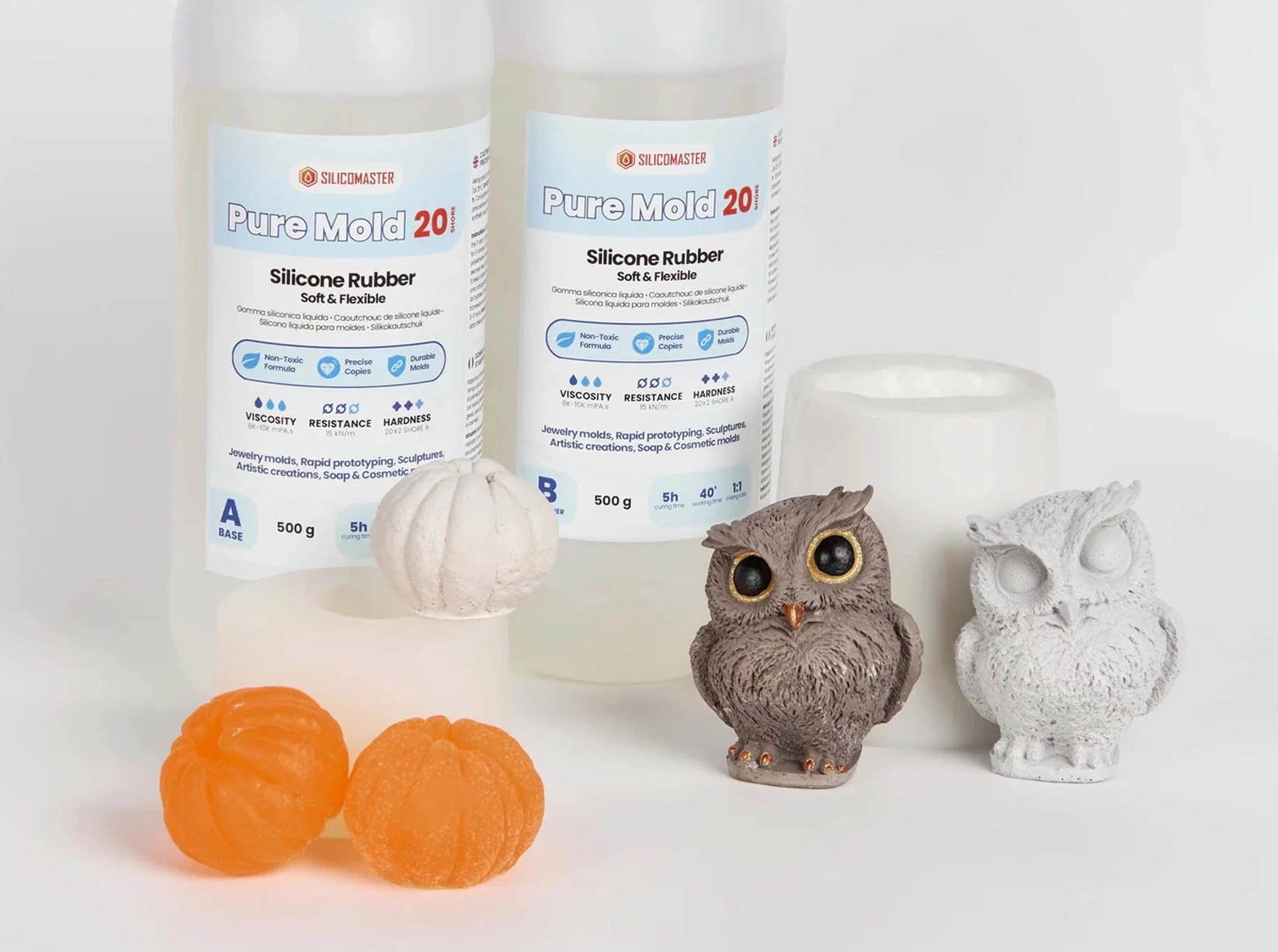
Tips, Troubleshooting, and Common Mistakes
Work cleanly to avoid contaminants that may prevent the silicone from curing or bonding properly. Do not rush the mixing – take your time to ensure a uniform mixture.
Avoid using household utensils for measuring or mixing, as even trace residues of oil or soap can affect the silicone’s performance. If bubbles persist in your liquid silicone, consider degassing the mixture or pouring from a small height to minimise trapped air. Thin sections and deep undercuts require particular care during demoulding to avoid tears.
For best longevity, store your completed silicone moulds out of direct sunlight and away from high heat.
Troubleshooting your first silicone mould project
Most errors in mould making result from shortcuts in mixing, timing, or preparation. Take your time with each step and handle the cured mould gently. If you encounter incomplete curing or loss of detail, review mixing ratios and try a slower, more deliberate pour next time.
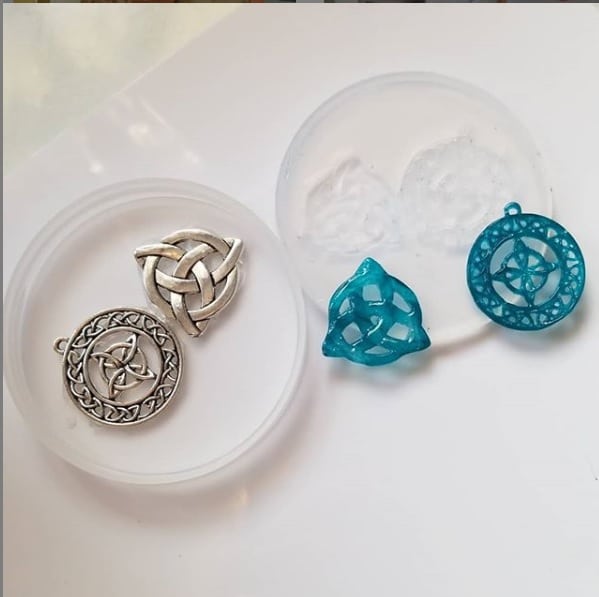
- "Pure Mould" – Translucent Liquid Silicone Rubber for Mould MakingPrice range: £22.85 through £158.85"Pure Mould" is a translucent liquid silicone rubber designed for mould making compatible with various materials including resins and plaster.
- "Liquid Mould" – Casting Liquid Silicone Rubber, 5-40 Shores, Bi-Component A+BPrice range: £13.45 through £368.85"Liquid Mould" casting silicone rubber is suitable for making detailed moulds and reproductions, compatible with resin, soap, and polymer pastes.
 "I–Gum" – Non-Toxic Silicone Putty for Mould MakingPrice range: £22.85 through £99.85"I–Gum" is a two-component non-toxic silicone putty, commonly used for mould making with a 1:1 mix ratio and a long working time.
Frequently Asked Questions
Which silicone rubber should I choose for highly detailed or intricate objects?
Translucent liquid silicones like Pure Mould or bi-component ones such as Liquid Mould are ideal for capturing fine details and sharp undercuts.
What is the best way to mix silicone rubber for making moulds?
Measure by weight for liquids, mix evenly, and avoid introducing air bubbles for the best finish.
How can I avoid bubbles forming in my silicone mould?
Pour silicone slowly from a height and, if possible, use a vacuum chamber or tap the mould box lightly to release trapped air.
How much time should I allow for my silicone mould to cure?
Depending on the silicone, curing takes from 20 minutes (putty) to 8 hours (liquid). Check product instructions for exact times.
What is the best way to care for finished silicone rubber moulds?
Wash gently with mild soap and store in a cool, dark place to prolong the mould’s lifespan.
Should I always use a release agent with silicone rubber?
Use a release agent if your original is porous, delicate, or could chemically react with the silicone.