 Free shipping on orders over £29,85
  Shipping Tracking!


 Google
 Facebook
How is silicone rubber made?
A guide to silicone rubber varieties and mould creation methods
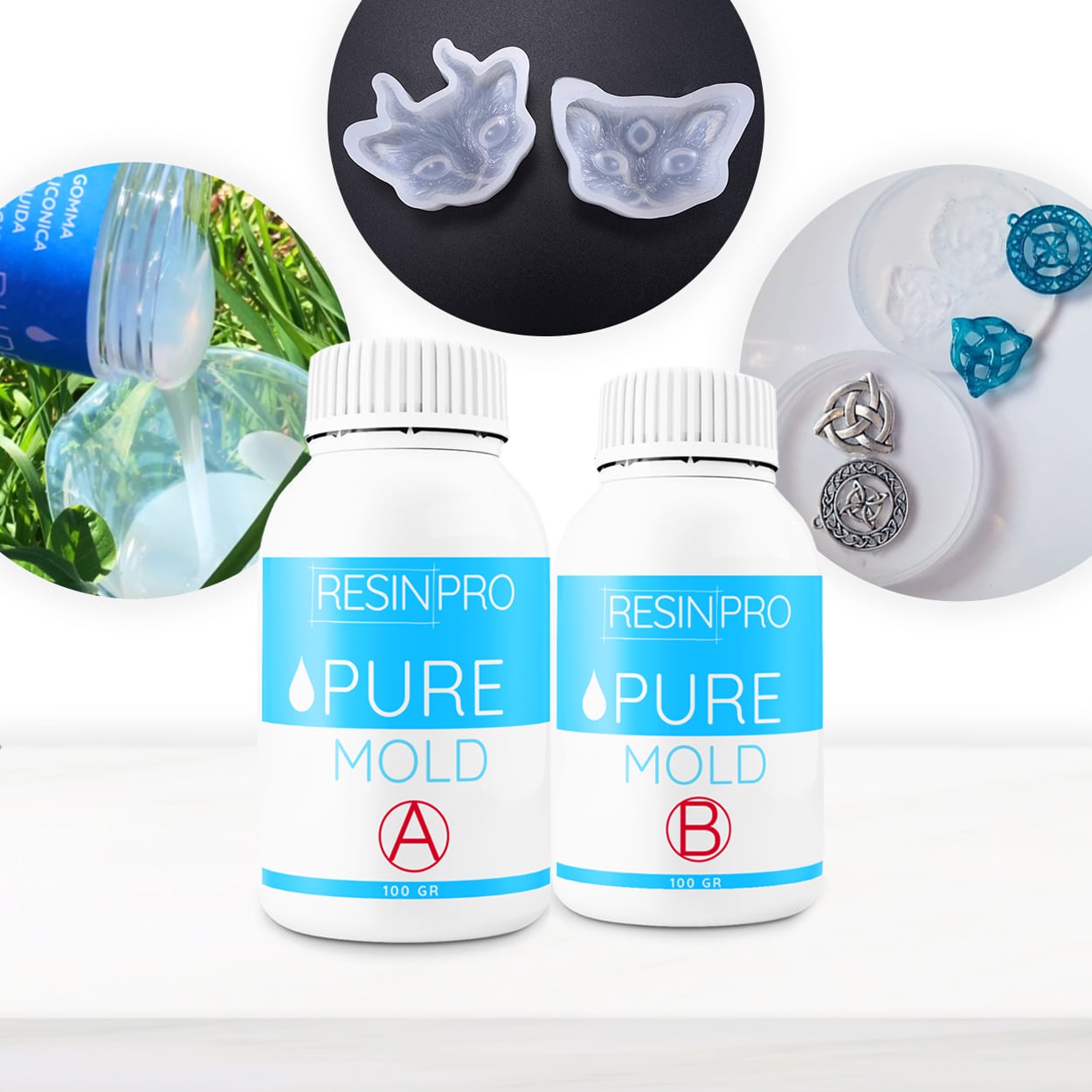
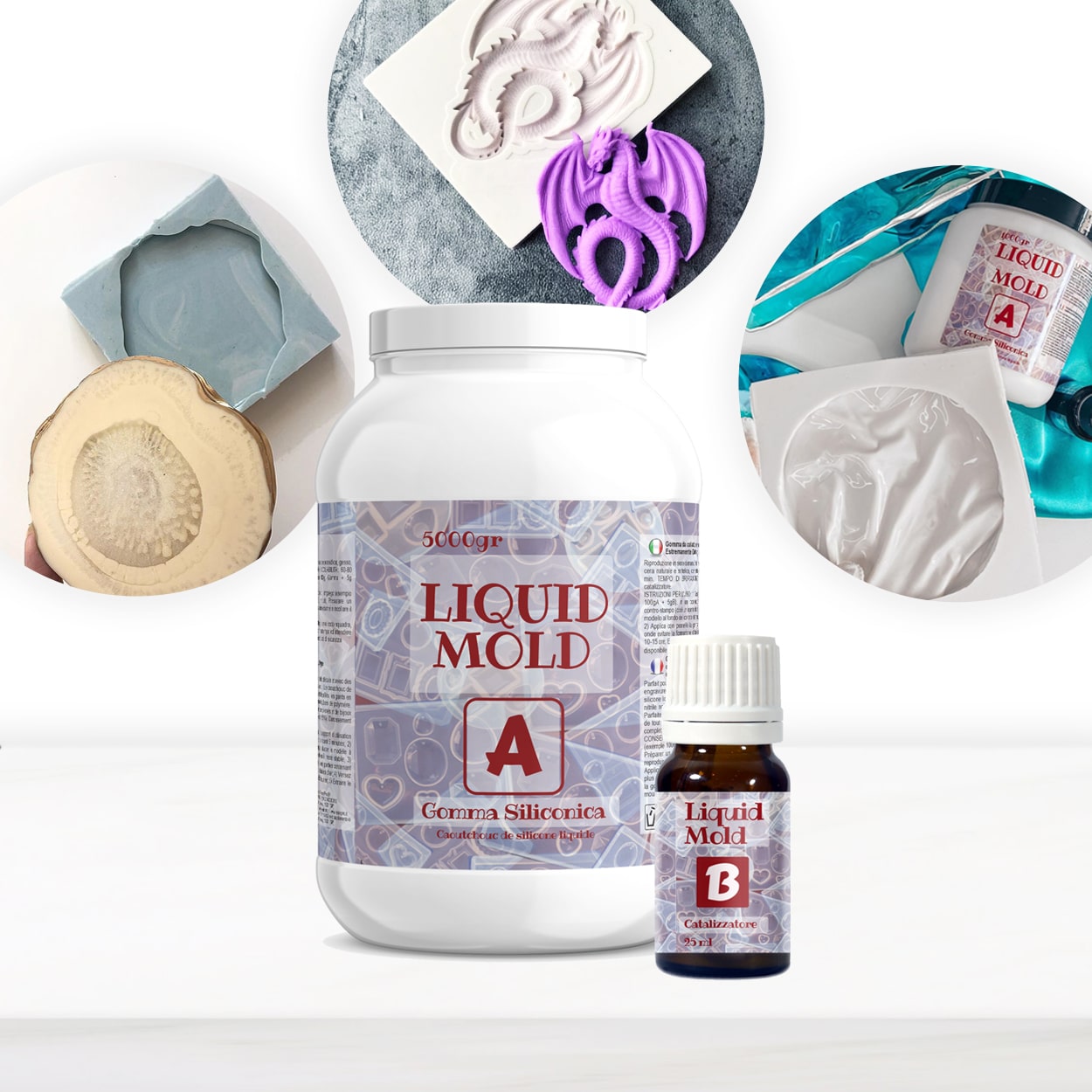
Whether you’re a hobbyist, crafter, or professional looking to create detailed and reusable moulds, understanding how silicone rubber is made is vital. This page explores the different forms of silicone rubber used in mould making, highlighting their properties, the manufacturing process, and which silicone is best for your specific needs.
Overview: Types of Silicone Rubber for Mould Making
Silicone rubber for mould making comes in several forms, each designed for a particular type of project. Liquid silicone rubbers are popular for their ability to capture fine details and work well with casting resins, waxes, and plasters. Putty-type silicones are another option, offering a simple and mess-free approach with excellent flexibility. The main differences lie in mixing methods, cure times, and the materials they best support.
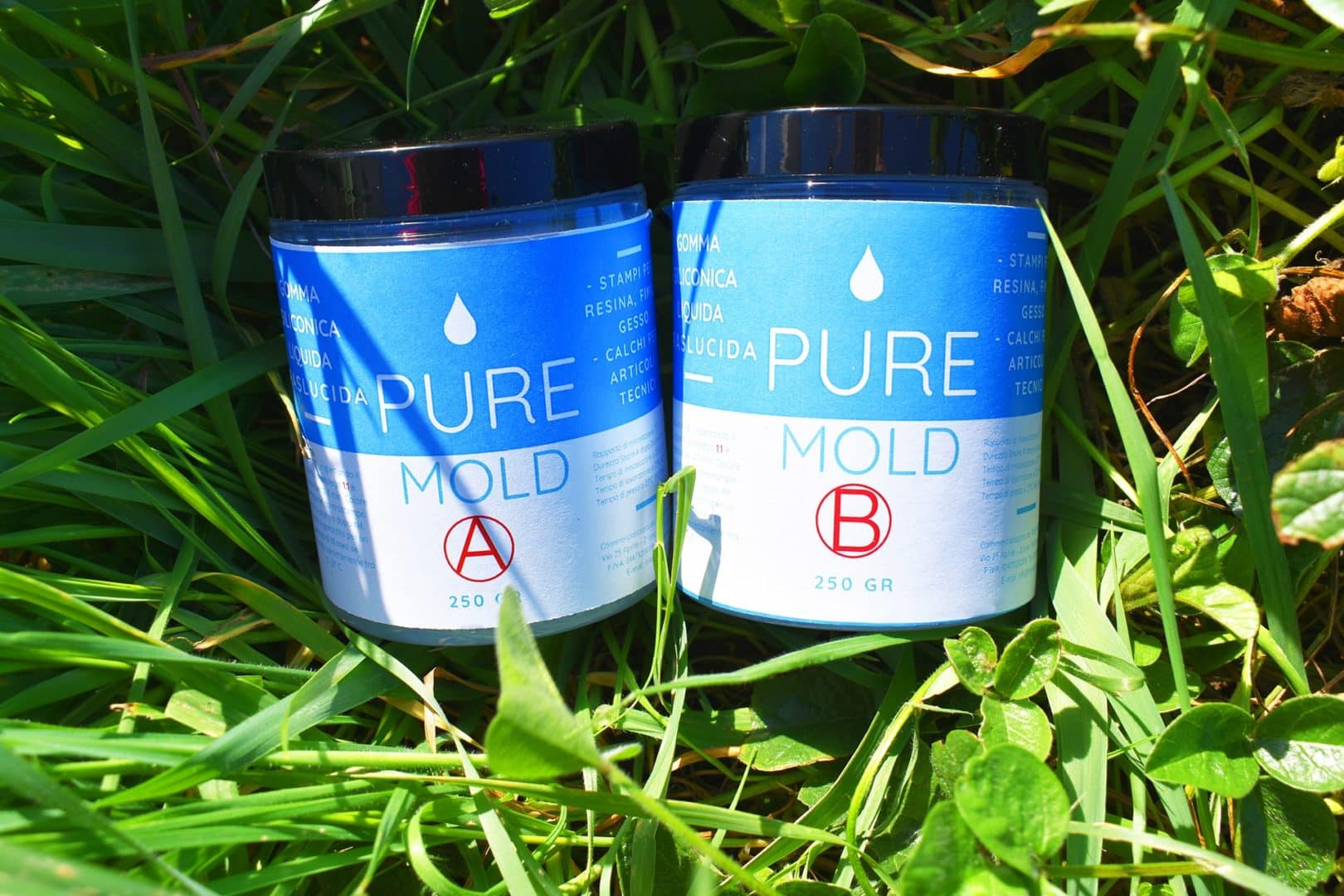
Visual Guide: Forms and Textures of Silicone Rubber
Liquid silicones flow smoothly and fill all details, while putty silicones can be shaped by hand for direct application. Notice the translucency and consistency difference between products designed for precise casting and those for rapid putty moulding.
“Pure Mould” – Translucent Liquid Silicone Rubber
For those seeking professional results with high visual fidelity, “Pure Mould” – Translucent Liquid Silicone Rubber for Mould Making is an excellent choice. This platinum-based, translucent silicone is ideal if your project involves casting with resins, plaster, or cement, and its transparency allows you to monitor the curing and demoulding process. With an easy 1:1 mix ratio and fast curing in 3–8 hours, it reduces shrinkage and increases mould longevity. It’s effective for both professional and hobby work, from hot wax candle making to creating intricate decorative items. If you’re interested in a wider selection, browse the full Silicone Rubbers category.
“Liquid Mould” – Casting Liquid Silicone Rubber (A+B)
If capturing the smallest details, such as in jewellery or miniature reproductions, is your goal, “Liquid Mould” – Casting Liquid Silicone Rubber, 5-40 Shores, Bi-Component A+B is designed for precision. This bi-component system requires mixing silicone and catalyst to activate the curing. It excels at flowing into every crevice, ensuring even the most delicate features and undercuts are perfectly transferred. “Liquid Mould” is ideal for repeated mould making and technical castings, such as resin and soap projects or even artistic foundry work. For broader needs, you can also view our full silicon rubbers collection.
“I–Gum” – Non-Toxic Silicone Putty
For rapid, hands-on work, “I–Gum” – Non-Toxic Silicone Putty for Mould Making offers a low-mess, user-friendly experience. This two-part putty is easily kneaded together in a 1:1 ratio—no gloves required!—and features a generous 20-minute working time before it begins to set. Its non-toxic and odourless formula makes it perfect for small- to medium-sized projects, offering speed and convenience without sacrificing quality. It’s a go-to choice for crafting unique shapes, decorative objects, and quick prototypes.
Choosing the Right Silicone for Your Project
Selecting the ideal silicone rubber depends on your casting material, required detail, and scale. Liquid systems like “Pure Mould” and “Liquid Mould” are preferable for highly detailed or large moulds, while putty types like “I–Gum” suit smaller, intricate or one-of-a-kind shapes. Consider cure times, the ease of mixing, and compatibility with your casting medium. Always check that your chosen silicone aligns with your project’s needs to ensure flawless results.
Advice for Perfect Silicone Mould Results
Select a silicone based on the project’s intricacy and the casting material. Follow the recommended mixing ratios and curing times for each product to maximise mould durability and surface detail.
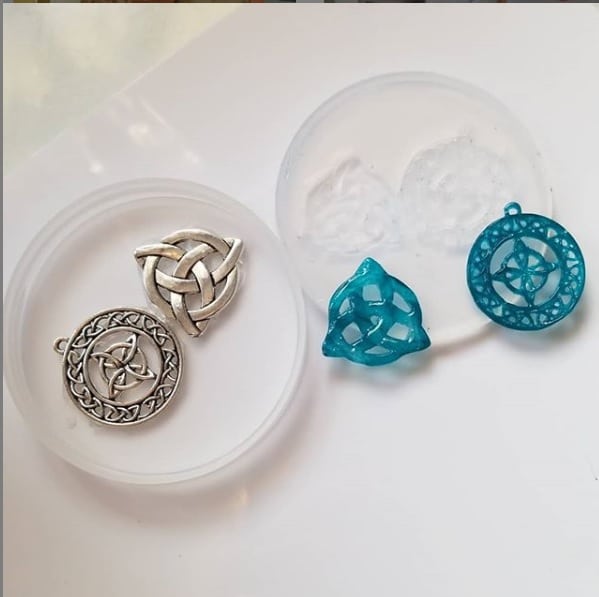
- "Pure Mould" – Translucent Liquid Silicone Rubber for Mould MakingPrice range: £22.85 through £158.85"Pure Mould" is a translucent liquid silicone rubber designed for mould making, compatible with various materials including resins and cements.
- "Liquid Mould" – Casting Liquid Silicone Rubber, 5-40 Shores, Bi-Component A+BPrice range: £13.45 through £368.85"Liquid Mould" is a casting liquid silicone rubber designed for detailed moulds and multiple reproductions in line with the theme How is silicone…
 "I–Gum" – Non-Toxic Silicone Putty for Mould MakingPrice range: £22.85 through £99.85"I–Gum" is a non-toxic silicone putty designed for mould making. It is suitable for resin projects with a 1:1 mix ratio and a 20-minute work time.
Frequently Asked Questions
What is the difference between liquid and putty silicone rubbers?
Liquid silicone rubbers are poured for capturing fine detail, while putty types are kneaded by hand for smaller and less intricate shapes.
Which silicone rubber is best for detailed moulds?
"Pure Mould" and "Liquid Mould" are both excellent for capturing fine details from original models.
Is silicone putty safe to handle without gloves?
Yes, "I–Gum" is non-toxic and designed to be handled safely without gloves.
How long do silicone rubbers take to cure?
Cure times vary: some liquid silicones cure in 3–8 hours, while putty silicones set in around 20–40 minutes.
Can silicone rubbers be used with hot wax or resin?
Yes, all featured silicone rubbers are compatible with hot wax and a variety of resins.
Are silicone moulds reusable?
Silicone moulds are highly durable and can be reused many times with proper care.