 Free shipping on orders over £29,85
  Shipping Tracking!


 Google
 Facebook
how to make resin stone
Creating a resin stone surface is a rewarding way to revitalise outdoor spaces such as driveways, garden paths, patios, or terraces. This guide explains the process for making a resin-bound stone finish, resulting in a strong, decorative, and permeable surface suitable for the UK climate. Whether you’re a DIY enthusiast or a professional, these steps will help you achieve a durable, lasting result for everyday use.
Transform outdoor spaces with a robust, decorative resin-bound finish

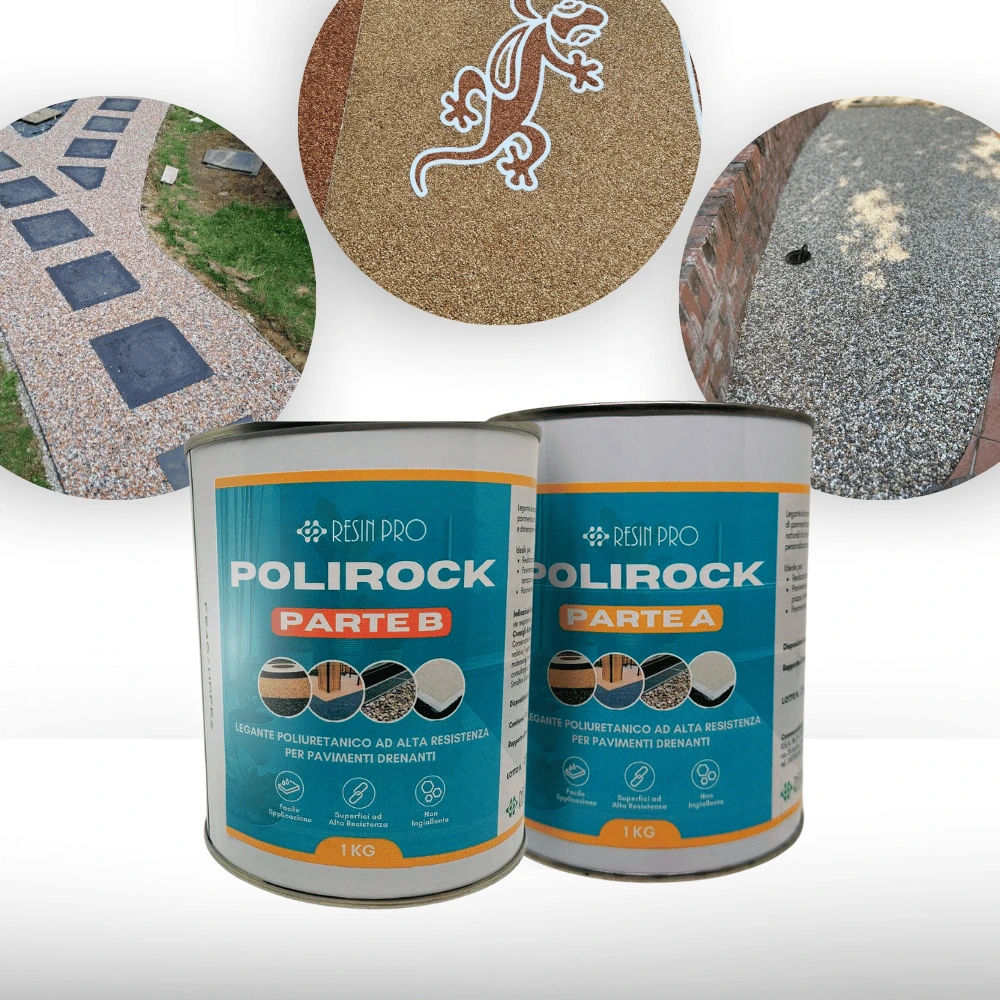
What You’ll Need
- Washed Pebbles for Permeable Floors 25kg – Outdoor Resin-Bound Surfaces: Pre-washed, natural aggregates for permeable, decorative flooring
- “Trasparente” – Epoxy Binder for Coloured Pebbles and Grits: For coloured or dark aggregates, ensures lasting, clear binding
- “Polirock” – Polyurethane Binder for White Stones, 2kg Two-Component Kit: Ideal for white stones, offers UV stability and weather resistance
- “Flowstone” – Complete Permeable Floor Kit with Pebbles and Resin: All-in-one kit for quick installation
- Protective gloves and eyewear, mixing buckets, trowel, and a clean, dry mixing tool
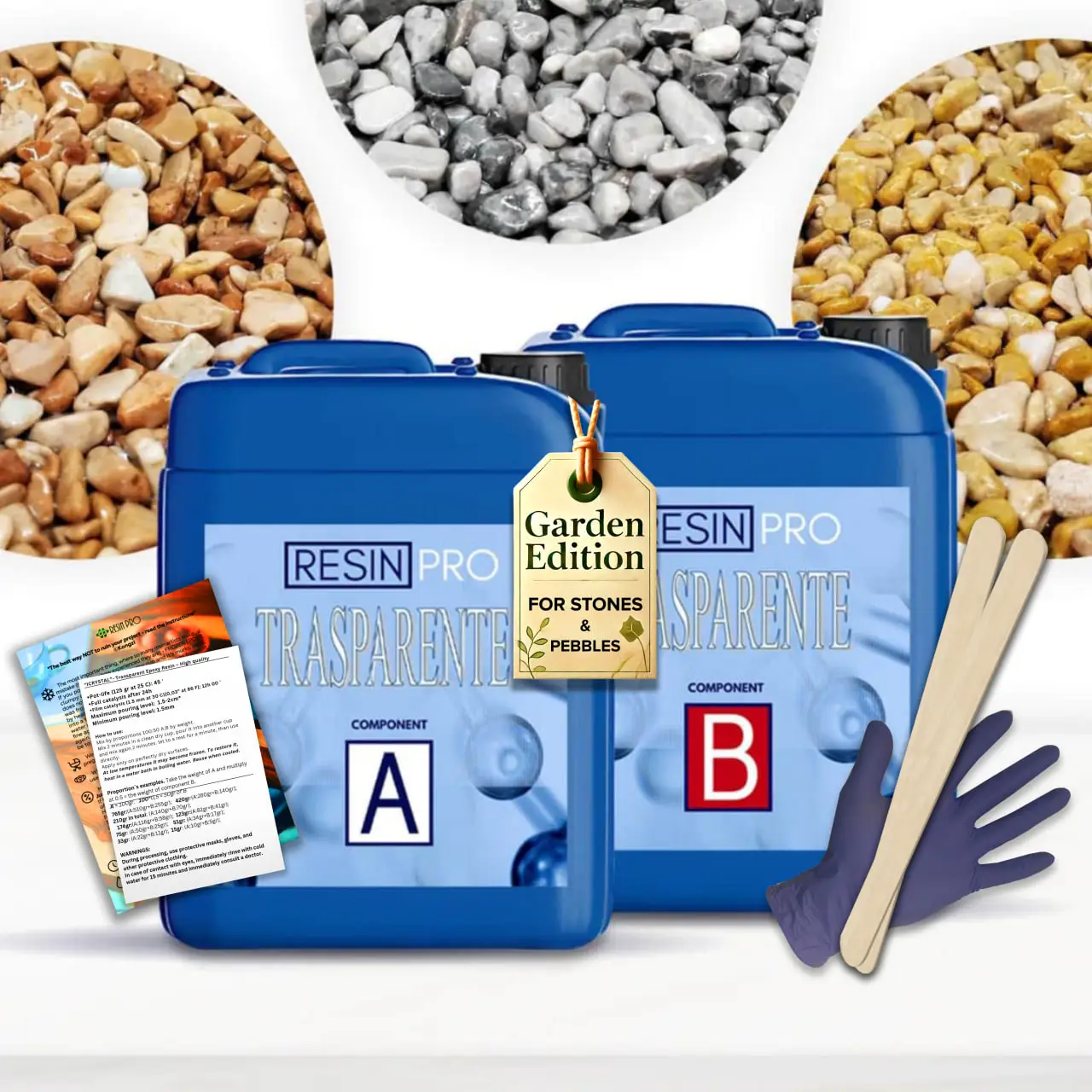
Essential Tools and Product Selection
Choose your resin binder according to the colour and use: select an epoxy binder for coloured pebbles and a polyurethane binder for white stones. Always use washed, dust-free aggregates for best results.

Step 1: Prepare the Base Surface
A clean, stable base is essential for a successful resin stone installation. Clear the area of dirt, vegetation, and debris. For best adhesion and stability, your sub-base should be solid—such as compacted MOT type 1, concrete, or asphalt—free from cracks or movement. If you’re installing a new base, allow it to fully cure and dry before proceeding, as moisture can weaken the bond and affect overall durability.
Keep aggregate moisture-free before mixing to prevent cloudy resin spots and ensure strong adhesion.
Step 2: Mix Resin with Pebbles
Carefully measure the correct quantities of pebbles and resin, following product-specific recommendations for ratio. For most systems, this means roughly 3–5% resin binder by weight for the aggregate. Pour washed, thoroughly dry pebbles into a mixing bucket or forced-action mixer. Add the appropriate binder according to your material colour: use “Trasparente” – Epoxy Binder for Coloured Pebbles and Grits for coloured stones or “Polirock” – Polyurethane Binder for White Stones for white or light aggregates.
Measure resin and hardener accurately and mix thoroughly until all stones are fully coated. Insufficient blending can lead to soft patches and reduced durability.
Step 3: Lay and Spread the Mixture
Pour the mixed resin-pebble batch onto the prepared base. Spread it quickly and evenly using a trowel, working to achieve the planned thickness (typically 10–20mm depending on usage requirements). Apply gentle, firm pressure to compact the stones and ensure a seamless finish. Working in manageable sections helps avoid premature curing and ensures each batch bonds well to adjacent areas.
Spread evenly with a trowel for uniform thickness and performance. Take care not to overwork the resin, as excessive manipulation can trap air and lead to uneven curing.

Step 4: Curing and Aftercare
Once the entire area is covered and levelled, allow the resin stone surface to cure undisturbed. Curing will typically take 24–48 hours depending on product and weather conditions; avoid walking or placing objects on the surface during this time. Keep the area dry and sheltered from heavy rainfall if possible to allow proper hardening. After full cure, the surface is ready for light use. For vehicular areas, check manufacturer recommendations for additional curing time.
Allow full curing before use to achieve optimal strength, drainage, and appearance. Early foot traffic or exposure to water may damage unset areas.

Tips, Troubleshooting, and Common Mistakes
Work in cool, dry conditions for best handling and curing. Avoid mixing damp stones, as trapped moisture can cause bubbling and white spots in the finished layer. Plan mixes so you can lay them within the working time specified on your binder—delays can cause premature hardening. If edges are drying faster than the centre, gently mist with water to avoid cracking, but only once the surface has set past tackiness. For large areas or driveways, using a complete kit such as the “Flowstone” – Complete Permeable Floor Kit with Pebbles and Resin can simplify installation and reduce material mistakes.
When to Call in a Professional
For large areas such as driveways or high-traffic commercial spaces, professional installers ensure correct base preparation and achieve uniform compaction. A complete kit system can help even experienced DIYers achieve a professional finish.

- "Trasparente" – Epoxy Binder for Coloured Pebbles and GritsPrice range: £31.85 through £948.85A transparent epoxy binder designed for coloured pebbles and grits, offering a bubble-free finish with UV stability for pebble flooring.
- "Polirock" – Polyurethane Binder for White Stones, 2kg Two-Component Kit£58.85POLIROCK polyurethane binder for white stones creates decorative, permeable outdoor surfaces suitable for professional and DIY use.
 "Flowstone" – Complete Permeable Floor Kit with Pebbles and ResinPrice range: £42.85 through £3,389.85Flowstone is a permeable pebble and resin floor kit designed for durable outdoor surfaces in the UK climate, with guidance for proper resin use.
 Washed Pebbles for Permeable Floors 25kg – Outdoor Resin-Bound Surfaces£26.85Washed Pebbles for Permeable Floors 25kg provide pre-washed stone aggregates for permeable outdoor surfaces with resin binders.
Frequently Asked Questions
Which binder should I use for white or coloured stones?
Use epoxy binder for coloured stones and polyurethane binder for white stones to avoid yellowing and ensure durability.
Can I combine different aggregate colours or sizes?
Yes, you can mix marble, granite, or coloured pebbles for decorative results, following the same resin mixing process.
How much resin binder should I use with pebbles?
Typically, use about 3–5% resin by weight of aggregates for optimal strength and binding.
What weather is best for installing resin stone surfaces?
Apply in cool, dry weather to ensure the best curing, avoiding rain and high humidity.
Does the base need to be fully dry before applying the resin stone?
Yes, always start with a dry sub-base to prevent bond failure and surface imperfections.
How long before I can walk or drive on the new surface?
Allow 24–48 hours for foot traffic, and several more days for vehicle use, following product-specific guidelines.
What are common mistakes when making resin stone surfaces?
Using wet aggregates, under-mixing resin, and applying in poor weather can all lead to poor curing or weak results.