 Free shipping on orders over £29,85
  Shipping Tracking!


 Google
 Facebook
How to Apply Resin in a Shower
Step-by-step guide for durable, waterproof shower finishes
If you want to transform your shower with a sleek, waterproof resin finish, this guide takes you through every step. A resin shower surface not only looks modern but also resists mould and is easy to clean, making it a popular choice for bathrooms. Whether you are a DIY enthusiast or a professional, these instructions help ensure lasting results and prevent common pitfalls in wet areas like showers.
What You’ll Need
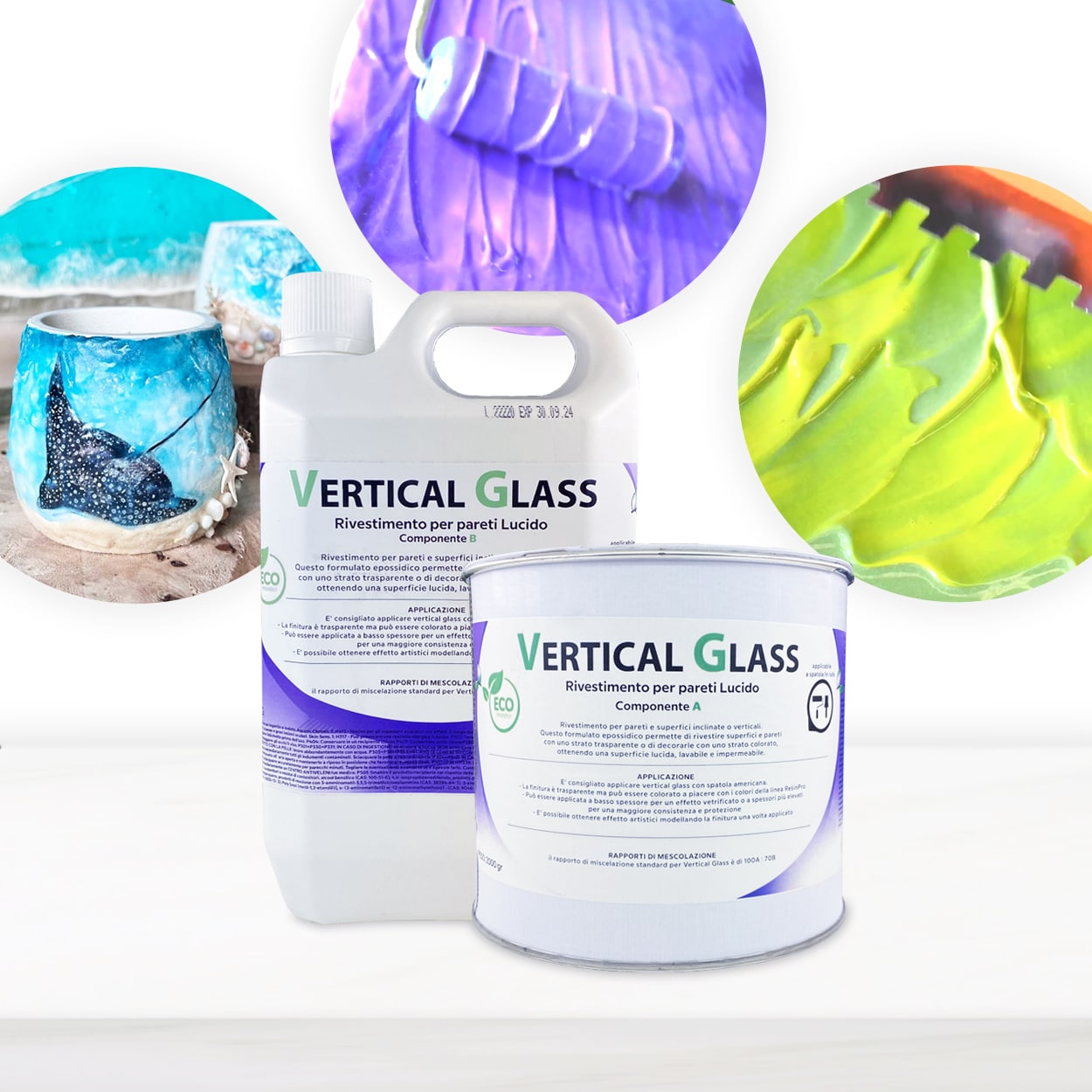
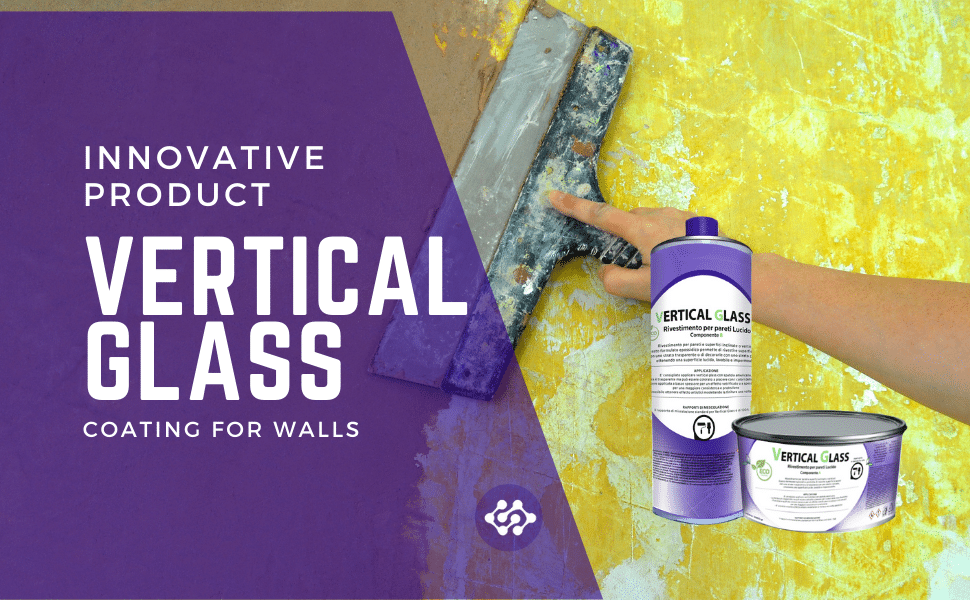
- “Vertical Glass” – Thick Resin Decorative Wall Coating – Epoxy resin for decorative, customised wall coatings on vertical and sloping surfaces.
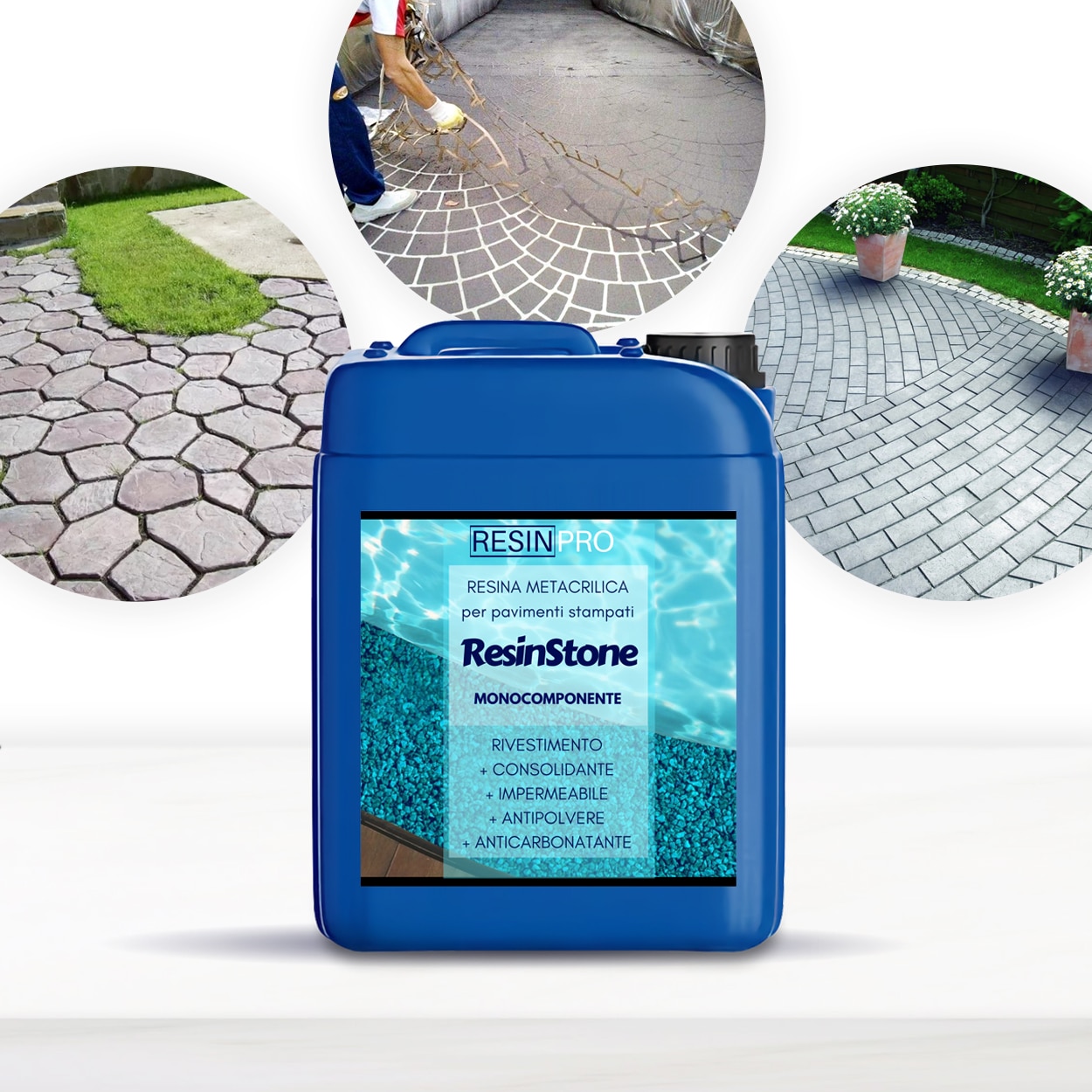
- “Resinstone” – One-Component Methacrylic Resin for Concrete Floors and Driveways – For sealing and waterproofing concrete shower bases.
- Resin & Paint Application Rollers – Short-Pile, Large, and Sponge Types – For precise and efficient resin application.
- “Art Pro Deluxe” – Ultra-High Viscosity Epoxy Resin for Artists – Optional for intricate detailing or artistic shower finishes.
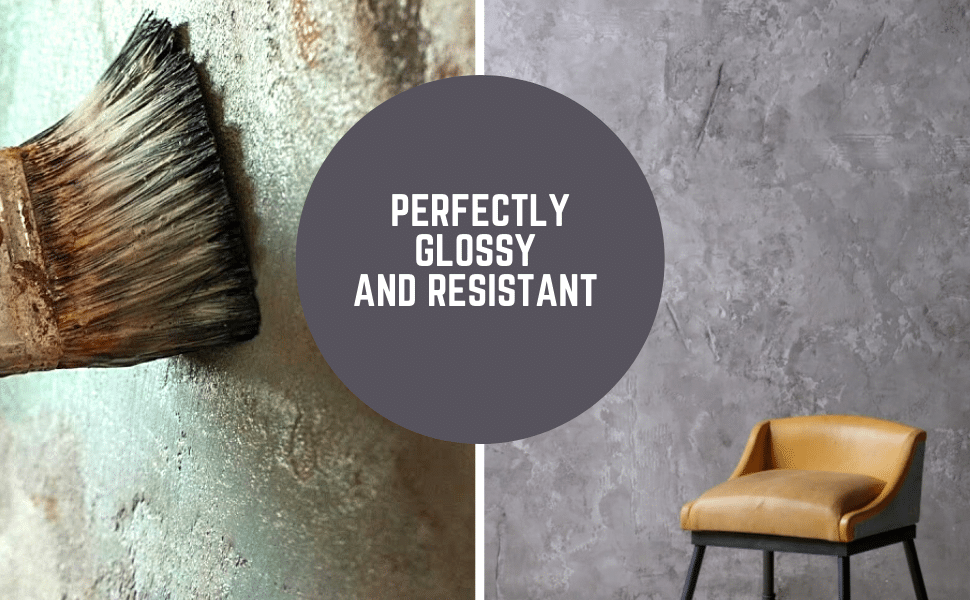
See How Resin Transforms Shower Surfaces
Experience stunning, seamless waterproof finishes that only resin can provide. Notice the difference in clarity, depth, and design potential—ideal for both contemporary and classic bathroom settings.

Step 1: Prepare the Surface Thoroughly
Proper surface prep is crucial for adhesion. Begin by cleaning all shower surfaces—tiles, cement, or brick—removing limescale, soap residues, and loose particles. Any traces of moisture or contaminants will compromise the resin bond. For tiled showers, degrease thoroughly; on cement, allow at least 7 days of drying time after any repairs or installation. Fill any cracks or joints with a suitable filler and sand the surface for better keying.
Make sure the area is well-ventilated, and protect fixtures with masking tape and sheets.
Step 2: Prime and Seal with the Correct Resin
On concrete or cement shower bases, a primer coat helps seal and waterproof the surface. Apply “Resinstone” – One-Component Methacrylic Resin for Concrete Floors and Driveways with a roller or brush in an even layer. This step ensures the substrate is protected from rising damp and prevents bubbles in your decorative coat above.
Allow the primer to dry fully—typically 12 hours—before proceeding.
Step 3: Apply the Decorative Resin Finish
Mix your chosen resin, such as “Vertical Glass” – Thick Resin Decorative Wall Coating, following the manufacturer’s instructions. Use application tools suited for your surface: a spatula for vertical and sloping shower walls or a roller for flat areas. Spread the resin in even, controlled layers, working from the top downward to catch drips.
Avoid over-applying resin on vertical surfaces; thinner coats give a vitrified, glass-like look while thicker coats can add durability but may sag if overloaded. For creative finishes, you can tint the resin or layer colours as desired.

Step 4: Curing, Finishing, and Maintenance
The resin must cure undisturbed for at least 48 hours in a dust-free, ventilated area. After this period, surfaces can be lightly sanded for a satin look or left glossy for maximum reflection. Wait at least 7 days before exposing the shower to heavy water use.
Routine cleaning is simple: use a mild non-abrasive cleaner. Avoid acidic or harsh chemicals which can cloud the resin surface.

Tips and Common Mistakes to Avoid
Ventilation and safety precautions are essential: Always wear gloves and ensure good air flow when mixing or applying resin. Always check surface dryness before coating. Don’t rush the drying times between layers. Using too much product in one go can cause sagging or bubbles, especially on vertical surfaces.
Intensive sanding should only follow after full curing. If working for a custom effect, practise on a spare tile first to perfect your technique.
Expert Insights: Achieving the Ideal Resin Finish
Professional applicators recommend thin, even coats for vertical surfaces. Custom tints and layered designs are easily achievable with products like “Vertical Glass” – Thick Resin Decorative Wall Coating. Proper curing and surface preparation are the keys to success.
- "Vertical Glass" – Thick Resin Decorative Wall CoatingPrice range: £128.85 through £179.85Vertical Glass offers a customisable, waterproof epoxy resin coating for durable decorative protection on vertical and sloping surfaces.
- "Resinstone" – One-Component Methacrylic Resin for Concrete Floors and DrivewaysPrice range: £29.85 through £59.85Resinstone is a one-component methacrylic resin designed for sealing and protecting concrete floors and driveways.
 Resin & Paint Application Rollers – Short-Pile, Large, and Sponge TypesPrice range: £3.45 through £4.85These rollers are designed for even application on resin surfaces, suitable for both detailed and large areas in line with the shower resin…
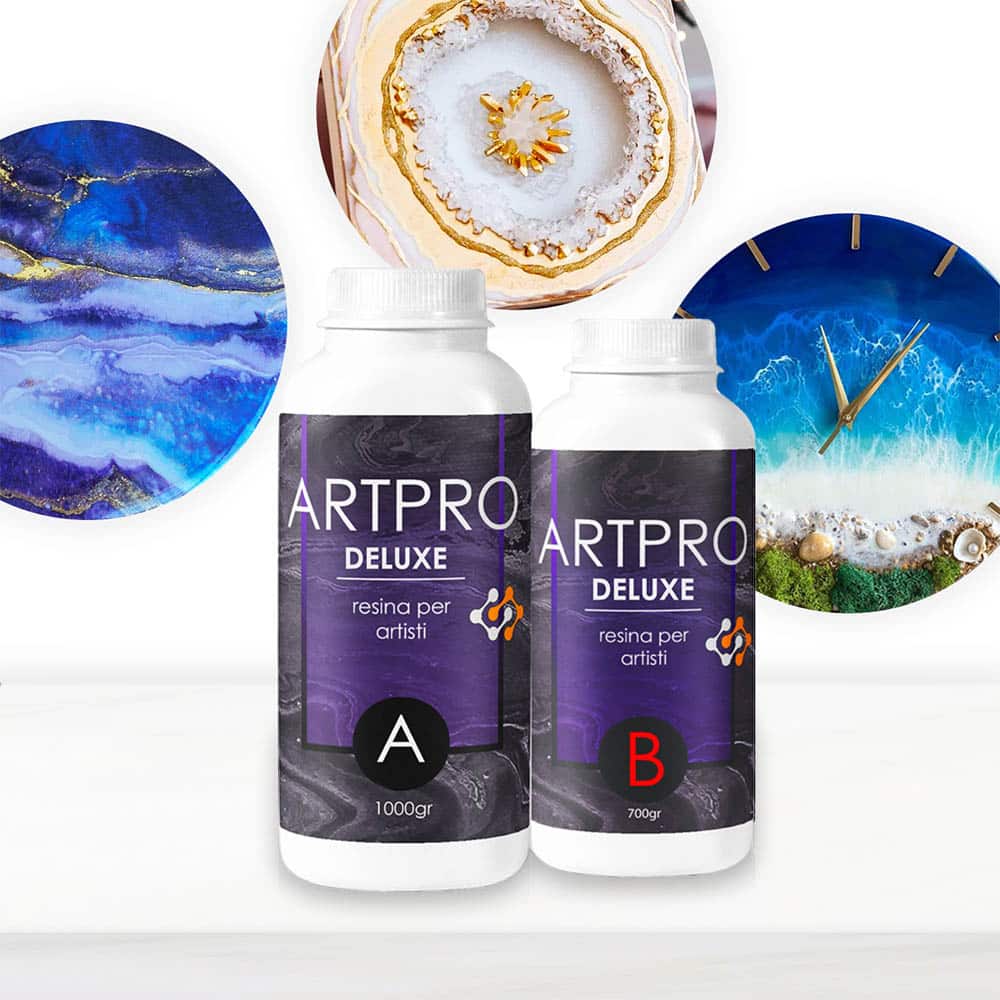 "Art Pro Deluxe" – Ultra-High Viscosity Epoxy Resin for ArtistsPrice range: £33.85 through £287.85Art Pro Deluxe resin is designed for artists needing precise control in detailed resin art and offers a clear, scratch-resistant surface.
Frequently Asked Questions
Can resin replace tiles in showers?
Yes, resin can be used as a seamless, waterproof alternative to tiles on shower walls and floors if applied properly.
How long before using a shower after resin application?
It is best to wait at least 7 days after application to allow full curing before regular water exposure.
What is the best tool for applying resin in a shower?
A spatula is ideal for walls, while a roller is effective on flat or gently sloping surfaces for smooth, even coats.
Can resin be tinted for custom shower designs?
Yes, most resins can be tinted with compatible pigments and metallics for unique effects and personalisation.
How do I avoid sagging when applying resin vertically?
Apply thinner coats, let each layer partially cure, and select a resin designed for vertical application to prevent runs.
How to clean and maintain a resin shower surface?
Clean with mild, non-abrasive cleaners and avoid harsh chemicals to preserve the shine and clarity of the resin.