 Free shipping on orders over £29,85
  Shipping Tracking!


 Google
 Facebook
how to make a ring with resin
Step-by-step resin ring making for dazzling jewellery results


Creating your own resin rings is a rewarding craft that lets you personalise jewellery with vibrant colours, embedded embellishments, and a professional finish. Whether you are a complete beginner or looking to expand your DIY skills, this guide will walk you through the essential steps for making beautiful, unique resin rings from start to finish.
What You’ll Need
- “Evershine Collection” – Artisan Jewellery Epoxy Resin Kit with 100+ Accessories: A comprehensive starter kit with 1:1 mix resin and plenty of accessories for ring crafting.
- “UV–Creation” – Fast Acrylic Resin, 3 Minute UV Cure: An option for fast results and simple UV curing.
- “One-2-One” – Epoxy Resin for Handcraft, 1:1 Mixing Ratio: Easy mixing, beginner-friendly epoxy resin providing lasting clarity.
- “ICreation” – Fast Epoxy Resin, 6h Demoulding, Transparent Gloss Finish: For faster workflows while still achieving a glossy, professional finish.
- Silicone ring moulds
- Mixing cups and sticks
- Pigments, dyes, glitters, or dried flowers (for customisation)
- Protective gloves and a dust mask
- UV lamp (if using UV-cure resin)
- Sandpaper and polishing files for finishing

Materials and Accessories for Beautiful Resin Rings
Choosing the right resin and accessories ensures your resin rings are flawless, durable, and easy to personalise. Working with a high-quality resin kit or a fast-curing UV resin helps achieve optimal clarity and long-lasting results. Selecting the right pigments and dried flowers adds a unique, bespoke touch to your jewellery.
Step 1: Prepare Your Work Area and Moulds
Set up a clean, level workspace free from dust and moisture. Proper preparation makes casting smoother and reduces the risk of flaws on the ring’s surface. Lay out all tools and cover your area with a silicone mat or plastic sheet. Clean your silicone ring moulds thoroughly, ensuring there is no residue or lint that could affect the resin’s clarity or leave unwanted marks on your rings.
Always work in a well-ventilated space and wear protective gloves to minimise skin contact and fume exposure.
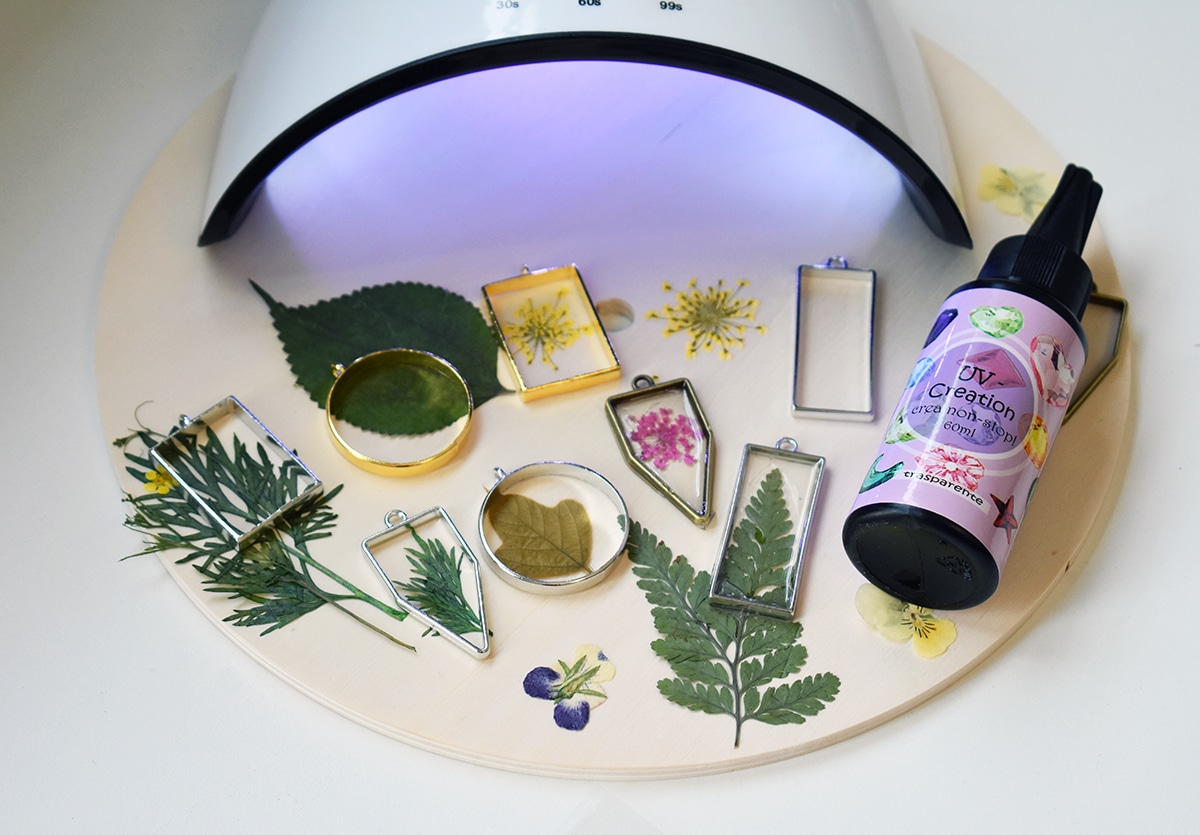
Step 2: Mix and Colour Your Resin
Choose a suitable resin for your project. If you prefer a comprehensive kit, the “Evershine Collection” – Artisan Jewellery Epoxy Resin Kit with 100+ Accessories provides crystal-clear results and comes with pigments and embellishments for custom designs. For a faster workflow, opt for “ICreation” – Fast Epoxy Resin or “UV–Creation” – Fast Acrylic Resin depending on whether you’re using UV or two-part epoxy.
Measure resin and hardener according to instructions (typically 1:1 for beginner kits or 2:1 for some fast-cure resins), then stir slowly until fully blended—avoid whipping to minimise air bubbles. Add colourants or decorative elements if desired, mixing until evenly dispersed but not over-stirring.
Use a two-part or UV-curing resin for best clarity and strength in your rings.
Step 3: Pour Into the Moulds and Embed Extras
Carefully fill your ring moulds with the mixed resin, pouring in a single, steady motion to avoid trapping air. If your design includes extras like dried flowers, glitters, or metallic flakes, add them in layers as you pour. Use a toothpick or skewer to position inclusions and pop any visible surface bubbles. Gently tap the mould on your work surface to help release embedded bubbles.
If using UV-cure resin, cure each layer with a UV lamp according to product instructions. For standard epoxy, allow your filled moulds to sit undisturbed for the full cure time indicated (usually 6–12 hours for fast covalent resins and up to 24 for standard epoxy).
Step 4: Demould and Finish Your Resin Rings
Once fully cured, gently remove the rings from the moulds, flexing the silicone carefully to avoid stretching delicate details. Any imperfections, such as sharp edges or seams, can be smoothed with fine-grit sandpaper or precision files. For a professional shine, progress through finer grits and, if desired, finish with a polishing paste or cloth.
Be patient with the demoulding process—removing the rings too early can distort or damage your design.
Tips, Troubleshooting & Common Mistakes
Work slowly and measure accurately when mixing resin to avoid sticky or soft results. If you encounter bubbles, let the resin sit briefly after mixing, or use a heat gun (with caution) to lightly sweep across the surface. Avoid overfilling moulds to keep edges tidy and always ensure your accessories and moulds are completely dry to prevent cloudiness or imperfect casting. If sanding, do so under running water to minimise dust and heat build-up.
Expert Advice for Polished Results
Allow your resin rings to cure fully before handling and finishing. Patience during curing and careful attention to sanding or polishing yield sparkling, professional pieces you’ll be proud to wear or gift. Troubleshoot bubbles and imperfections early in the process for the most beautiful finish.
- "Evershine Collection" – Artisan Jewellery Epoxy Resin Kit with 100+ Accessories£20.85"Evershine Collection" provides a clear 1:1 mix epoxy resin kit with over 100 accessories for creating personalised resin jewellery.
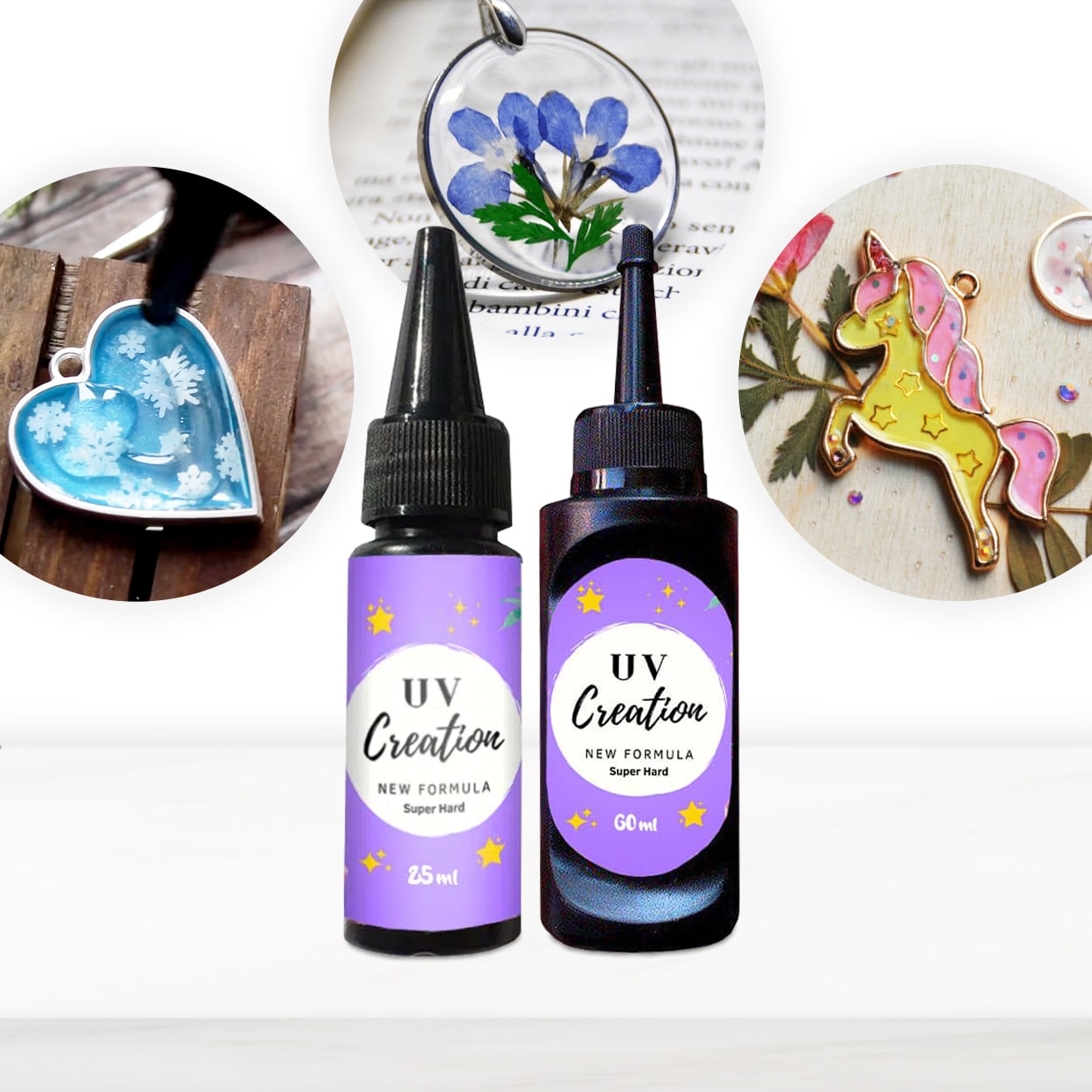
- "UV–Creation" – Fast Acrylic Resin, 3 Minute UV CurePrice range: £7.85 through £59.85UV–Creation resin cures quickly under UV light, suitable for jewellery making with a crystal-clear, non-yellowing finish.
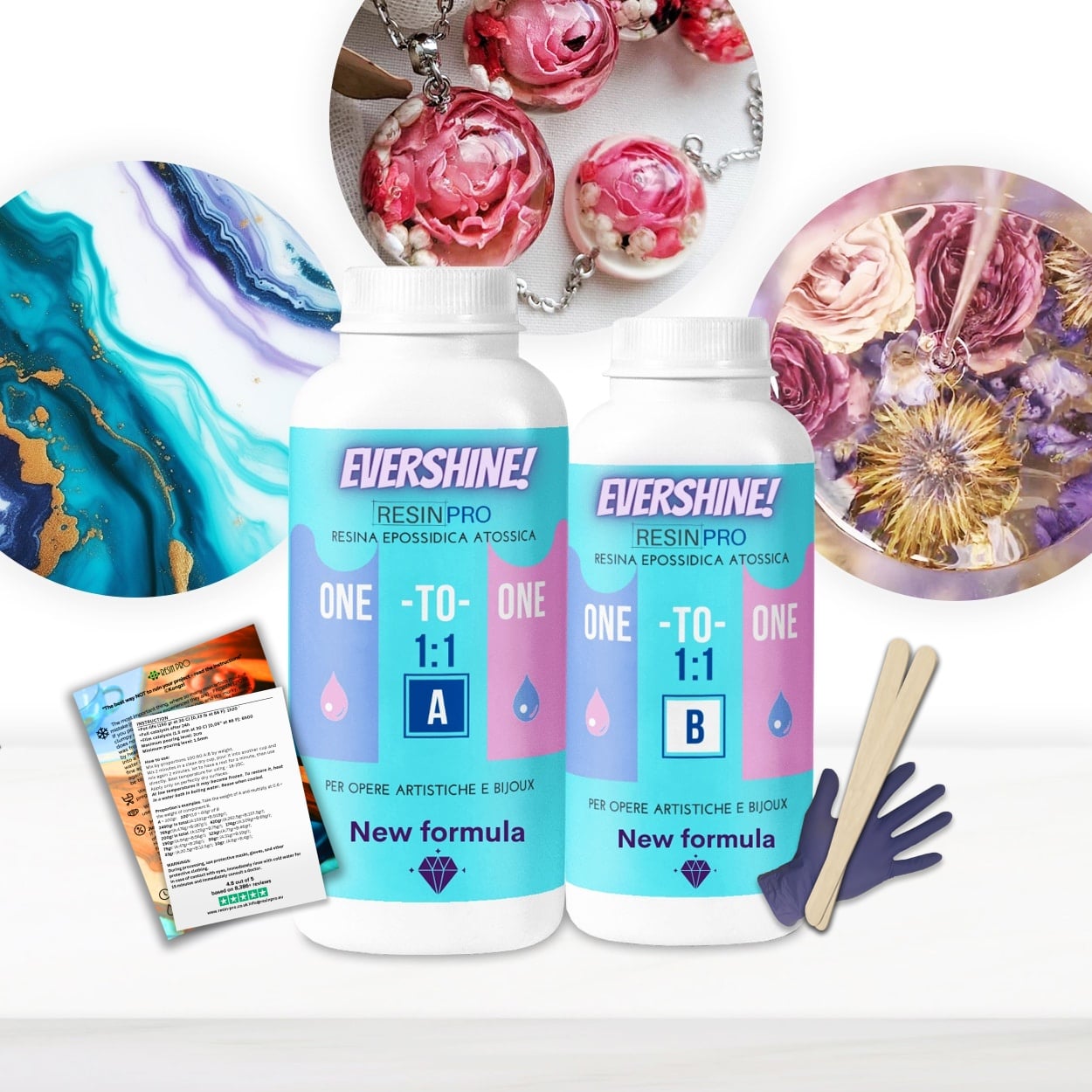 "One-2-One" – Epoxy Resin for Handcraft, 1:1 Mixing RatioPrice range: £14.85 through £56.85"One-2-One" epoxy resin is a medium viscosity, non-toxic resin suitable for beginners with a 1:1 mixing ratio for clear, glossy decorative projects.
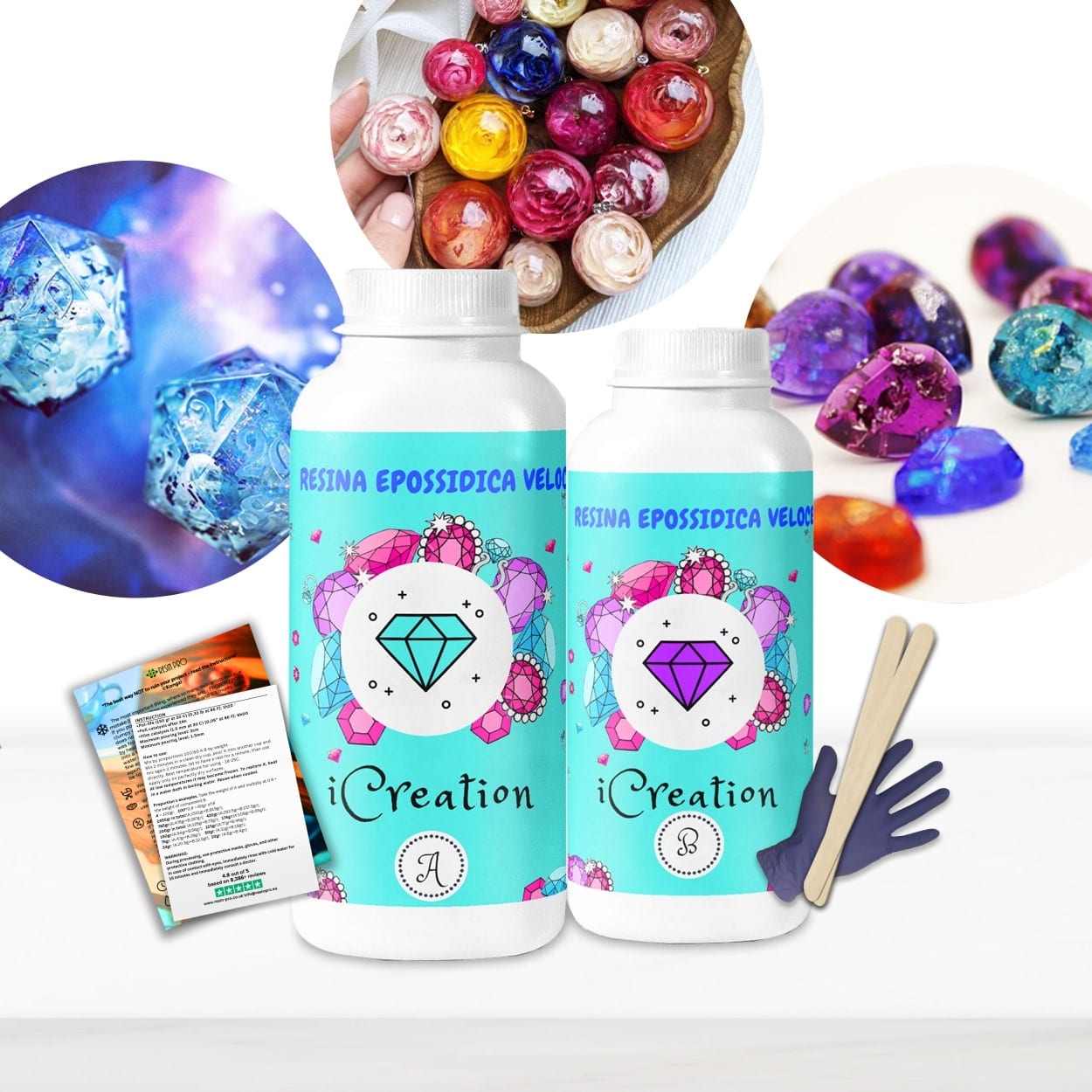 "ICreation" – Fast Epoxy Resin, 6h Demoulding, Transparent Gloss FinishPrice range: £19.40 through £52.85ICREATION fast epoxy resin has a 6-hour demoulding time with a clear, glossy finish suitable for jewellery and decorative crafts.
Frequently Asked Questions
How do I accurately mix and measure resin for rings?
Always follow the specific mixing ratio recommended by your chosen resin, such as 1:1 by volume for beginner kits or 2:1 for fast-cure formulas. Use clearly marked mixing cups and stir slowly for best results.
How can I prevent or fix bubbles in my resin rings?
Pour resin slowly, tap the moulds gently, and use a toothpick or heat gun to remove surface bubbles before curing.
Can I embed flowers or other items in resin rings?
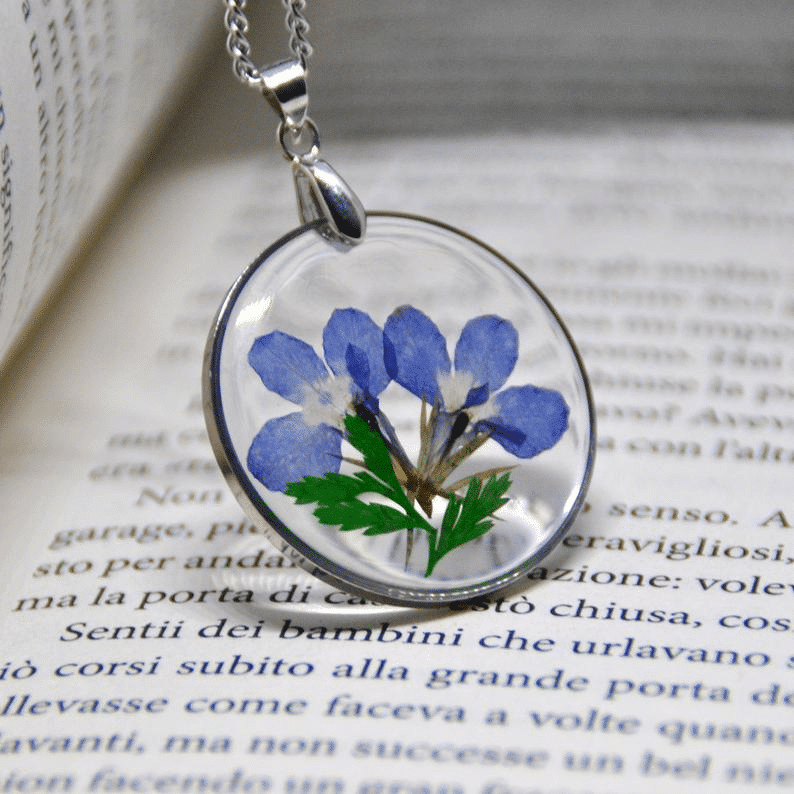
Yes, ensure all inclusions are fully dry and place them carefully in the mould as you pour the resin for custom effects.
What’s the safest way to demould and finish resin rings?
Wait until the resin is completely cured before flexing moulds gently. Sand any imperfections with fine-grit paper, and polish for a glass-like finish if desired.
Should I use epoxy or UV resin for ring making?
Epoxy resin is ideal for larger batches and intricate moulds, while UV resin is perfect for quick results and simple designs.