 Free shipping on orders over £29,85
  Shipping Tracking!


 Google
 Facebook
How to Make a Silicone Rubber and Plaster Mould?
Your complete guide for crafting accurate and durable moulds fast
Creating your own silicone rubber and plaster moulds is a key skill for artists, crafters, restorers, and professionals who want to achieve detailed, repeatable results. Whether you are working on model making, decorative castings, or prototyping, mastering this process allows you to produce bespoke forms with reliable accuracy. This guide will walk you through each stage, from initial preparation to demoulding and troubleshooting, so you can confidently take on your next project.
What You’ll Need
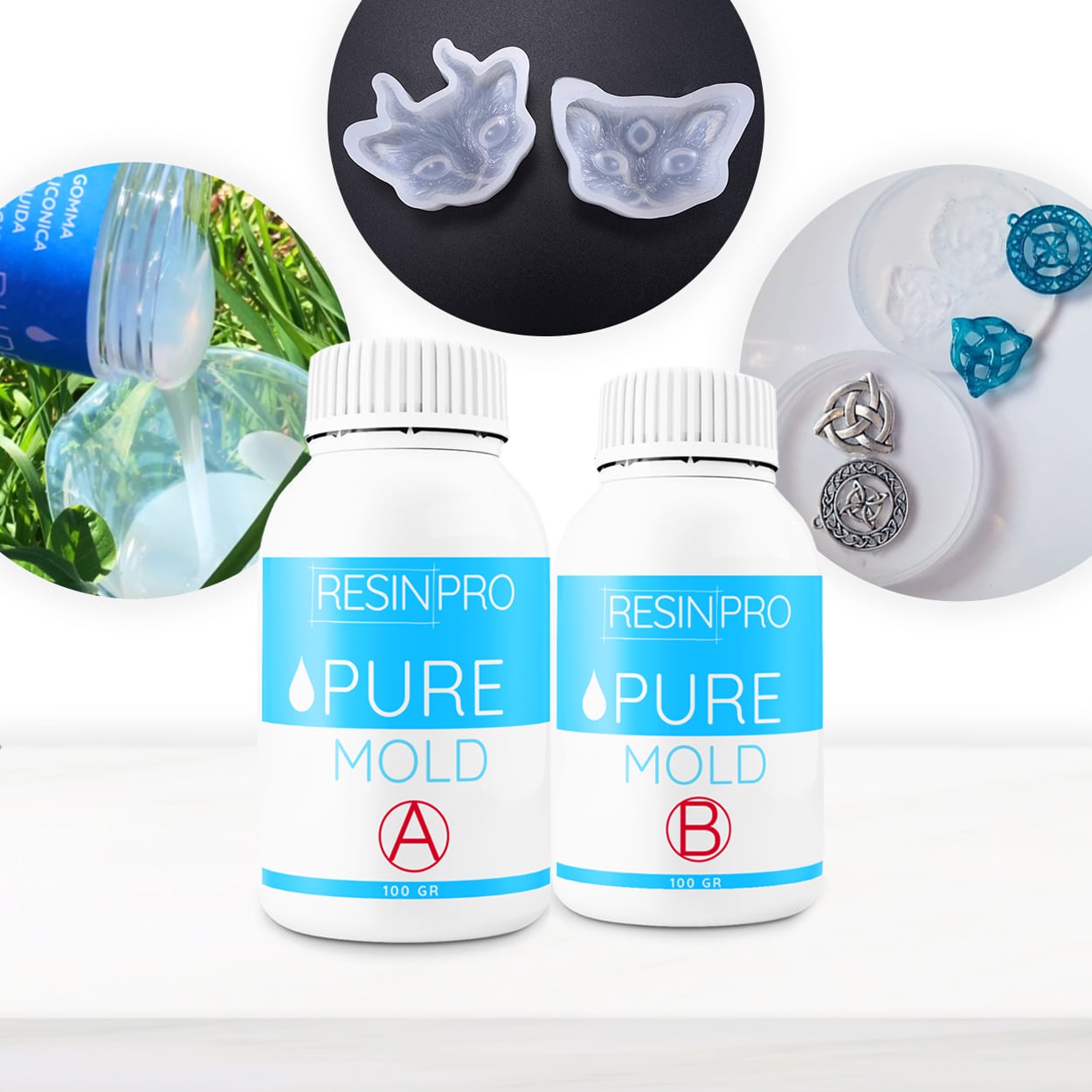
- “Pure Mould” – Translucent Liquid Silicone Rubber for Mould Making: A versatile choice for making translucent moulds and observing detail during casting.
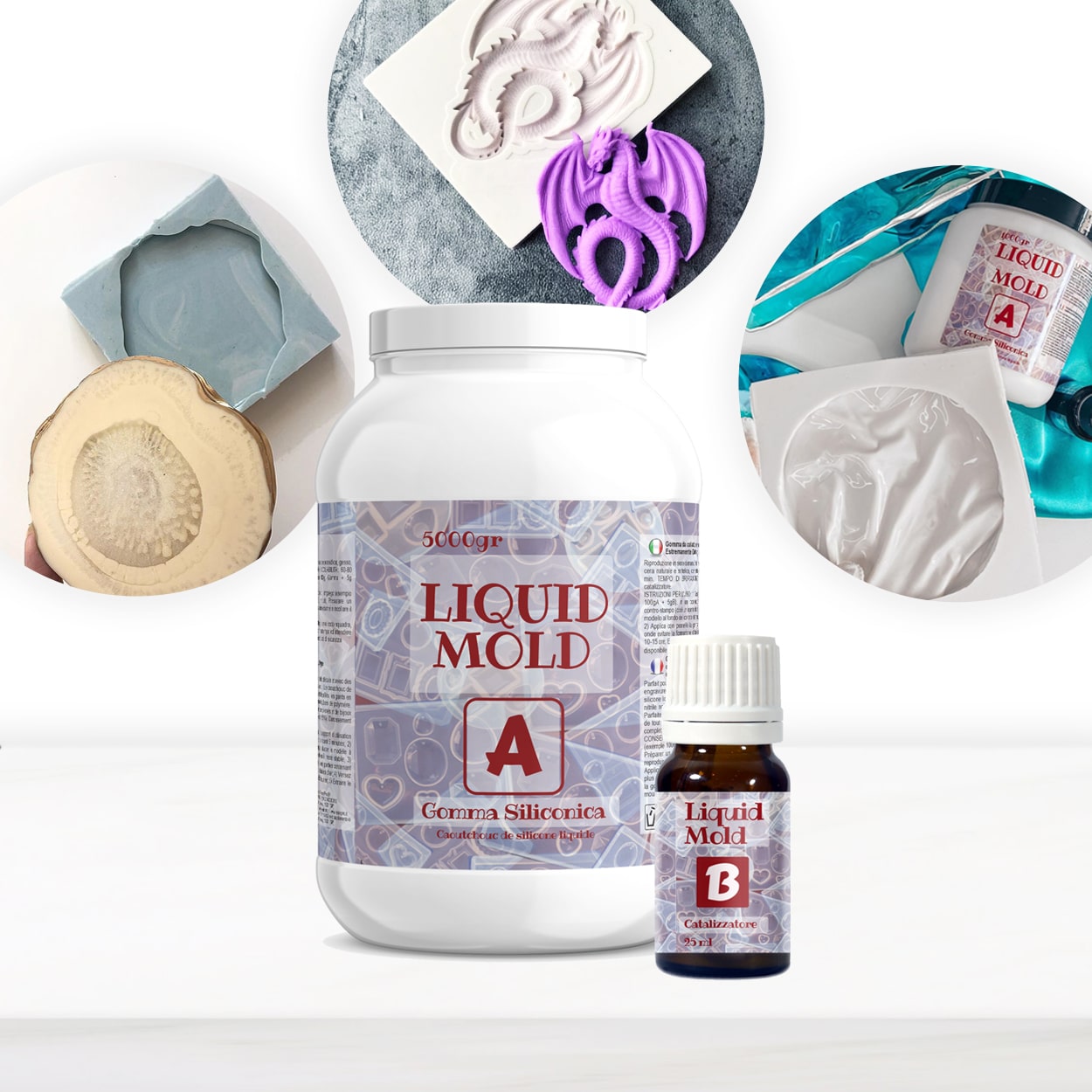
- “Liquid Mould” – Casting Liquid Silicone Rubber, 5-40 Shores, Bi-Component A+B: Ideal for projects requiring fine detail and undercuts.
- “I–Gum” – Non-Toxic Silicone Putty for Mould Making: Perfect for hands-on, mess-free mould making with a simple mix ratio.
- Mixing cups and stirrers
- Mould box or container (to hold your model and liquid silicone)
- Release agent (suitable for silicone-to-plaster or silicone-to-model separation)
- Plaster of Paris or equivalent plaster material
- Protective gloves and apron
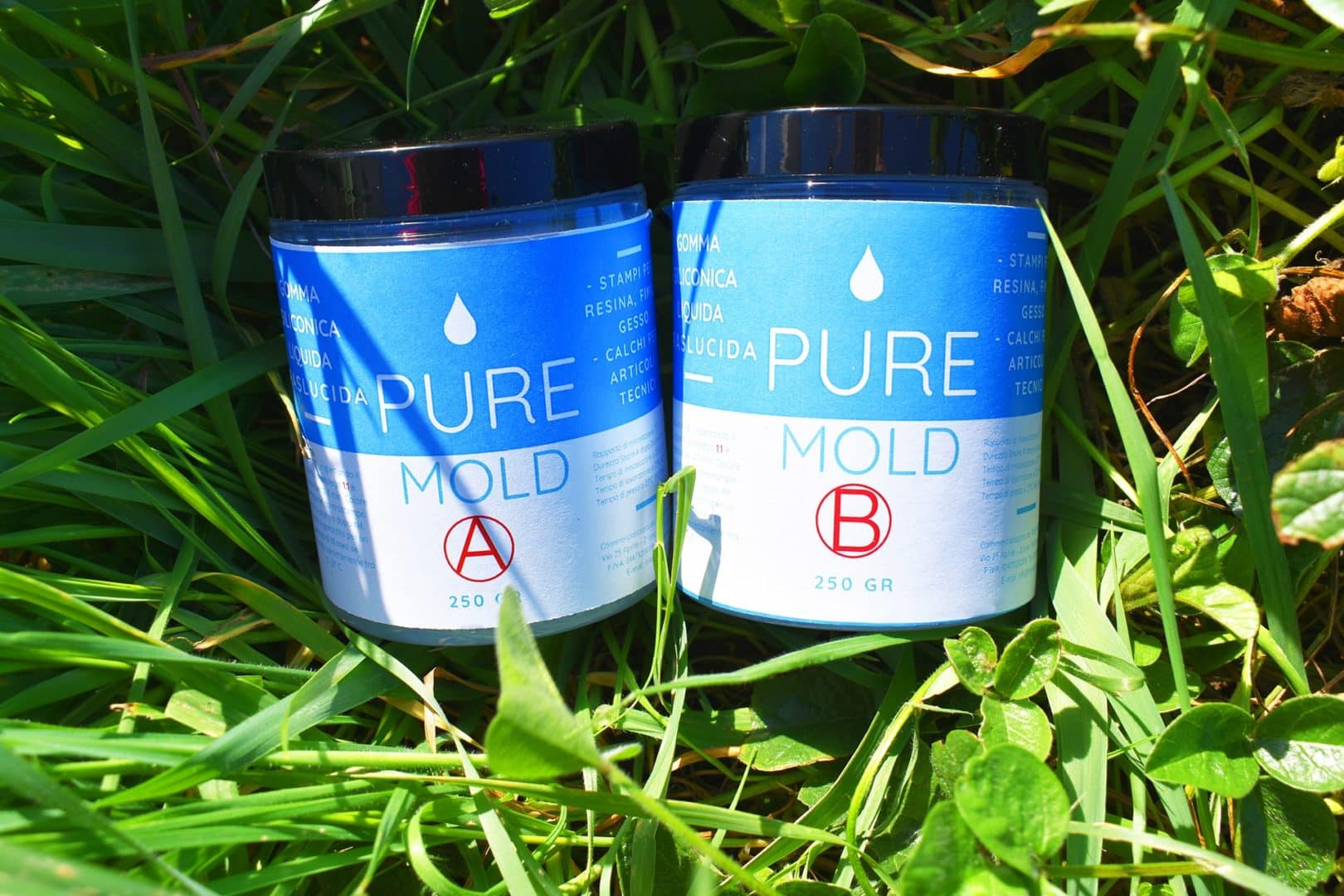
Essential Materials for Mould Making
Choose the right silicone rubber or putty for your project’s shape, detail, and working time. Always use mixing cups and a clean workspace for the best results.
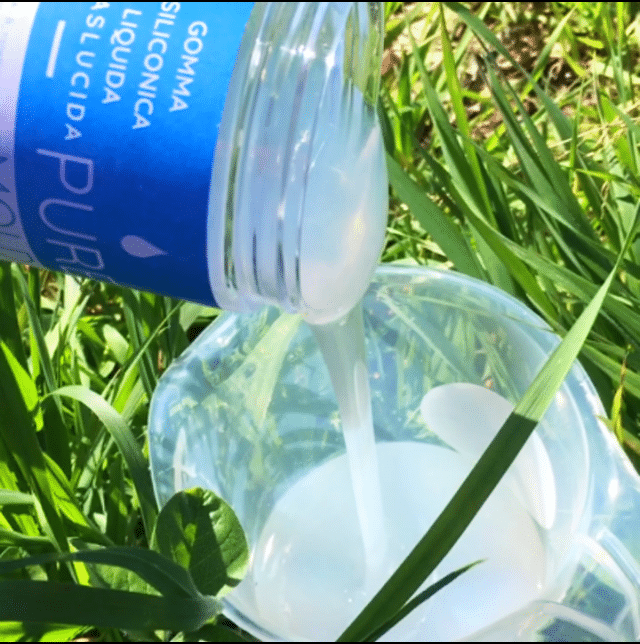
Step 1: Prepare Your Model and Workspace
Work in a dust-free, well-ventilated area to prevent debris from interfering with mould detail or your safety. Clean your model thoroughly to remove dust and grease, as surface contaminants can affect mould accuracy. Position your model securely inside a suitable mould box or container, leaving at least 1–2 cm clearance on all sides for even mould walls. If your model has deep undercuts, consider how you will separate the mould later—planning for a split or multi-part mould may help avoid damage.
Apply a release agent to the model and the mould box surfaces to ensure easy removal of the cured silicone and avoid unwanted sticking. Allow any release agents used to fully dry before moving on to mixing silicone rubber.
Step 2: Mix and Pour the Silicone Rubber
Weigh and pour the required amounts of silicone rubber components into your clean mixing cup, according to the product’s instructions. Ensure components are thoroughly mixed, scraping the container walls to blend any unmixed material. Take your time with the mixing, as uneven preparation can lead to incomplete curing or weak spots in your finished mould.
If you are working with intricate details or fine textures, consider using “Liquid Mould” – Casting Liquid Silicone Rubber, 5-40 Shores, Bi-Component A+B for optimal fluidity and edge reproduction. For simple or quick projects, “I–Gum” – Non-Toxic Silicone Putty for Mould Making provides an easy, hand-mixed alternative. Pour or apply the mixed silicone slowly into the lowest part of the mould box, allowing the rubber to flow evenly and displace air bubbles from the model surface.
Step 3: Allow the Silicone to Cure Fully
Once poured, gently tap or vibrate the mould box to help bubbles escape—especially important for highly detailed or deep moulds. Allow adequate curing time, as specified by your silicone rubber (ranging from 20 minutes for putties to several hours for liquid types). Placing a cover over your mould can help keep dust out during this stage.
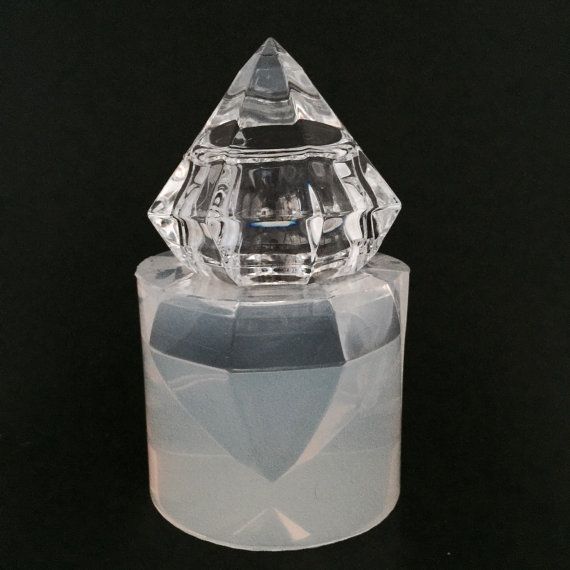
Do not try to demould before the minimum curing time is reached, as premature demoulding can cause distortion or tearing. Silicone like “Pure Mould” – Translucent Liquid Silicone Rubber for Mould Making often becomes noticeably firmer after 3–8 hours and is ready for careful removal at that point.
Step 4: Cast Plaster into the Silicone Mould
Once the silicone mould is released from the model and mould box, clean it of any dust and check for tears or defects. Prepare your plaster according to package instructions. Use a suitable release agent on the mould’s internal surface if required to prevent the plaster adhering to the silicone prematurely, improving demoulding and surface finish.
Pour the mixed plaster into the silicone mould slowly to minimise bubbles, tilting and gently rotating the mould if possible to help the plaster reach all details. Tap the filled mould gently to bring air to the surface. Allow the plaster to set without disturbance, following the recommended curing time for your chosen plaster product.
Step 5: Demould and Finish Your Casting
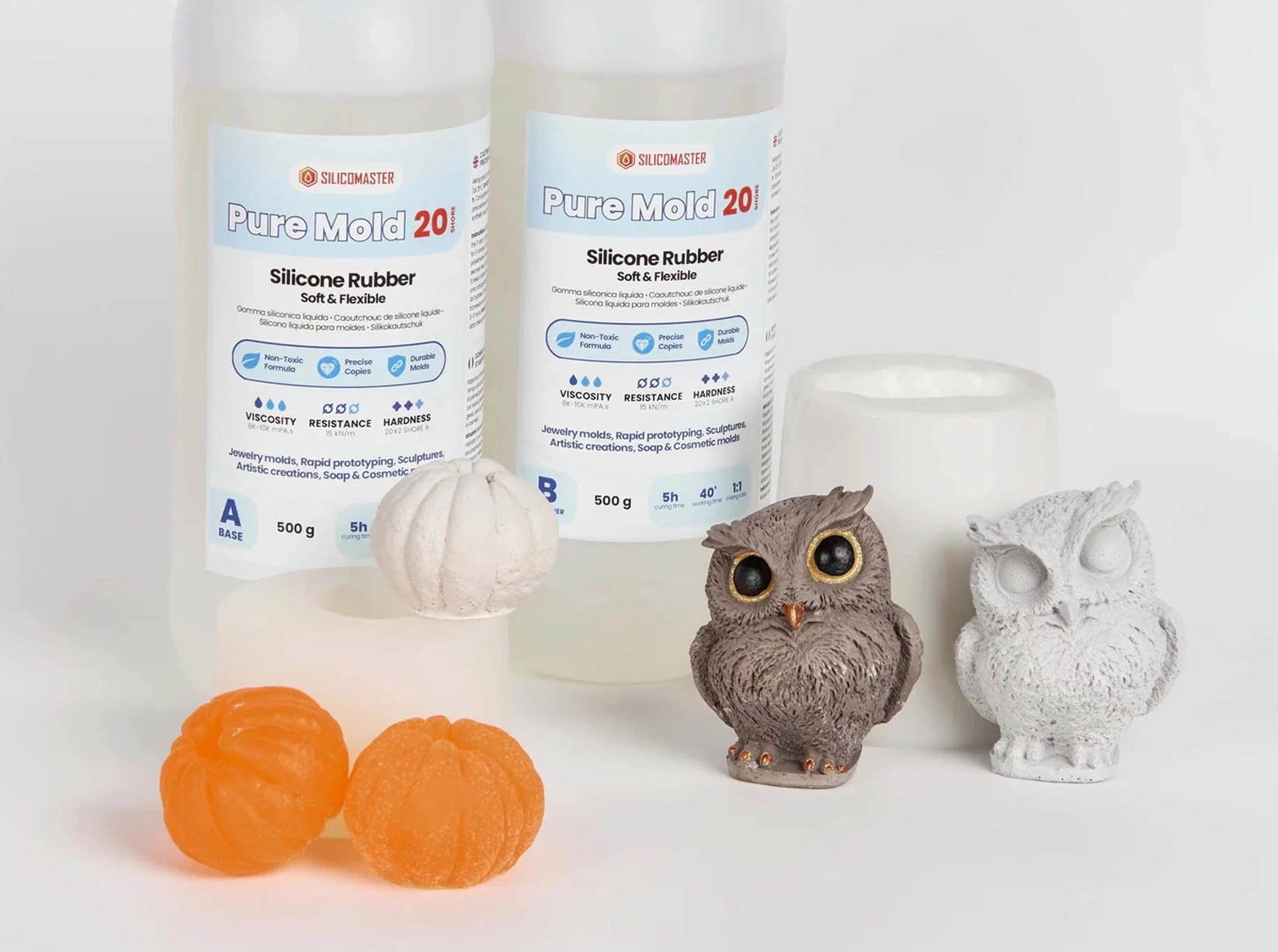
After the plaster has cured and feels dry and solid to the touch, carefully peel back the edge of your silicone mould to release the casting. Take extra care with fresh plaster, as it may be fragile until fully dry.
If any plaster remains as residue on silicone surfaces, clean gently with water or a soft brush. Inspect your mould and casting; good preparation and correct material choice will result in crisp detail and reliable separation, ready for further painting, finishing, or repeated casting cycles as desired.
Tips, Common Mistakes, and Troubleshooting
Read each product’s instructions carefully for mix ratios and curing times. Incomplete mixing can cause sticky or soft spots, while rushing the cure may distort the mould. If fine details are not reproduced, check that you have used a highly fluid silicone such as “Liquid Mould” or worked slowly to avoid trapping bubbles. Too much release agent can reduce detail transfer, while too little may cause sticking. When working with new materials, always conduct a small test before full production.
Store unused silicone and plaster materials sealed, in a cool environment. Clean tools promptly with warm water or appropriate solvents to avoid hardened buildup. If you encounter any issues, check the troubleshooting section of your specific silicone rubber for guidance.
Expert Advice for Successful Moulds
Test your technique on a small scale before starting large or complex moulds. Prioritise safety and careful preparation for professional results every time.
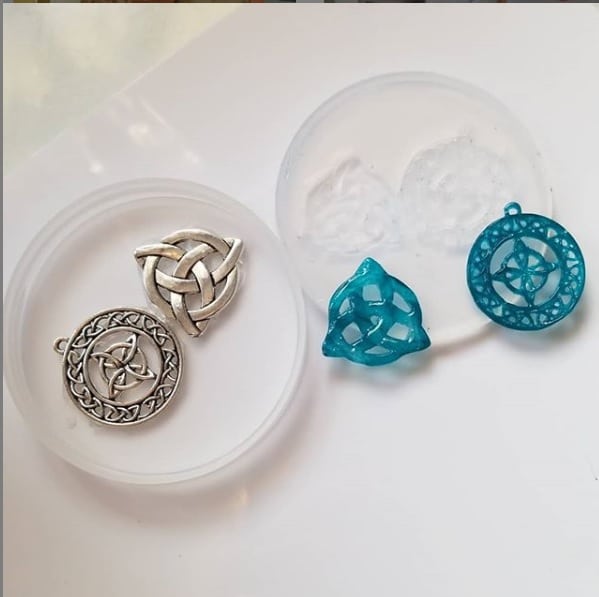
- "Pure Mould" – Translucent Liquid Silicone Rubber for Mould MakingPrice range: £22.85 through £158.85"Pure Mould" is a translucent liquid silicone rubber designed for mould making, compatible with various materials including resins and plaster.
- "Liquid Mould" – Casting Liquid Silicone Rubber, 5-40 Shores, Bi-Component A+BPrice range: £13.45 through £368.85"Liquid Mould" is a casting liquid silicone rubber designed for making moulds with fine details, suitable within the theme How to Make a Silicone…
 "I–Gum" – Non-Toxic Silicone Putty for Mould MakingPrice range: £22.85 through £99.85"I–Gum" is a non-toxic silicone putty designed for mould making with a 1:1 mix ratio and suitable for various materials.
Frequently Asked Questions
Which silicone is best for intricate plaster moulds?
"Liquid Mould" offers fine detail reproduction, ideal for complex or highly-textured objects.
How long should I wait before casting plaster into silicone?
Allow liquid silicone rubbers to cure for the full recommended time—typically 3–8 hours or more—before use.
Can I use silicone rubber moulds multiple times with plaster?
High-quality silicone moulds are reusable for dozens of plaster casts if handled gently and kept clean.
How do I clean silicone moulds after casting plaster?
Rinse gently with water. For dried residue, use a soft brush—avoid sharp objects that may damage the mould.
Should I use a release agent when casting plaster into silicone rubber?
A suitable release agent helps with easy demoulding and is especially recommended for new moulds.
How do I avoid bubbles in my plaster casting?
Pour slowly, tap the mould gently, and consider using a surfactant to reduce surface tension for the plaster mix.