 Free shipping on orders over £29,85
  Shipping Tracking!


 Google
 Facebook
How to make a multipurpose resin basketball court?
A comprehensive UK guide for weather-resistant court installation

Building a resin basketball court creates a low-maintenance, all-weather surface suitable for a wide variety of sports and recreational activities. Whether you are transforming a garden, school playground, or community centre, applying the right resin technique ensures a safe, durable, and multipurpose result for year-round enjoyment. This guide details every step, from foundation to finish, for homeowners, property managers, and contractors looking for resilient court performance.
What You’ll Need
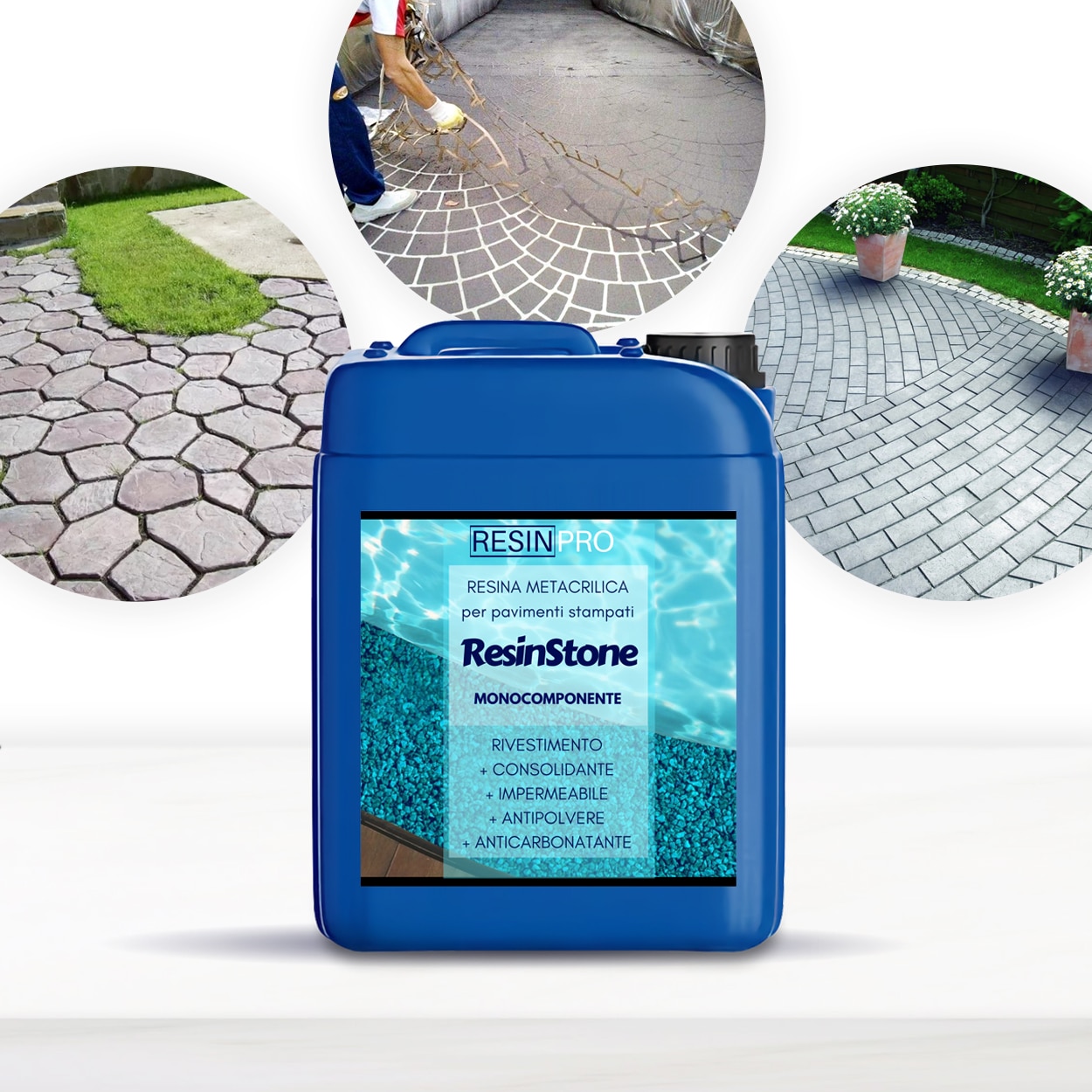
- “Resinstone” – One-Component Methacrylic Resin for Concrete Floors and Driveways: A high-strength resin for sealing and protecting concrete bases.
- “Flowstone” – Complete Permeable Floor Kit with Pebbles and Resin: An all-in-one kit for creating permeable, decorative stone layers.
- “Polirock” – Polyurethane Binder for White Stones, 2kg Two-Component Kit: For installing slip-resistant white stone finishes.
- “Trasparente” – Epoxy Binder for Coloured Pebbles and Grits: A transparent, UV-resistant binder for coloured aggregates.
- Concrete or pre-prepared hard substrate
- Suitable pebbles, coloured grits, or stone aggregates (according to finish)
- Mixing tools, trowels, roller or squeegee, and safety gear

Visual Guide: Choosing Your Court Finish
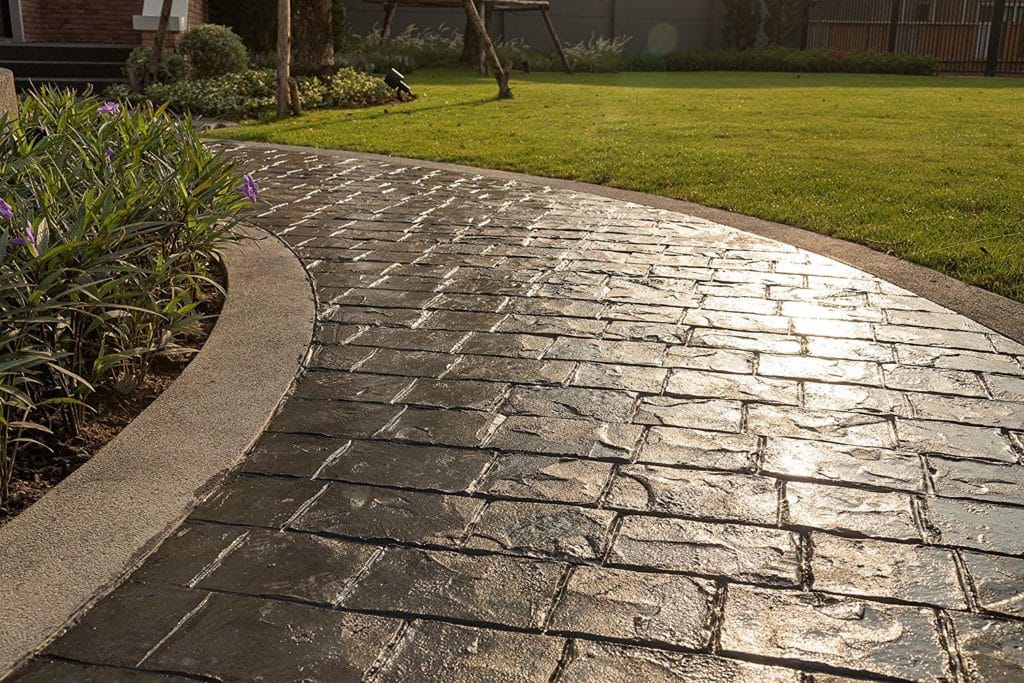
See finished resin basketball court examples with both permeable stone and smooth sealed overlays. Compare the look and custom colour options for the surface style you need, whether slip-resistant outdoor use or an indoor multi-sport solution.
Step 1: Prepare the Base Surface
Successful resin courts begin with a solid, even base—most commonly concrete. Clear the area of all debris, loose materials, and dust. Remove existing vegetation and repair cracks or uneven spots using appropriate filling compounds. For external installations, ensure drainage or a gentle slope is in place to prevent water pooling under the surface. Once cleaned, allow the base to dry completely.
Prepare the base thoroughly for long-term performance: Skipping proper preparation can result in resin delamination or uneven court surfaces down the line.
Step 2: Seal and Prime the Concrete
With the surface dry, the next stage is to seal and protect the concrete. Apply a dedicated primer or resin sealer using a roller or squeegee, ensuring complete coverage. Sealing strengthens the base, improves adhesion, and guards against moisture ingress.
For this purpose, “Resinstone” – One-Component Methacrylic Resin for Concrete Floors and Driveways is ideal, providing both deep penetration and mechanical resistance tailored for concrete floors. Allow the sealer to cure as per guidance—typically ready for resin work within 12 hours.
Step 3: Choose and Mix the Resin Layer
The type of resin system depends on your chosen finish. A permeable stone layer is recommended for outdoor courts to promote drainage and anti-slip performance. Pour the selected resin and aggregate into a clean mixing vessel, ensuring all stones are well coated for uniformity. Follow the resin’s mixing ratio precisely to achieve ideal coverage and curing.
If you desire a colourful or anti-slip decorative finish, use “Trasparente” – Epoxy Binder for Coloured Pebbles and Grits for coloured stones or “Polirock” – Polyurethane Binder for White Stones for light aggregates. Choose resin systems according to aggregate colour to avoid unwanted yellowing and achieve lasting aesthetics.
Step 4: Apply the Resin-Aggregate Mixture Evenly
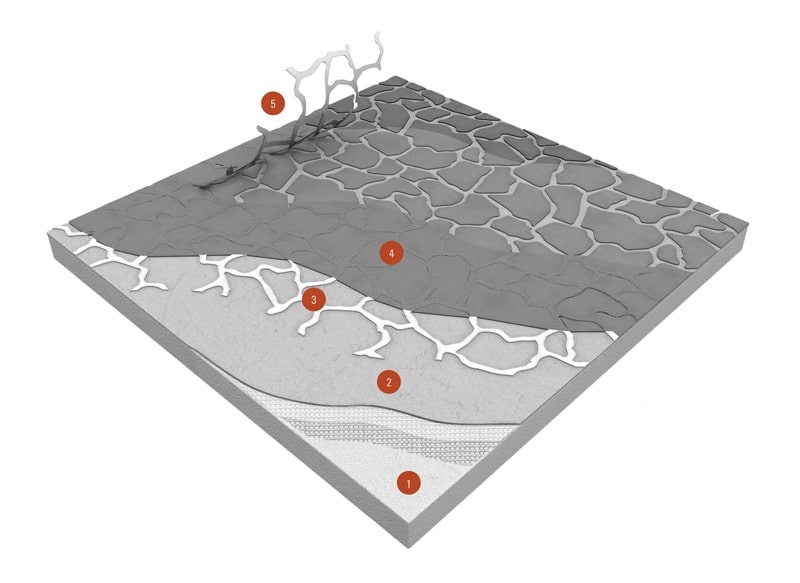
Spread the resin-bound stone mixture evenly across the prepared base. Use a trowel or screeding bar to achieve uniform thickness and remove air pockets. Edging strips can help create tidy boundaries and prevent spreading. Work in sections to maintain a wet edge and consistent finish throughout the court area.
For permeable, slip-resistant performance and straightforward application, “Flowstone” – Complete Permeable Floor Kit with Pebbles and Resin offers comprehensive guidance. Avoid compacting the layer too much, as this can reduce permeability and drainage efficiency.
Apply resin in optimal weather conditions—ideally between 10°C and 40°C with low humidity—for best results.
Step 5: Curing and Aftercare
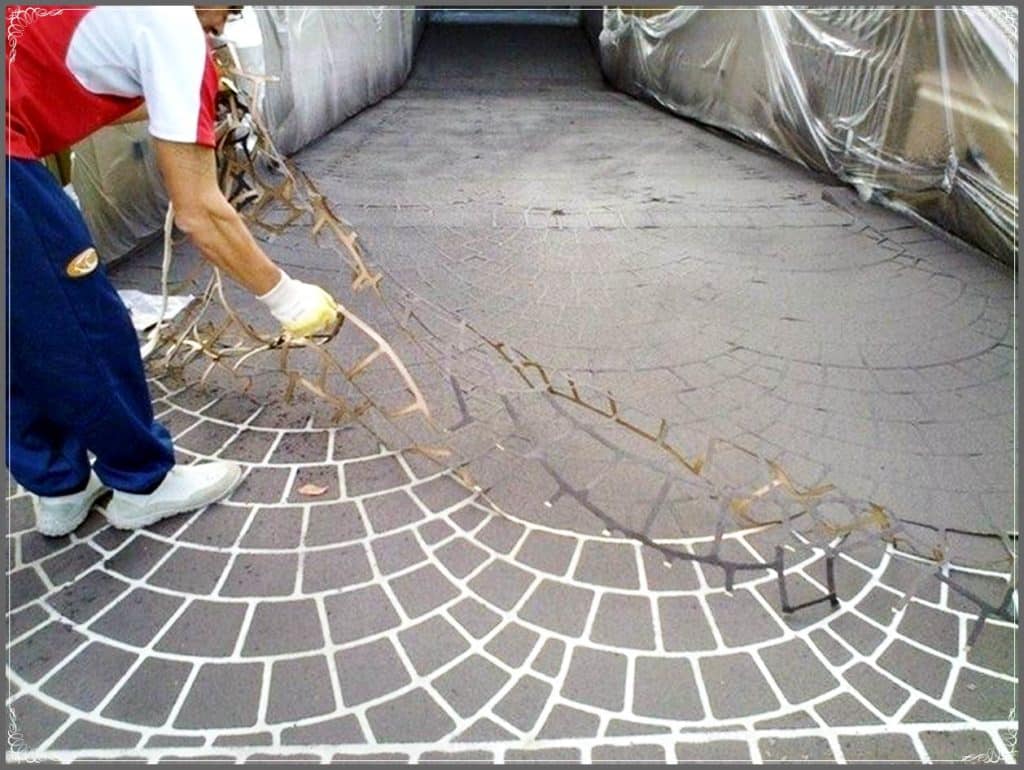
Once the resin layer is laid, allow the surface to cure undisturbed. Prevent foot traffic, rain, or debris for the full curing time specified by the chosen system (usually 10 to 24 hours for pedestrian use). Only after complete curing should you draw lines or add permanent basketball court markings, ensuring both court performance and visual appeal.
Regular sweeping and occasional cleaning with mild detergent will help maintain appearance and slip resistance. Allow proper curing time before use to ensure a strong, durable surface that withstands intensive sporting activities.
Tips, Common Mistakes, and Troubleshooting
Always check the manufacturer’s technical datasheets and guidelines for your resin system. Applying resin in very cold, humid, or wet conditions can compromise adhesion and curing, while insufficient base preparation may result in bubbling or surface defects. Mix components thoroughly to prevent patchy results, and do not rush application—work systematically for tidy edges and consistent layer thickness.
If you encounter uneven curing or tackiness, review the mix ratio, ambient temperature, and humidity. If in doubt, test a small area first before committing to the entire court surface. Promptly clean tools with suitable solvents before the resin sets.
Application in Action
Watch the resin pouring, spreading, and curing process step-by-step on a live sports court build. Notice technique tips for a flawless, even finish and how different resins match court designs for lasting safety and performance.
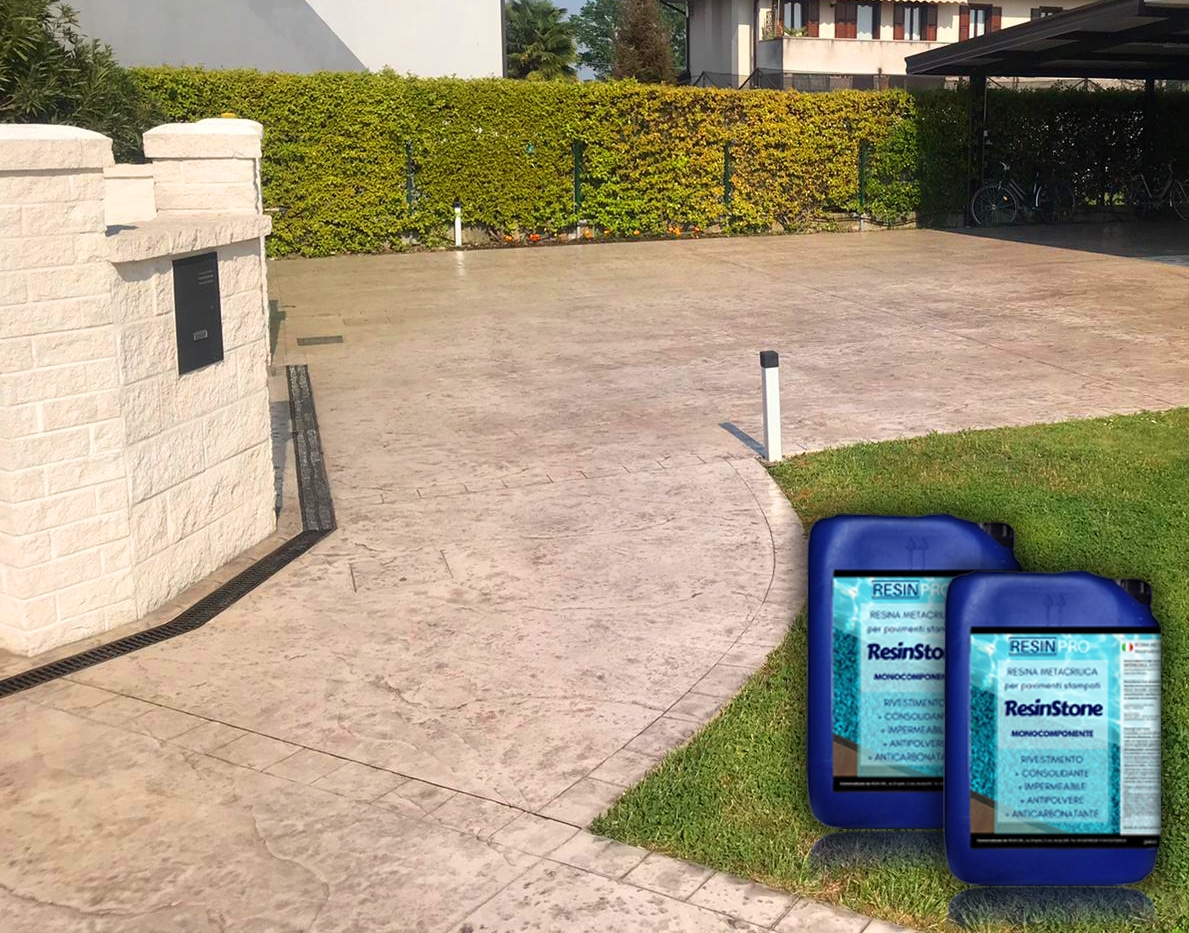
- "Resinstone" – One-Component Methacrylic Resin for Concrete Floors and DrivewaysPrice range: £29.85 through £59.85"Resinstone" offers durable sealing and protection for concrete floors, suitable for indoor and outdoor use with fast drying times.
- "Flowstone" – Complete Permeable Floor Kit with Pebbles and ResinPrice range: £42.85 through £3,389.85"Flowstone" is a permeable pebble and resin kit for outdoor areas, designed for easy application and customisable finishes suitable to the theme.
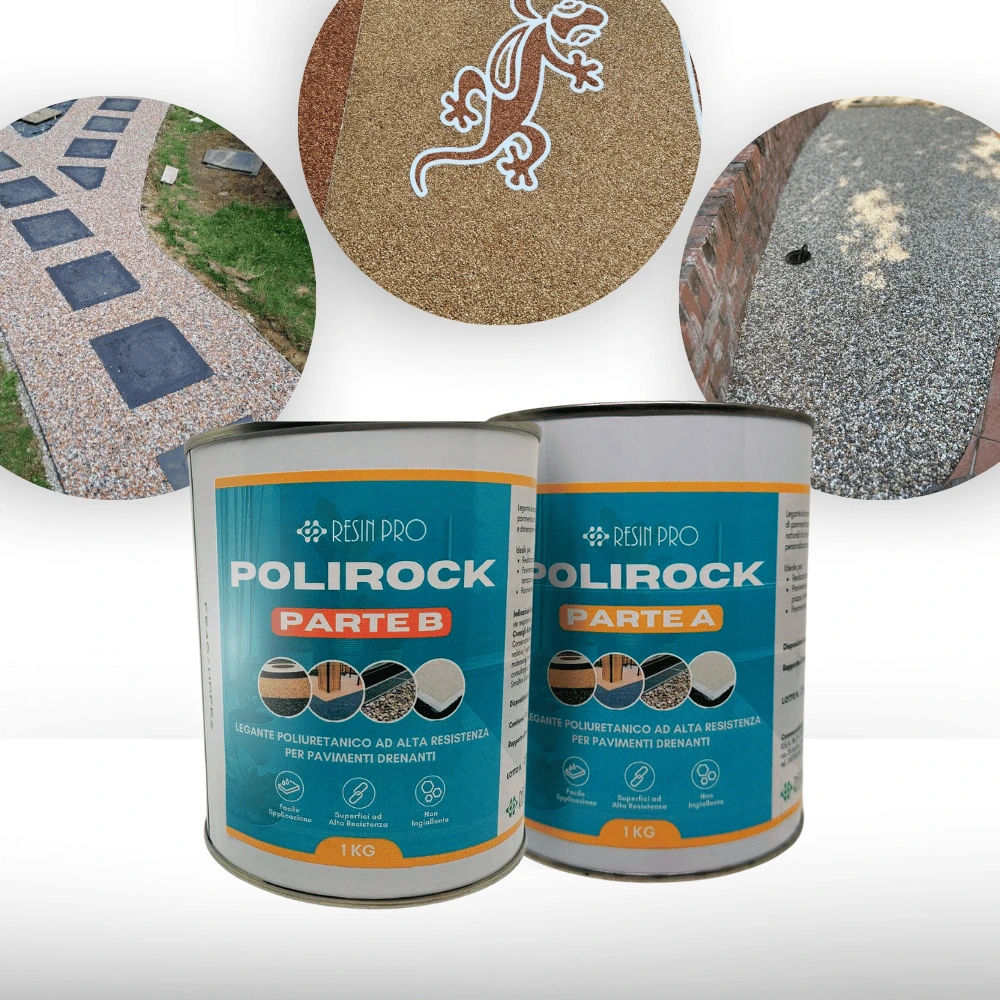 "Polirock" – Polyurethane Binder for White Stones, 2kg Two-Component Kit£58.85POLIROCK is a two-component polyurethane binder for durable, weather-resistant stone surfaces suitable for both professional and DIY outdoor projects.
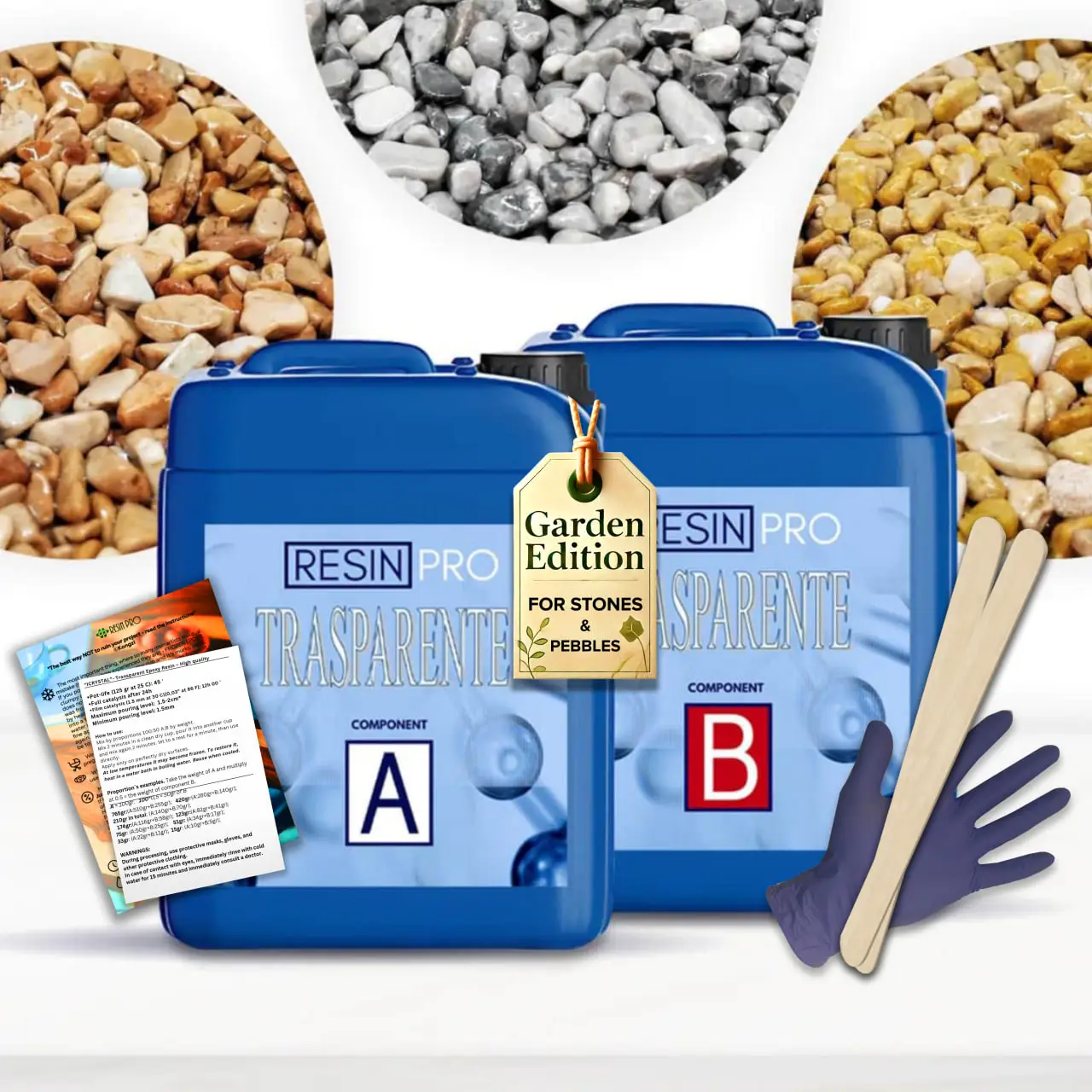 "Trasparente" – Epoxy Binder for Coloured Pebbles and GritsPrice range: £31.85 through £948.85"Trasparente" epoxy binder is designed for coloured pebbles with a clear, bubble-free finish and UV stability suitable for various paved surfaces.
Frequently Asked Questions
Which resin is most suitable for sealing a basketball court concrete base?
"Resinstone" – One-Component Methacrylic Resin for Concrete Floors and Driveways offers strong protection and moisture resistance for concrete court substrates.
Should I use a permeable or sealed resin surface for an outdoor basketball court?
A permeable resin-bound stone layer helps with drainage and slip resistance, while sealed layers work best for indoor or perfectly drained bases.
What thickness should the resin-bound layer be for sports use?
A resin-bound gravel layer of 12 to 20mm is optimal for most basketball courts, providing durability and performance.
Can I install a resin court in the rain or cold?
No, always install resin only in dry weather between 10°C and 40°C and avoid high humidity to ensure proper bonding and curing.
How do I ensure the court surface is safe and slip-resistant?
Choose anti-slip resin systems and/or angular aggregates, and regularly clean the surface to maintain safe play in all conditions.
What maintenance does a resin basketball court require?
Sweep regularly and clean occasionally with mild detergent; check for damage or wear yearly and recoat or repair as needed.