 Free shipping on orders over £29,85
  Shipping Tracking!


 Google
 Facebook
How to make a knife handle from resin?
Making a bespoke knife handle from resin combines artistic creativity with practical strength. This guide will take you through every step to create a beautiful, functional resin handle using safe techniques and proven craft practices. Whether you’re enhancing a custom blade or seeking vibrant colours and inclusions, you’ll finish with a stylish, long-lasting result.
Step-by-step guide to crafting custom resin knife handles

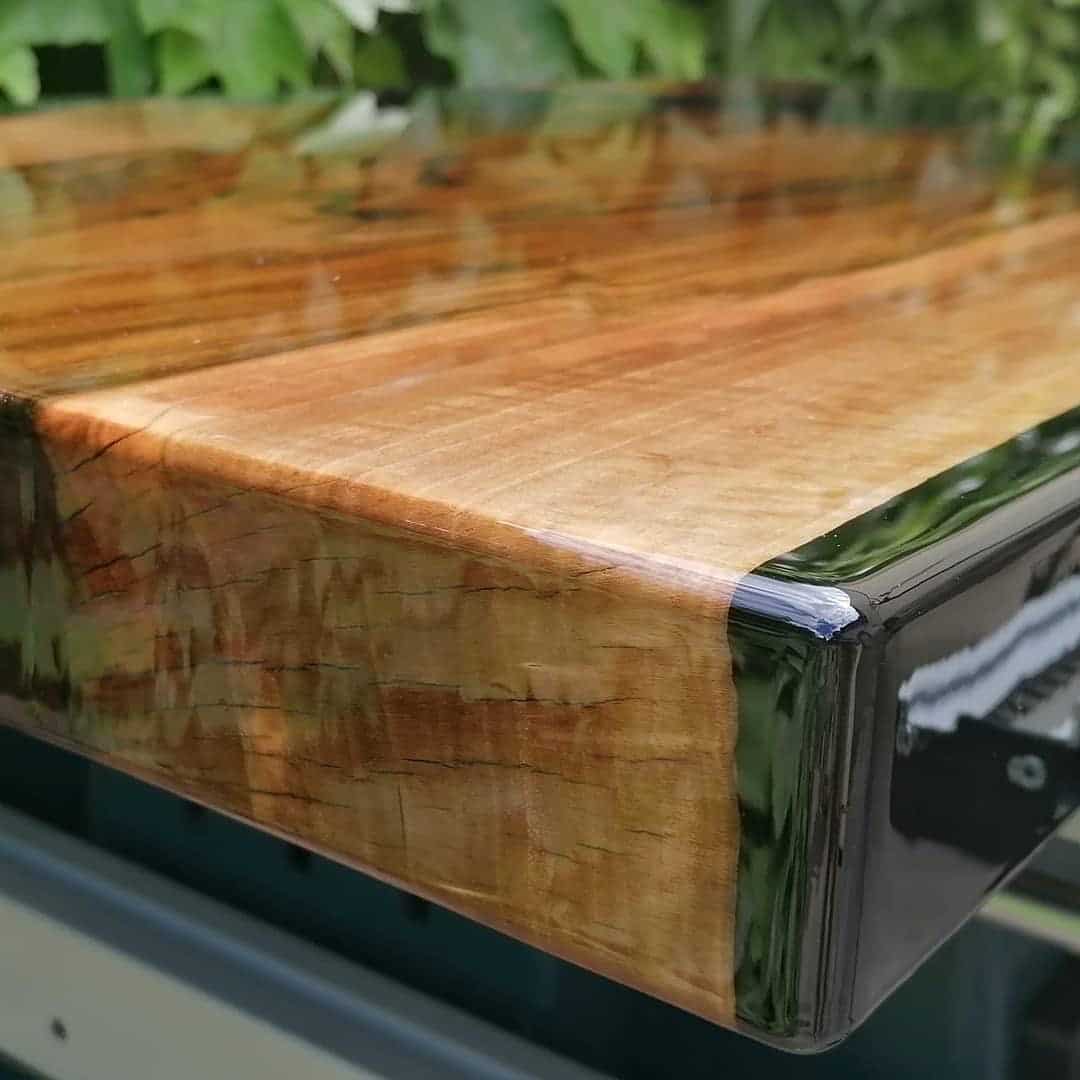
What You’ll Need
- “Epoxytable 10-Ten” – Deep Pour Epoxy Resin for Tables, Up to 10cm Casting – for thick, clear or coloured casting
- “EpoxyTable 5-Five” – Deep Pour Epoxy Resin for Tables and Large Projects – Up to 5cm – for moderate thickness knife handle pours
- “One-2-One” – Epoxy Resin for Handcraft, 1:1 Mixing Ratio – ideal for decorative inlays or top coating
- “Rectangular Mould” – Silicone Formwork 19.5×13.5cm – for casting the resin block
- Protective gloves and safety equipment
- Mixing cups and stirring sticks
- Sandpaper and polishing tools
- Knife blade blank (without handle)
- Release agent (optional, for the mould)
- Colour pigments or decorative inclusions (optional)

Inspiration for Resin Knife Handles
See finished resin handles in vibrant colours or with embedded materials for personalisation and style.
Browse our gallery to spark ideas for your own project.
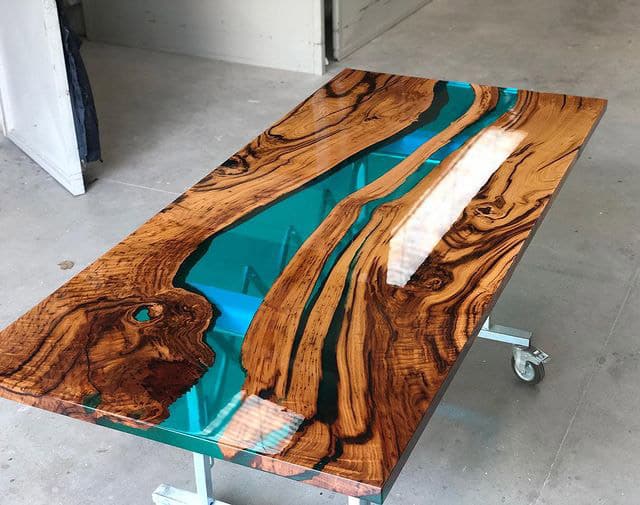
Step 1: Prepare your workspace and materials
Choose a well-ventilated, dust-free area to ensure a flawless finish. Lay down protective sheets to keep surfaces clean, and put on nitrile gloves for safety. Gather all ingredients and tools, organising them for smooth progress. If you are using a silicone form like the “Rectangular Mould” – Silicone Formwork 19.5×13.5cm, check it is clean and dry; applying a release agent is recommended but optional, particularly for intricate handles or if you want a smooth demoulding.
Step 2: Level and secure the mould
Level and secure the mould on a flat surface to avoid uneven casting. Make sure your knife tang (the metal part inserted into the handle) is ready if you plan to embed it during casting. Consider suspending the tang in the mould or positioning it so that it is fully encapsulated or set on one edge for later fitting. Double-check the mould’s stability to prevent unwanted spills or crooked set-up.
Step 3: Mix and pour the resin carefully
Mix and pour the resin carefully according to the chosen formula’s instructions. For thick, robust handles, use “Epoxytable 10-Ten” – Deep Pour Epoxy Resin for Tables, Up to 10cm Casting or “EpoxyTable 5-Five” – Deep Pour Epoxy Resin for Tables and Large Projects – Up to 5cm, depending on your handle’s dimensions. Measure precisely, mixing both parts slowly to prevent bubbles. If using “One-2-One” – Epoxy Resin for Handcraft, 1:1 Mixing Ratio for a decorative top layer or inlays, follow its equal-parts instructions. Add pigments or decorative effects at this stage if desired. Pour the resin in one steady stream, filling the mould and avoiding air pocket formation by pouring close to the mould edge. Tap or vibrate the mould gently to release trapped bubbles.
Allow the resin to cure fully – timing depends on resin choice, temperature, and thickness. Never rush demoulding; refer to the product’s guidelines for best results.
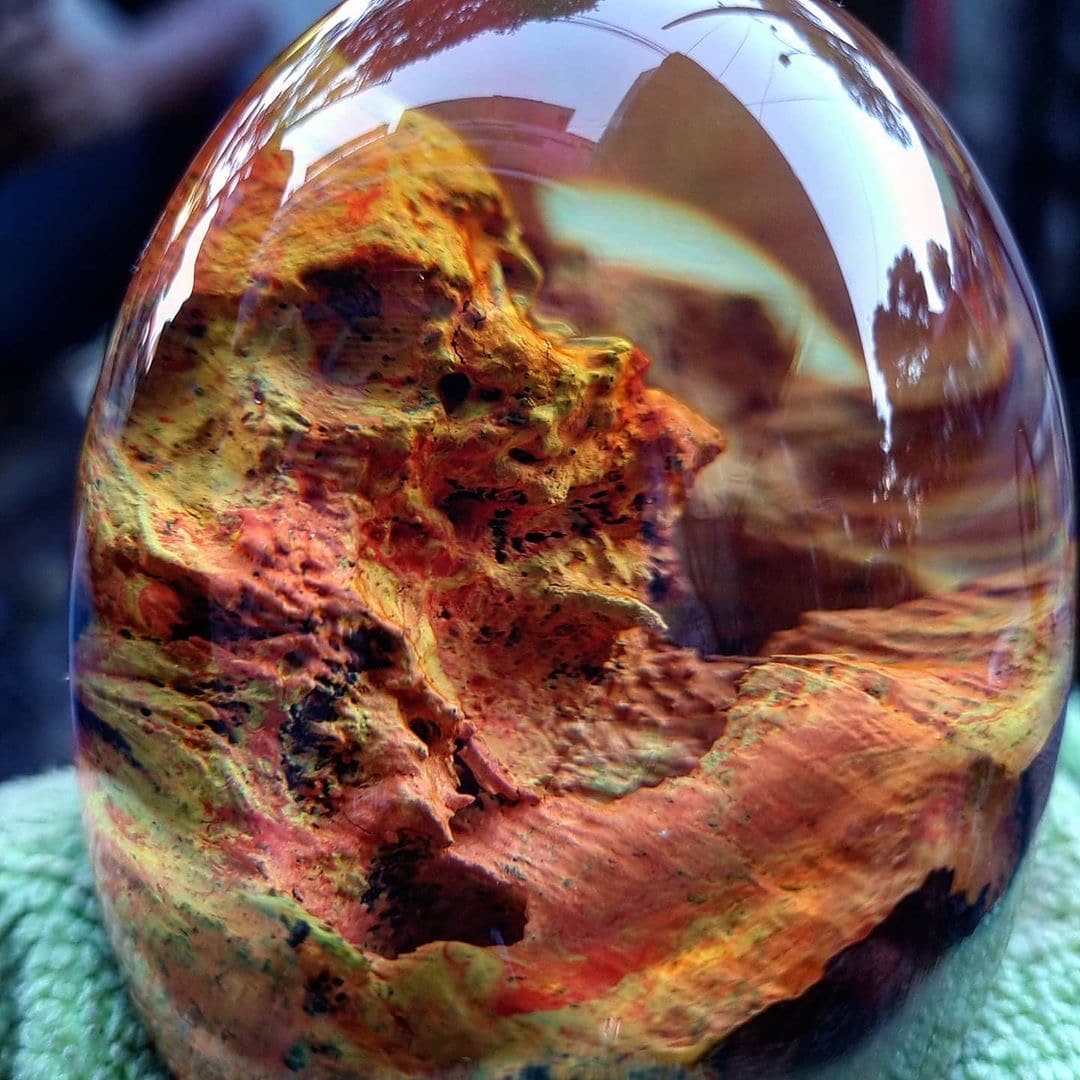
Step 4: Demould and shape the handle
Demould and shape the handle after full curing. Carefully flex the mould or use a gentle push to release the resin blank. Remove the resin within 12 hours if using the “Rectangular Mould” – Silicone Formwork 19.5×13.5cm to avoid sticking. Trim excess material, mark your desired handle shape, and use coarse sandpaper or a small saw to define the profile. Continue shaping with progressive finer grits, ensuring a comfortable grip and symmetry.
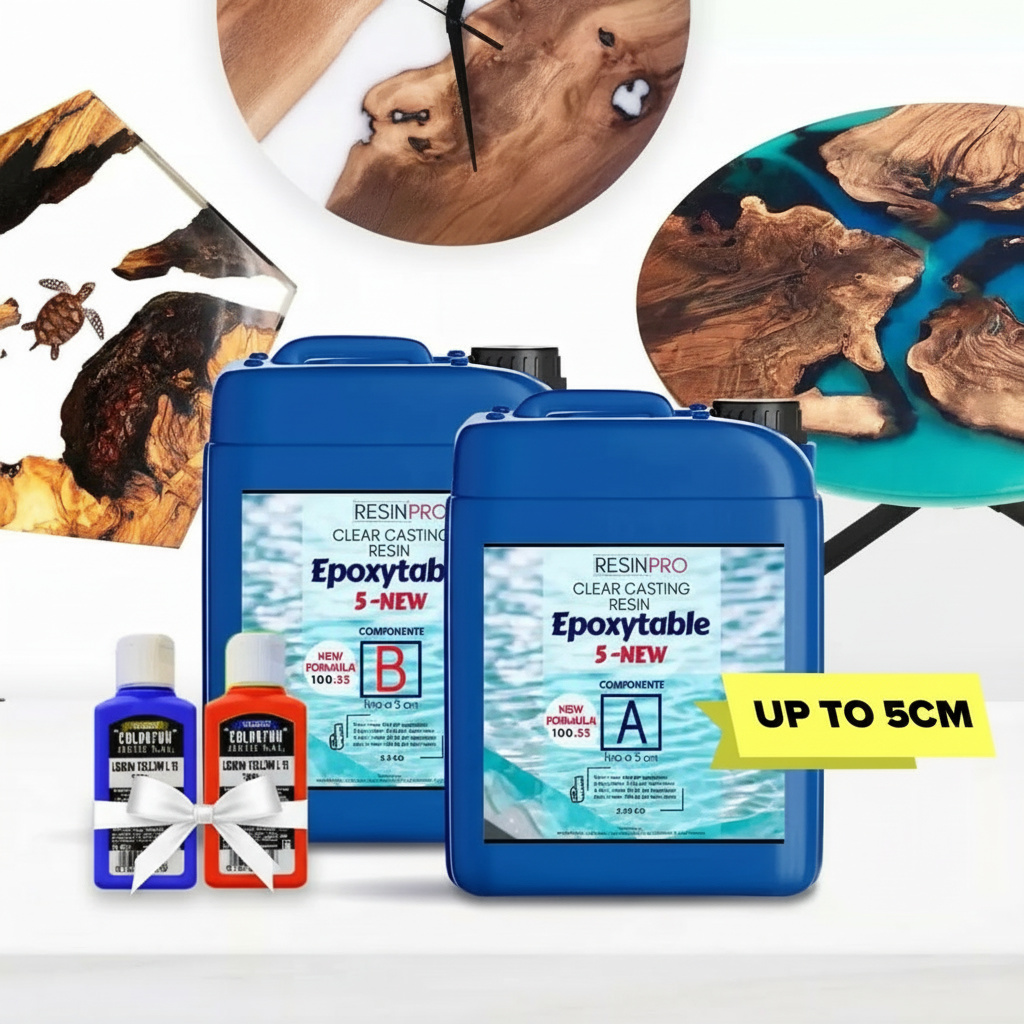
Step 5: Finish and polish
Finish and polish the resin handle for final presentation. Use progressively finer sandpaper to remove scratches, working up to at least 1000 grit for a glass-like sheen. Apply a polishing compound and soft cloth for high gloss, or leave a matte surface for a subtle look. If you’re doing a two-stage assembly, fit the resin handle onto the knife tang and secure firmly, using resin adhesive if necessary. Check for smooth transitions and comfortable ergonomics.
Tips, common mistakes, and troubleshooting
Always measure resin and hardener accurately; incorrect ratios can cause soft or sticky finishes. For thick or complex pours, pour in layers if necessary to prevent overheating. Remove castings promptly from moulds as recommended, especially with reusable silicone forms, to avoid adhesion issues. Cure times may vary by formula and temperature; patience yields the best result. When sanding, keep the resin cool to avoid softening the surface.
Crafting Stages in Detail
Visualise each major crafting stage from mixing and pouring, through to shaping and hand-sanding for a flawless finish.
Let each phase inform your careful craftsmanship.

- “Epoxytable 10-Ten” – Deep Pour Epoxy Resin for Tables, Up to 10cm CastingPrice range: £33.85 through £334.85“Epoxytable 10-Ten” epoxy resin is suited for deep casting projects up to 10cm with low viscosity and UV resistance.
- "EpoxyTable 5-Five" – Deep Pour Epoxy Resin for Tables and Large Projects – Up to 5cmPrice range: £16.85 through £1,099.85"EpoxyTable 5-Five" is a deep pour epoxy resin designed for tables and large projects, suitable for thick castings up to 5cm with UV protection.
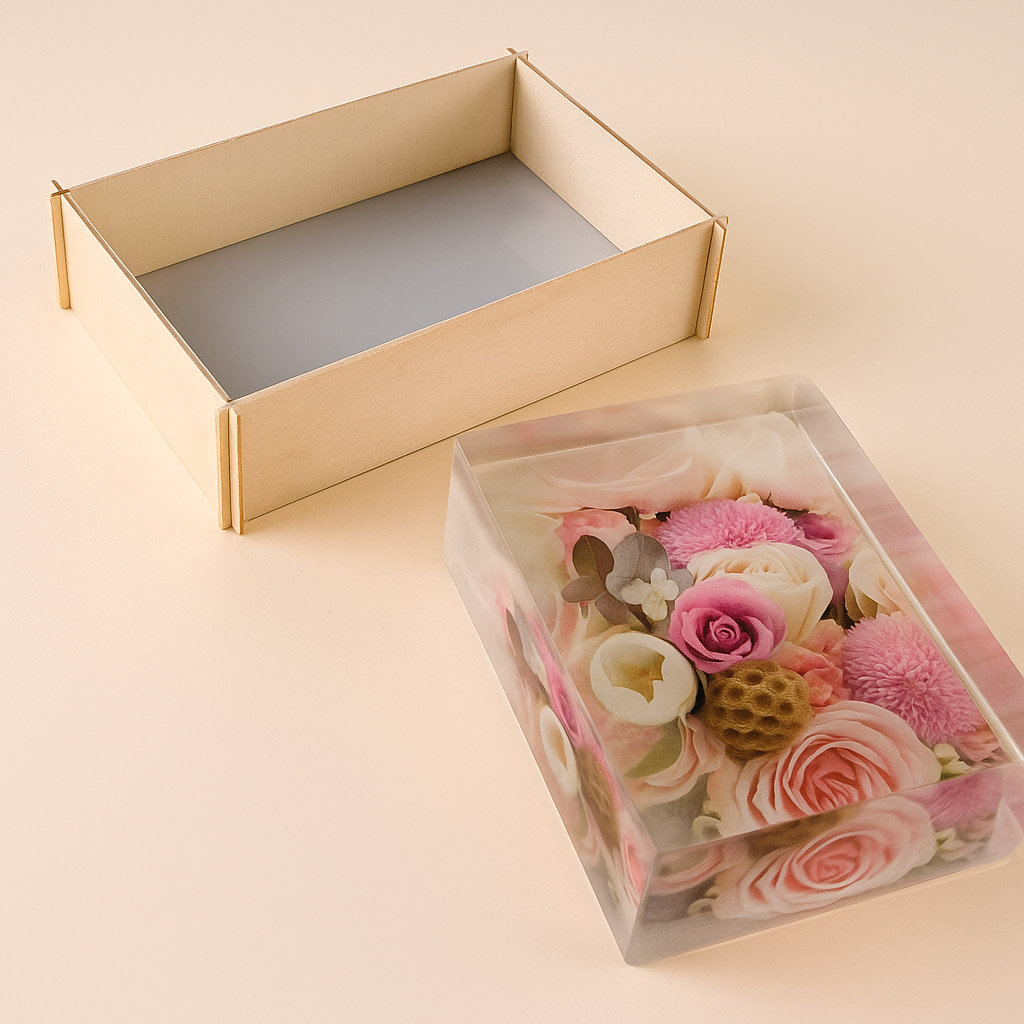 "Rectangular Mould" – Silicone Formwork 19.5×13.5cm£10.85The "Rectangular Mould" offers a professional silicone formwork suitable for square-shaped resin creations within the knife handle making theme.
 "One-2-One" – Epoxy Resin for Handcraft, 1:1 Mixing RatioPrice range: £14.85 through £56.85ONE-2-ONE epoxy resin is suitable for beginners and crafters wanting a medium viscosity, non-toxic resin with clear, glossy finishes.
Frequently Asked Questions
What is the best resin for casting a knife handle?
For thick, durable knife handles, use deep pour epoxy such as Epoxytable 10-Ten or EpoxyTable 5-Five.
Can I add colour pigments or objects inside my resin handle?
Yes, incorporate pigments or suitable inclusions during resin mixing for customised effects.
How do I avoid bubbles when casting a resin knife handle?
Mix the resin slowly, pour as a single stream, and gently tap the mould to release trapped air.
What is the recommended method to release the resin knife handle from the mould?
Allow full cure, remove within 12 hours if using a silicone mould, and flex gently to demould.
Any advice for sanding and polishing the finished resin handle?
Start with coarse grits, work up to fine, and use polishing compound for best shine.
How should I attach the resin handle to my blade's tang?
Shape the blank, drill for pins if required, and use epoxy adhesive for a secure fit.