 Free shipping on orders over £29,85
  Shipping Tracking!


 Google
 Facebook
How to make a resin ointment
Making a resin ointment offers a practical way to create a smooth, glossy blend with durable clarity—used for decorative purposes or as a medium for encapsulating botanical or natural inclusions. Whether you’re a hobbyist or a creator looking to master the process, this guide will walk you through safe and effective techniques to achieve a professional-quality resin ointment.
Step-by-step guide for safe and effective resin ointments
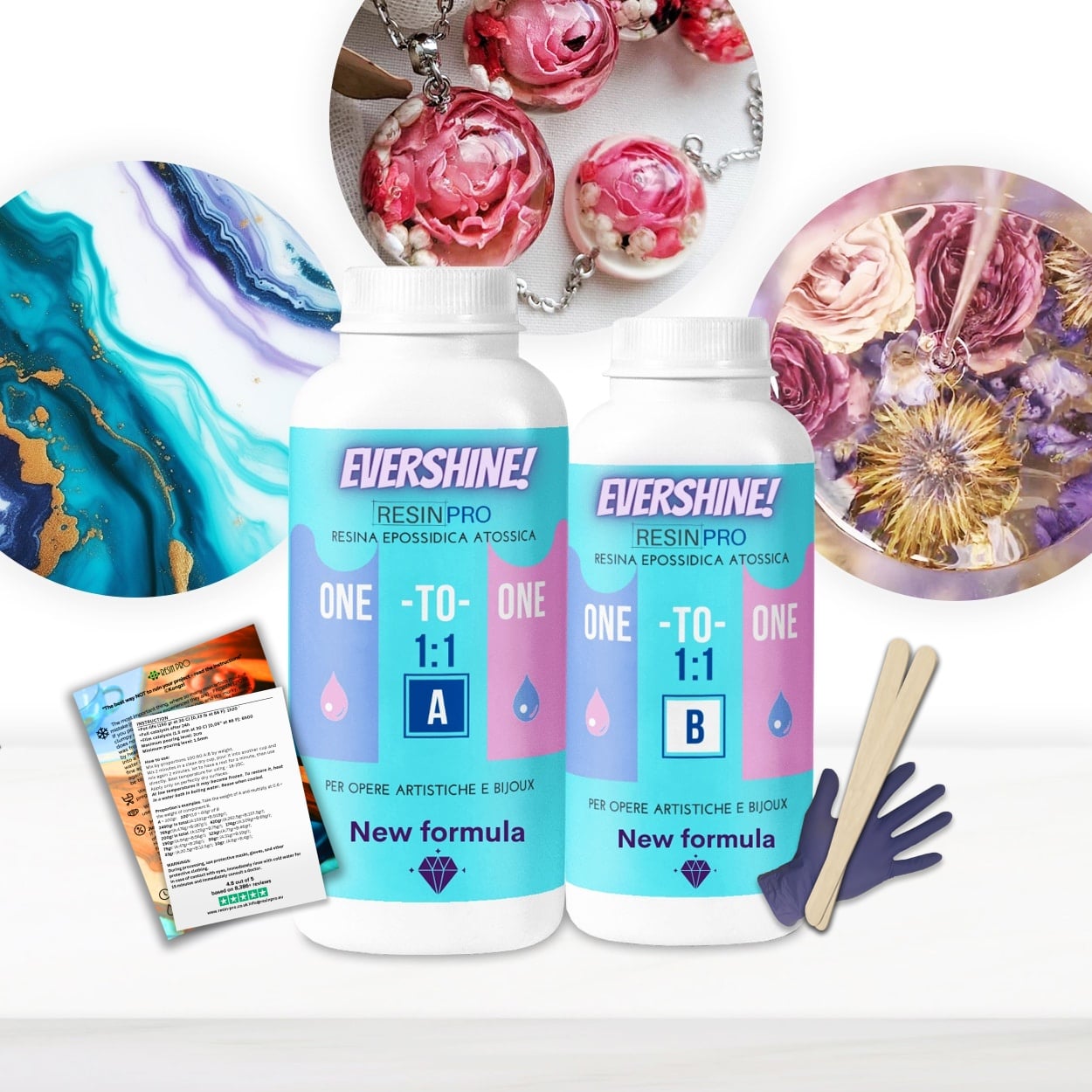
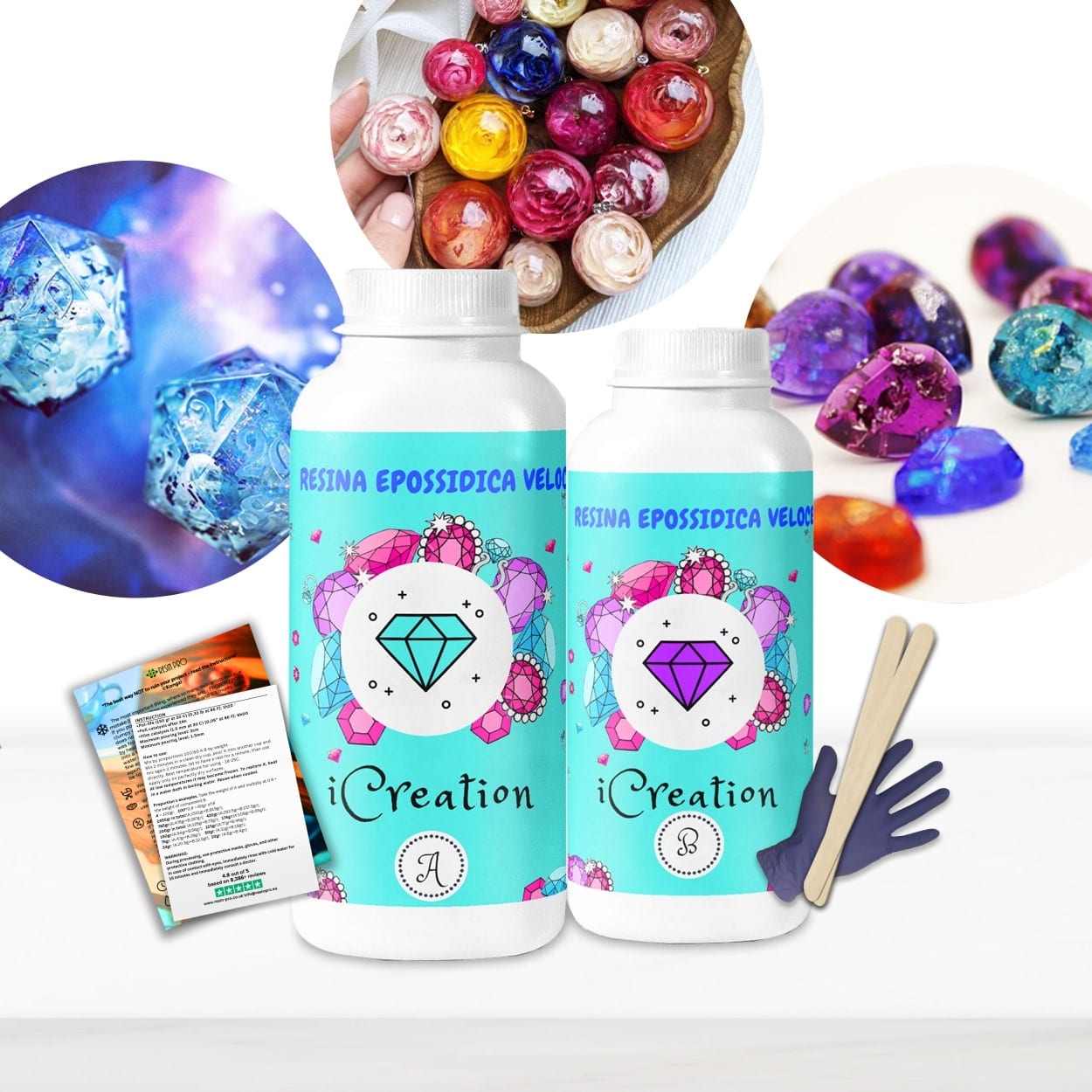
What You’ll Need
- “One-2-One” – Epoxy Resin for Handcraft, 1:1 Mixing Ratio – A medium viscosity epoxy resin for easy and smooth mixing
- “ICreation” – Fast Epoxy Resin, 6h Demoulding, Transparent Gloss Finish – For quicker curing and time-saving projects
- “UV–Creation” – Fast Acrylic Resin, 3 Minute UV Cure – For rapid small-batch applications using a UV lamp
- “Art Pro Deluxe” – Ultra-High Viscosity Epoxy Resin for Artists – Best for detailed work and advanced layering
- Protective gloves and safety glasses
- Mixing cups, stirring sticks, and silicone spatula
- Heat-resistant work surface and UV lamp (if using UV resin)
- Disposable pipettes or spatulas for ointment application
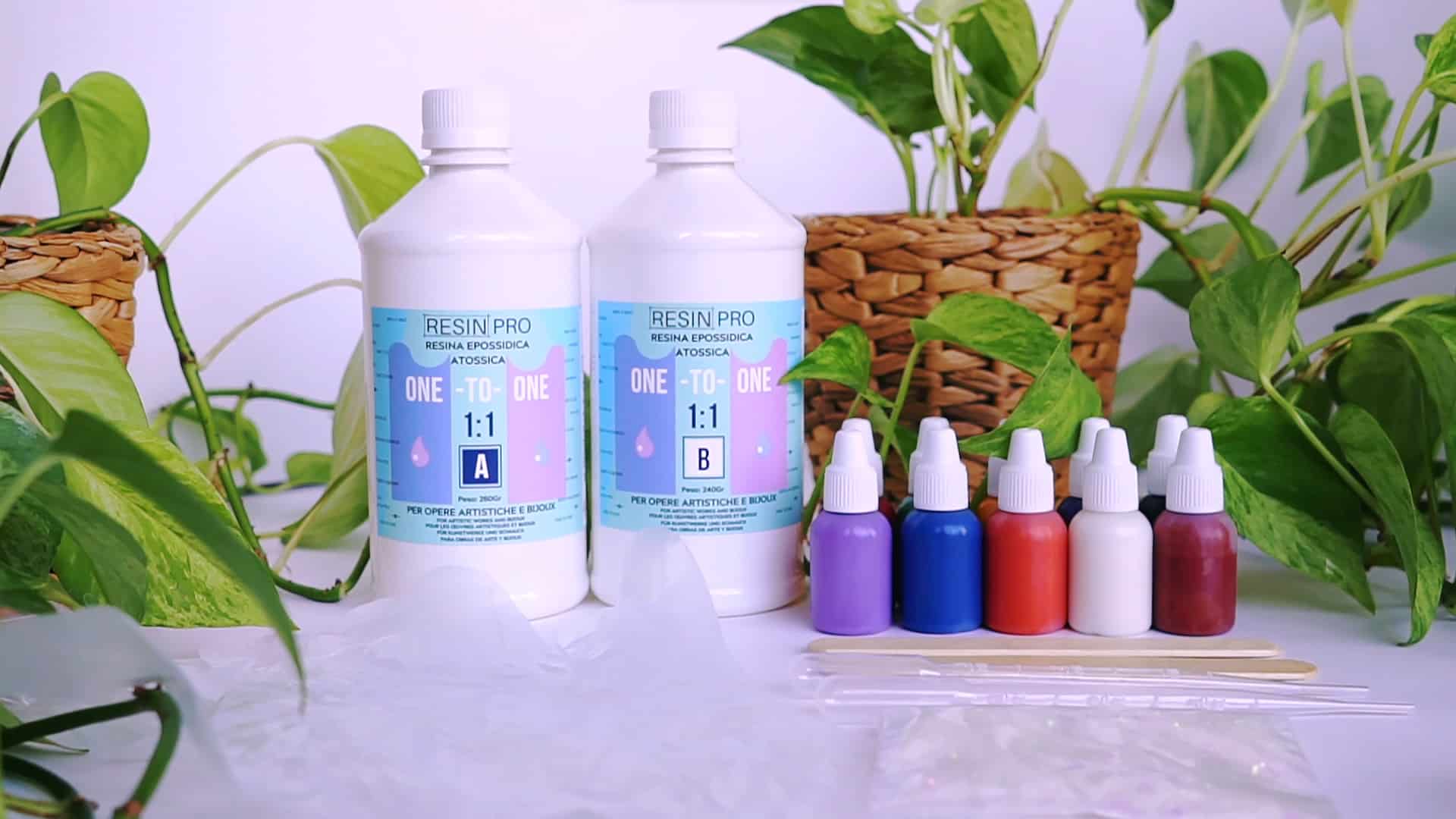
Essential Tools and Product Choices
Selecting the right resin and accessories ensures a smooth process and optimal finish. Protective gear and appropriate mixing tools are just as important as your resin choice.

Step 1: Prepare Your Workspace and Materials
Wear gloves and work in a well-ventilated area to ensure safety when handling resins. Clear your surface, gather materials, and cover the workspace with baking paper or a silicone mat to protect against spills. It’s important that your tools and containers are clean and dry to prevent contamination or unwanted reactions during mixing.
Arrange all materials within reach and check your resin’s instructions for specific requirements like temperature range or curing environment. Avoid excessive humidity, which can affect finish quality.
Step 2: Measure and Mix the Resin Components
Carefully measure resin and hardener using the correct ratios provided with your chosen resin. For example, “One-2-One” – Epoxy Resin for Handcraft, 1:1 Mixing Ratio uses a simple equal-part by volume, while other products may require different proportions. Pour both parts into a clean mixing cup.
Mix thoroughly for a uniform blend, scraping the sides and base of the container to ensure all resin is combined. Stir slowly to minimise air bubbles. If your project requires rapid completion, consider ICreation Fast Epoxy Resin for its 6-hour demoulding time, or UV–Creation for fast UV-cured results.
Check for a consistent appearance with no streaks; incomplete mixing can lead to tacky or uneven curing.
Step 3: Apply and Shape the Ointment
Use a silicone spatula or pipette to apply the mixed resin evenly to your prepared mould or surface, achieving the thickness and spread needed for your ointment. Work gently and methodically to prevent drips and air pockets.
If layering or creating decorative effects, products like Art Pro Deluxe provide ultra-high viscosity for additional control with intricate textures or detailed applications. For quick surface setting, opt for UV–Creation and cure under a UV lamp.
Finish shaping before the resin begins to set, using clean tools for best results.
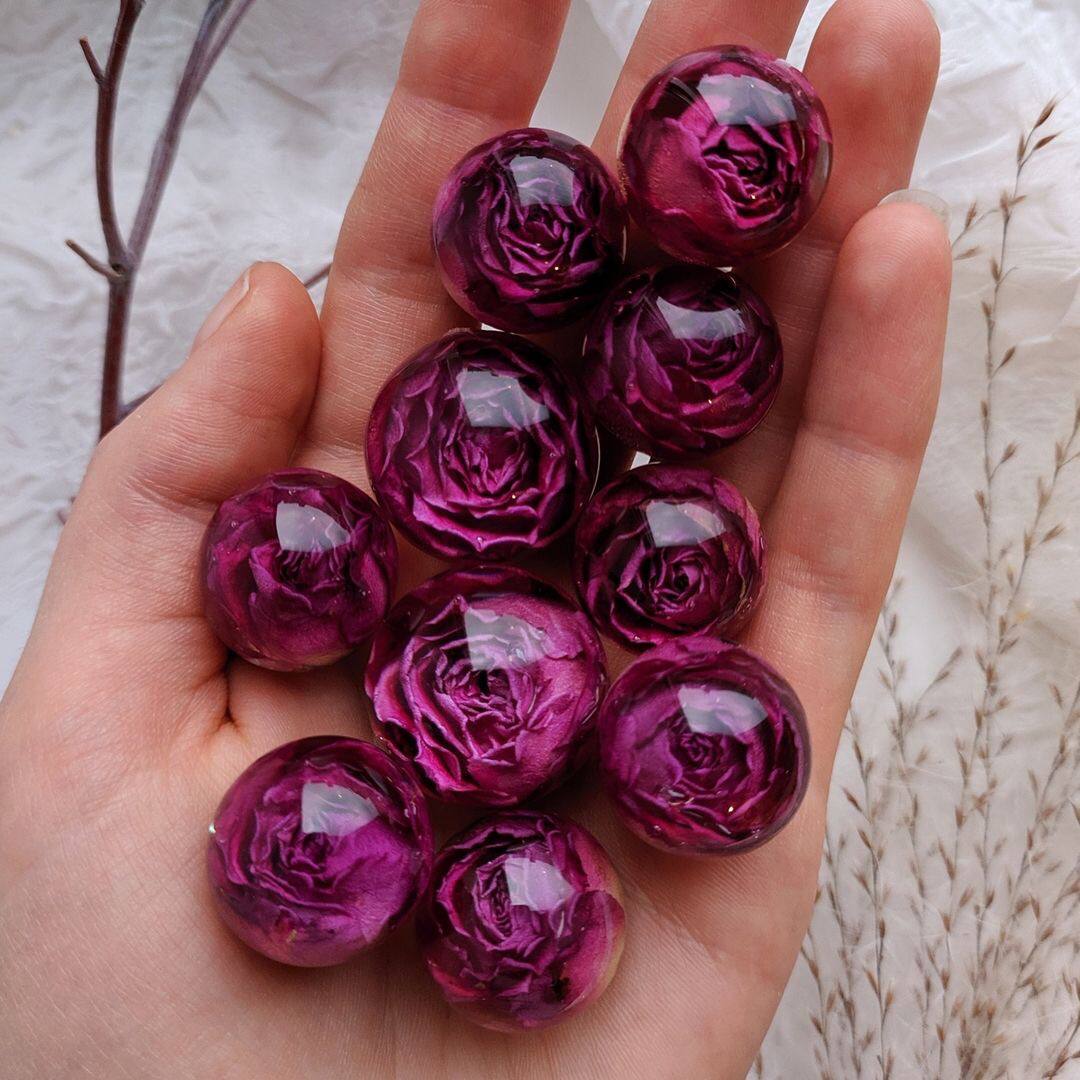
Step 4: Cure and Finish the Resin Ointment
Pour and cure in a dust-free environment, following your resin’s specific curing time and requirements. For standard epoxy resins, curing can take several hours; UV-curable types harden within minutes under the right lamp.
Do not move or disturb the project during this period. Once cured, check edges and surfaces for clarity and smoothness—lightly sand or trim if needed for a clean finish. Allow full hardness before any final handling or packaging.
Tips, Troubleshooting, and Common Mistakes
Keep your resin and hardener at room temperature before mixing, as cold components may cause bubbles or improper curing. Always use precise measurements and adhere to ratio instructions to avoid tacky patches or weak results. Be patient with curing times—rushing the process may lead to a cloudy finish or incomplete hardening.
If working with intricate applications or decorative details, select a resin formulated for fine control, such as Art Pro Deluxe. For small, quick projects, UV–Creation offers efficiency, but apply in thin layers for proper curing. Should any surface imperfection appear, light sanding and a second resin coat can help restore clarity.
Expert Tips for Resin Ointment Perfection
Temperature, accuracy, and patience all play a part in achieving a clear, smooth, and durable resin ointment every time. Always let your project cure fully before handling.
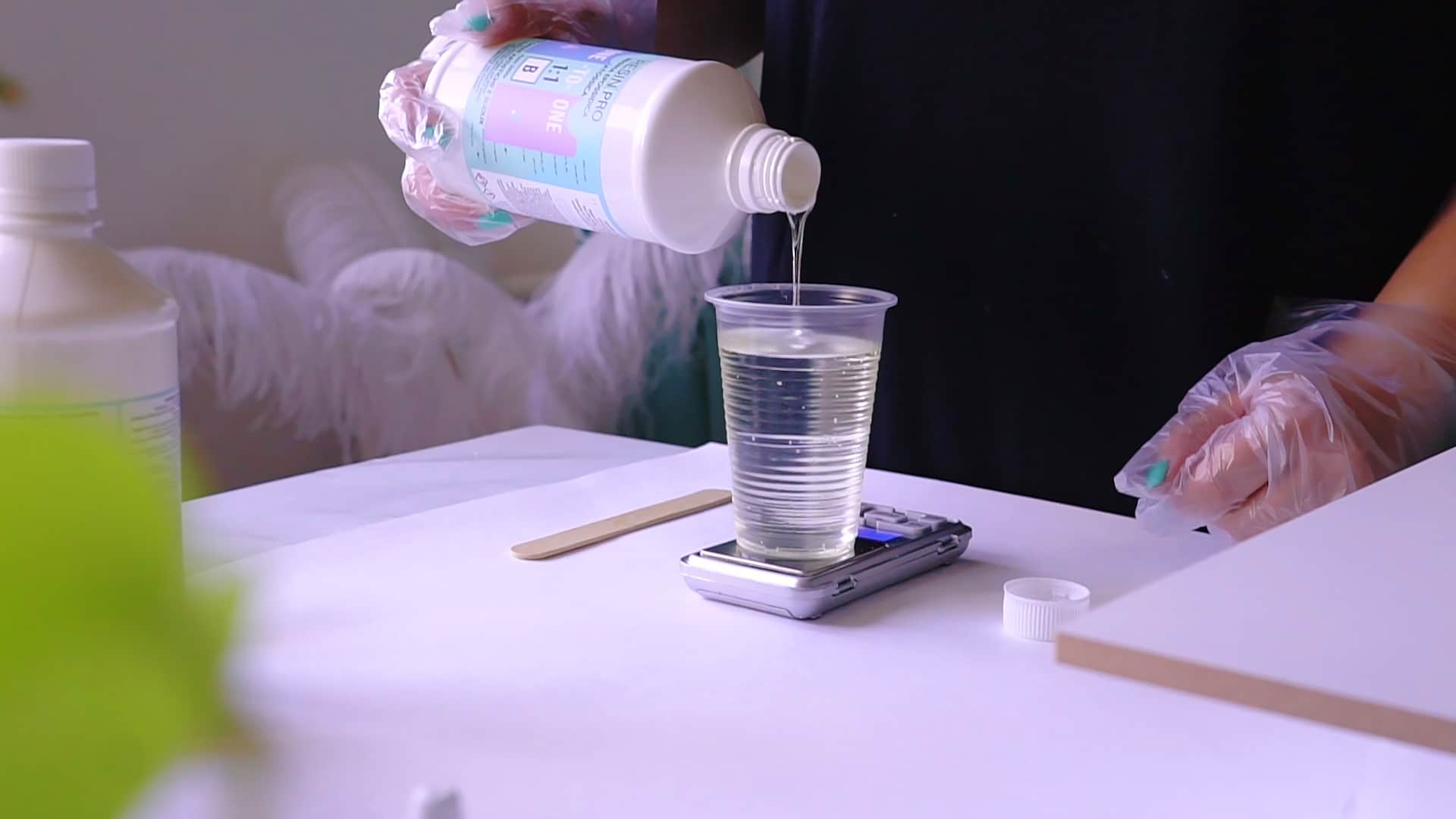
- "One-2-One" – Epoxy Resin for Handcraft, 1:1 Mixing RatioPrice range: £14.85 through £56.85"One-2-One" epoxy resin is a medium viscosity product designed for beginners and experienced crafters working on jewellery and decorative projects.
- "ICreation" – Fast Epoxy Resin, 6h Demoulding, Transparent Gloss FinishPrice range: £19.40 through £52.85ICREATION Fast Epoxy Resin offers a transparent, glossy finish and 6-hour demoulding time, suitable for artists and crafters.
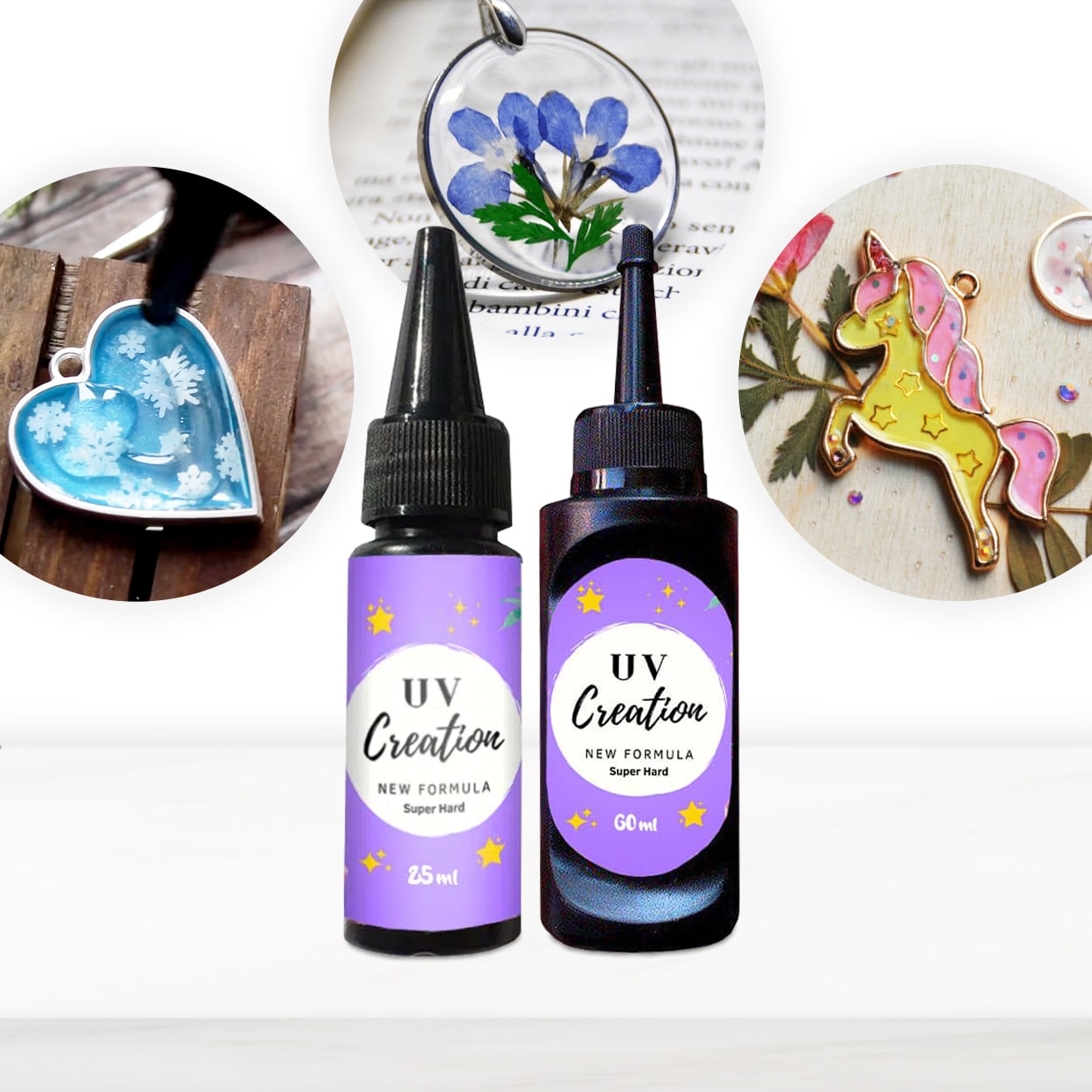 "UV–Creation" – Fast Acrylic Resin, 3 Minute UV CurePrice range: £7.85 through £59.85"UV–Creation" is a fast acrylic UV resin designed for jewellery makers and crafters requiring quick curing and clear glossy results.
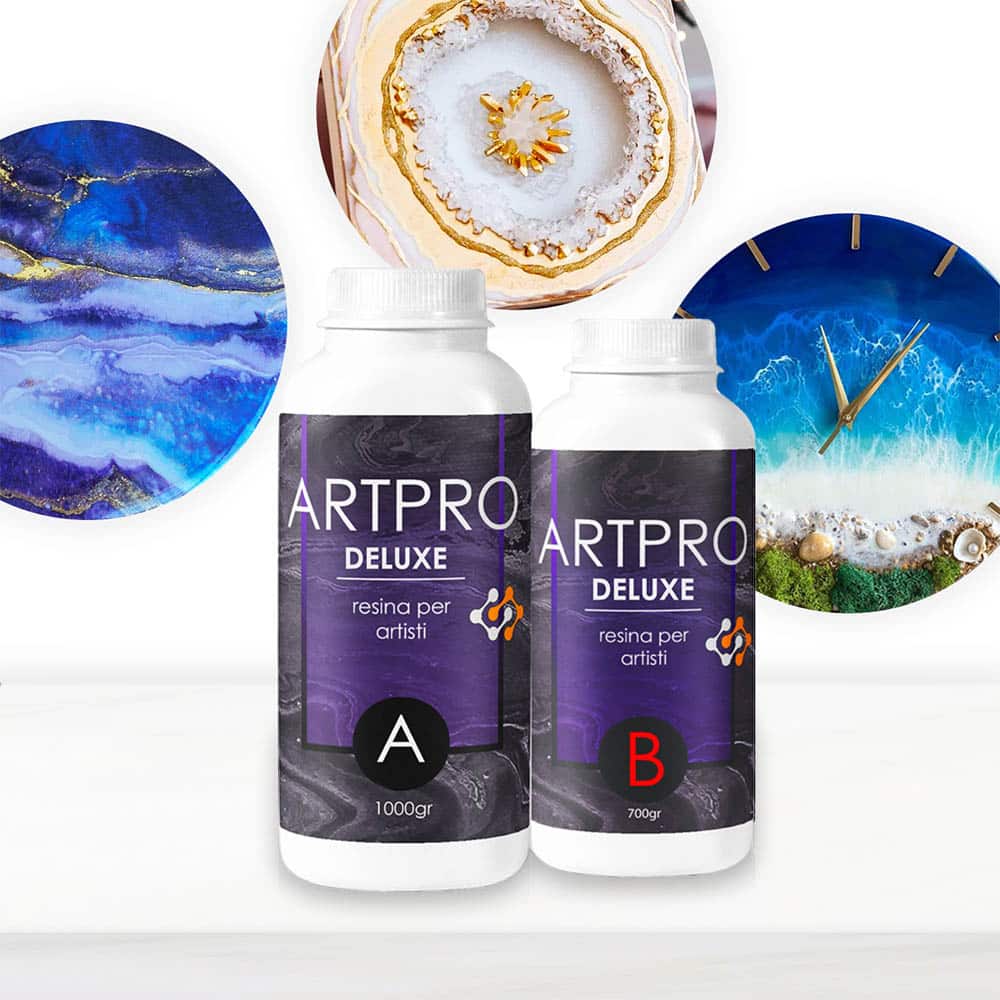 "Art Pro Deluxe" – Ultra-High Viscosity Epoxy Resin for ArtistsPrice range: £33.85 through £287.85"Art Pro Deluxe" epoxy resin offers ultra-high viscosity for detailed resin art with a clear, scratch-resistant surface suitable in the context of…
Frequently Asked Questions
How do I prepare a safe workspace for resin ointment?
Work in a well-ventilated area, wear gloves, and cover surfaces to protect against spills. Keep your workspace clean and free from dust.
How should resin and hardener be measured?
Follow the specific mixing ratio for your chosen resin. Use accurate measuring cups, and combine thoroughly for best results.
How long does resin ointment take to cure?
Curing time depends on the resin you use. Epoxy resin may take several hours, while UV resin can cure in minutes under a UV lamp.
What if my ointment remains tacky or cloudy?
Tackiness or cloudiness is usually due to incorrect mixing or curing conditions. Double-check ratios and curing instructions before trying again.
Which resin is best for resin ointments?
A medium viscosity epoxy like One-2-One suits most ointment projects, while UV resin is ideal for small, rapid applications.
Is resin ointment safe to touch or use on skin?
Uncured resin should not contact skin. Once fully cured, most craft resins are inert but not designed for cosmetic use.
Can I add colour or inclusions to my resin ointment?
Yes, you can incorporate resin-compatible pigments or small inclusions, but avoid overloading to maintain clarity and integrity.