 Free shipping on orders over £29,85
  Shipping Tracking!


 Google
 Facebook
how to make an epoxy gelcoat
If you want to achieve a smooth, high-gloss protective finish on artwork, crafts, trays, or even kitchenware, learning how to make an epoxy gelcoat is essential. This guide will walk you through every step, from preparation and mixing to curing and finishing, so you can create a beautiful, durable gelcoat on your chosen surface.
Master the technique for smooth, protective epoxy finishes

What You’ll Need
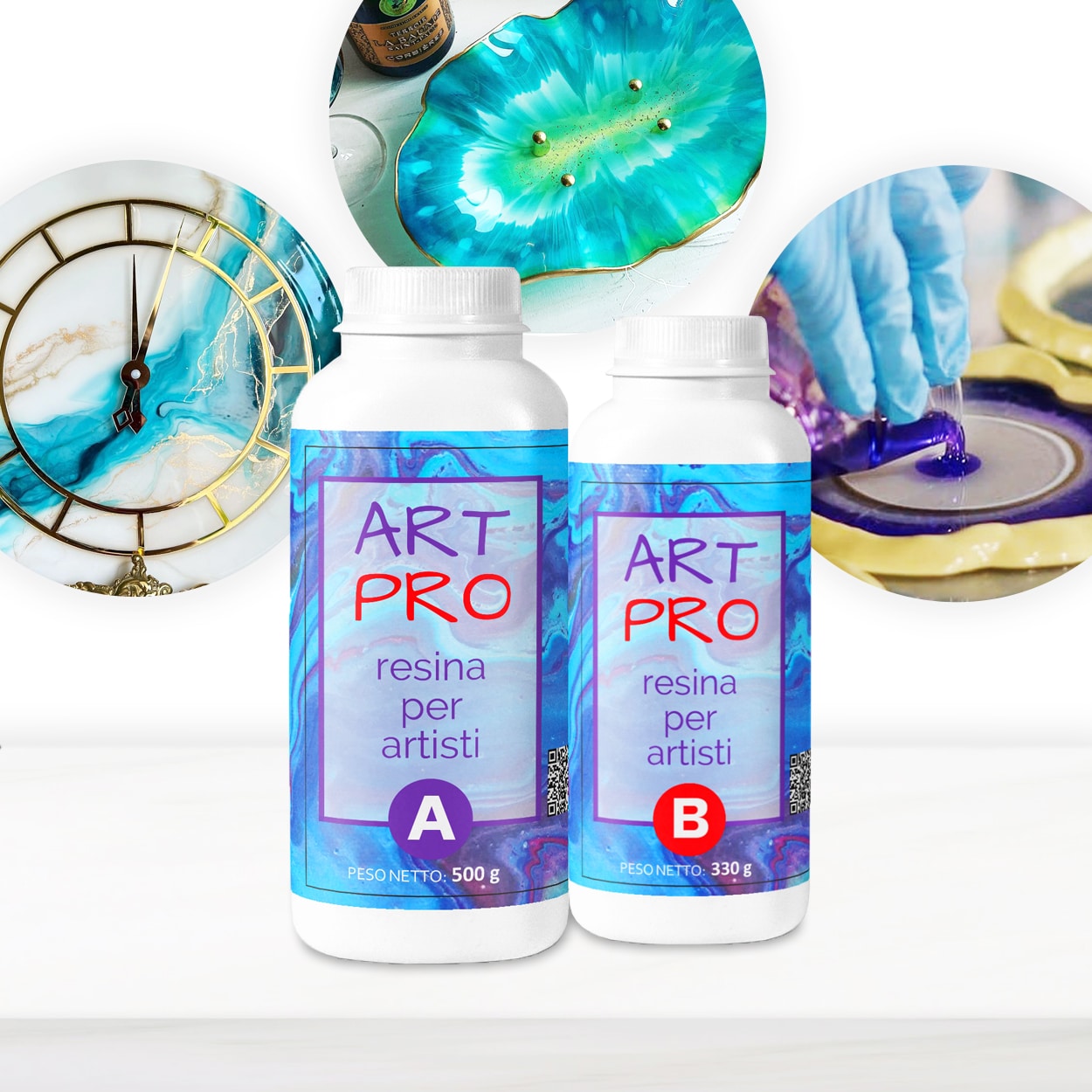
- “Art Pro” – Clear Epoxy Resin for Artists and Surface Coating – excellent for clear, artistic top coats
- “EpoxyFood” – Certified Clear Food Contact Epoxy Resin for Coating – perfect for food-safe kitchenware coatings
- “One-2-One” – Epoxy Resin for Handcraft, 1:1 Mixing Ratio – ideal for straightforward mixing and decorative gelcoats
- “ICreation” – Fast Epoxy Resin, 6h Demoulding, Transparent Gloss Finish – best for rapid projects or quick recoating needs
- Nitrile gloves and protective mask (for safety)
- Mixing cups and stirring sticks
- Disposable brush or roller (for thin, even coats)
- Flat, dust-free workspace
- Masking tape (to protect edges)

Epoxy Gelcoat Surface Preparation in Action
See how methodical cleaning, surface sanding, and precise masking help achieve a flawless, professional gelcoat result—essential before your first epoxy pour.

Measure and Prepare the Surface
Begin by selecting a clean, flat surface free from oils, dust, or wax. Any contamination can affect adhesion or leave imperfections in your final gelcoat. Sand glossy areas lightly to improve epoxy bonding, then remove any residue with a damp, lint-free cloth.
Mask off any edges or areas you do not wish to coat using quality masking tape. Ensure your workspace is level and protected, as epoxy can flow and drip during application.
Mix the Epoxy Resin Carefully
Choose your resin based on project requirements: opt for “Art Pro” – Clear Epoxy Resin for Artists and Surface Coating if you want a glassy, high-clarity finish, or “EpoxyFood” for items requiring food-safe coatings. For fast turnaround projects, “ICreation” – Fast Epoxy Resin can help speed up the workflow.
Using gloves, carefully measure the two components according to the resin’s recommended ratio—pay special attention, as incorrect mixing can lead to sticky or improperly cured gelcoat. Stir thoroughly, scraping the container’s sides and bottom for a uniform blend, and let the mixture rest for a minute to reduce bubbles.
Apply the First Coat Evenly
Pour the mixed epoxy onto the centre of your surface. Use a spreader, brush, or roller to move it evenly towards the edges. Aim for a thin, consistent film, as thick coats can trap bubbles or cause runs.
If using “One-2-One” – Epoxy Resin for Handcraft, its medium viscosity and 1:1 ratio make it forgiving for beginners, helping prevent streaks and uneven coverage.
Work relatively quickly to ensure the surface remains level and self-levelling features can work effectively. Carefully inspect for bubbles—often, a quick pass with a heat gun held 20–30cm above the surface will remove them.

Allow Curing and Add Additional Layers
Allow the initial gelcoat layer to cure according to the resin’s specified time. Avoid touching or disturbing the piece during this period; dust or fingerprints can mar the result.
For a thicker protective finish, apply a second epoxy coat as soon as the first is firm but still slightly tacky (this ensures maximum adhesion between coats). If fully cured, lightly sand with fine-grit paper to promote bonding before recoating.

Finishing Touches for a Glossy Gelcoat
After the final layer has fully cured, carefully remove masking tape. If needed, refine edges with a sharp knife or fine sandpaper. For the glossiest finish, gently polish the surface once completely hardened.
Your finished epoxy gelcoat should be smooth, brilliantly glossy, and highly protective, ready for artistic display or practical use.
Tips, Common Mistakes, and Troubleshooting
- Always mix your epoxy resin exactly as instructed—incorrect ratios are a leading cause of improper curing.
- Avoid working in humid or very cold environments, as this can cause cloudiness or slow curing.
- Use artist’s tape to create clean edges and avoid unsightly resin drips.
- If bubbles persist, move a heat source quickly over the surface or use a pin to pop trapped air.
- Store resins in a cool, dry place and keep lids tightly closed to prevent contamination or thickening.
Epoxy Gelcoat Application Results
Explore stunning, high-gloss gelcoat finishes achieved on trays, artwork, and kitchenware. Notice the seamless clarity and durable surface protection that the right resin delivers.

- "Art Pro" – Clear Epoxy Resin for Artists and Surface CoatingPrice range: £31.15 through £388.85Art Pro offers clear, durable epoxy resin suitable for artists and DIY enthusiasts seeking glass-like surface coatings.
- "EpoxyFood" – Certified Clear Food Contact Epoxy Resin for CoatingOriginal price was: £39.00.£32.85Current price is: £32.85."EpoxyFood" is a transparent, food-safe resin suitable for coating plates and cutting boards with a clear gloss finish.
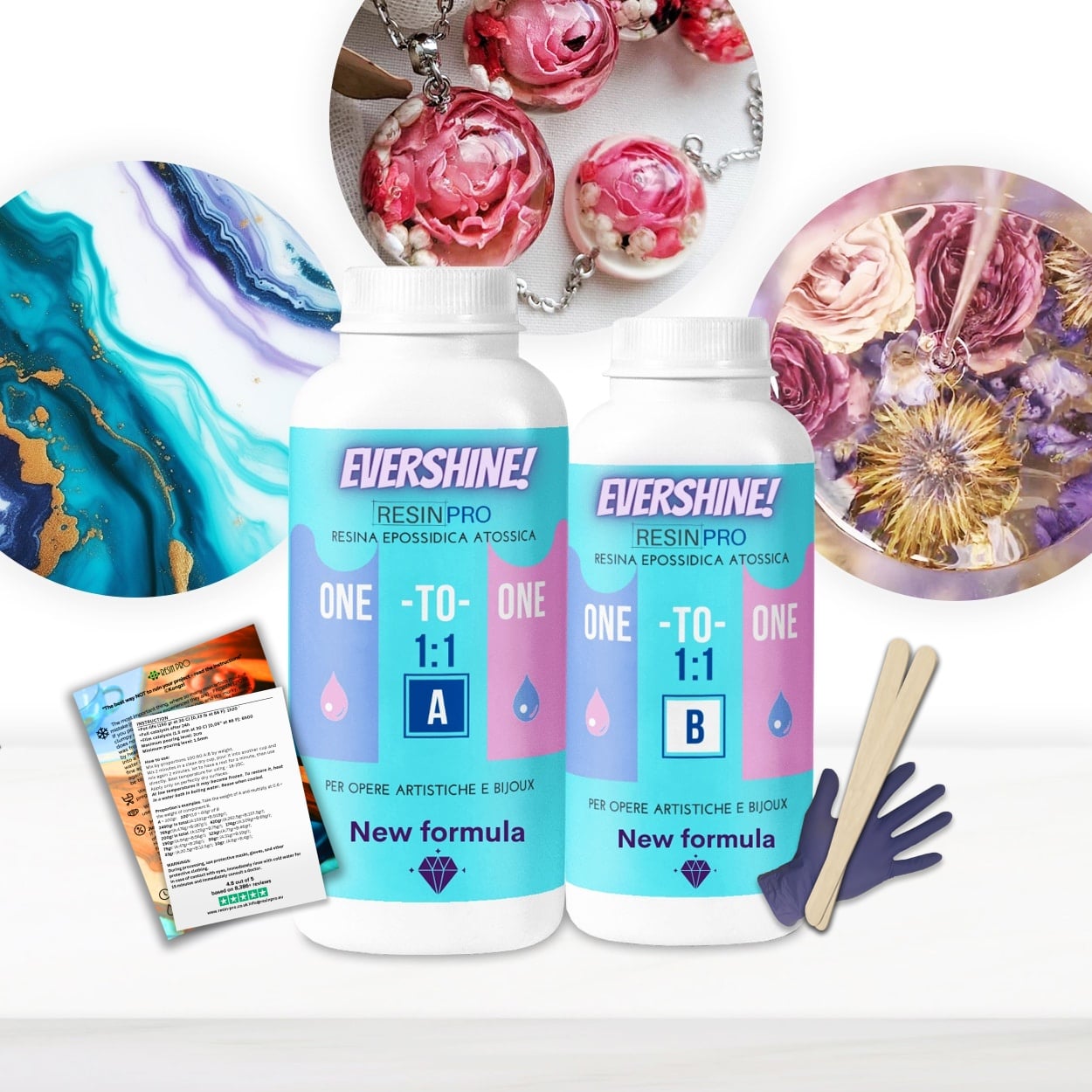 "One-2-One" – Epoxy Resin for Handcraft, 1:1 Mixing RatioPrice range: £14.85 through £56.85ONE-2-ONE epoxy resin offers a non-toxic, medium viscosity formula with an easy 1:1 mixing ratio, suitable for jewellery and decorative handcraft.
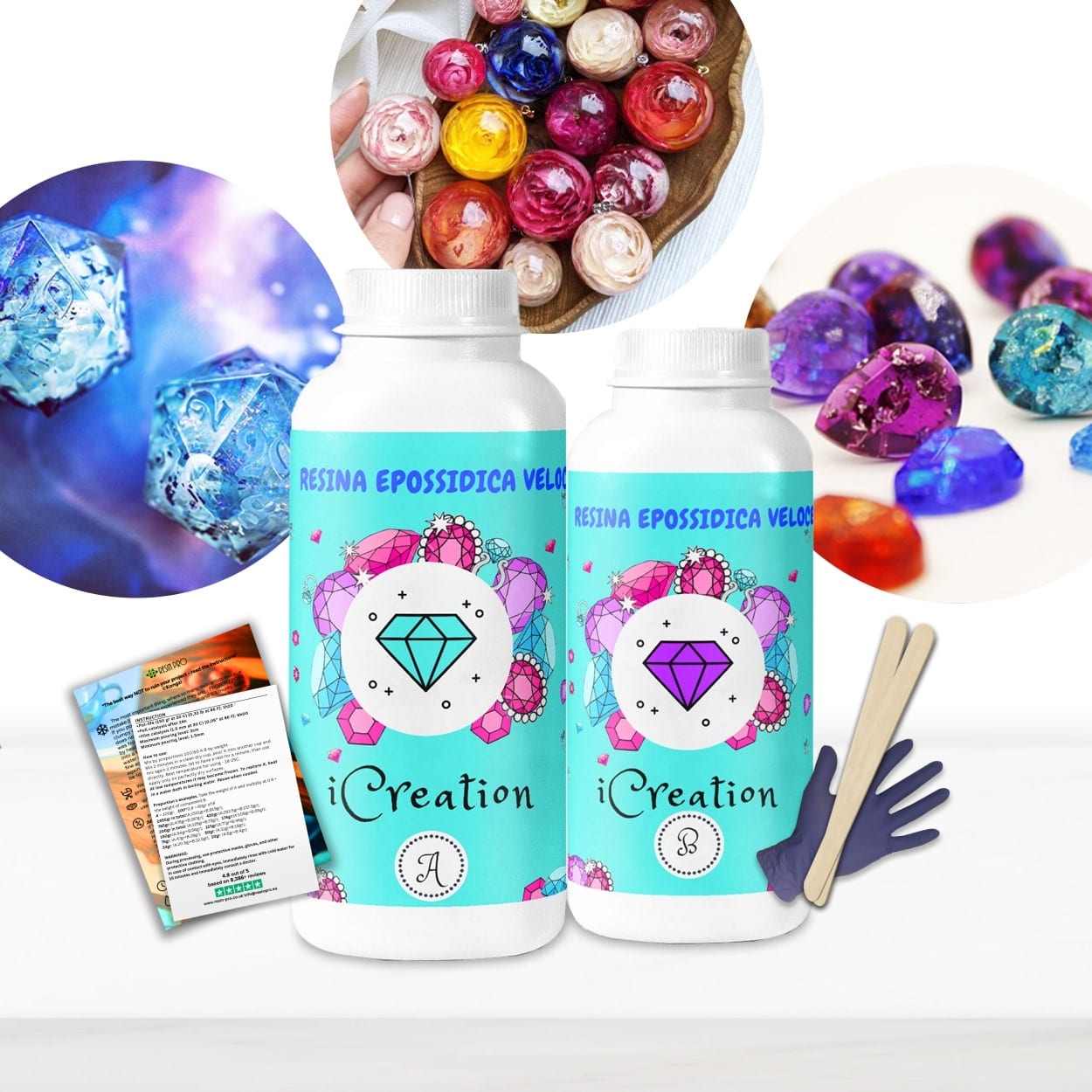 "ICreation" – Fast Epoxy Resin, 6h Demoulding, Transparent Gloss FinishPrice range: £19.40 through £52.85Fast epoxy resin offering 6-hour demoulding and a crystal-clear glossy finish, suitable for jewellery and decorative crafts.
Frequently Asked Questions
What’s the difference between an epoxy gelcoat and standard resin use?
An epoxy gelcoat is applied as a thin surface layer for protection and gloss, whereas standard resin can also be used for deep casting or thicker layers.
Do I need a food-safe resin for gelcoats on kitchenware?
Yes, use a certified food-safe resin like EpoxyFood for any surface that will come into contact with food.
How can I get rid of bubbles in my epoxy gelcoat?
Use a heat gun held above the surface or a needle to pop any bubbles soon after pouring. Mixing slowly also helps minimise bubbles.
Can I apply more than one layer of epoxy gelcoat?
Yes, let the previous layer become tacky before adding more, or sand if fully cured to ensure proper bonding.
How long does an epoxy gelcoat take to cure?
Curing times vary; some fast resins cure in 6–12 hours while others may require 24 hours. Follow the specific product instructions.
How can I prevent yellowing of my epoxy gelcoat?
Use a resin with built-in UV protection and avoid prolonged direct sunlight exposure on finished surfaces.