 Free shipping on orders over £29,85
  Shipping Tracking!


 Google
 Facebook
How to produce resin from wood?
Guide for wood restoration, waterproofing, and resin reinforcement


Transforming wood with resin is a rewarding technique that both restores and protects timber. Whether you’re aiming to waterproof furniture, reinforce outdoor structures, or prepare wood as a focal point in resin art, mastering resin application is essential. This guide takes you step-by-step through the process so you achieve durable, beautiful results every time.

What You’ll Need
- “EpoxyWood” – Wood Restoration Epoxy Resin for Deep Penetration and Waterproofing — ideal for restoring and waterproofing wooden surfaces
- Clean, dry wooden item – ensure it is free from oils and contamination
- Sandpaper (80-240 grit) and sanding block
- Protective gloves and mask
- Disposable mixing container and stirring stick
- Brush or roller for resin application
- Cloths for removing dust
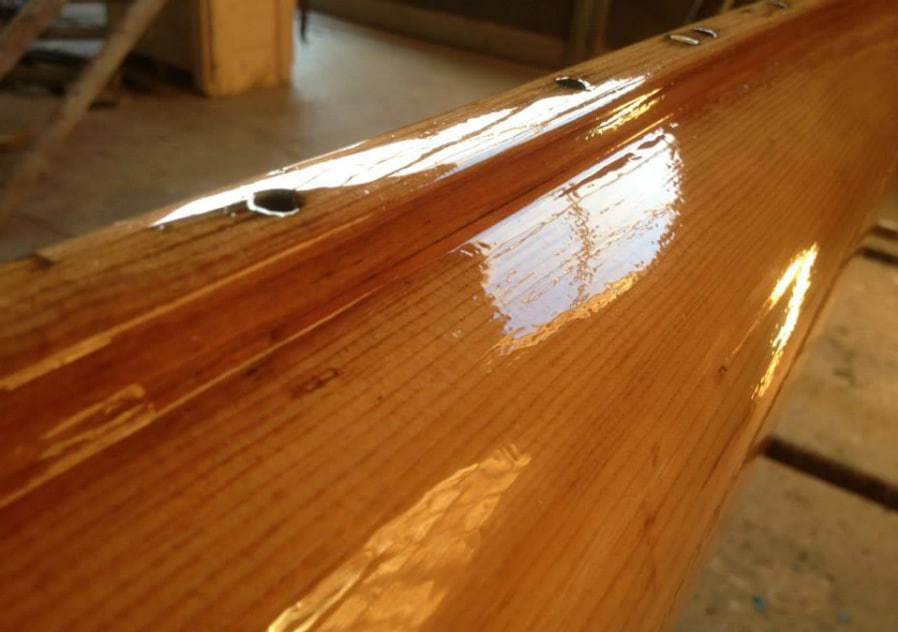
Visual Example: Prepping Wood for Resin Application
Notice how removing all dust and sanding wood thoroughly maximises resin penetration and ensures a clear, durable result. Attention to this early stage prevents issues in the final piece and showcases the grain beneath the protective layer.
Step 1: Prepare and Dry the Wood
Plan your workspace before beginning. Select a well-ventilated, dust-free environment and cover your working surface to protect against spills. Inspect the wood closely—resin adheres best to solid, clean, and dry substrates. Remove any old finishes or contaminants with a scraper if necessary.
Ensure the wood is fully dried. Moisture trapped inside will prevent resin from bonding and can cause warping or cloudiness. For new or especially porous wood, allow adequate drying time indoors before use.


Step 2: Sand and Clean
Sanding is essential for strong adhesion. Start with coarse grit (around 80) and make your way up to finer grits (up to 240), always sanding in the direction of the grain. This opens up wood pores, helping the resin penetrate deeply to create a reinforced structure.
After sanding, thoroughly remove dust and debris using a lint-free cloth. Any residue can create imperfections in the finish or weaken the resin bond.
Step 3: Mix and Apply Epoxy Resin
Follow the mixing instructions provided with your resin. For deep penetration and long-term waterproofing, “EpoxyWood” – Wood Restoration Epoxy Resin for Deep Penetration and Waterproofing is engineered to soak into the wood fibres, fortifying from within. Thoroughly combine resin and hardener, taking care to avoid introducing air bubbles.
Work in a dust-free environment. Using a brush or roller, apply the mixed epoxy evenly, allowing gravity and capillary action to draw the resin deep into the pores. For very porous woods, additional coats may be necessary. Allow each coat to cure as per product guidelines before reapplying.


Step 4: Curing and Finishing Touches
Apply resin in controlled temperatures. The curing stage is crucial: keep the piece undisturbed and protected from dust while the resin hardens. Avoid low temperatures and high humidity, which may interfere with full curing or alter the finish.
Once fully cured, sand lightly if a smoother feel or subsequent finish is desired. Add varnish or oil for extra sheen, but this is only optional—the resin layer itself will often provide all the protection required.
Tips and Common Mistakes
- Never apply resin to damp or oily wood. This prevents proper adhesion and can cause cloudiness or separation.
- Work in thin layers for best penetration and fewer bubbles, especially on highly absorbent wood species.
- Always mix resin components thoroughly; unmixed portions can remain tacky or soft.
- If you notice bubbles after application, use a heat gun gently to remove surface bubbles before curing begins.
- Follow safety instructions and use gloves throughout the process.
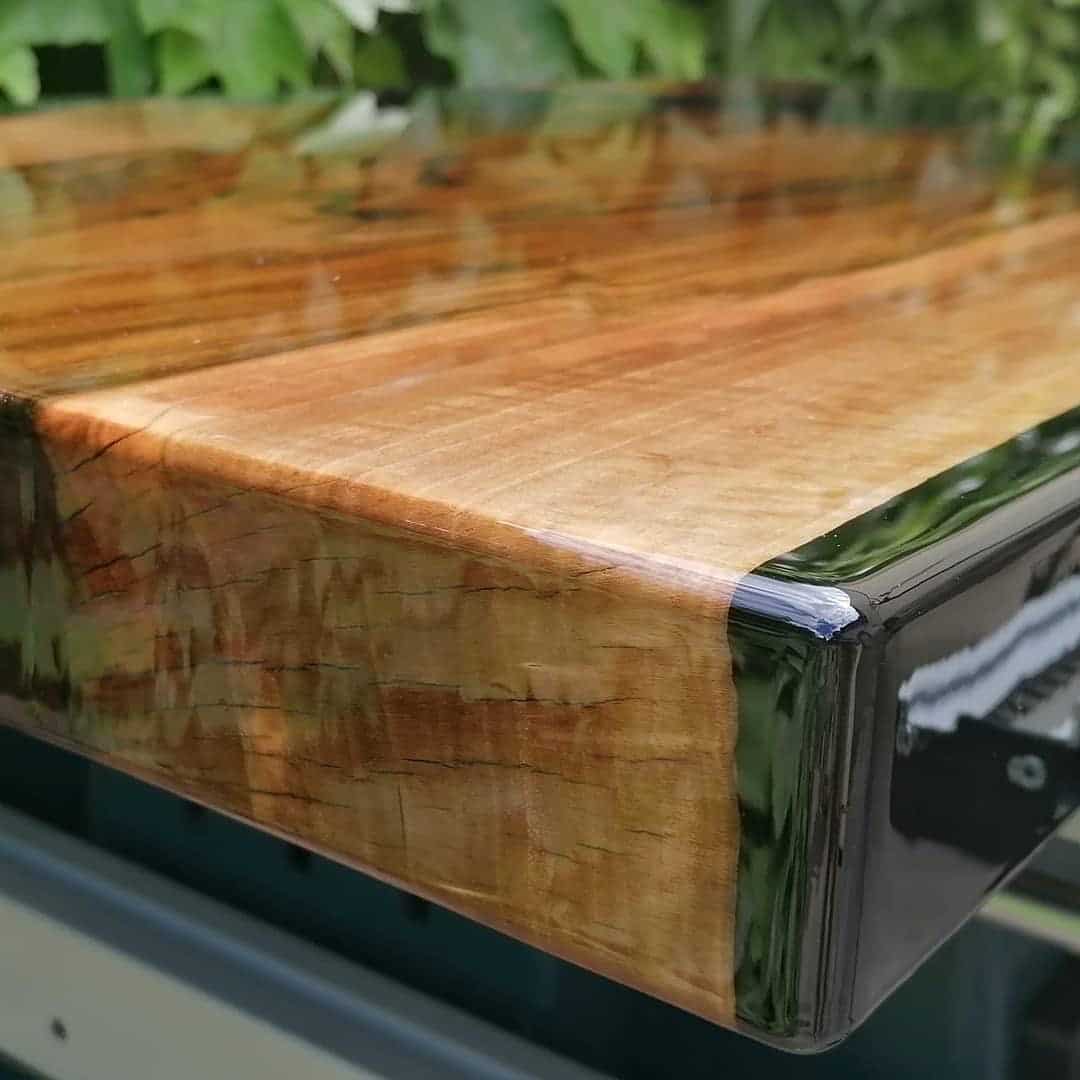
Media Focus: Resin-Treated Wood in Real Projects
Well-finished resin-treated wood not only resists water but gains a beautiful, natural gloss that elevates both structural and artistic projects. Explore finished examples for inspiration and understand what’s achievable with the right preparation and product.
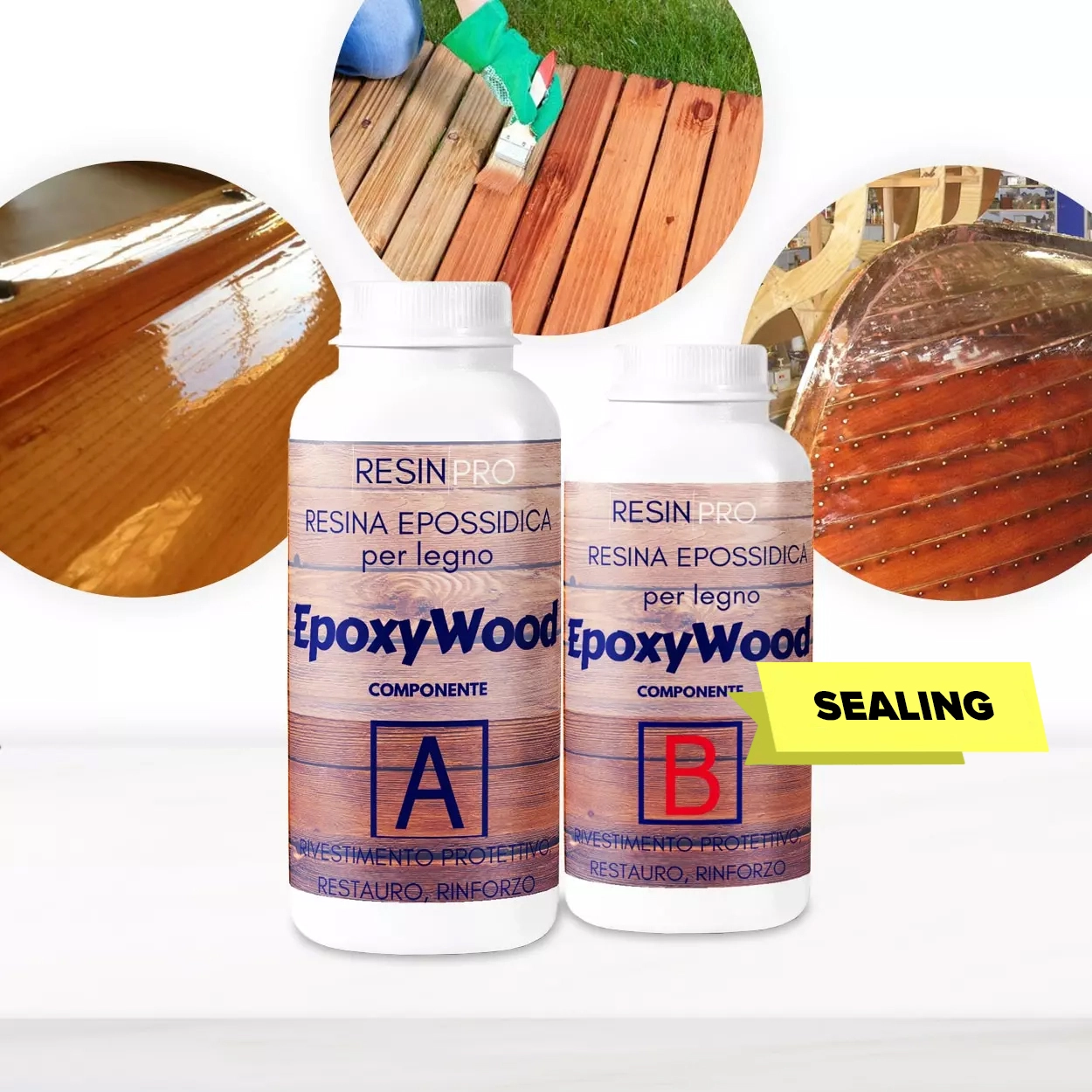
- "EpoxyWood" – Wood Restoration Epoxy Resin for Deep Penetration and WaterproofingPrice range: £27.95 through £41.95EpoxyWood is an ultra-low viscosity resin designed for deep wood penetration, waterproofing, and reinforcing wooden surfaces.
- "Liquidissima" – Epoxy Resin For Creations & JewelleryPrice range: £12.85 through £31.85"Liquidissima" epoxy resin is designed for jewellery and intricate creations, providing clarity and a smooth self-levelling finish.
- “Epoxytable 10-Ten” – Deep Pour Epoxy Resin for Tables, Up to 10cm CastingPrice range: £35.95 through £351.95“Epoxytable 10-Ten” is designed for creating tables and projects requiring deep pours up to 10cm with non-yellowing properties.
 "Carbon Resin" – Epoxy Resin for Carbon Fiber & Fiberglass CoatingPrice range: £19.95 through £37.95Epoxy resin designed for carbon fibre and fibreglass composites with focus on impregnation and structural integrity.
Frequently Asked Questions
Does resin make wood completely waterproof?
Yes, when properly applied and cured, epoxy resin forms a waterproof barrier that protects wood from moisture and rot.
How many coats of resin are required for wood?
Typically, one to three coats are needed, depending on wood porosity and desired reinforcement.
Can resin be applied to unsanded wood?
Sanding is recommended for resin to penetrate and adhere optimally. Skip this and adhesion will be compromised.
How do I prevent bubbles forming when applying resin to wood?
Apply resin in thin layers and use a heat gun to release trapped air immediately after application.
What should I avoid when working with resin on wood?
Avoid damp wood, rushing mixing, and thick uncontrolled pours as they increase the risk of defects.
Is resin suitable for exterior wooden items?
Yes, provided the resin is designed for waterproofing and UV resistance. Reapply as needed for longevity.