 Free shipping on orders over £29,85
  Shipping Tracking!


 Google
 Facebook
How do you apply cementitious resin to wood?
Step-by-step guidance for a flawless wood resin application


Applying cementitious or epoxy resin to wood opens a world of creative and practical opportunities, from waterproof coatings and restoration projects to unique surface finishes. Whether you’re upgrading furniture, reinforcing wood structures, or enhancing table tops, this guide will show you the most effective and durable way to get strong adhesion and a beautiful result using modern resin systems on timber.
What You’ll Need
- “Epoxyprimer” – Universal Water-Based Two-Component Epoxy Floor Primer: Prepares wood for resin application, maximising bond.
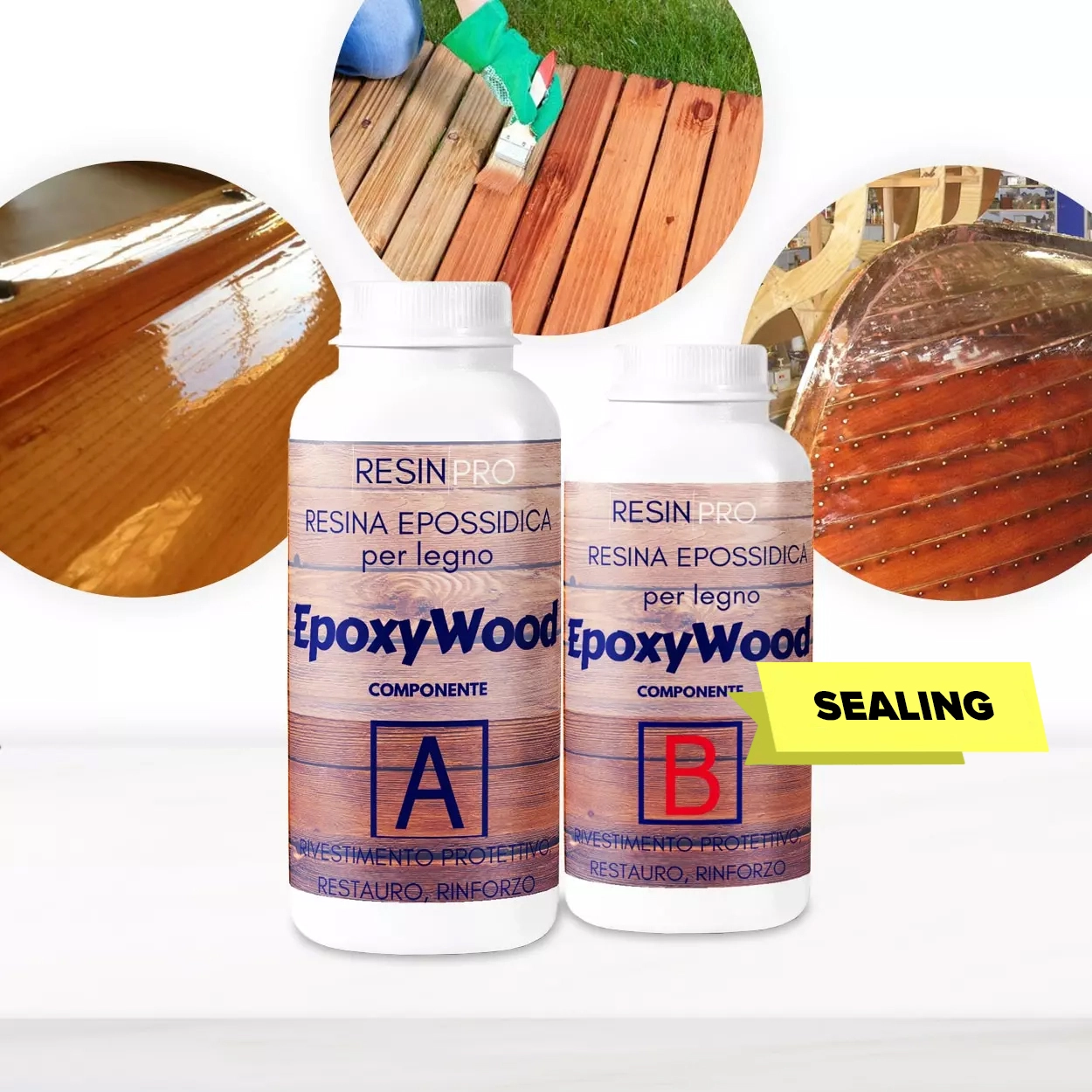
- “EpoxyWood” – Wood Restoration Epoxy Resin for Deep Penetration and Waterproofing: For repairing, reinforcing and sealing the wood surface if required.
- “FixExpress” – Two-Component Epoxy Glue 500g: For rapid repairs or bonding areas before coating.
- “Art Pro” – Clear Epoxy Resin for Artists and Surface Coating: For creating a high-gloss or protective finish.
- Sandpaper (medium/fine grit), clean cloths
- Mixing containers and stirring sticks
- Roller, brush or spatula
- Protective gloves and safety goggles

See Real Project Results
Browse our gallery for before and after transformations achieved with resin on wooden surfaces. Note the uniform finish and enhanced grain visibility possible with correct preparation and product selection.
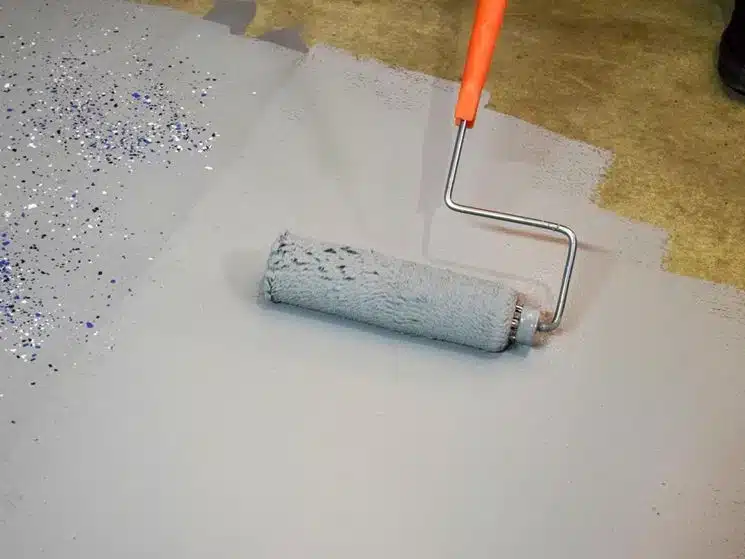
Step 1: Prepare and Repair the Timber Surface
Start by inspecting your wood for any damage, residual coatings, or moisture. Old paints, oils, or varnishes must be wholly removed, as these block resin absorption. Sand the wood surface with medium to fine grit sandpaper, working with the grain. After sanding, thoroughly wipe away any dust and ensure the surface is clean, dry, and free from contaminants. Ensure your timber is fully dry and free from dust or old finishes to minimise risk of poor adhesion or future delamination.
If you have cracks, holes, or need deep structural reinforcement, now is the time to fix them. EpoxyWood – Wood Restoration Epoxy Resin for Deep Penetration and Waterproofing is specifically designed for penetrating and strengthening timber fibres. Apply as needed and allow to cure as per instructions, ensuring the surface is level before proceeding.
Step 2: Prime the Wooden Surface
A primer layer is essential for maximising adhesion between wood and resin. Use a formulated product such as Epoxyprimer. Mix the primer according to the instructions (typically a 100:40 ratio of resin to hardener by weight). Apply using a brush, roller or spatula, working in thin, even coats. Ensure full coverage, especially on end grains or areas prone to absorption. Allow to cure as directed—this creates a reliable base for the resin layer that follows.
Step 3: Mix and Apply the Resin Coating
Once the primer has cured, prepare your chosen topcoat resin. If you aim for a decorative, clear, or high-gloss effect, mix Art Pro – Clear Epoxy Resin for Artists and Surface Coating in accordance with its 3:2 ratio, blending thoroughly for optimal cure and clarity. Pour or brush the resin over the surface, allowing it to self-level. Use a brush or roller as needed to achieve an even finish and remove bubbles using a heat gun if safe to do so. For repairs and small bonding tasks beforehand, FixExpress – Two-Component Epoxy Glue 500g is ideal for quickly securing loose fragments or filling minor gaps before the main coat.
Always work in a space free from dust and maintain an appropriate ambient temperature to ensure a smooth cure. Follow product-specific recommendations for thickness per coat and recoat intervals if applying multiple layers.
Step 4: Curing and Finishing Touches
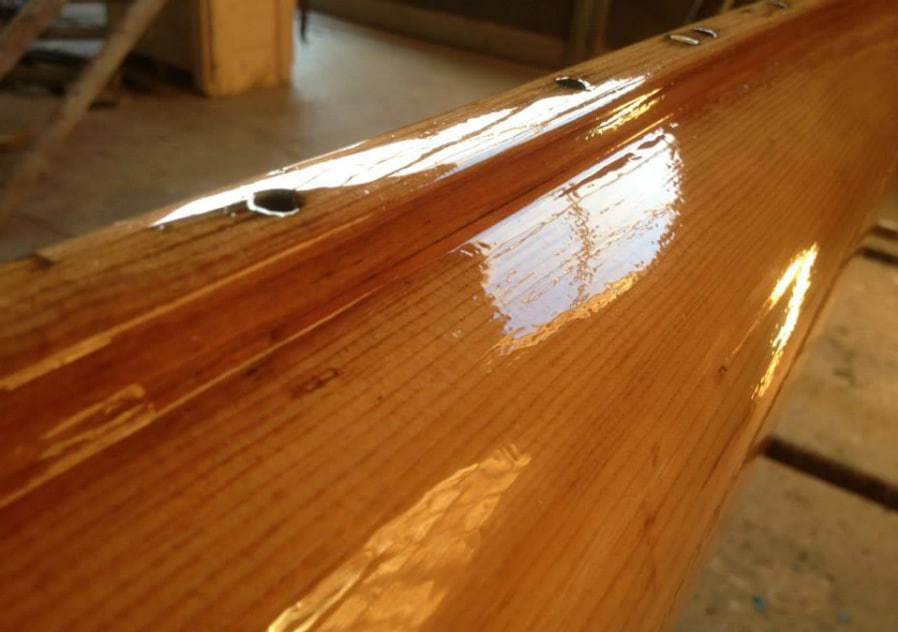
Allow correct curing time for your primer and each resin layer, usually 24–48 hours per coat, before handling or subjecting the piece to stress. Rushing this stage can compromise adhesion and clarity. For a glass-smooth result, gentle sanding between layers keeps the finish immaculate, but wait until the resin is fully tack-free. After final curing, lightly sand any sharp edges and wipe clean. Your woodwork is now sealed, protected, and beautifully finished.
Tips and Common Mistakes to Avoid
Work in a well-ventilated area using gloves and eye protection at all stages. Avoid applying resin to wet, oily, or poorly sanded timber, as this causes poor adhesion and imperfections. Don’t skip the primer—bare wood absorbs resins unevenly, resulting in blotchy or weak coatings. Keep mixing ratios accurate; incomplete mixing or bad measurement is a leading cause of sticky, uncured surfaces. Clean tools promptly, and ensure surfaces remain dust-free during curing for a professional finish every time.
Expert Video: Advanced Wood Resin Techniques
Watch demonstrations on surface preparation and multi-layer resin application. Professionals share tips on moisture control, sanding, and achieving a flawless topcoat over wood substrates.

- "Epoxyprimer" – Universal Water-Based Two-Component Epoxy Floor PrimerPrice range: £148.84 through £272.45"Epoxyprimer" is a water-based two-component epoxy floor primer designed to provide adhesion and durable results for various substrates including…
- "EpoxyWood" – Wood Restoration Epoxy Resin for Deep Penetration and WaterproofingOriginal price was: £64.00.£39.85Current price is: £39.85.EpoxyWood is designed for wood restoration, providing deep penetration and waterproofing with a natural straw-yellow finish.
- "FixExpress" – Two-Component Epoxy Glue 500g£25.45"FixExpress" is a two-component epoxy glue designed for quick repairs and strong bonding on various materials including wood.
 "Art Pro" – Clear Epoxy Resin for Artists and Surface CoatingPrice range: £31.15 through £388.85"Art Pro" is a clear epoxy resin designed for artists and crafters providing durable, high-gloss finishes suitable for various decorative surfaces.
Frequently Asked Questions
How should I prepare wooden surfaces before applying cementitious resin?
Sand thoroughly, remove dust and ensure the timber is dry and free of coatings for proper resin bonding.
Is it necessary to use a primer before applying resin to wood?
Yes, priming maximises adhesion and ensures an even, durable surface for resin application.
How long should resin be left to cure when used on wood?
Allow each layer to cure for at least 24–48 hours, depending on the product’s guidance and room temperature.
What are common mistakes when using resin on wood?
Skipping primer, poor mixing ratios, or applying to damp surfaces can cause bond failure or a sticky finish.
Which resin is suitable for restoring and waterproofing exterior wood?
Use a penetrating epoxy like EpoxyWood for deep waterproofing and reinforcement of outdoor timber.
How can I achieve a decorative, high-gloss finish on wood with resin?
Apply a clear artist-grade epoxy like Art Pro in thin, even coats over a properly primed surface.