 Free shipping on orders over £29,85
  Shipping Tracking!


 Google
 Facebook
How do you apply epoxy resin on iron?
Step-by-step guide for strong, lasting epoxy coatings on iron


Applying epoxy resin to iron provides durable protection, excellent adhesion, and a high-performance finish for DIYers or professionals. This guide walks you through key steps to achieve the best result – whether repairing, sealing, or enhancing iron surfaces indoors or out. From thorough preparation to proper technique, follow these steps to ensure a strong, lasting bond that resists water and mechanical stresses.
What You’ll Need
- “Klebfix” – Two-Component Fast Epoxy Glue 2K, 25g Syringe: For precise, rapid metal repairs and small bonding tasks
- “FixExpress” – Two-Component Epoxy Glue 500g: Suitable for larger-area bonding and patches requiring strong adhesion
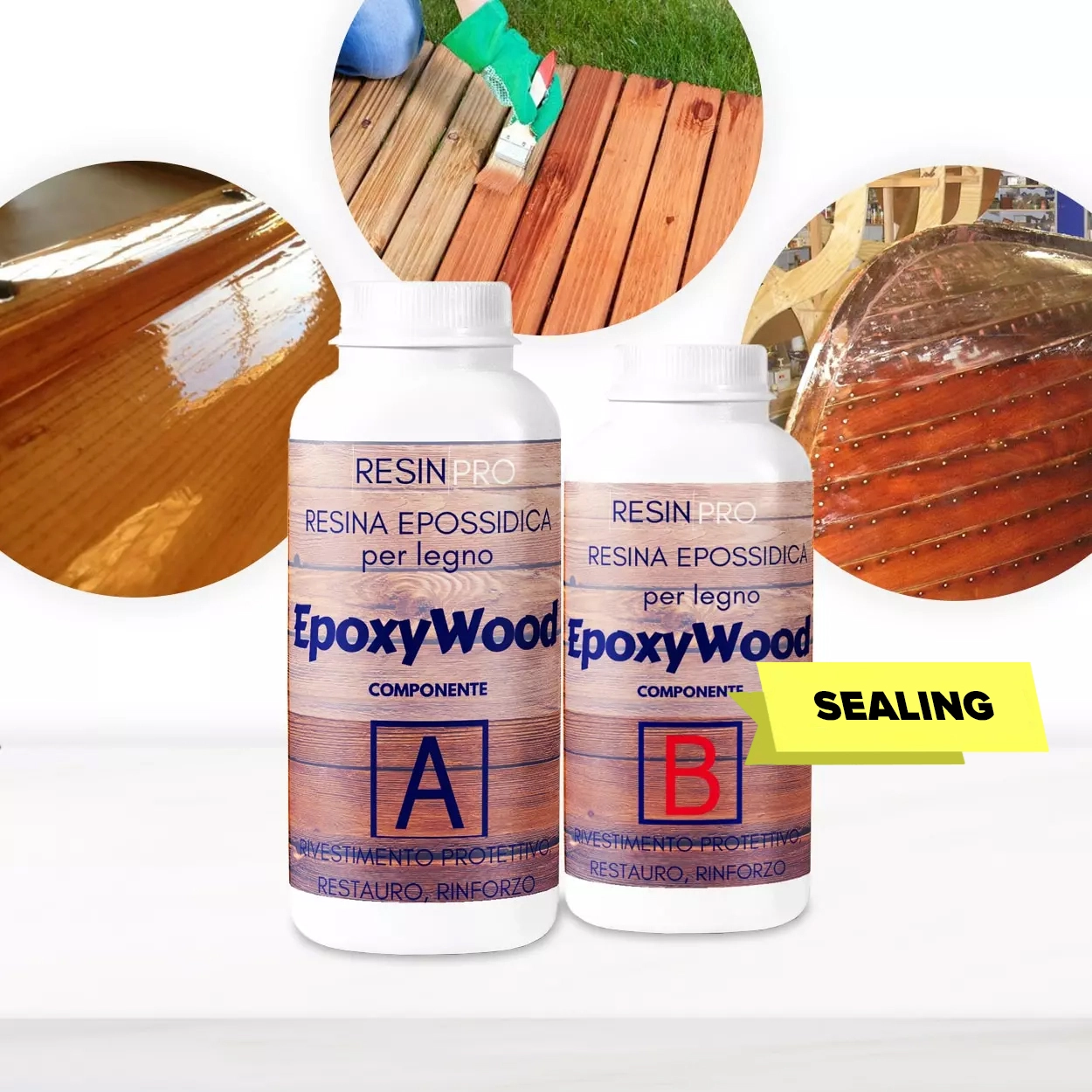
- “EpoxyWood” – Wood Restoration Epoxy Resin for Deep Penetration and Waterproofing: Use for waterproofing and reinforcing iron parts exposed to moisture (after priming and prep)
- “Carbon Resin” – Epoxy Resin for Carbon Fiber & Fiberglass Coating: Ideal for creating a protective, glossy coating on prepared iron
- Fine and coarse sandpaper or a wire brush
- Degreasing cleaner or acetone
- Disposable gloves and safety goggles
- Application tools (brushes, spatula, or syringe if included with resin)
- Painter’s tape and drop sheets, if desired

See Epoxy Resin Applications on Iron
Witness the transformation of iron surfaces after epoxy application. From rusted gates to household fixtures and artistic ironwork, epoxy creates a protective barrier, enhances finish, and extends lifespan. Before and after visuals show how proper technique delivers dramatic, durable improvements.

Step 1: Prepare and Clean the Iron Surface
Thorough preparation is essential for a successful epoxy application. Begin by removing loose rust, old paint, and debris from the iron surface using coarse sandpaper or a wire brush. Sand until you reach clean, bare metal for optimal adhesion. Next, use a degreasing cleaner or acetone to wipe down the surface, eliminating any grease, oils, or contaminants.
Ensure the iron is completely free from rust and grease before applying epoxy – this will prevent adhesion issues and future lifting or peeling.
Allow the surface to dry completely, as moisture can impair the bond and may cause the resin to cure improperly.
Step 2: Mix and Apply the Epoxy Resin
Select the resin product that fits your task. For repairing small areas or making strong, precise bonds (such as fixing joints or adhering brackets), products like “Klebfix” – Two-Component Fast Epoxy Glue or “FixExpress” Epoxy Glue are well-suited. For a continuous protective coating or reinforcement, opt for “Carbon Resin” Epoxy or “EpoxyWood” if waterproofing is crucial.
Prepare the resin by mixing its two components as directed (usually at a 1:1 ratio), using a clean disposable container. Mix thoroughly until you achieve a consistent texture and colour.
Apply the epoxy to the iron using a brush, spatula, or the supplied syringe for fine control. Start at one end and spread the resin evenly across the target area, ensuring full coverage.
Apply mixed epoxy resin within its working time to avoid premature setting. Avoid overworking the surface, which can introduce bubbles or uneven curing.
Step 3: Curing and Finishing the Epoxy Surface
Once applied, leave the epoxy to cure according to the manufacturer’s instructions — typically a few hours for initial set and a full day for maximum hardness. Keep the iron piece undisturbed, ideally in a dust-free area at room temperature.
Allow the resin to cure undisturbed for maximum strength. Touching or moving the surface during this period can lead to marks, weak spots, or incomplete bonding.
If a second coat is needed for added thickness or weatherproofing, lightly sand the cured resin, clean dust away, and apply another layer as above. Finish by removing masking tape and cleaning up tools while the resin is still soft.
Tips, Common Mistakes and Troubleshooting
Protect surrounding areas to avoid unwanted spills, using drop sheets and painter’s tape around your work zone.
Always wear gloves, goggles, and work in a ventilated area to minimise skin contact and fumes exposure.
Common pitfalls include insufficient surface cleaning, under-mixing the resin, or applying resin in cold/damp environments. If you observe sticky patches after curing, it’s usually due to incomplete mixing or incorrect ratios — carefully follow all product directions.
If drips or excess resin occur, wait for partial curing before trimming away with a blade or sanding gently. For touch-ups, sand the affected area and reapply a thin layer as needed.
Epoxy Resin on Iron – Pro Advice in Action
Get inspired by real-world projects featuring iron being refinished, repaired, or waterproofed with ResinPro epoxies. Strong adhesion and resilience show why epoxy resin is preferred for versatile metalwork – browse our multipurpose epoxy resin collection to select the right option for your needs.

- "Klebfix" – Two-Component Fast Epoxy Glue 2K, 25g Syringe£22.85"Klebfix" 2K epoxy glue bonds various materials with a quick 5-minute set, suitable for professional and DIY use.
- "FixExpress" – Two-Component Epoxy Glue 500g£25.45"FixExpress" is a two-component epoxy glue suitable for rapid repairs and bonding on various materials, fitting the theme of applying epoxy resin on…
- "EpoxyWood" – Wood Restoration Epoxy Resin for Deep Penetration and WaterproofingOriginal price was: £64.00.£39.85Current price is: £39.85."EpoxyWood" is designed for wood restoration with deep penetration, waterproofing, and a natural finish suitable for various surfaces.
 "Carbon Resin" – Epoxy Resin for Carbon Fiber & Fiberglass CoatingPrice range: £18.85 through £35.85Specialised epoxy resin for carbon fibre and fibreglass offers smooth impregnation and a durable glossy finish.
Frequently Asked Questions
Will epoxy resin stick to iron properly?
Yes, when the iron is clean and free from rust or grease, epoxy resin forms a strong, long-lasting bond.
Does epoxy resin resist corrosion on iron?
Epoxy resin provides an effective moisture barrier, protecting iron from rust and corrosion over time.
Can epoxy glues repair broken iron parts?
Yes, fast-setting epoxy glues create durable bonds for mending cracks or attaching fittings on iron objects.
How do I avoid bubbles in epoxy resin on iron?
Mix slowly and apply resin to a warm surface to encourage bubbles to rise and escape before curing.
Do I need to prime iron before applying epoxy resin?
Clean, sanded iron doesn't require a separate primer, but must be thoroughly degreased and dry for best adhesion.
Can I paint over epoxy resin on iron?
Once completely cured, epoxy resin can be lightly sanded and painted over for colour or UV protection.