 Free shipping on orders over £29,85
  Shipping Tracking!


 Google
 Facebook
How do you apply epoxy resin to polystyrene?
Master the technique for strong coatings and minimum damage

Applying epoxy resin to polystyrene can enhance its durability, finish, and versatility for craft, model making, or repair work. However, polystyrene is a sensitive substrate and the process demands careful preparation, the right materials, and a considered application technique. This guide walks you through each step to help you achieve a smooth, long-lasting epoxy coating on polystyrene while minimising risks of melting or damage.
What You’ll Need
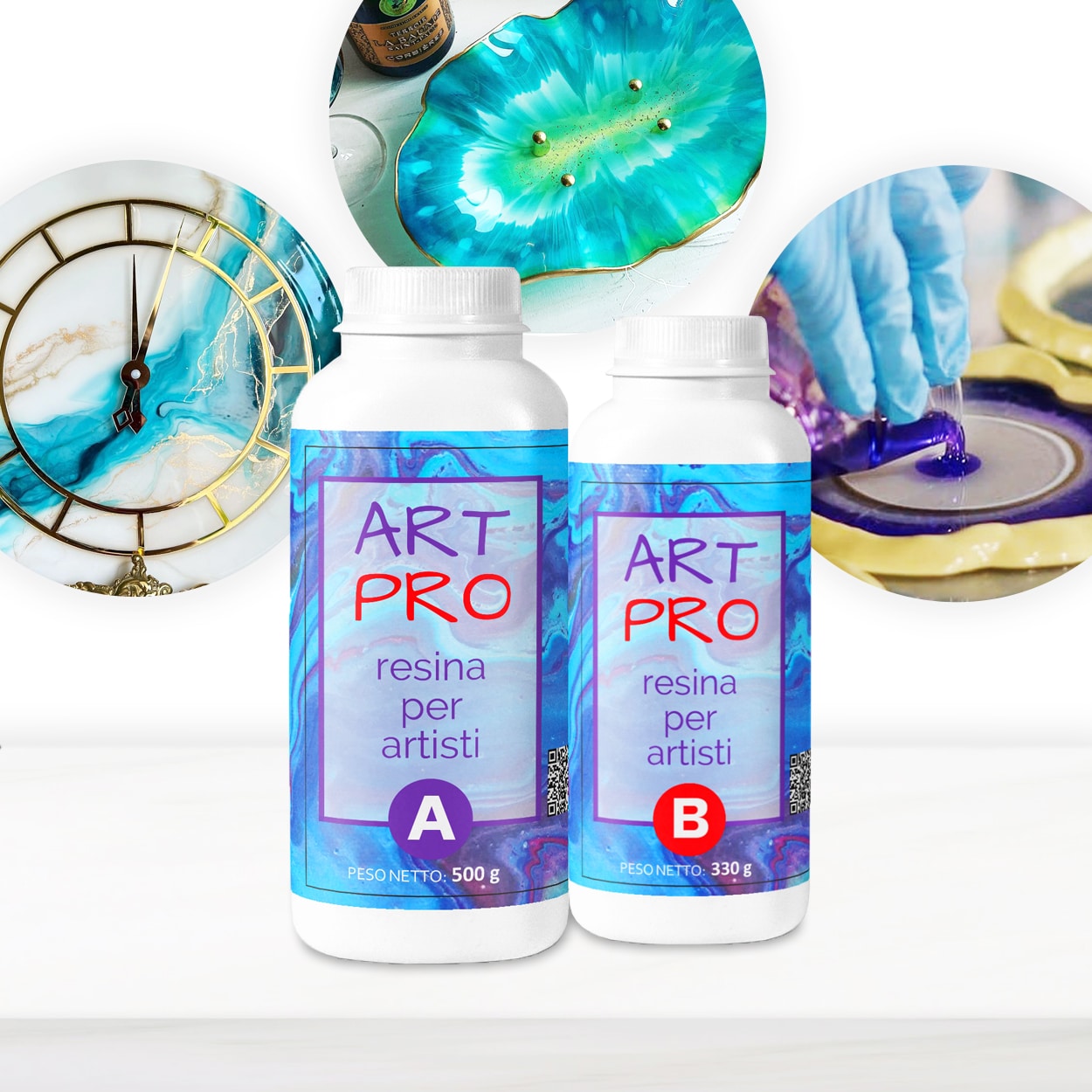
- “Art Pro” – Clear Epoxy Resin for Artists and Surface Coating – for protective, high-gloss coatings
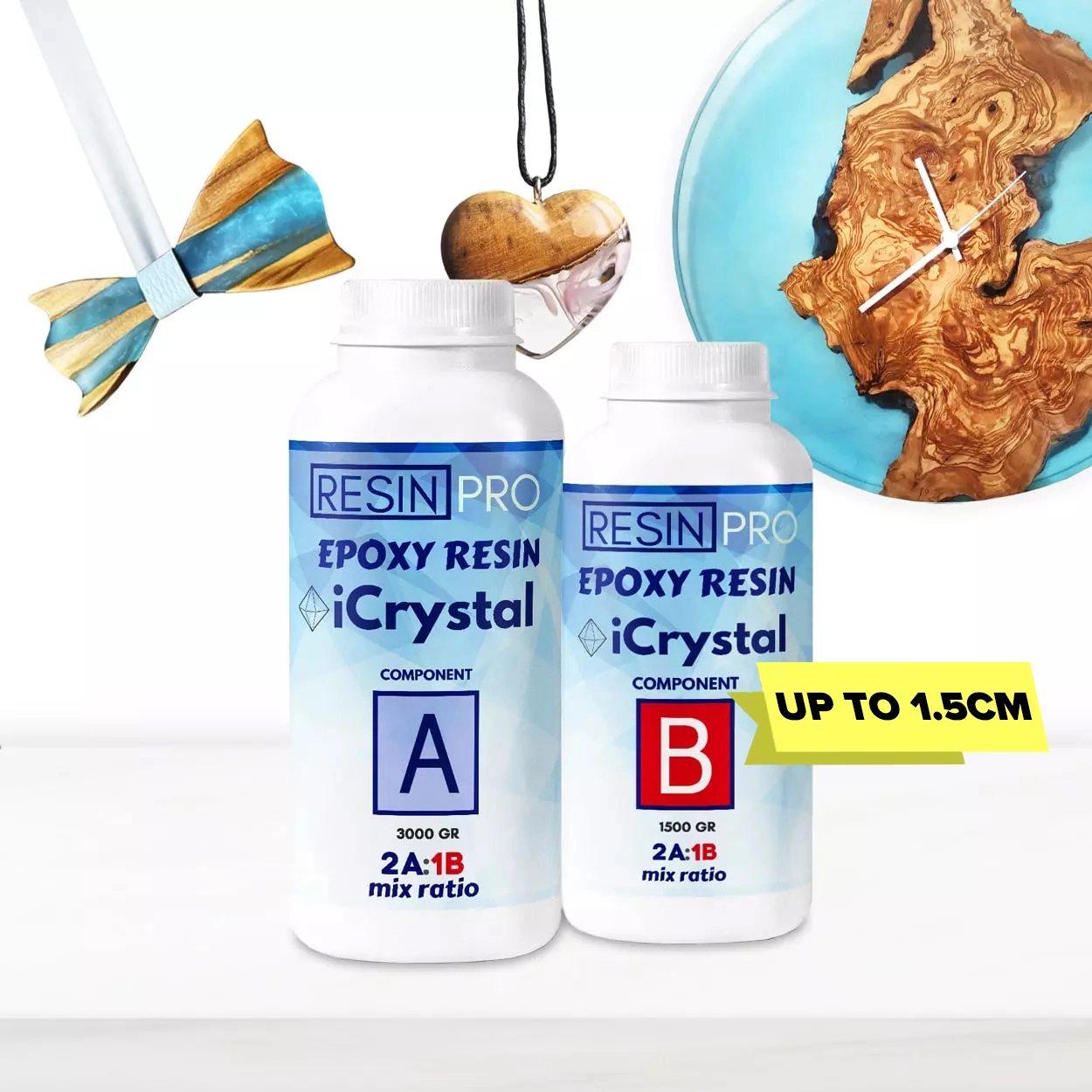
- “Icrystal” – Clear Epoxy Resin – Odourless Formula – Up to 1.5cm – for odour-free, transparent finishes
- “One-2-One” – Epoxy Resin for Handcraft, 1:1 Mixing Ratio – suitable for smaller, decorative projects
- “Klebfix” – Two-Component Fast Epoxy Glue 2K, 25g Syringe – ideal for spot bonding or repairs
- Protective gloves and safety goggles
- Mixing beakers and spatulas (plastic or silicone)
- Painter’s tape, silicone brush or foam roller
- Dust-free workspace and drop cloth

Essential Tools and Workspace Setup
Before you start, lay out all your materials, don protective gloves, and protect your workspace with a drop cloth. Have separate mixing tools and beakers ready for accurate resin measurement. Keeping your environment clean and organised will help you reduce mistakes and achieve smoother results on sensitive polystyrene projects.

Step 1: Prepare the Polystyrene Surface
Begin by cleaning the polystyrene surface to remove dust, oils, and debris. Use a soft, dry cloth for gentle dusting. Avoid solvents such as acetone or alcohol, which can dissolve polystyrene. If shaping is needed, use a sharp, clean blade and take care to minimise flaking. Once cleaned, ensure the polystyrene is completely dry before proceeding.
Inspect for imperfections or damaged areas. If spot repairs are necessary, a minimal application of “Klebfix” – Two-Component Fast Epoxy Glue 2K, 25g Syringe can create a strong, clear bond to patch chips or join pieces together.
Step 2: Seal the Surface to Prevent Melting
A crucial step with polystyrene is to prevent the epoxy resin from directly contacting raw foam, as some resins—especially when catalysed—can attack or melt the surface. Apply a thin sealant layer first. Use a water-based acrylic primer or PVA glue (diluted) brushed on gently to cover every exposed area, including corners and joints. Allow this to dry fully until touch-hard to create a safe barrier.
Repeat the sealing process if the surface appears highly porous or uneven. Only move to the next step once the barrier is complete and undamaged.
Step 3: Mix and Apply the Epoxy Resin
Choose a compatible epoxy resin formulation for your project’s needs. For general coating, “Art Pro” – Clear Epoxy Resin for Artists and Surface Coating offers a dense, non-drip formula well-suited for even application. For a low-odour, easy-to-use option with beginner-friendly proportions, “Icrystal” – Clear Epoxy Resin – Odourless Formula – Up to 1.5cm can be ideal.
Carefully measure the resin and hardener according to the manufacturer’s instructions (most commonly a 3:2, 2:1, or 1:1 ratio by weight or volume—check your product). Mix thoroughly in a clean, dry cup. Avoid vigorous stirring, which can introduce bubbles. Let the mixture stand for a minute before use.
Using a soft silicone brush or foam roller, apply the epoxy in a thin, even layer. Do not pour too thickly on polystyrene—multiple very thin coats are better and reduce risk of damage. Allow the first resin layer to cure fully before repeating additional coats if greater finish or strength is needed.

Step 4: Curing and Finishing Touches
Keep the coated polystyrene in a dust-free, well-ventilated area during the entire curing process. Follow the manufacturer’s recommended cure times—typically between 12 and 24 hours for most surface coatings, although touch-dry may occur sooner.
If a glossy or artistic finish is desired on smaller items, such as models or decorative crafts, “One-2-One” – Epoxy Resin for Handcraft, 1:1 Mixing Ratio provides a clear, glossy layer suitable even for beginners. For repairs requiring high-strength spot adhesion, “Klebfix” can be used sparingly on pre-sealed, dry surfaces, applied with the integrated syringe for precision.
Tips and Troubleshooting
Avoid using too much resin at once: Polystyrene can deform or melt under pooled or excessive unreacted resin. Always build up strength and gloss with several ultra-thin coats.
Always test on a small area first: Before coating your entire project, test the selected resin and sealing method on a scrap piece or inconspicuous area of polystyrene to ensure compatibility.
Work in a well-ventilated area: While some resins are low-odour, resin work is best conducted in a well-ventilated space, with gloves and goggles for your safety.
If you notice tackiness or poor curing, review your mixing ratio and ensure the surface seal was complete before resin application. Wait for each layer to cure fully before adding the next.
Examples of Resin-Coated Polystyrene Projects
Whether crafting architectural models or strengthening handmade decorations, epoxy resin can offer a durable, glossy finish on polystyrene when applied carefully. Explore finished examples to see the possibilities for both clear protective coatings and decorative finishes. Inspiration often sparks new creative ideas for your next project.

- "Art Pro" – Clear Epoxy Resin for Artists and Surface CoatingPrice range: £31.15 through £388.85"Art Pro" clear epoxy resin provides a durable, scratch-resistant finish with exceptional clarity, suitable for artists and crafters.
- "Icrystal" – Clear Epoxy Resin – Odourless Formula – Up to 1.5cmPrice range: £11.65 through £954.85"Icrystal" is a transparent epoxy resin with odourless formula suited for clear coatings and surfaces.
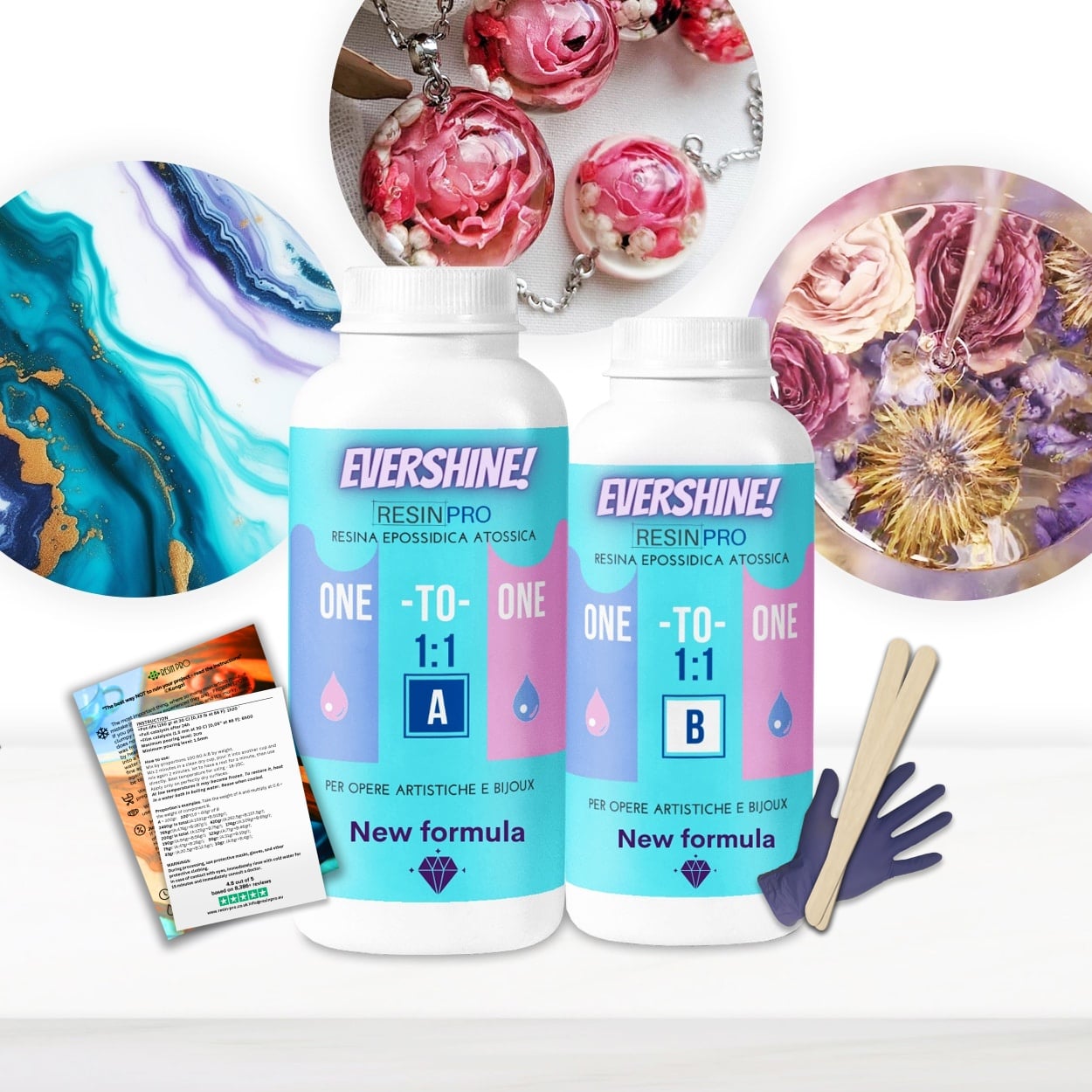 "One-2-One" – Epoxy Resin for Handcraft, 1:1 Mixing RatioPrice range: £14.85 through £56.85"One-2-One" epoxy resin is a medium viscosity formula with a 1:1 volume mixing ratio, designed for crafts with a clear, glossy finish.
 "Klebfix" – Two-Component Fast Epoxy Glue 2K, 25g Syringe£22.85"Klebfix" is a two-component fast epoxy glue suitable for bonding various materials including plastic and wood, designed for strong, rapid repairs.
Frequently Asked Questions
Is epoxy resin safe to use on polystyrene?
Epoxy resin can be used on polystyrene if the surface is properly sealed first to prevent chemical damage or melting.
What is the best way to mix epoxy resin for use on polystyrene?
Thoroughly measure and mix resin and hardener in the ratio specified on the product; avoid trapping bubbles for a smooth application.
Should I seal polystyrene before applying epoxy resin?
Yes, always apply a barrier such as acrylic primer or diluted PVA glue to seal the polystyrene before adding any epoxy resin.
What mistakes should I avoid when applying epoxy resin to polystyrene?
Avoid applying thick resin layers or using unsealed polystyrene, as these can cause melting or poor adhesion.
How long does it take for epoxy resin to cure on polystyrene?
Most epoxy coatings cure within 12-24 hours, but always check your product’s specific guidelines and ensure each layer is fully dry before adding another.
Can I use epoxy glue to repair polystyrene items?
Yes, two-component epoxy glues can provide strong, clear bonds when used in moderation and on well-prepared surfaces.