 Free shipping on orders over £29,85
  Shipping Tracking!


 Google
 Facebook
How do you apply resin to walls?
Giving your walls a fresh, modern appearance with resin not only enhances durability but also opens a world of decorative effects. Whether updating a kitchen splashback, bathroom, or accent feature, wall resin application provides a waterproof, glossy or artistic finish that stands out. This guide walks you through every stage to help you achieve a flawless resin-coated wall.
Step-by-step techniques for a smooth resin-coated wall finish
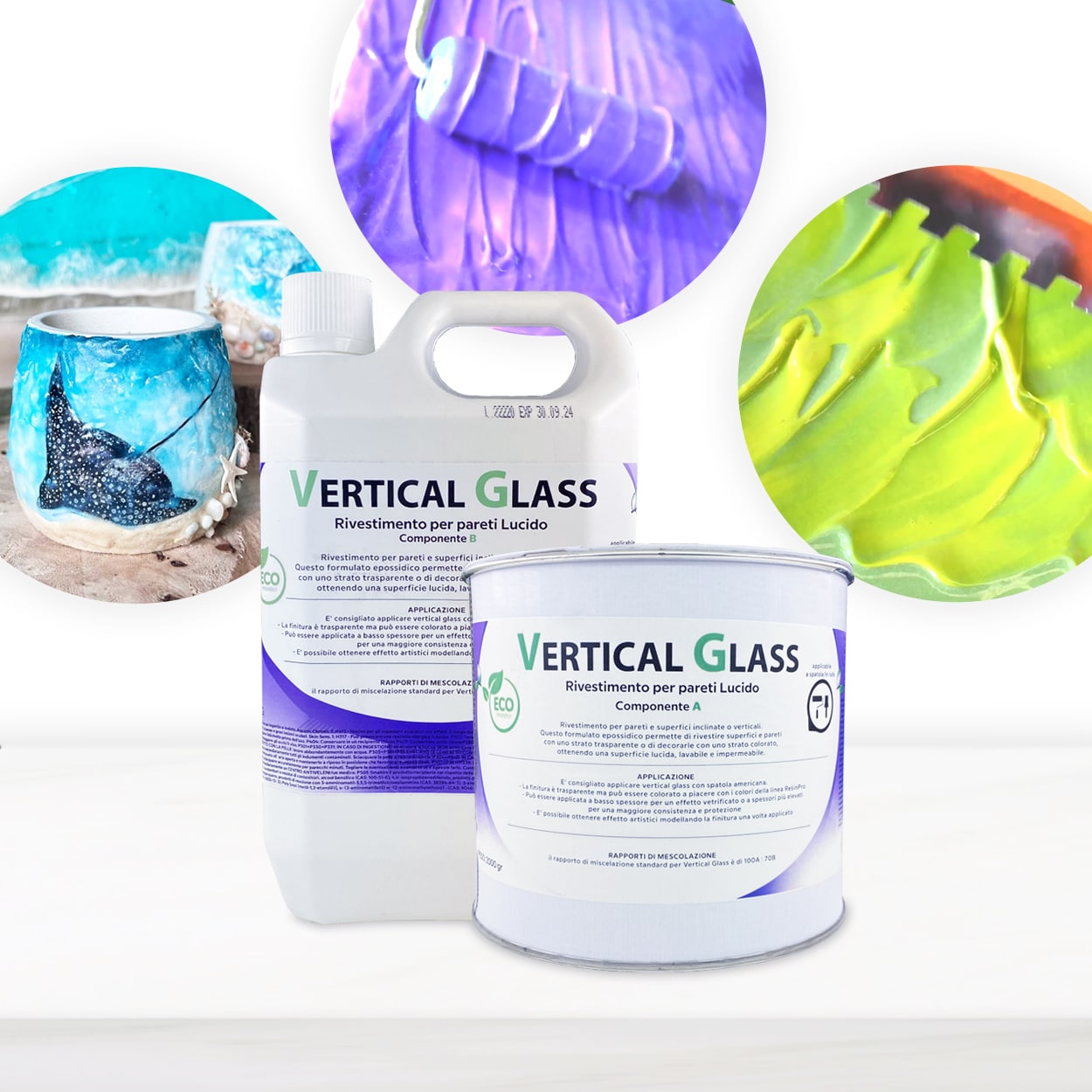

What You’ll Need
- “Vertical Glass” – Thick Resin Decorative Wall Coating: For durable, decorative effects on vertical surfaces
- “Epoxyprimer” – Universal Water-Based Two-Component Epoxy Floor Primer: For strong adhesion on porous or difficult surfaces like concrete, wood, or tiles
- Resin & Paint Application Rollers – Short-Pile, Large, and Sponge Types: For spreading primer or resin evenly over the wall
- “Art Pro” – Clear Epoxy Resin for Artists and Surface Coating: For high-gloss or artistic finishes on feature panels
- Protective gloves, safety goggles, and overalls
- Mixing containers and spatula
- Painters’ tape and dust sheets
- Fine grit sandpaper
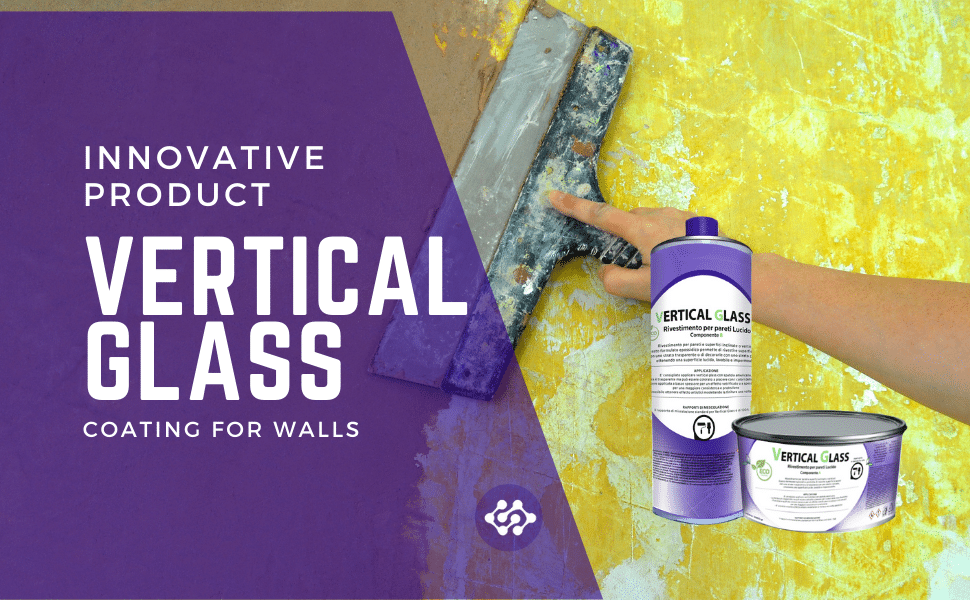
Surface Preparation and Application Tools
Thorough prep is crucial for resin results that last. Use the right primer for porous walls and rollers for smooth, even layers. Protect surfaces not being coated to avoid unwanted spills or drips during application.
Step 1: Prepare and Clean the Wall Surface
Begin by **ensuring your wall is stable, clean, and free from dust or grease**. Remove any old paint that is peeling, repair visible cracks, and sand rough spots for a uniform texture. If working with tiles or glossy surfaces, lightly sand to provide extra grip. Cover adjacent areas with painters’ tape and dust sheets to protect against drips or splashes.
A clean surface is critical for resin adhesion. Take care to let surfaces dry completely after cleaning prior to proceeding.
"Vertical Glass" – Thick Resin Decorative Wall Coating
A thick epoxy resin designed for decorative, customisable coating of vertical and sloping interior surfaces.
Step 2: Prime the Wall for Maximum Adhesion
For best results on porous materials like cement, wood, or old tile, apply a suitable primer before coating with resin. “Epoxyprimer” – Universal Water-Based Two-Component Epoxy Floor Primer is an excellent option for reinforcing the bond between your wall and the epoxy layer.
**Priming guarantees optimal adhesion and prevents future peeling or flaking**. Use a short-pile roller for an even layer, and follow curing times—typically 24–48 hours. Ensure the primer is fully dry before moving on.
Step 3: Mix and Apply the Resin Evenly
Once primed, mix your chosen resin thoroughly according to its instructions. For walls, “Vertical Glass” – Thick Resin Decorative Wall Coating is purpose-built, offering a dense, non-drip formula ideal for vertical surfaces.
Use a spatula or a short-pile roller to distribute resin, depending on the area and desired effect. **Work methodically from top to bottom to control drips and achieve a uniform result**. For extra creative freedom—such as metallic or colour effects—incorporate tints or pigments into the resin before application.
If an artistic, glass-clear effect is required, “Art Pro” – Clear Epoxy Resin for Artists and Surface Coating delivers a high-gloss finish perfect for feature walls or decorative panels.
"Vertical Glass" – Thick Resin Decorative Wall Coating
A thick epoxy resin designed for decorative, customisable coating of vertical and sloping interior surfaces.
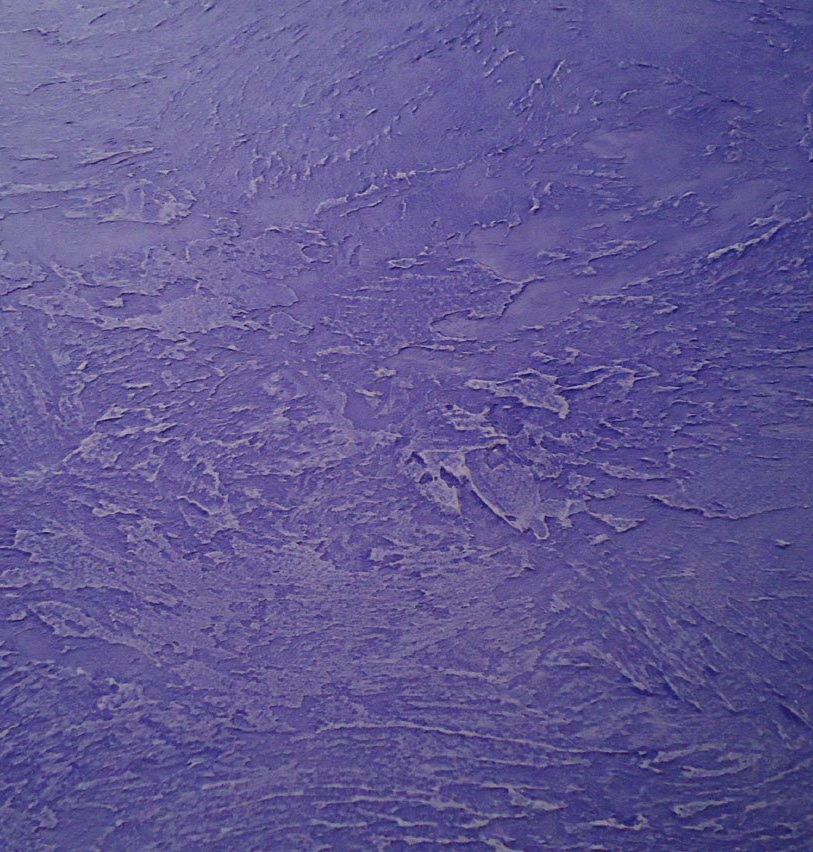
Step 4: Allow to Cure and Finish as Desired
After application, let the resin settle and level slightly. **Allow each layer to cure fully before applying another coat**—typically 24–48 hours, depending on the resin product and room conditions.
To change surface appearance from gloss to satin, sand lightly with fine grit paper 48 hours after curing. For more protection, apply a second thin coat, ensuring dust-free conditions during curing.
Tips, Common Mistakes, and Troubleshooting
**Always work in a well-ventilated environment and use appropriate PPE**. Don’t rush surface prep or primer curing stages—poor foundations lead to peeling or uneven coverage. Prevent sticky finishes by measuring and mixing your resin carefully, and watch for cold temperatures which can slow curing.
If air bubbles appear, use a heat gun at low power, waving gently over the surface. Avoid overworking the resin once poured to prevent marks or streaks.

"Vertical Glass" – Thick Resin Decorative Wall Coating
A thick epoxy resin designed for decorative, customisable coating of vertical and sloping interior surfaces.
Finishing Techniques and Creative Effects
Personalise your resin wall finish by sanding for a satin look or incorporating coloured pigments for creative flair. Art Pro resin enables glossy, glass-like effects for decorative panels and accent features.
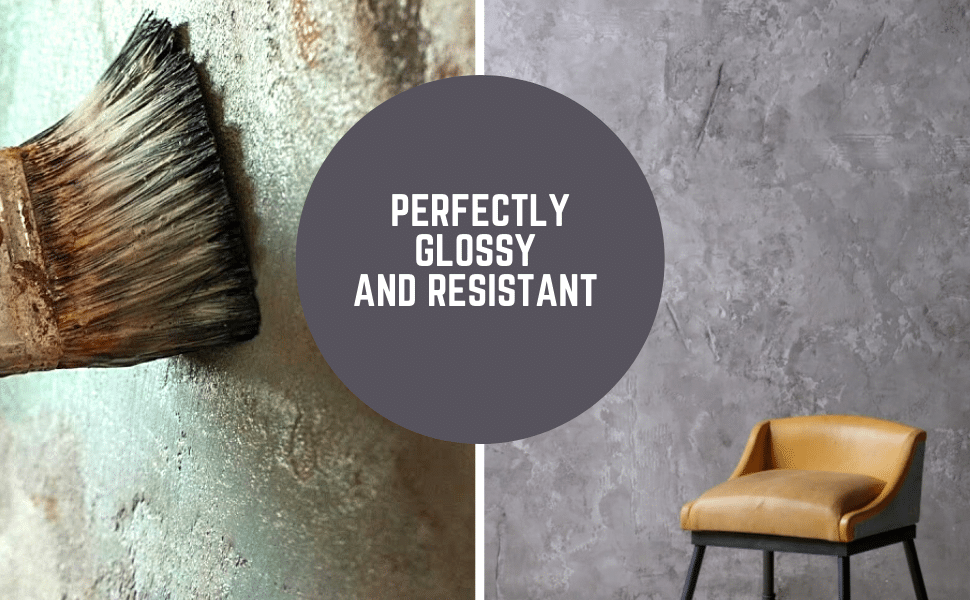
- "Vertical Glass" – Thick Resin Decorative Wall CoatingPrice range: £128.85 through £179.85Vertical Glass resin coating offers a customisable, waterproof finish for vertical and sloping interior surfaces with durable and washable protection.
- Resin & Paint Application Rollers – Short-Pile, Large, and Sponge TypesPrice range: £3.45 through £4.85Rollers designed for epoxy resin applications help achieve precise and uniform coverage on resin surfaces for various projects.
 "Epoxyprimer" – Universal Water-Based Two-Component Epoxy Floor PrimerPrice range: £148.84 through £272.45"Epoxyprimer" is a water-based two-component epoxy floor primer designed for reliable adhesion and durable results suitable for various surfaces.
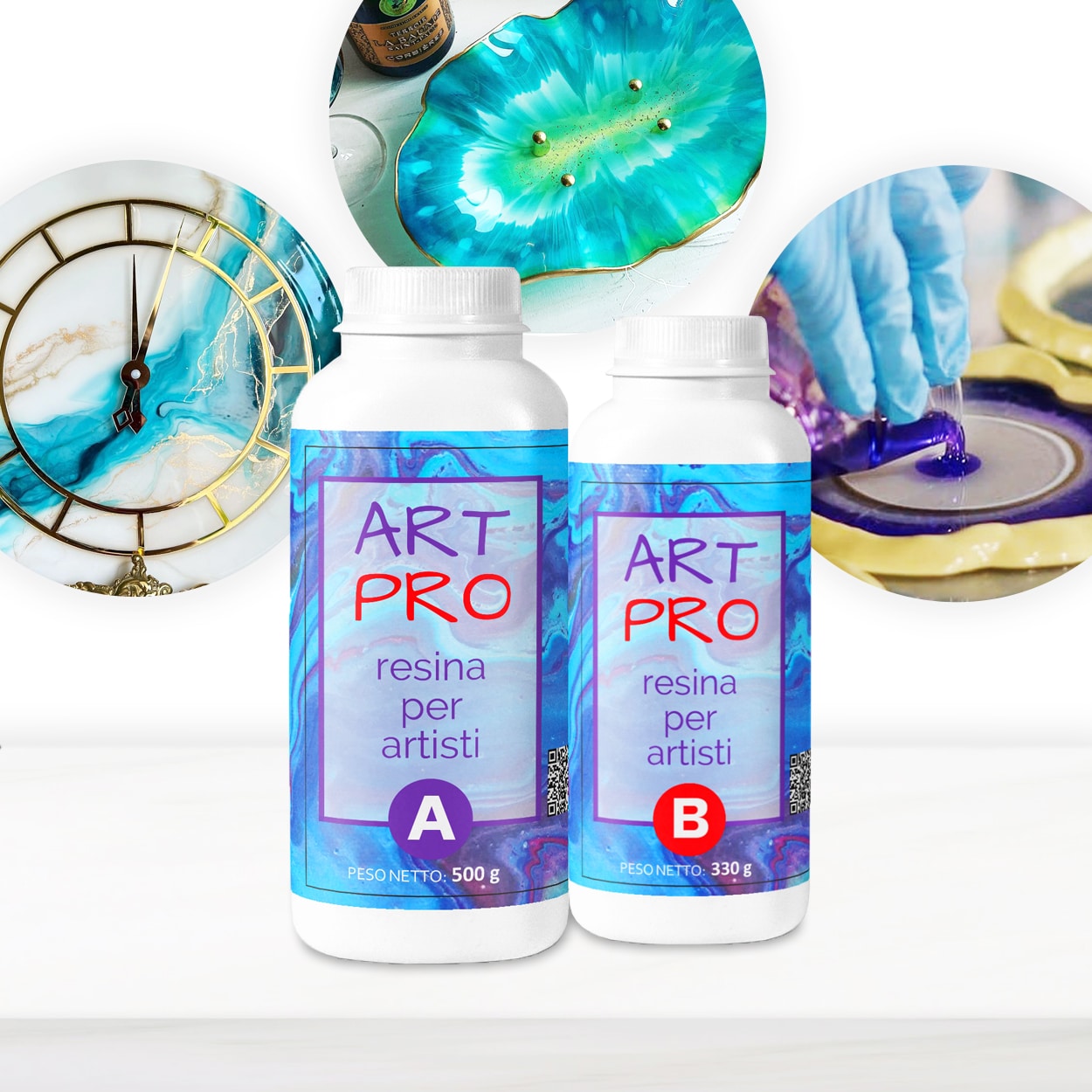 "Art Pro" – Clear Epoxy Resin for Artists and Surface CoatingPrice range: £31.15 through £388.85"Art Pro" Clear Epoxy Resin provides a clear, durable finish suitable for artists and DIY projects involving surface coatings.
Frequently Asked Questions
What surfaces are suitable for resin application on walls?
Walls made of concrete, plaster, wood, bricks, tiles or cement-based render can all be coated with resin—once properly cleaned, repaired and primed if needed. Smooth, stable, and dust-free preparation are essential for best results.
How do I avoid resin dripping on vertical surfaces?
Use a thick, non-drip resin like "Vertical Glass" and apply in thin layers. Start from the top, distributing evenly, and avoid overloading your roller or spatula. Work methodically and catch excess resin at the bottom edge with tape or a cloth.
Do I need to prime the wall before using resin?
Priming is recommended for porous, uneven, or difficult surfaces such as bare cement, wood, or tiles. Using a dedicated primer like "Epoxyprimer" ensures strong adhesion, reduces the risk of peeling, and helps absorb any residual moisture.
How long does the wall resin take to cure?
Most epoxy resins need 24–48 hours to fully cure, depending on ambient temperature, humidity, and thickness. Always follow specific product guidelines for optimum hardness and durability.
Can I achieve a coloured or textured effect with wall resin?
Yes, many resins can be tinted with pigments or metallics before application, allowing bespoke finishes. For high-gloss or artistic details, select resins formulated for creative use, such as "Art Pro".
What should I do if my wall finish appears uneven or patchy?
This is usually due to inadequate surface preparation or uneven primer application. Sand down rough areas, clean the wall, and, if necessary, add another carefully applied resin layer for a uniform look.
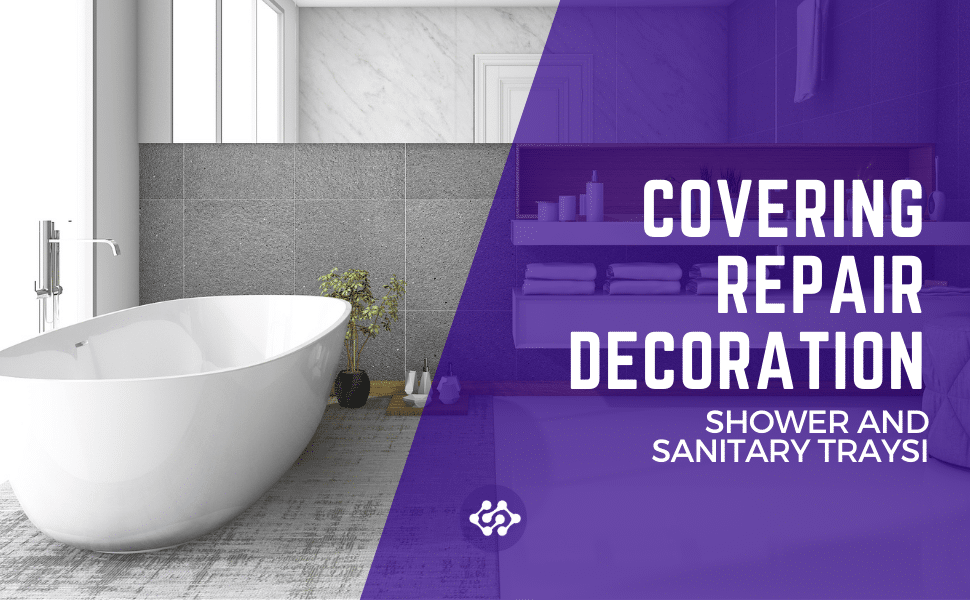
Is resin suitable for high-moisture areas like kitchens and bathrooms?
Yes, when using waterproof resin products and ensuring each layer is fully cured, resin finishes are ideal for wet rooms, splashbacks, and humid environments. Proper edging and maintenance extend longevity.