 Free shipping on orders over £29,85
  Shipping Tracking!


 Google
 Facebook
How do you paint a resin floor?
A complete step-by-step guide for a flawless resin floor finish


Painting a resin floor transforms a dull or worn surface into a seamless, hard-wearing, and attractive finish. Whether for a garage, workshop, or living space, the right approach ensures both durability and visual appeal. This guide takes you through each essential step, detailing practical techniques, timing and common pitfalls to achieve professional results on concrete or timber bases.
What You’ll Need
- “Epoxyprimer” – Universal Water-Based Two-Component Epoxy Floor Primer: Prepares the surface for maximum adhesion.
- Resin & Paint Application Rollers – Short-Pile, Large, and Sponge Types: For smooth, even application of primer and resin layers.
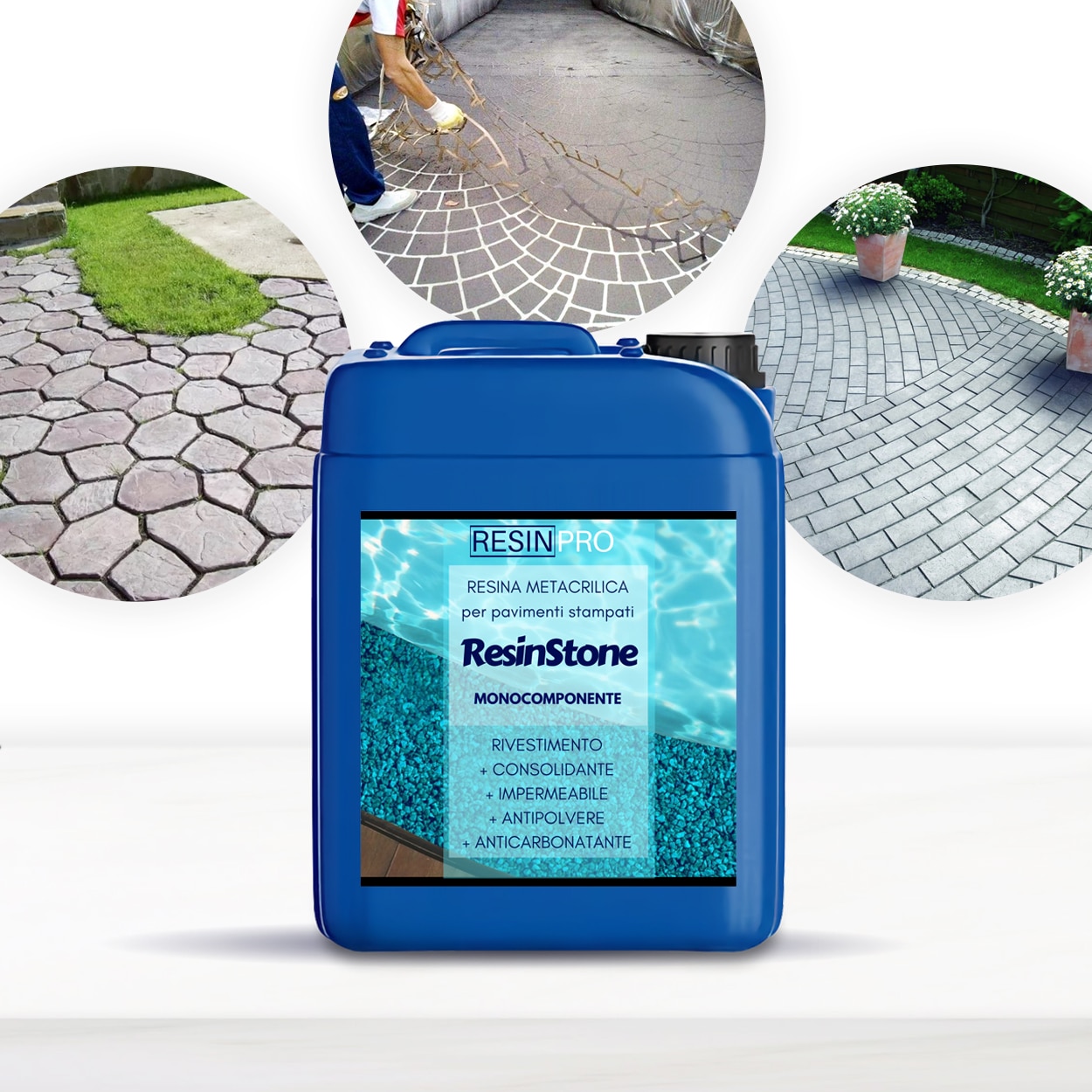
- “Resinstone” – One-Component Methacrylic Resin for Concrete Floors and Driveways: Protects and seals absorbent concrete substrates before prime and paint.
- Protective gloves, mask, and goggles for safety
- Painter’s tape and plastic sheeting for edging and protecting adjacent areas
- Cleaning materials (vacuum, broom, degreaser)

Resin Floor Painting Essentials
Proper surface prep and quality application tools make all the difference in painting a resin floor. Use a specialist primer and compatible rollers for even results across the entire area.
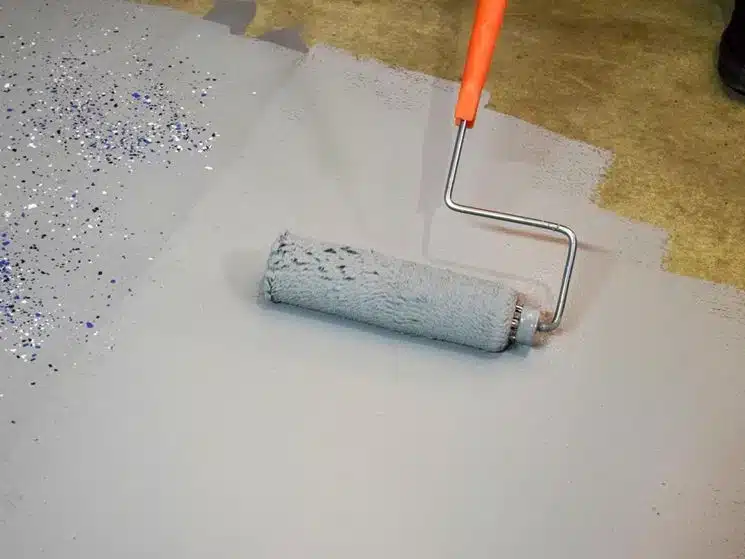
Step 1: Prepare the Floor Surface
Thorough preparation is the foundation of a quality resin floor. Start by removing any loose debris using a broom or vacuum cleaner. Eliminate dust, oils, or grease with a suitable degreaser, ensuring the floor is completely free from contaminants. Repair cracks or holes with a compatible filler if required, and allow all patching materials to cure as recommended.
Check that the floor is dry, clean, and stable. For new concrete, make sure it has fully cured—this can take several weeks. If you are applying resin to an absorbent concrete surface, it is wise to begin by sealing it. “Resinstone” – One-Component Methacrylic Resin for Concrete Floors and Driveways can be applied at this stage to protect and deeply seal concrete floors, especially in garages or driveways, providing a sound base for primer and resin layers. Let the sealer dry thoroughly before moving forward.
Step 2: Prime the Floor
Priming is crucial for ensuring your resin layer adheres effectively and achieves a long-life finish. Stir the primer components together as instructed, then apply evenly across the surface. Pay particular attention to corners and edges, working methodically to avoid puddling or missing any spots.
Use a primer for better adhesion and durability. “Epoxyprimer” – Universal Water-Based Two-Component Epoxy Floor Primer is ideal for this job, especially when working on concrete, tiles, screed, or timber. It can be spread using a short-pile or large roller for consistent coverage. Leave the primer to cure for the specified time (typically 24–48 hours), ensuring the area is dust- and traffic-free during this period.
Step 3: Apply the Resin Paint Layer
Once the primer is fully cured, it’s time to coat the floor with your chosen resin paint or coating. Mix the resin thoroughly according to the manufacturer’s instructions. Pour the resin onto the floor in stripes or bays and work it over the surface with your roller, moving in overlapping strokes to achieve even coverage without air bubbles or streaks.
For a professional result, use Resin & Paint Application Rollers – Short-Pile, Large, and Sponge Types according to the area—choose large rollers for main zones and short-pile for detail and edges. A sponge roller can provide a self-levelling, smooth finish where needed. Apply multiple coats if recommended, allowing sufficient curing time between each layer according to resin specifications.

Step 4: Allow to Cure and Protect the Finish
After the final resin coat, keep the area free of dust, traffic, and moisture until the floor has fully cured. Curing times vary depending on resin type, ambient temperature, and humidity but typically range from 12 hours to 48 hours. Avoid placing heavy objects or walking on the floor prematurely, as this may lead to marks or dull patches.
Allow each layer to cure fully before the next step to ensure a tough, flawless and long-lasting surface. Check the resin manufacturer’s guidance for full usage timelines before returning the space to normal use.
Tips, Common Mistakes, and Troubleshooting
Avoid applying resin in very humid or cold conditions, as this can cause poor curing, cloudiness, or adhesion problems. Always read the instructions for surface temperature and moisture requirements. Use painter’s tape to create crisp lines and prevent drips on skirting boards or adjacent surfaces. If bubbles appear while rolling, lightly pass a heat gun or torch to release trapped air—test in an inconspicuous area first. If you notice uneven sheen after curing, ensure all layers are fully dry and reapply a thin finish coat if needed.
Best Practice for Durable Resin Coatings
Work in suitable weather and follow full curing times for every product layer. Attention to these fundamentals ensures your resin floor delivers strength, shine, and long-term performance.

- "Epoxyprimer" – Universal Water-Based Two-Component Epoxy Floor PrimerPrice range: £148.84 through £272.45"Epoxyprimer" is a water-based epoxy floor primer designed for reliable adhesion and durability on surfaces like concrete and timber.
- Resin & Paint Application Rollers – Short-Pile, Large, and Sponge TypesPrice range: £3.45 through £4.85Rollers designed for epoxy resin surfaces offer detailed and fast coverage options suitable for professional and DIY applications.
- "Resinstone" – One-Component Methacrylic Resin for Concrete Floors and DrivewaysPrice range: £29.85 through £59.85RESINSTONE is a one-component methacrylic resin for sealing concrete floors and driveways, suitable for durable protection in painting resin floors.
Frequently Asked Questions
Which primer should I use before painting a resin floor?
A specialised water-based epoxy primer is best for bonding resin paint to concrete, wood, or tiles.
How long should I wait before using my painted resin floor?
Most resin floors require at least 24–48 hours for initial cure, but check the product label for exact times.
Should I use a roller or brush for resin floor painting?
Use rollers for an even, streak-free finish. Short-pile or sponge rollers work best for resin applications.
Why does my resin floor feel sticky after painting?
Sticky surfaces usually indicate insufficient curing. Ensure proper temperature, humidity, and wait full cure time.
Can I paint over an old resin or epoxy floor?
Yes, but thoroughly clean, abrade, and prime the old surface before reapplying new resin paint.
Do I need to seal concrete before priming for resin?
For highly absorbent or new concrete, a deep-penetrating sealer can improve base strength before priming.