 Free shipping on orders over £29,85
  Shipping Tracking!


 Google
 Facebook
How to apply epoxy resin on wood?
Step-by-step guide for flawless, durable wood finishes
Gaining a professional, glass-like finish on wood with epoxy resin is both achievable and rewarding. Whether you are enhancing unique pieces of furniture, protecting surfaces, or creating striking art, following the right technique is essential. This guide outlines the steps needed to apply epoxy resin on wood, from preparation to finishing touches, ensuring a beautiful and long-lasting result for any skill level.
What You’ll Need
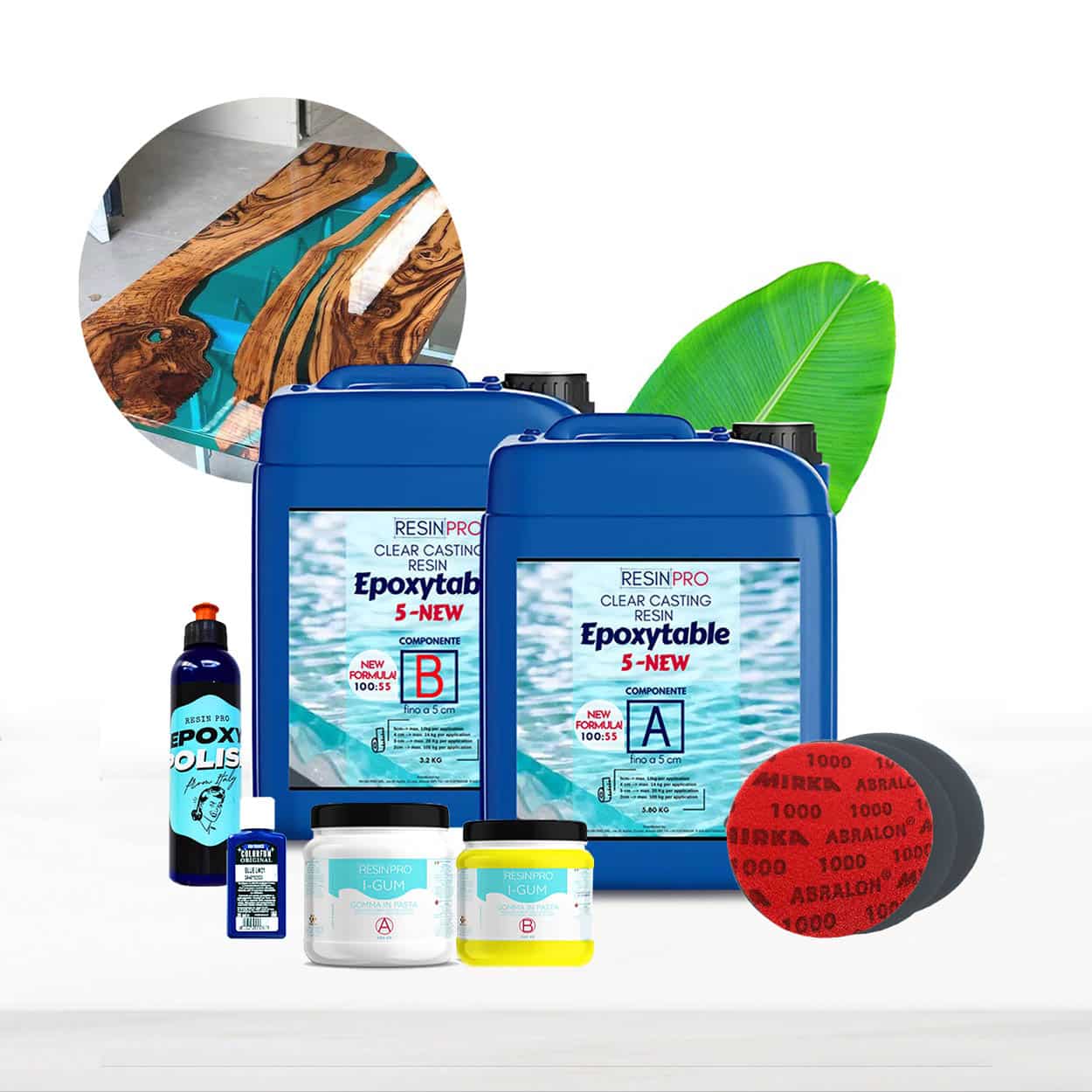
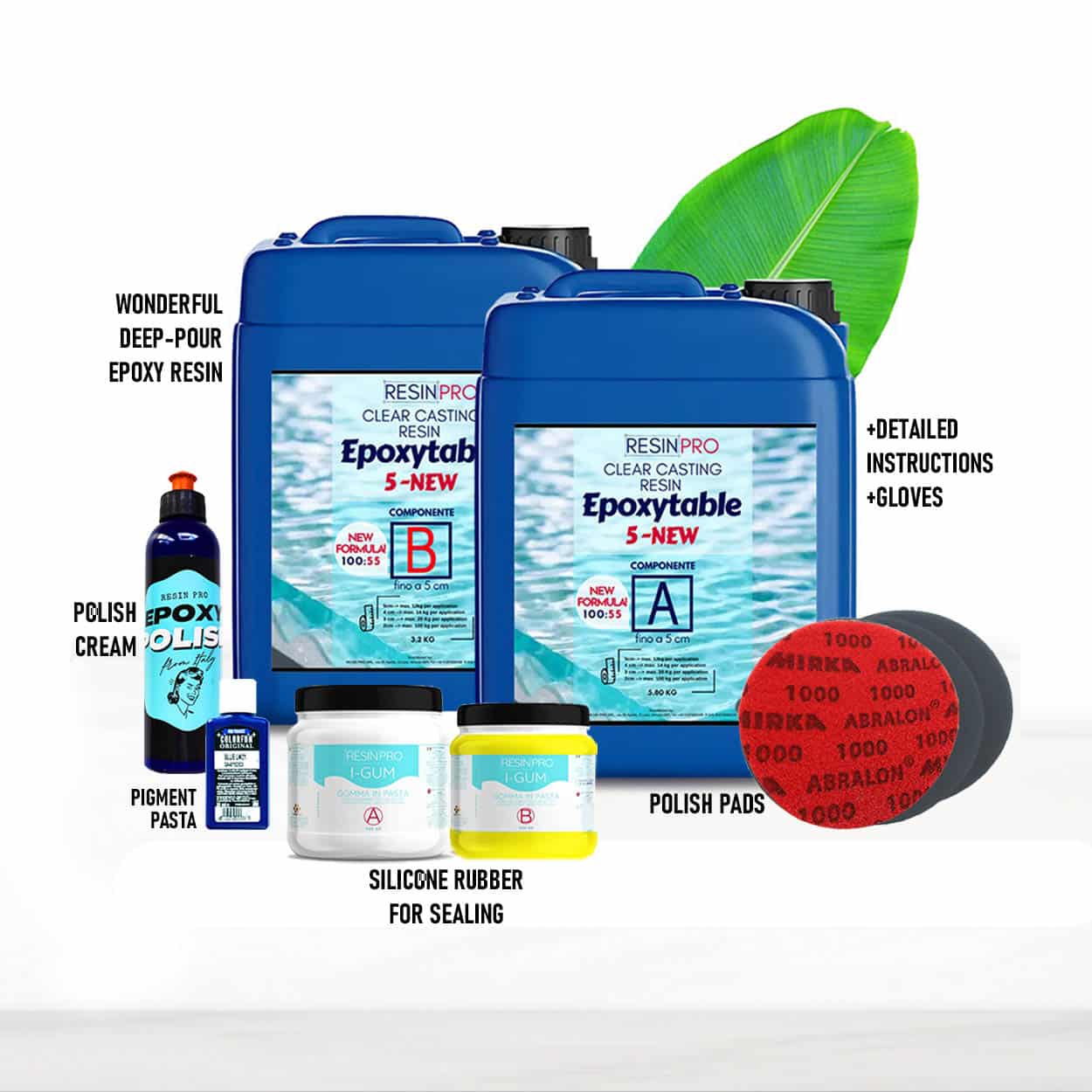
- “River-Table” – Complete Kit for Creating Your First Epoxy Resin Table: A comprehensive kit including resin, pigments, sealant, and polishing tools for wood and resin projects.
- “EpoxyWood” – Wood Restoration Epoxy Resin for Deep Penetration and Waterproofing: Perfect for reinforcing and waterproofing wood surfaces with deep penetration.
- “Art Pro” – Clear Epoxy Resin for Artists and Surface Coating: Ideal for high-gloss coatings and surface protection on wood projects.
- “EpoxyFood” – Certified Clear Food Contact Epoxy Resin for Coating: Certified for coating wooden cutting boards, trays, and other food-contact surfaces.
- Mixing containers and stirring sticks
- Protective gloves and eye protection
- Sandpaper (various grits, e.g., 80–400 grit)
- Masking tape or silicone barrier
- Lint-free cloth

Essential materials for perfect epoxy results
Choose the right resin and tools for your wood project. Preparing in advance saves time and avoids waste, ensuring every stage runs smoothly. Use the right resin for each task—repair, coating, craft, or food contact—that matches your project’s requirements.
Step 1: Prepare the Wooden Surface
Proper preparation is key for a smooth, enduring epoxy finish. Begin by sanding the wood using progressively finer grits; start with 80 grit to remove imperfections and move up to 400 grit for a smooth base. Remove dust thoroughly using a lint-free cloth—any residue will affect clarity and bonding.
Ensure the wood surface is completely dry before application, as trapped moisture can interfere with adhesion and cause cloudiness. Mask off any areas you do not wish to coat with resin, using masking tape or a silicone barrier.
Step 2: Mix and Measure the Epoxy Resin
Carefully read the instructions for your chosen resin to determine the exact mixing ratio. Accurate measurement is vital; use digital scales for best results. Pour resin and hardener into a clean mixing container, then stir slowly and thoroughly for several minutes, scraping the sides and base to ensure a uniform blend.
“Art Pro” – Clear Epoxy Resin for Artists and Surface Coating is especially suited for precise coatings where clarity is essential, thanks to its reliable mixing ratio and non-drip formula.
"River-Table" – Complete Kit for Creating Your First Epoxy Resin Table
A complete kit designed for creating wood and resin tables with included resin, pigments and polishing materials.
Step 3: Apply the First Layer of Epoxy
Pour the mixed epoxy gently onto the prepared wood. Spread with a notched trowel or brush, ensuring even coverage. For porous woods, a sealing coat helps minimise air bubbles and ensures strong adhesion—this step is where “EpoxyWood” – Wood Restoration Epoxy Resin for Deep Penetration and Waterproofing excels, deeply reinforcing the structure and waterproofing the fibres.
Work methodically to avoid streaks or uneven patches. If bubbles form, ease them out by lightly passing a heat gun or torch above the surface, being careful not to scorch the resin or wood.
Apply epoxy resin in a dust-free environment and avoid strong drafts while the resin is curing.
Step 4: Build Additional Layers (If Needed)
Most projects benefit from two or more resin layers for optimum depth and durability. Wait until the previous coat is tack-free or as directed before lightly sanding with fine grit to promote inter-coat adhesion. Remove sanding dust thoroughly before the next pour.
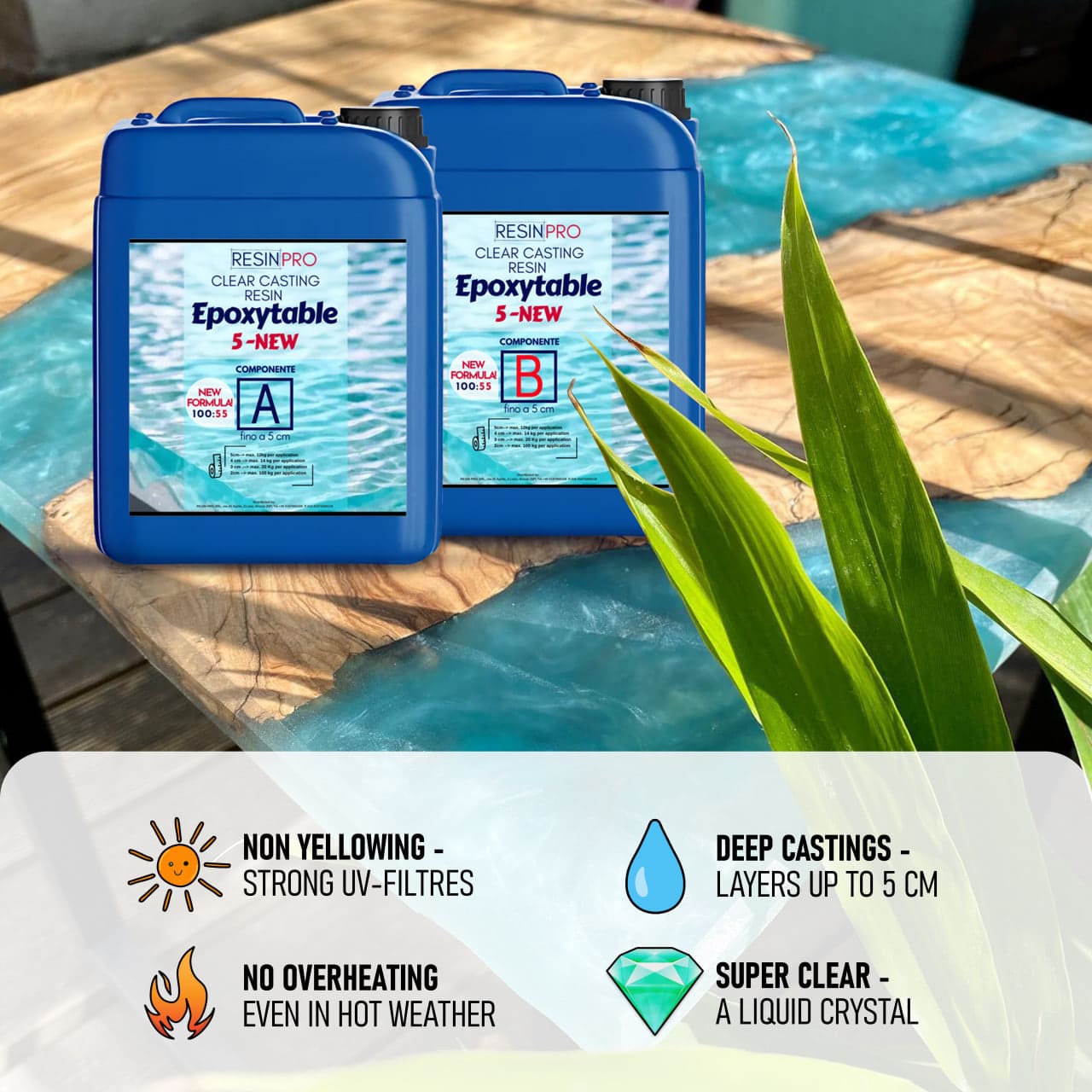
Work in thin, even layers to reduce the risk of drips, bubbles, and curing issues. Repeat pouring and spreading until the desired finish is achieved. Consider “River-Table” – Complete Kit for Creating Your First Epoxy Resin Table for deep casting projects, as it includes not just resin but also polishing materials and pigments for a creative touch.
"River-Table" – Complete Kit for Creating Your First Epoxy Resin Table
A complete kit designed for creating wood and resin tables with included resin, pigments and polishing materials.

Step 5: Final Curing and Optional Finishing Touches
Allow the final coat to cure fully—this can take from 24 to 72 hours depending on product and temperature. Always follow the recommended curing times on your resin packaging for the best durability.
For food-contact projects like boards and serving trays, only use certified resins such as “EpoxyFood” – Certified Clear Food Contact Epoxy Resin for Coating. Once cured, polish the surface if a glossy, mirror-like result is desired. For high-gloss and scratch resistance, a light sand and polish with a suitable kit can elevate the finish further.
Tips and Troubleshooting
Safety should always come first: Work in a well-ventilated area, wear gloves and eye protection, and avoid contact with uncured resin. Mix resin slowly to prevent introducing extra air bubbles, and don’t rush curing times to avoid a soft finish.
If you notice dull patches, check for missed spots, sanding marks, or improper mixing. Uncured areas often result from measuring or mixing errors—always double-check ratios and combine thoroughly. For sticky surfaces, gently remove the layer and re-coat. If cratering or ‘fish eyes’ appear, the substrate might be contaminated with oil or dust; further sanding and cleaning is needed.
Avoid common pitfalls in resin application
Patience and precision are your best assets. Let every layer cure fully. Always clean surfaces thoroughly and follow resin mixing instructions. When in doubt, test a small patch before coating the entire piece.

- "River-Table" – Complete Kit for Creating Your First Epoxy Resin TablePrice range: £188.85 through £444.85"River-Table" kit includes resin, hardener, sealant, polishing kit and pigment with instructions for wooden and resin tables.
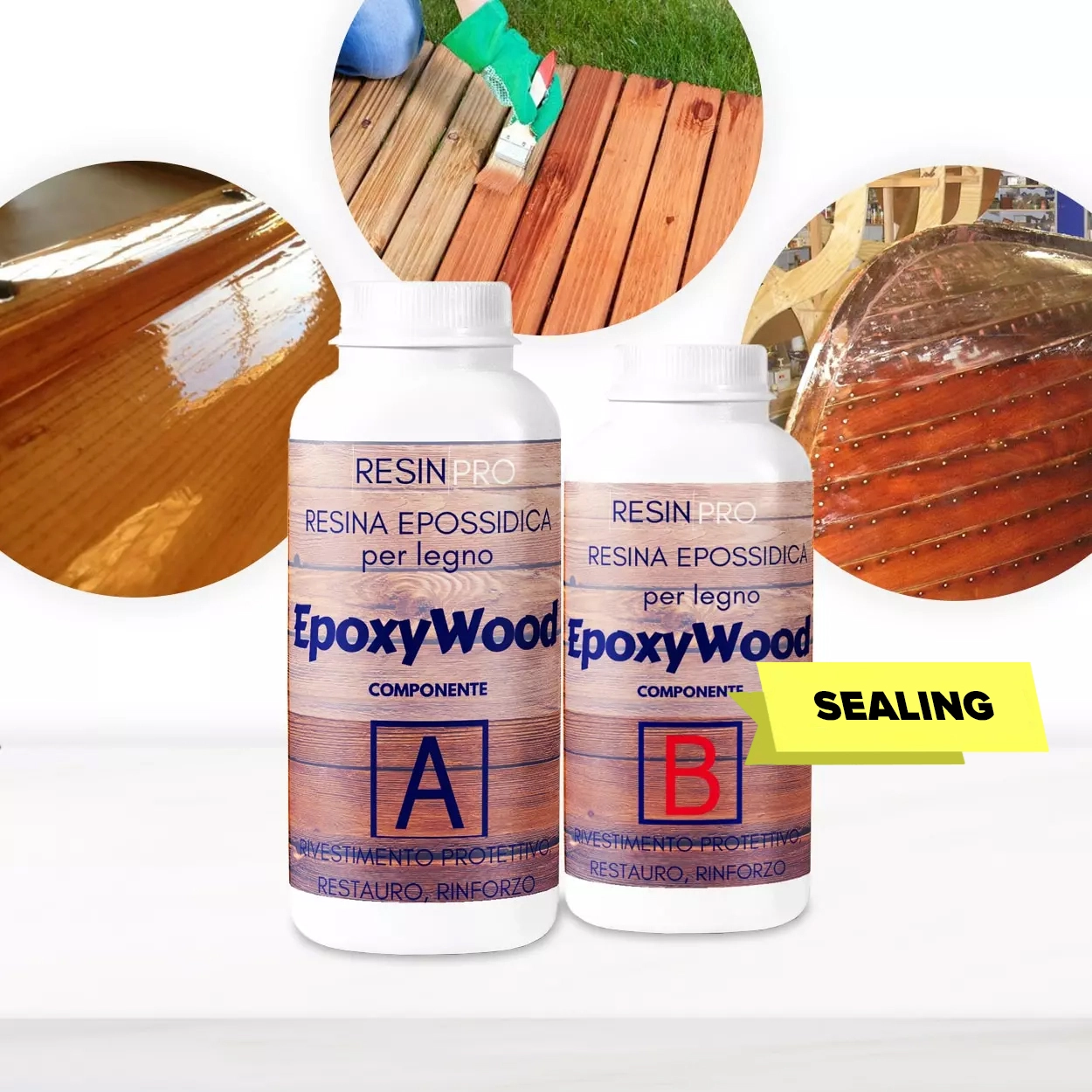 "EpoxyWood" – Wood Restoration Epoxy Resin for Deep Penetration and WaterproofingOriginal price was: £64.00.£39.85Current price is: £39.85.EpoxyWood is a wood restoration epoxy designed for deep penetration and waterproofing of wooden surfaces.
 "Art Pro" – Clear Epoxy Resin for Artists and Surface CoatingPrice range: £31.15 through £388.85Art Pro clear epoxy resin provides durable, glass-like finishes with UV protection, suitable for artists and DIY surface coatings.
 "EpoxyFood" – Certified Clear Food Contact Epoxy Resin for CoatingOriginal price was: £39.00.£32.85Current price is: £32.85."EpoxyFood" is a food-safe transparent resin suitable for coating kitchen surfaces with clarity and a gloss finish.
Frequently Asked Questions
What is the ideal temperature for applying epoxy resin on wood?
Room temperature (between 18–25°C) is considered optimal for mixing and curing most epoxy resins. Working in a space that is too cold can slow curing and cause haziness, while heat can accelerate setting and reduce working time.
How do I prevent bubbles from forming in the epoxy layer?
Seal porous wood with a thin first coat and allow bubbles to rise, removing with a heat gun or torch. Stir resin slowly to minimise air introduction. Taking these steps will help achieve a clear, glass-like surface.
Why is my epoxy not curing properly on wood?
Incomplete curing usually results from incorrect mixing ratios or insufficiently mixed components. Always follow the manufacturer’s instructions, use accurate scales, and combine thoroughly. Temperature and humidity can also play a role.
Can I coat food-contact wooden surfaces with epoxy resin?
Only use resins specifically certified for food contact, such as “EpoxyFood”. Once fully cured according to instructions, these coatings are suitable for items like chopping boards and trays used with cold foods.
How can I achieve a super-high gloss finish on my wood?
Polishing the cured resin using dedicated polishing creams and pads after allowing full cure will bring out the highest level of gloss. Clean and sand the final layer before polishing for best effect.
Is sanding between layers necessary?
For maximum adhesion and clarity, lightly sanding between resin layers is recommended if the previous coat is fully cured. This step prevents delamination and visible lines in the finished surface.
"EpoxyWood" – Wood Restoration Epoxy Resin for Deep Penetration and Waterproofing
A solvent-free epoxy resin designed for reinforcing and waterproofing wood and related surfaces.