 Free shipping on orders over £29,85
  Shipping Tracking!


 Google
 Facebook
How to Make a Resin Floor Yourself
A complete DIY guide for outdoor permeable resin floors

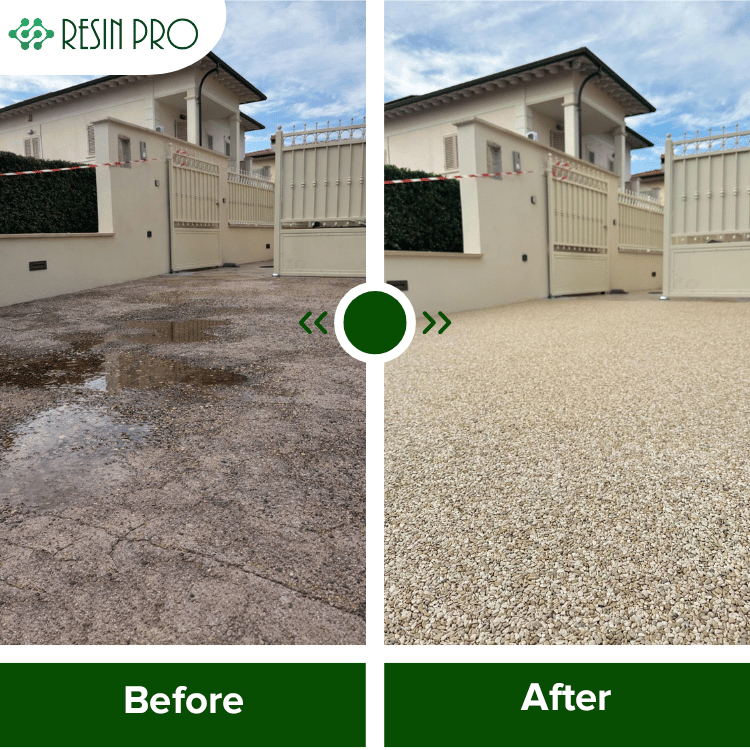
If you want to install a beautiful, long-lasting resin floor outdoors, DIY is entirely possible with the right information and materials. This guide covers every stage of making your own resin-bound floor for areas like driveways, patios, and garden paths, so you can achieve a highly durable, decorative finish without calling in contractors.
What You’ll Need
- Washed Pebbles for Permeable Floors 25kg – Outdoor Resin-Bound Surfaces: Natural pre-washed pebbles to ensure drainage and a quality finish.
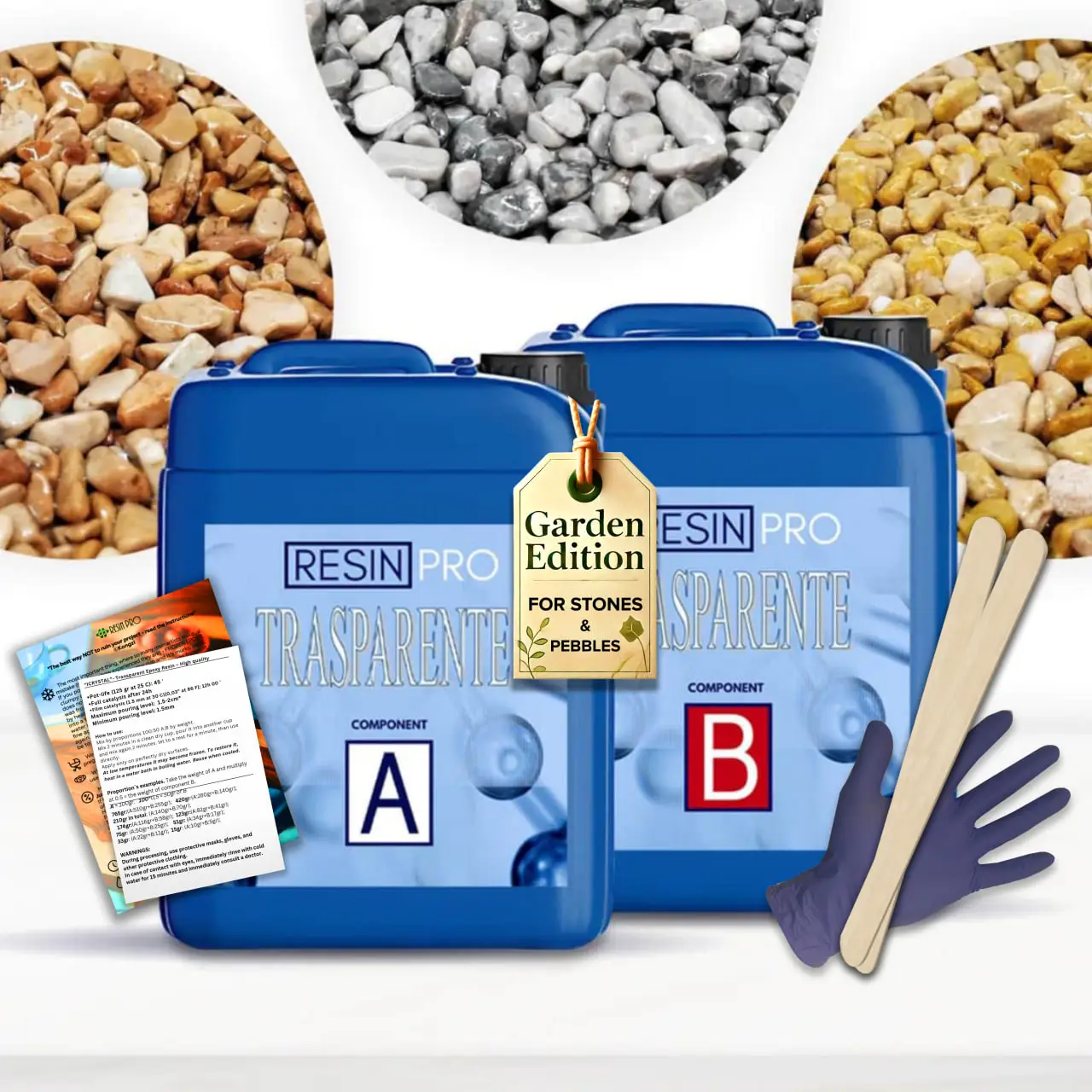
- “Trasparente” – Epoxy Binder for Coloured Pebbles and Grits: For mixing with coloured or natural-tone stones to bond the aggregate.
- “Polirock” – Polyurethane Binder for White Stones, 2kg Two-Component Kit: Use with white or very light aggregates to keep them bright and prevent yellowing.
- “Flowstone” – Complete Permeable Floor Kit with Pebbles and Resin: Contains everything required for most standard DIY installations.
- Trowel or float, protective gloves, mixing bucket, and a suitable mixing drill or cement mixer for larger areas.
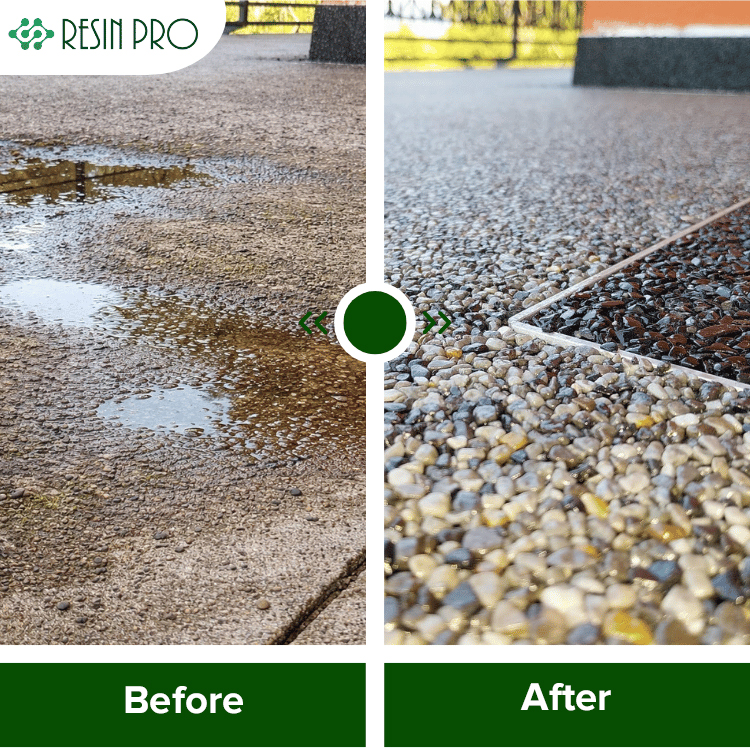
DIY Resin Floor Tools and Materials
Gathering the right materials saves time and headaches. Choose high-quality binders and properly prepped natural pebbles for lasting performance. Pay attention to aggregate colour and select the correct resin for a non-yellowing, attractive floor finish.
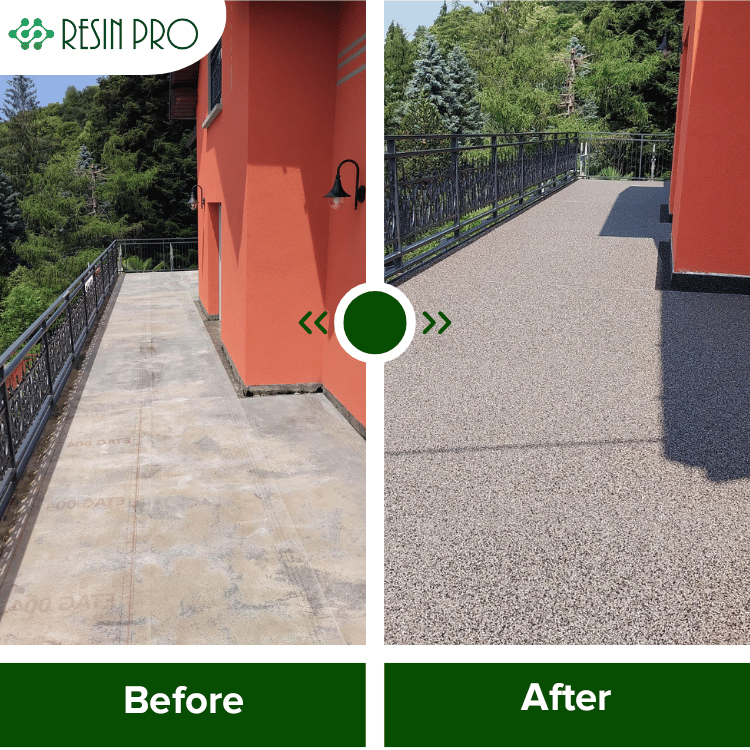
Step 1: Prepare the Surface
The base must be structurally sound, clean, dry, and free from oils or dust. Begin by removing any debris and sweeping the area thoroughly. If repairing an old substrate, fill cracks and holes with a suitable repair mortar and allow to cure fully before continuing. For optimal long-term performance, check that the surface is slightly porous to allow some bonding; power-washing may help if the base is weathered or dusty.
Preparation is key to a flawless finish: A poorly prepared surface can lead to resin detachment or uneven drainage, so do not skip this step.
Step 2: Mix Pebbles and Resin Binder
In a clean mixing bucket (or a cement mixer for larger jobs), combine the washed pebbles with your chosen resin binder. For coloured or natural-tone pebbles, use the “Trasparente” – Epoxy Binder for Coloured Pebbles and Grits. If you are using white stones or bright marble, select the “Polirock” – Polyurethane Binder for White Stones, 2kg Two-Component Kit. Measure the resin and aggregate according to the manufacturer’s guidance to ensure proper bonding and permeability.
Slowly add the resin to the aggregate, mixing thoroughly so every pebble is coated without trapping air bubbles. Work swiftly, as the binder will begin to cure after mixing. Wear gloves and a mask for safety. Mix thoroughly for even coverage: Unmixed patches can lead to weak spots or discolouration.
Step 3: Lay and Finish the Resin Floor
Pour the mixed pebbles and resin onto the prepared base. Using a trowel or float (metal or plastic, depending on your kit), spread the mix evenly to your desired thickness, typically around 15–20 mm for pedestrian areas. For driveways, slightly thicker layers provide extra durability.
Level out the surface smoothly and compact lightly to ensure all stones are bonded and the structure remains permeable to water. You can use masking tape or battens to maintain neat edges. Apply steadily for optimal results: Work in manageable sections and do not overwork the resin, as this could cause surface clouding or uneven texture.

Step 4: Curing and Aftercare
Leave the floor to cure undisturbed. Most resin-bound surfaces require at least 24–48 hours to set before light foot traffic is allowed. Keep the surface dry and shaded as much as possible during this period. If rain is forecast, protect the area with breathable sheeting.
Mind the weather for best curing: Avoid application in hot sun, frost, or on humid days above 85% humidity, as these can affect resin performance.
Tips, Common Mistakes, and Troubleshooting
Always mix and use only as much resin-aggregate as you can lay within the product’s working time. Take special care when handling white pebbles—always use a suitable polyurethane binder to avoid yellowing. Never add water or thinners. Store unused resin indoors and keep pebbles dry before use to prevent curing issues. If you notice air bubbles, gently tap the surface with the trowel to release them. For repairs on older resin-bound floors, ensure the new mix matches aggregate size and binder type with the existing area.
Maintaining Your Resin Floor
Regular care extends your resin floor’s lifespan. Keep the surface clear of soil and organic matter to maintain permeability. For deeper cleaning, use mild soap and a soft brush. Repair small chips promptly using the same resin and aggregate for a seamless fix.
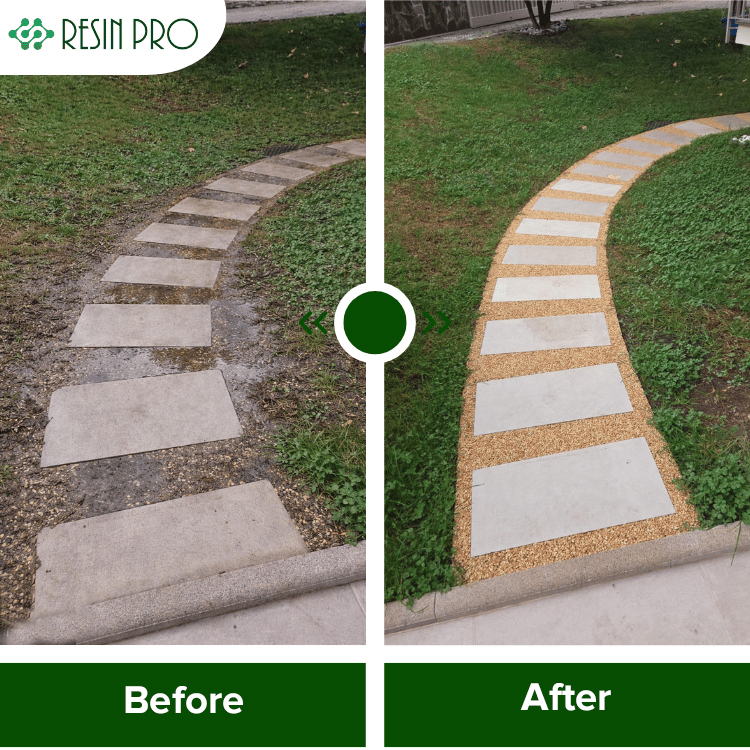
- "Flowstone" – Complete Permeable Floor Kit with Pebbles and ResinPrice range: £42.85 through £3,389.85The Flowstone kit provides a draining, permeable pebble and resin floor solution designed for outdoor spaces in the UK, with guidance for proper…
- "Trasparente" – Epoxy Binder for Coloured Pebbles and GritsPrice range: £31.85 through £948.85A transparent epoxy binder designed for coloured pebbles and grits, providing a clear finish suitable for DIY flooring projects.
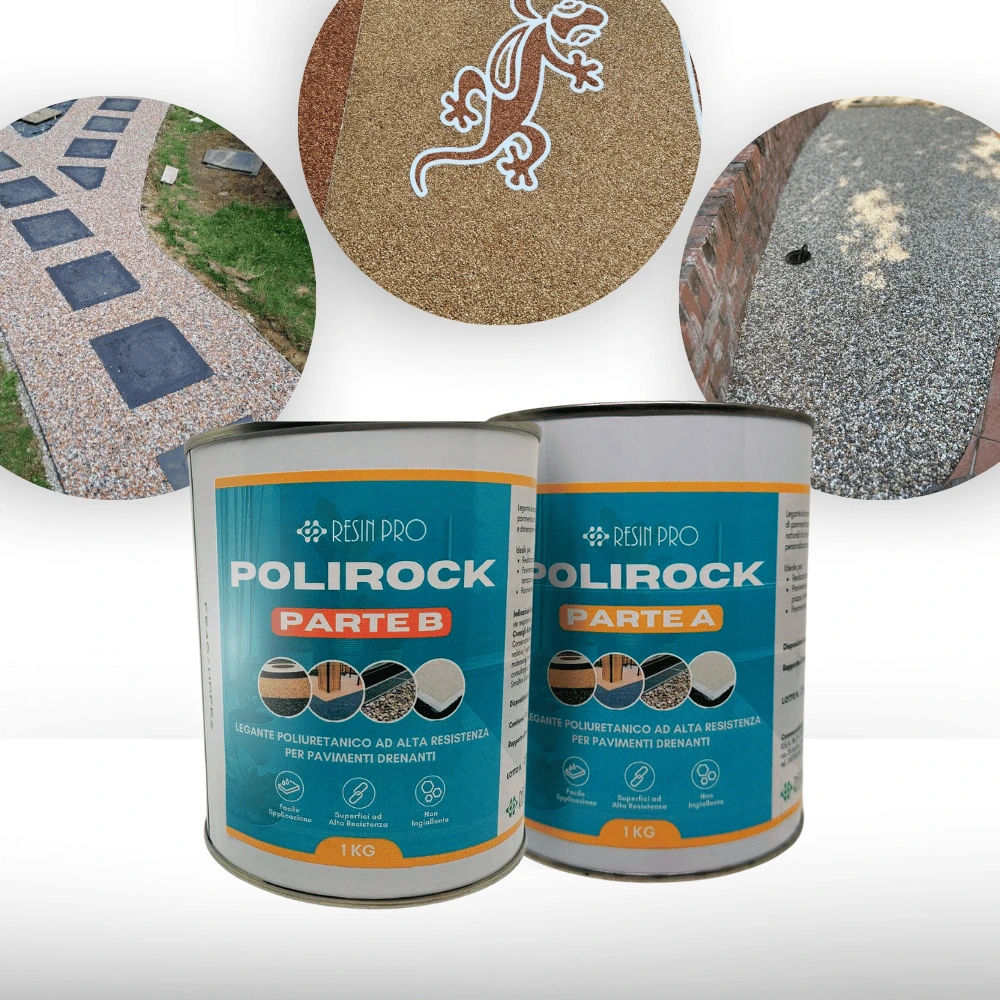 "Polirock" – Polyurethane Binder for White Stones, 2kg Two-Component Kit£58.85"Polirock" polyurethane binder is a two-component kit designed for durable, weather-resistant white stone surfaces, suitable for DIY and professional…
- Washed Pebbles for Permeable Floors 25kg – Outdoor Resin-Bound Surfaces£26.85Washed Pebbles for Permeable Floors 25kg are natural pre-washed stones suitable for permeable outdoor resin floors like patios and pathways.
Frequently Asked Questions
How should I prepare the base before pouring resin?
Ensure the surface is clean, dry, and structurally sound. Repair holes or cracks and remove any dust or oil before starting.
Which resin binder should I use for my chosen pebbles?
Use epoxy binder for coloured stones and polyurethane binder for white or bright stones to prevent yellowing.
How long does it take for a resin-bound floor to cure?
Most resin-bound floors become walkable after 24–48 hours but need several days before handling vehicles.
What weather conditions are ideal for resin application?
Apply resin on dry days between 10°C and 25°C, and avoid high humidity or direct, intense sunlight.
How can I keep my resin floor looking its best?
Sweep debris regularly and clean with mild detergent. Repair chips promptly to maintain appearance and permeability.
What if my floor has uneven spots or bubbles?
Release bubbles by tapping during laying, or lightly sand and patch small uneven areas after curing.