 Free shipping on orders over £29,85
  Shipping Tracking!


 Google
 Facebook
How to make resin rings?
Step-by-step guide for crafting stunning, personalised resin rings


Resin rings are a stunning way to express your style, offering truly unique wearable art in vibrant colours or crystal-clear finishes. Whether you’re a jewellery enthusiast, beginner maker or artist exploring new techniques, mastering resin ring making opens up a world of creative possibilities. This guide will walk you through every step of the process—from preparation to perfect finishing—so you can craft beautiful, durable resin rings at home.
What You’ll Need
- “Evershine Collection” – Artisan Jewellery Epoxy Resin Kit with 100+ Accessories
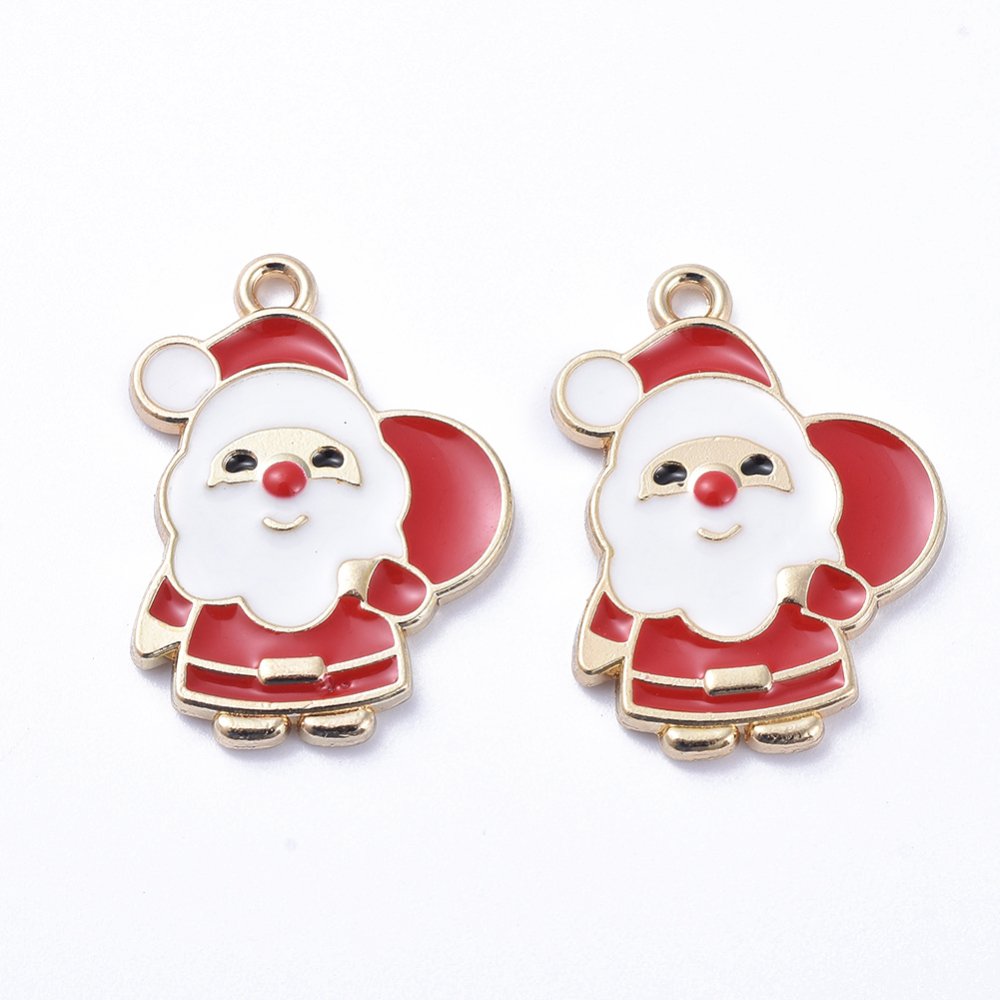
- Set of 10 Open Metal Bezels for Jewellery Making and UV Resin Projects
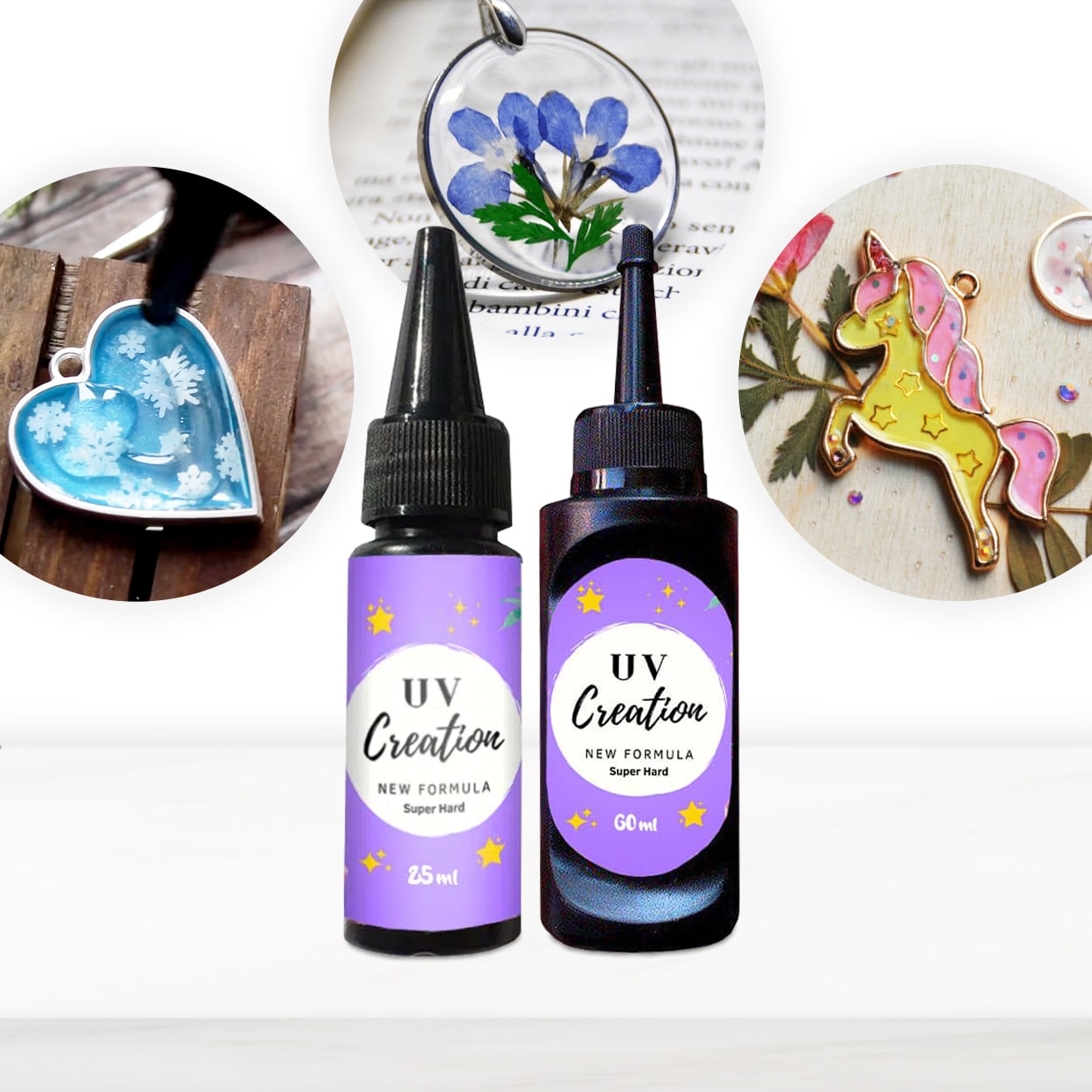
- “UV–Creation” – Fast Acrylic Resin, 3 Minute UV Cure
- “One-2-One” – Epoxy Resin for Handcraft, 1:1 Mixing Ratio
- Ring moulds or bezels (silicone preferred for easy demoulding)
- Pigments, dyes, dried flowers or glitter (optional)
- Mixing cups, stirrers and protective gloves
- UV lamp (for UV resin use)

Get Inspired: Resin Ring Making Essentials
Experiment with bold pigments and delicate inclusions to make each resin ring distinctively yours. Choose from kits like “Evershine Collection” – Artisan Jewellery Epoxy Resin Kit with 100+ Accessories for all-in-one convenience, or mix and match open bezels and fast-curing UV resin for custom results.
Step 1: Prepare Your Workspace and Moulds
A clean, organised workspace is key to professional looking resin jewellery. Lay down a protective sheet or disposable table cover and gather all of your materials. Ensure your silicone ring moulds or metal bezels are clean, dry, and free from dust—resin captures every detail, so test your moulds and bezels before adding resin by dry-fitting your desired inclusions or decorative elements. Planning your colour scheme and design at this stage prevents last-minute errors.
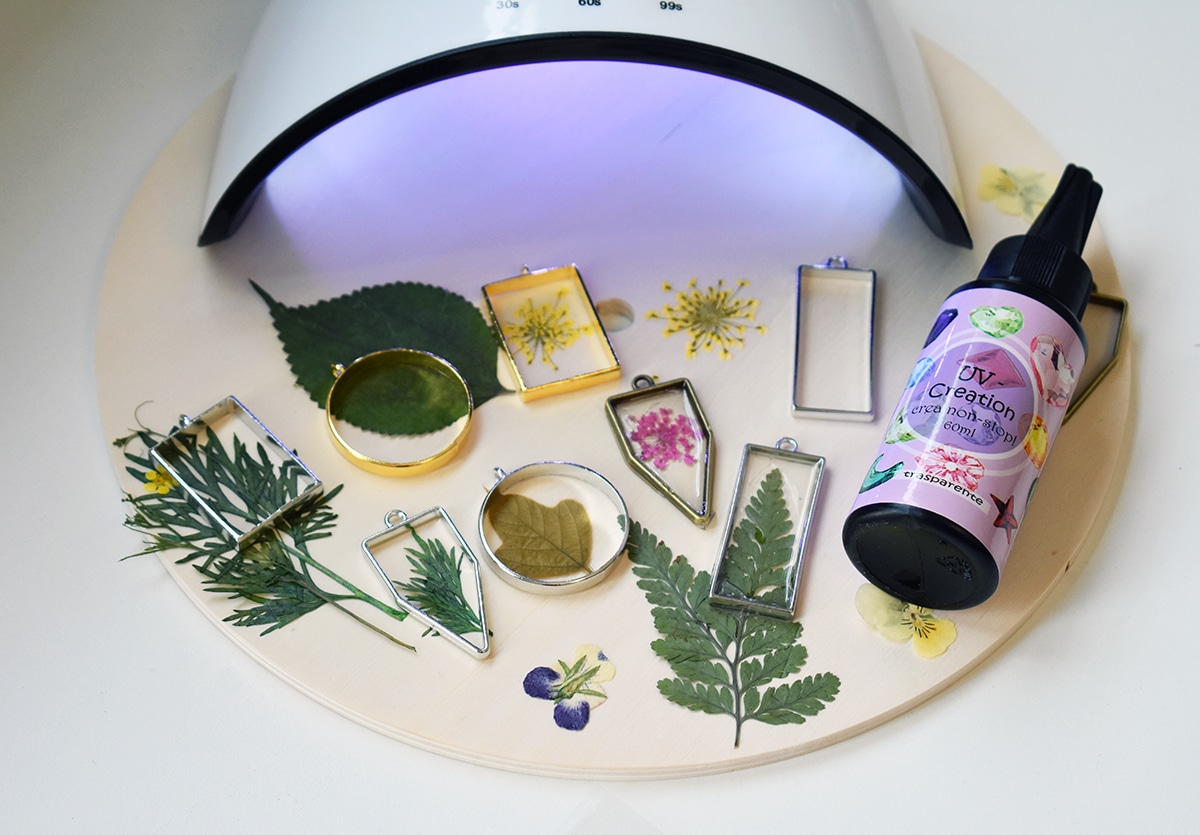
If you are using open metal bezels, such as the Set of 10 Open Metal Bezels for Jewellery Making and UV Resin Projects, seal the base of your bezel with strong tape to prevent resin leaks and allow for even layering. Give bezels and moulds a quick wipe to remove any residues.
Step 2: Measure and Mix Your Resin
Accurate measuring and thorough mixing are essential for achieving crystal-clear, bubble-free resin rings. For epoxy resin systems such as “Evershine Collection” – Artisan Jewellery Epoxy Resin Kit with 100+ Accessories or “One-2-One” – Epoxy Resin for Handcraft, 1:1 Mixing Ratio, measure equal volumes of resin and hardener as per the instructions. Mix slowly and steadily for 2–3 minutes, scraping the sides and bottom of your cup to ensure complete blending. Measure and mix resin precisely for clarity—improperly mixed resin may not cure and can appear cloudy.
If you wish to add colour or effects, incorporate pigments, glitter or dried flowers before pouring into the mould. Only a small amount of pigment is needed for vibrant results.
For UV resin options, such as “UV–Creation” – Fast Acrylic Resin, 3 Minute UV Cure, use directly from the bottle—no mixing required. You can add small inclusions and pigments prior to pouring if desired.
Step 3: Pour and Cure the Resin
With your resin mixtures ready, carefully pour into your ring mould or bezel. Pour slowly to minimise air bubbles, pausing as needed to avoid overfilling or spilling. If bubbles rise to the surface, gently pop them with a toothpick or by wafting warm air above the resin (cautiously, to avoid dust).
For epoxy-based rings, place the filled moulds in a level, undisturbed spot. Curing times can range from 12–48 hours depending on the resin—refer to your specific product for timings. Cure fully for lasting durability; removing rings too early can cause warping or fingerprints.
When using UV resin, set your mould or bezel under a UV lamp. “UV–Creation” – Fast Acrylic Resin, 3 Minute UV Cure hardens in only a few minutes. Ensure each side of the ring is evenly exposed for consistent results.
Step 4: Demould and Finish Your Rings
Once fully cured, gently flex the silicone mould or remove the tape backing from metal bezels to release your ring. Check the cured surface for rough edges or small imperfections. Sand gently with fine-grit sandpaper if necessary to smooth edges and enhance comfort.
If your ring includes a bezel or needs extra shine, polish the surface with a soft cloth or use the included finishing accessories from the “Evershine Collection” – Artisan Jewellery Epoxy Resin Kit with 100+ Accessories. Add decorative findings or attach additional elements as desired to transform your resin ring into a personalised statement piece.
Tips and Troubleshooting for Perfect Resin Rings
Work in a dust-free environment to avoid particles settling in fresh resin. If bubbles persist, use a heat gun or fine torch briefly, keeping it moving to prevent burning or shrinking. For best clarity, pour resin in thin layers and allow each to cure before adding more inclusions.
Common issues include sticky or cloudy rings, which often result from improper mixing or inadequate curing. Always double-check measurements, mix slowly and patiently, and consult your resin product instructions for ideal curing conditions.
Finishing Touches for Flawless Resin Jewellery
Try sanding gently and polishing with included tools to achieve smooth, professional edges. Embellish with findings or metallic leaf for a touch of luxury. Secure attachments with strong, clear-drying glue recommended for jewellery making.

- "Evershine Collection" – Artisan Jewellery Epoxy Resin Kit with 100+ Accessories£20.85"Evershine Collection" is an all-in-one 1:1 epoxy resin kit designed for jewellery makers and craft enthusiasts, suitable for creative resin ring…
- Set of 10 Open Metal Bezels for Jewellery Making and UV Resin ProjectsOriginal price was: £8.45.£6.85Current price is: £6.85.Set of 10 open metal bezels suitable for creative resin ring makers and jewellery projects with a seasonal design focus.
- "UV–Creation" – Fast Acrylic Resin, 3 Minute UV CurePrice range: £7.85 through £59.85"UV–Creation" is a fast curing acrylic resin suited for jewellery making with a clear, glossy, non-yellowing finish.
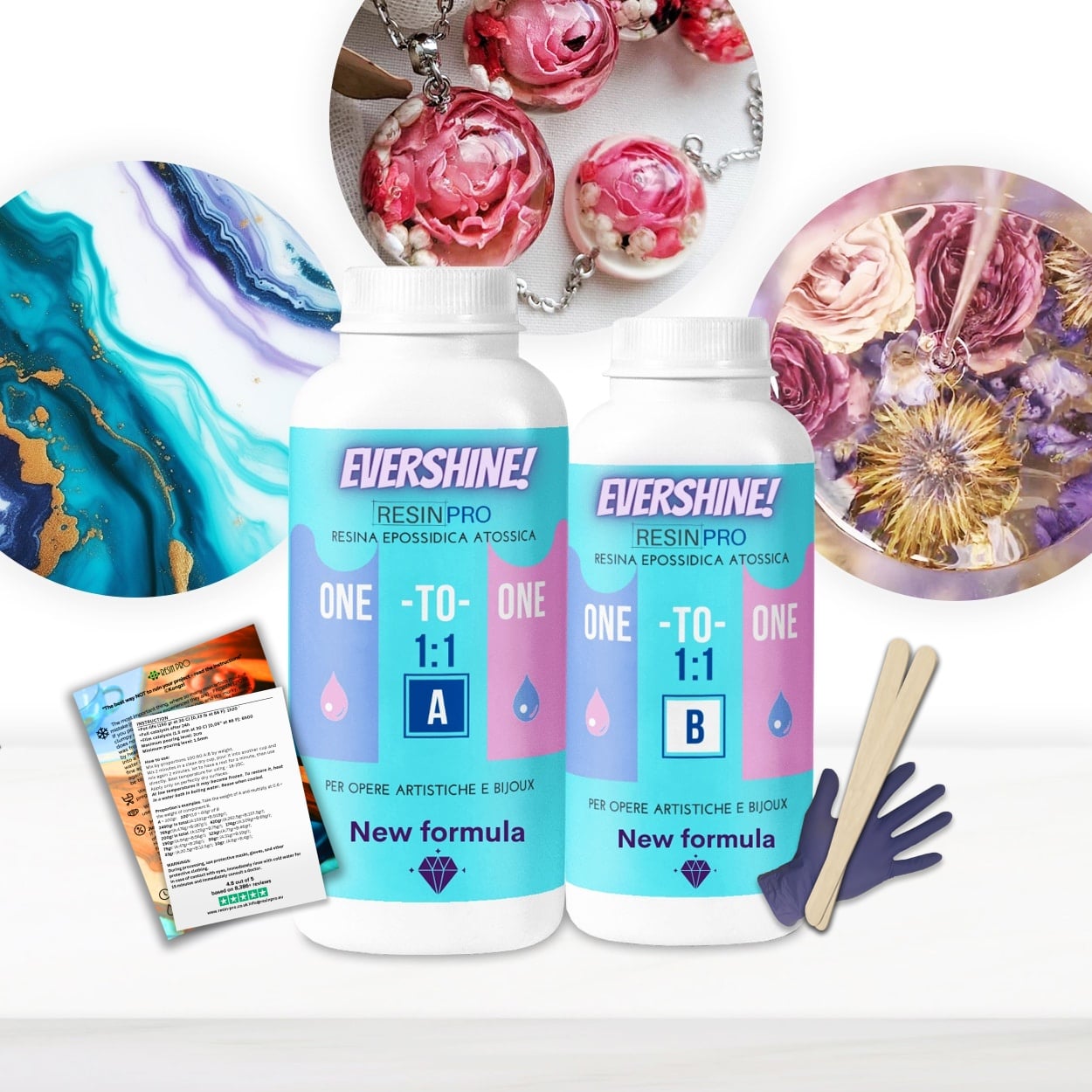 "One-2-One" – Epoxy Resin for Handcraft, 1:1 Mixing RatioPrice range: £14.85 through £56.85"One-2-One" epoxy resin is a medium viscosity product with a 1:1 mixing ratio, suitable for jewellery and decorative projects.
Frequently Asked Questions
Is epoxy or UV resin better for making rings?
Epoxy resin is ideal for durable, thick rings and a glass-like finish, while UV resin offers speedier results and is perfect for small, detailed pieces.
Why is my resin ring sticky or not cured?
Sticky resin is usually caused by incorrect mixing or insufficient curing time. Follow your product's instructions closely for best results.
How can I prevent or remove bubbles in my resin rings?
Mix slowly and pour gradually. Use a heat gun or breath gently over the resin surface to release trapped air before curing.
What moulds should I use for resin rings?
Silicone ring moulds are preferred for easy demoulding and smooth results. Metal bezels are great for open designs and feature settings.
How do I safely sand or finish resin rings?
Use fine-grit sandpaper under running water and wear a mask to avoid inhaling dust. Polish with a soft cloth for a high-gloss finish.
Can I add flowers, glitter, or foil to resin rings?
Yes, embed dried flowers, glitter or gold leaf before curing for a personalised effect. Ensure inclusions are dry and placed carefully.