 Free shipping on orders over £29,85
  Shipping Tracking!


 Google
 Facebook
How to reinforce a balcony with resin?
Effective steps for structural balcony reinforcement and surface durability.

Is your balcony in need of structural strengthening, or do you want to prevent surface wear and tear? Reinforcing a balcony with resin is an effective solution to increase its durability, enhance safety, and provide weather resistance. This guide takes you through the essential steps for a resilient resin-reinforced balcony, whether you are working with concrete, screed, tiles, or stone aggregates.
What You’ll Need
- “Epoxyprimer” – Universal Water-Based Two-Component Epoxy Floor Primer: Prepares concrete, wood, tiles, or screeds for the subsequent resin layers, ensuring reliable adhesion.
- “Carbon Resin” – Epoxy Resin for Carbon Fiber & Fiberglass Coating: Suitable when reinforcing the balcony with technical fabric layers for additional structural integrity.
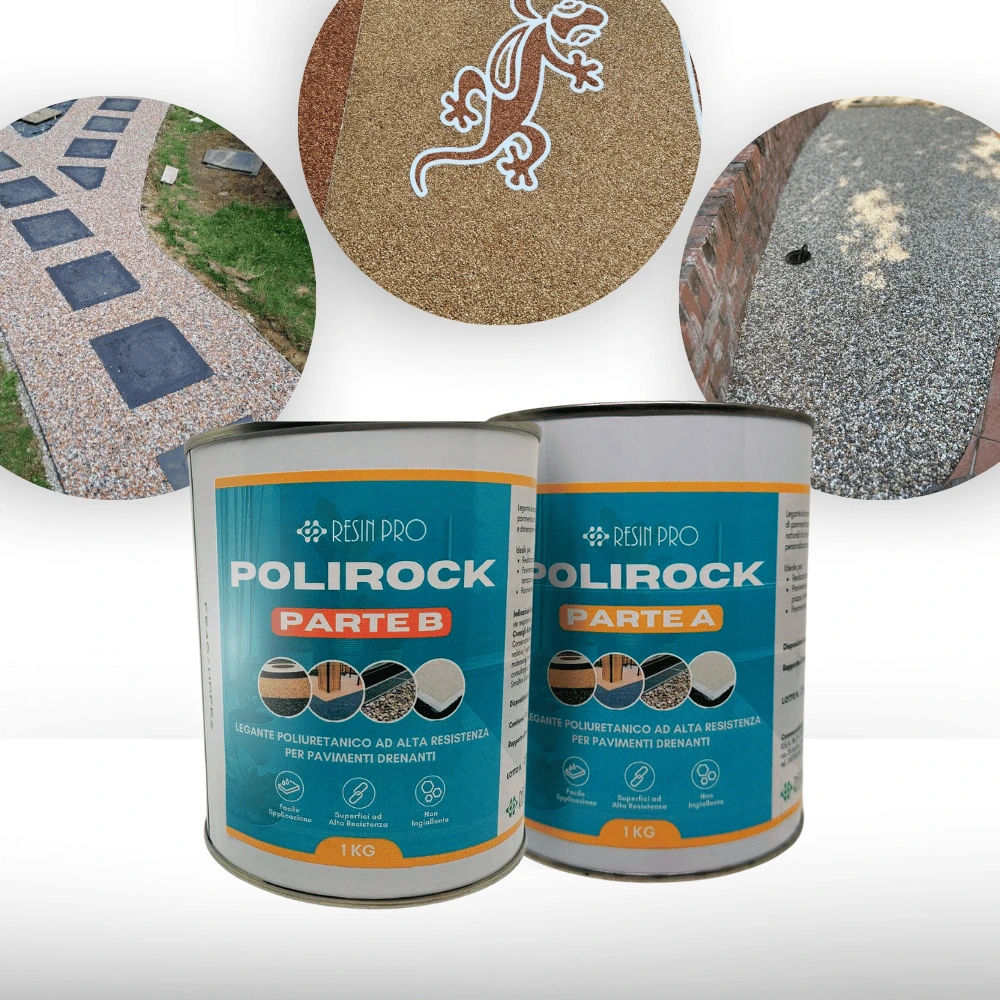
- “Polirock” – Polyurethane Binder for White Stones, 2kg Two-Component Kit: For outdoor balconies designed with permeable and decorative stone surfaces, offering weather resistance.
- “Trasparente” – Epoxy Binder for Coloured Pebbles and Grits: Ideal for binding coloured aggregate floors that require a durable, UV-resistant, and clear finish.
- Protective gloves, mask, and safety glasses
- Mixing tools, brushes, rollers, or spatulas
- Technical fabric (carbon fibre or fibreglass) if required for structural reinforcement
- Clean, dry aggregates (pebbles, stones, or grits) for decorative surfacing
- Cleaning supplies for surface preparation (detergent, cloths)

Visualising Balcony Preparation and Priming
See how a clean, dry surface coupled with even primer application forms the foundation for a successful resin-reinforced balcony. Observe the difference proper preparation makes before applying any resin products.

Step 1: Clean and Prepare the Balcony Surface
Start by thoroughly cleaning your balcony. Remove any dust, debris, or loose surface particles using a broom and a suitable detergent. Any existing coatings, oils, or contaminants must be eliminated to ensure strong adhesion of the resin products. After washing, allow the area to fully dry. Check for cracks or damaged zones, repairing them with compatible fillers or mortar before proceeding. A smooth, dry, and stable substrate is critical for the following steps.
Step 2: Apply an Epoxy Primer for Adhesion
To ensure the subsequent resin or binder correctly adheres to the substrate, apply a high-quality epoxy primer. This is especially important for surfaces such as concrete, screed, tiles, or timber. Use a roller, brush, or spatula for even application. The primer must be evenly distributed, working it into any pores or surface irregularities for optimal adhesion.
For this step, “Epoxyprimer” – Universal Water-Based Two-Component Epoxy Floor Primer is designed for use on a wide range of stable substrates and ensures strong bonding for long-lasting results. Allow the primer to cure for at least 24 to 48 hours, depending on environmental conditions.
Step 3: Structural Reinforcement with Resin and Technical Fabrics (If Needed)
If your balcony requires extra structural support—such as to address hairline cracks or to fortify ageing surfaces—you can apply a reinforcing mesh layer. Lay down carbon fibre or fibreglass fabric over the primed surface, ensuring good coverage and smooth application. Mix your epoxy resin thoroughly and pour or brush it to fully impregnate the fabric, removing any bubbles and ensuring even saturation.
For this purpose, “Carbon Resin” – Epoxy Resin for Carbon Fiber & Fiberglass Coating is a suitable choice, providing structural integrity and durability. Allow the resin system to cure as per the manufacturer’s recommendations, maintaining suitable ventilation and protection from weather conditions.

Step 4: Create a Durable and Decorative Surface Finish
After reinforcement, you may wish to create a decorative yet robust surface layer using pebbles, coloured grits, or white stones. Mix the selected aggregate thoroughly with a clear binder according to product guidelines. Pour and spread the resin-stone mixture evenly across the surface, ensuring a level finish and proper compaction.
If using white stones, “Polirock” – Polyurethane Binder for White Stones, 2kg Two-Component Kit binds the aggregate while maintaining UV stability and anti-slip properties. For coloured pebble floors, “Trasparente” – Epoxy Binder for Coloured Pebbles and Grits delivers a clear, non-yellowing finish, ideal for long-term outdoor aesthetics. Allow the final surface to cure as specified, typically 24–48 hours before pedestrian use.

Tips and Common Mistakes When Reinforcing Balconies with Resin
Always measure and mix resins accurately to prevent defective curing. Ensure surfaces are completely dry before resin application to avoid trapped moisture, which can affect adhesion and longevity. Protect newly applied resin from rain or direct sunlight until fully cured. Avoid overly thick applications, which may cause bubbling or incomplete hardening. When working with aggregates, select clean, dry materials for best results and uniform resin coverage.
Examples of Resin-Strengthened Balcony Surfaces
Explore project images featuring technical fabric reinforcement, decorative pebble coatings, and weather-resistant stone binders. Notice the quality and uniformity achievable with the recommended resin systems.

- "Carbon Resin" – Epoxy Resin for Carbon Fiber & Fiberglass CoatingPrice range: £18.85 through £35.85Epoxy resin designed for carbon fibre and fibreglass projects, offering bubble-free impregnation and a glossy finish suitable for balcony…
- "Epoxyprimer" – Universal Water-Based Two-Component Epoxy Floor PrimerPrice range: £148.84 through £272.45"Epoxyprimer" provides a water-based floor primer for strong adhesion on concrete, wood, tiles and screeds, fitting the balcony reinforcement theme.
- "Polirock" – Polyurethane Binder for White Stones, 2kg Two-Component Kit£58.85POLIROCK is a two-component polyurethane binder for white stones, suitable for creating durable, weather-resistant, and permeable outdoor surfaces.
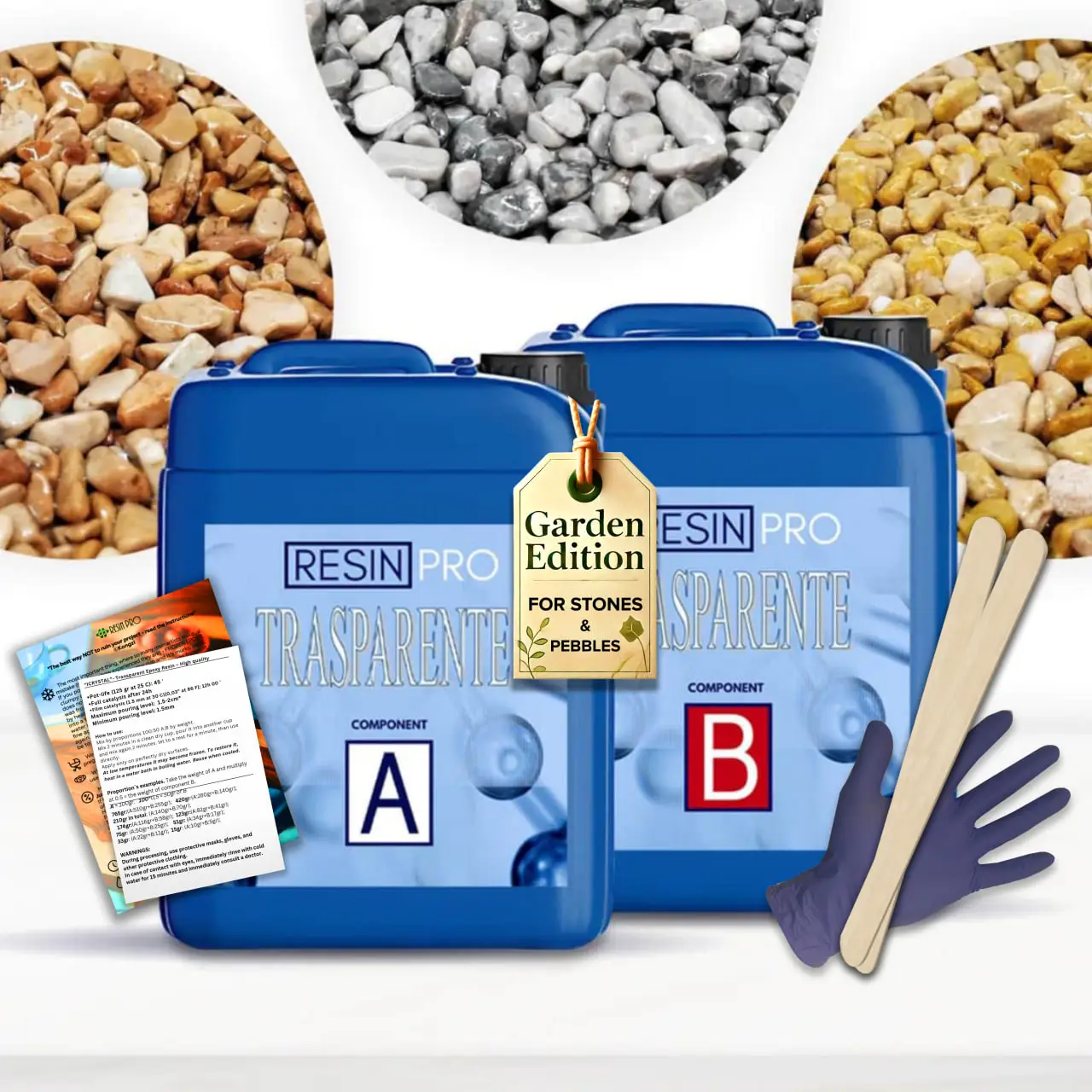 "Trasparente" – Epoxy Binder for Coloured Pebbles and GritsPrice range: £31.85 through £948.85"Trasparente" is a transparent epoxy binder designed for coloured pebbles and grits, suitable for creating durable decorative pebble floors.
Frequently Asked Questions
What are the benefits of using an epoxy primer before reinforcing my balcony with resin?
Epoxy primer improves adhesion of further resin layers, ensures a more durable bond, and reduces the risk of coating failure.
Do I always need to use carbon fibre or fibreglass mesh when reinforcing a balcony?
Use technical fabrics only if extra structural strength or crack prevention is needed; general surface reinforcement may not require fabric.
How long does resin take to cure when reinforcing a balcony?
Cure times vary; most primers and binders need 24–48 hours for full strength before exposure to weather or use.
Should I use "Polirock" or "Trasparente" binder for a pebble surface on my balcony?
"Polirock" suits white stones requiring UV resistance; "Trasparente" is best for coloured and dark aggregate floors.
Is it safe to walk on a balcony reinforced with resin and aggregates?
Yes, once fully cured, resin-reinforced balcony surfaces are safe for pedestrian use; some systems also provide anti-slip properties.
Will the resin system hold up under rain and sunlight?
Resins like "Polirock" and "Trasparente" are formulated for UV and weather resistance, making them durable outdoors when used as directed.
What types of aggregates work best for decorative resin balcony finishes?
Choose clean, dry stones, pebbles, or coloured grits compatible with the binder and desired surface colour for lasting, attractive results.