 Free shipping on orders over £29,85
  Shipping Tracking!


 Google
 Facebook
How to correct the slope of an outdoor floor with resin?
Achieve level outdoor surfaces with proper resin application and drainage.

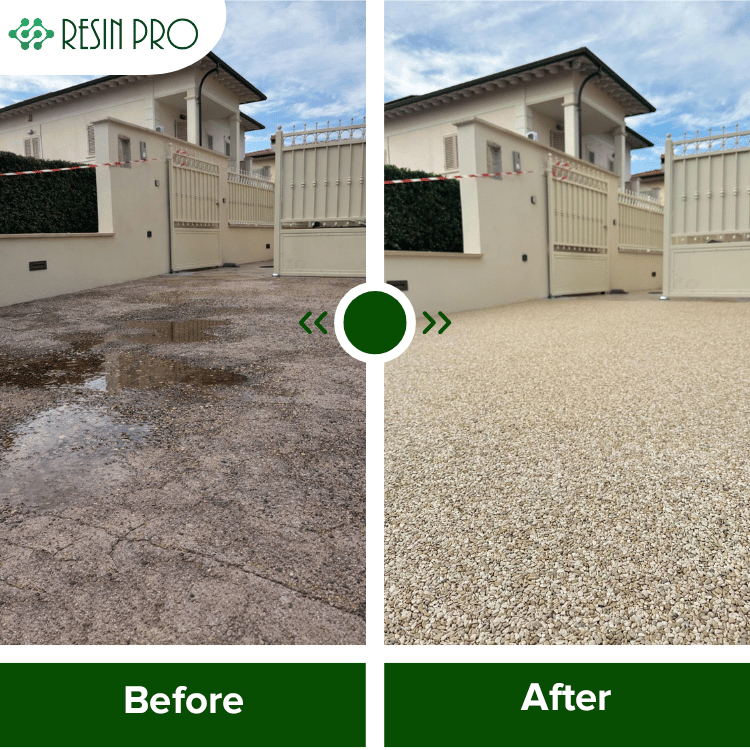
If you have an outdoor area where poor surface slope is causing puddling or drainage issues, correcting the gradient with a resin-bound system is a practical and durable solution. This guide walks you through each stage, from preparing the substrate to achieving a properly levelled and draining resin-bound surface suitable for UK driveways, patios, and walkways.
What You’ll Need
- “Epoxyprimer” – Universal Water-Based Two-Component Epoxy Floor Primer – for preparing and sealing the base surface.
- “Flowstone” – Complete Permeable Floor Kit with Pebbles and Resin – a ready-to-use system for building a new resin-bound, draining layer.
- “Trasparente” – Epoxy Binder for Coloured Pebbles and Grits – for mixing with coloured aggregates when correcting the top layer or adding decorative finishes.
- “Polirock” – Polyurethane Binder for White Stones, 2kg Two-Component Kit – ideal when using white or light-coloured stones in your new surface.
- Mixing paddle or cement mixer
- Levelling tools (straight edge, spirit level, trowel)
- Personal protective equipment (gloves, mask, eye protection)
- Clean buckets, rollers, and brushes for application

Gallery and Visual Step Guide
See real-life projects and example surfaces corrected with permeable resin systems. Visualise the transformation of outdoor areas, from poor drainage and uneven substrates to safe, attractive, and long-lasting finishes. Browse detail shots to understand ideal texture and compaction at each stage.
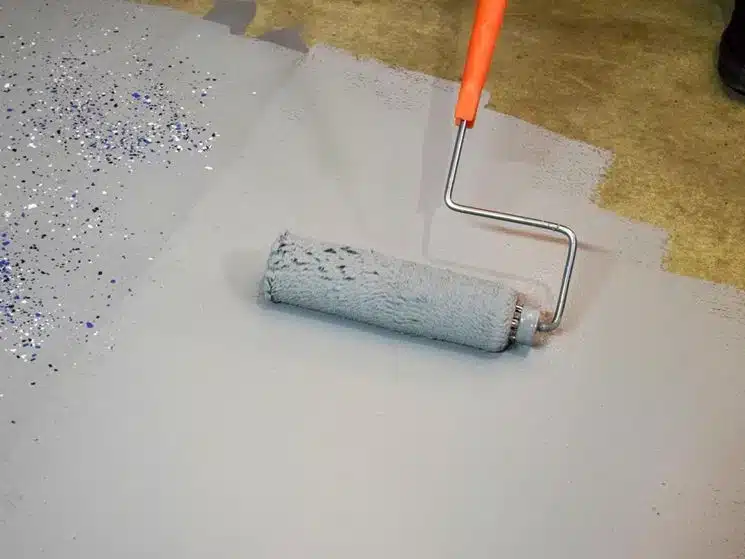
Step 1: Assess and Prepare the Existing Surface
Begin by inspecting the area to identify any drainage issues or uneven spots. If the original floor has cracks, loose patches, or significant instability, remedy these before proceeding. Clean away all loose debris, dirt, algae or moss, and allow the surface to fully dry. Removal of old coatings, oil spots, and dust ensures the new layers adhere firmly. For best adhesion to concrete, tiles, screeds, or timber, a suitable primer is recommended to seal the substrate and prevent moisture ingress.
At this stage, applying “Epoxyprimer” – Universal Water-Based Two-Component Epoxy Floor Primer will unify absorbency and ensure the resin system bonds evenly, especially on porous or mixed materials. Allow the primer to cure according to the manufacturer’s instructions before continuing.
Step 2: Plan and Set the Correct Slope
Establish the slope direction to channel water away from structures and towards drains or garden beds. Outdoor surfaces typically require a gradient of 1-2% (1–2 cm drop per metre) for effective water runoff. Use a long spirit level, straight edge, and marking tools to map out the high and low points. Set up temporary guides or boards if necessary to define the intended finish height and fall. Levelling compound alone will not provide long-term durability outdoors, so the bulk of slope correction should be constructed using the resin-bound layer itself.
Step 3: Mix and Lay the Resin Aggregate Layer
To build the new draining and levelled surface, use a complete resin-bound flooring system. Mix the chosen resin binder thoroughly with clean, dry aggregate in a paddle mixer or cement mixer, following the supplier’s specified ratios. If using vibrant or dark decorative stones, select a UV-resistant binder for best long-term appearance.
When installing a permeable finish, “Flowstone” – Complete Permeable Floor Kit with Pebbles and Resin provides all materials and guidance needed to create a high-performance, water-draining floor designed to comply with UK weather demands. Spread the mix evenly, using a trowel to work the aggregate into place along your slope guides. Work in manageable sections and compact the mixture gently for structural strength.
For areas with fine or coloured aggregates, “Trasparente” – Epoxy Binder for Coloured Pebbles and Grits is well-suited to maintain colour fidelity and enhance the clarity of the surface. Use “Polirock” – Polyurethane Binder for White Stones, 2kg Two-Component Kit when your design calls for brilliant white or light stone finishes, ensuring no yellowing occurs over time.
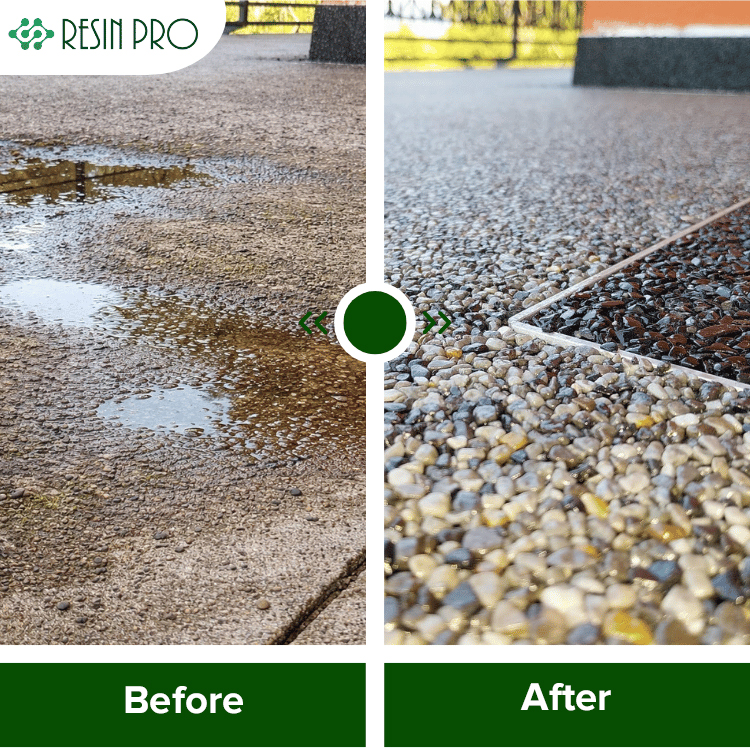
Step 4: Level, Trowel, and Cure the Surface
While the resin-aggregate mix is still workable, use a steel trowel or float to create a smooth, even surface with the correct fall. Check progress regularly with a straight edge and level to avoid low spots or puddle-prone dips. Slightly overfill and compact the mix to account for settlement during curing.
Allow the completed surface to cure and harden fully according to the resin system’s guide—typically 24–48 hours before foot traffic. Avoid introducing water or heavy loads before complete cure to guarantee maximum durability and drainage performance.
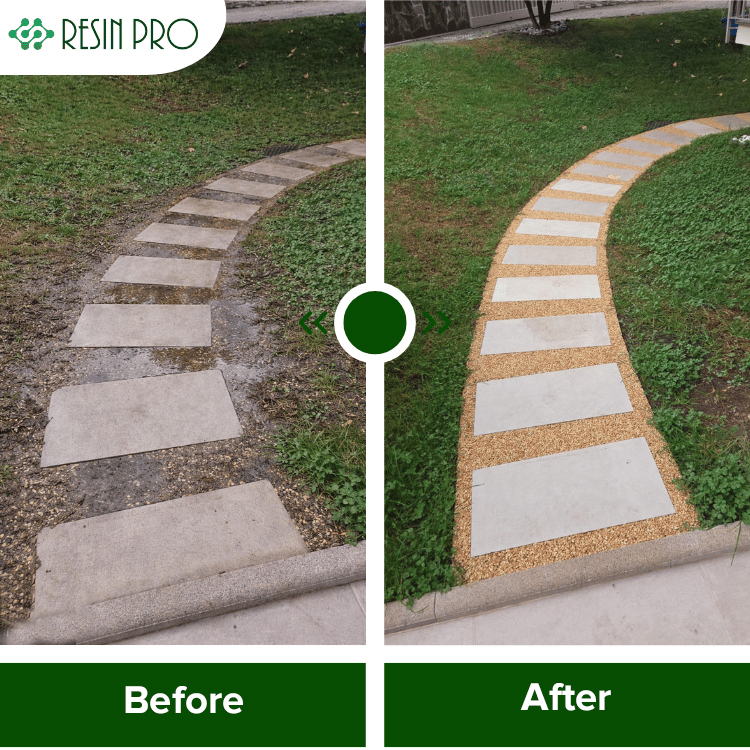
Tips, Common Mistakes, and Troubleshooting
Consistent mixing is vital—insufficient blending leads to weak or patchy areas. Always measure resin and aggregate accurately by weight. Work within pot life, as resin components set rapidly once mixed, so lay in sections you can complete promptly. Avoid application in poor weather: rain or high humidity compromises bonding and curing. For best results, install in mild, dry conditions and avoid direct midday sunlight. If you spot low spots or unevenness before full cure, carefully adjust while the mix is workable. After curing, minor repairs can be made with locally mixed resin-aggregate blends.
Advanced Surface Correction Tips
For larger or heavily sloped outdoor areas, professional screeding tools or a laser level can help maintain precise gradients. Consider combining different aggregates or adding edging strips for a custom look. Consult our technical team for challenging project specifics.

- "Epoxyprimer" – Universal Water-Based Two-Component Epoxy Floor PrimerPrice range: £148.84 through £272.45Epoxyprimer is a water-based epoxy floor primer suitable for concrete, tiles, screeds, and timber surfaces with simple application methods.
- "Flowstone" – Complete Permeable Floor Kit with Pebbles and ResinPrice range: £42.85 through £3,389.85Flowstone is a durable, permeable pebble and resin kit designed for outdoor driveways and patios with step-by-step application guidance.
 "Trasparente" – Epoxy Binder for Coloured Pebbles and GritsPrice range: £31.85 through £948.85"Trasparente" is a transparent epoxy binder designed for coloured pebbles and grits, offering a clear, UV-stable finish for outdoor surfaces.
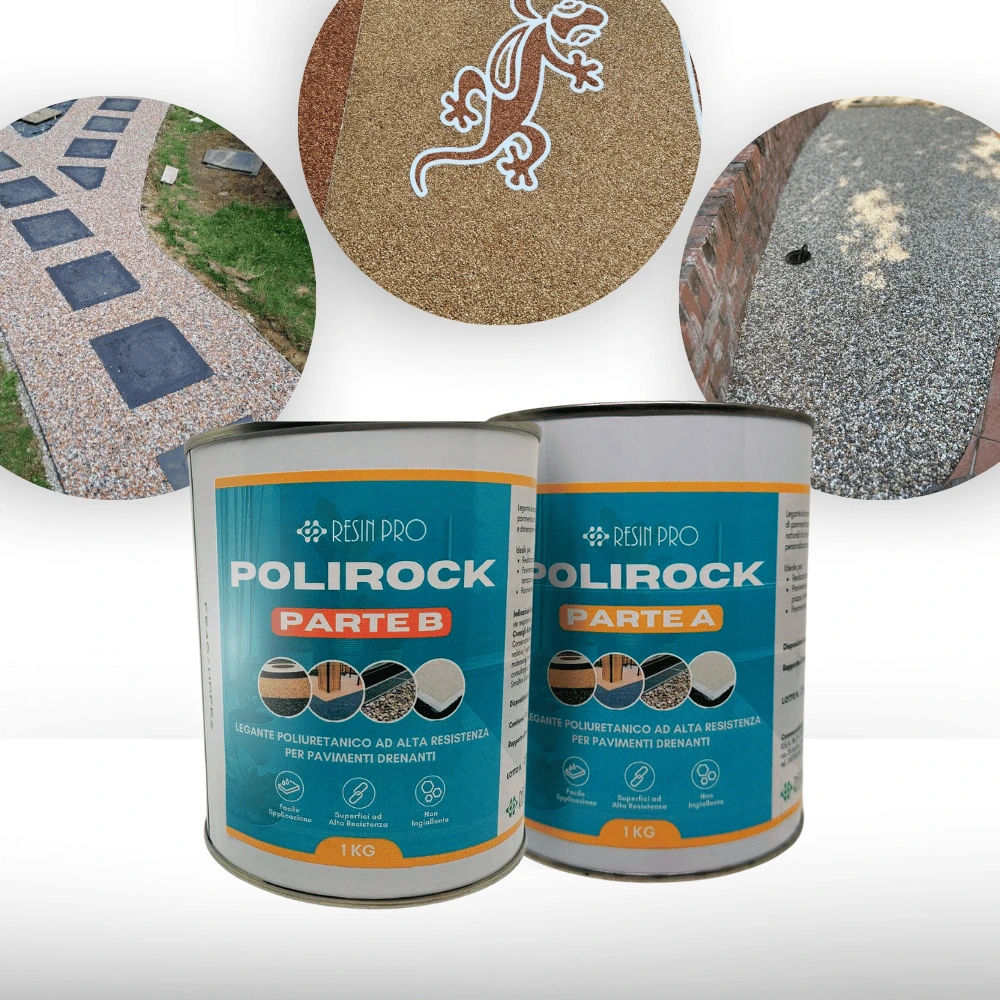 "Polirock" – Polyurethane Binder for White Stones, 2kg Two-Component Kit£58.85"Polirock" polyurethane binder is suitable for durable, weather-resistant outdoor stone surfaces, supporting safe and personalised finishes.
Frequently Asked Questions
How long does the resin system take to cure outdoors?
Most systems need 24–48 hours for complete curing, but foot traffic may be possible after 10–12 hours, depending on product and weather.
Which binder is best for white or coloured stones?
For white stones, use a non-yellowing polyurethane binder. For coloured or dark stones, select a UV-stable epoxy binder for clear, long-lasting results.
What substrates can I apply a resin system onto?
Resin-bound systems adhere to stable concrete, screed, tiles and timber. Porous or mixed substrates should be primed before resin application.
Does the slope affect resin floor drainage?
Yes, a correct slope ensures water drains away from structures. Aim for a 1–2% gradient to prevent puddling on outdoor resin-bound floors.
Can I install a resin floor in wet or cold weather?
Avoid application in damp, rainy or very cold weather as moisture affects bonding and curing. Wait until conditions are dry and mild for best results.
How do I repair small dips after installation?
Minor dips or defects can be patched using locally mixed resin and matching aggregate, but always let the floor cure first before repairs.