 Free shipping on orders over £29,85
  Shipping Tracking!


 Google
 Facebook
How do you make resin floors?
A practical overview for installing resilient resin flooring

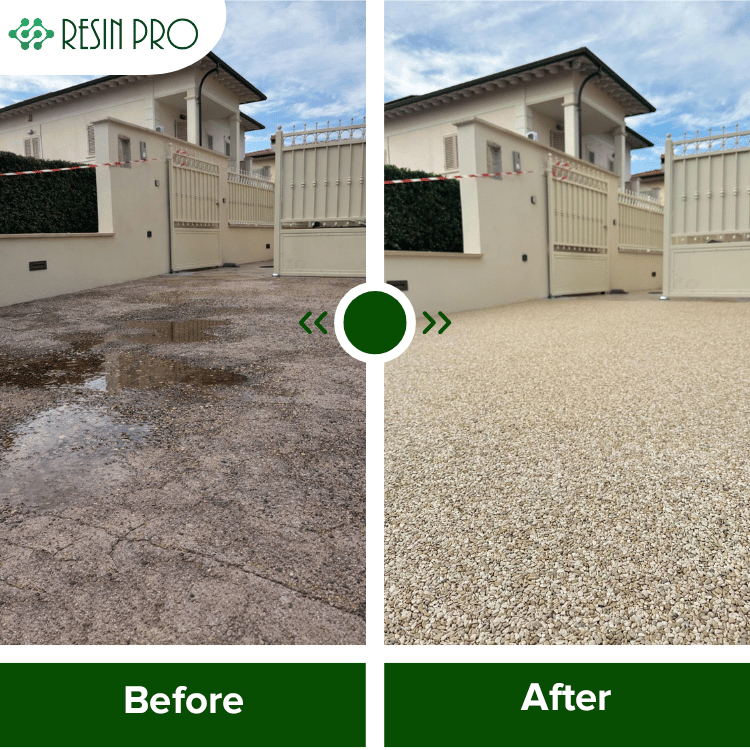
If you want to create practical, durable, and visually appealing resin floors for your home, driveway, or outdoor areas, this guide covers what you need to know. Whether you’re a DIY enthusiast or a professional, we’ll break down the key products and choices involved when installing resin-bound flooring systems, including the main types of resin and binder suitable for UK environments.
Resin Flooring Solutions Compared
Resin floors are valued for their seamless finish, permeability, and resistance to weathering. Choosing the right materials depends on the surface you want to cover, whether you need water drainage, and the desired appearance. Permeable solutions with pebble and stone provide anti-slip and decorative surfaces, while different binders ensure lasting colour and structural strength. Primers are necessary for maximum adhesion, especially on concrete or screed. Kits offer streamlined installation, while specialist resins and polyurethane binders cater to both coloured and white aggregates. The main distinctions are:
- Choice of binder: epoxy (for coloured aggregates) or polyurethane (essential for white stones)
- Surface type and preparation: many solutions require a primer, especially for concrete substrates
- Finish required: permeable and decorative, or more functional for heavy use
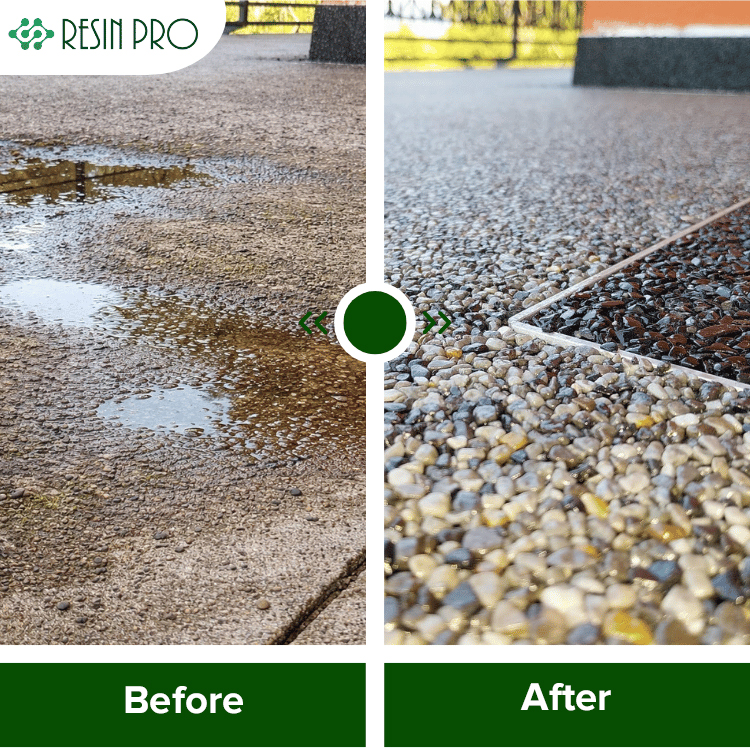
Visual Inspiration: Resin Floor Finishes
View completed projects and a close-up look at various resin-bound surfaces for outdoor spaces. See how different binders and aggregates affect the overall look and performance, helping you visualise your forthcoming resin floor project.
“Flowstone” – Complete Permeable Floor Kit with Pebbles and Resin
The “Flowstone” – Complete Permeable Floor Kit with Pebbles and Resin is an ideal choice if you’re looking for a comprehensive system. This kit provides all you need to create a continuous, draining pebble surface—excellent for driveways, paths, and patios prone to heavy rain. The kit includes your choice of aggregates, clear guidance on selecting the correct binder, and allows for easy customisation of colour and grain size. It’s best suited for those who want a permeable, anti-slip finish that resists puddles and frost while enhancing the look of any outdoor space. Simple application makes it suitable even for beginners.
“Trasparente” – Epoxy Binder for Coloured Pebbles and Grits
For projects focusing on coloured or dark aggregates, the “Trasparente” – Epoxy Binder for Coloured Pebbles and Grits delivers a crystal-clear, UV-resistant finish. This two-part system is formulated to prevent yellowing and maintain vibrancy, making it superb for decorative permeable surfaces. Its low viscosity means it is quickly absorbed by pebbles and grits for excellent binding. Certified non-toxic after curing, this binder suits both DIY and professional applications aiming for clarity and visual impact.
“Polirock” – Polyurethane Binder for White Stones
If you desire a bright, long-lasting finish with white or natural stones, “Polirock” – Polyurethane Binder for White Stones, 2kg Two-Component Kit is your go-to product. This two-component polyurethane binder is engineered for weather resistance, anti-slip safety, and clear appearance over time—key for showcasing white stones without yellowing. The permeable nature ensures safety in wet weather, and its strength makes it suitable for pedestrian and vehicular applications alike.
“Epoxyprimer” – Universal Water-Based Two-Component Epoxy Floor Primer
Good adhesion is essential for any resin floor system. The “Epoxyprimer” – Universal Water-Based Two-Component Epoxy Floor Primer lays the foundation for a long-lasting surface by maximising bonding between your substrate and the epoxy or polyurethane resin above. Safe for various surfaces including concrete, tiles, screed, or timber, this eco-friendly primer ensures an even, durable finish while being low odour and easy to apply.
Tips for Successful Resin Floor Installation
Correct preparation is key—always prime surfaces, follow the supplied ratios for mixing resin with aggregates, and work within the advised temperature range. For white stones, use only polyurethane binders to avoid discolouration. When aiming for permeable flooring, use suitable crushed pebble and resin systems, ensuring thorough mixing for optimal drainage. Take time spreading the mix evenly, and avoid overloading any area, as this may compromise performance and finish.
Expert Advice for Resin Floor Projects
Plan ahead with the right surface preparation, product selection and temperature awareness. The proper pairing of primer and binder ensures lasting, resilient results throughout all UK seasons.
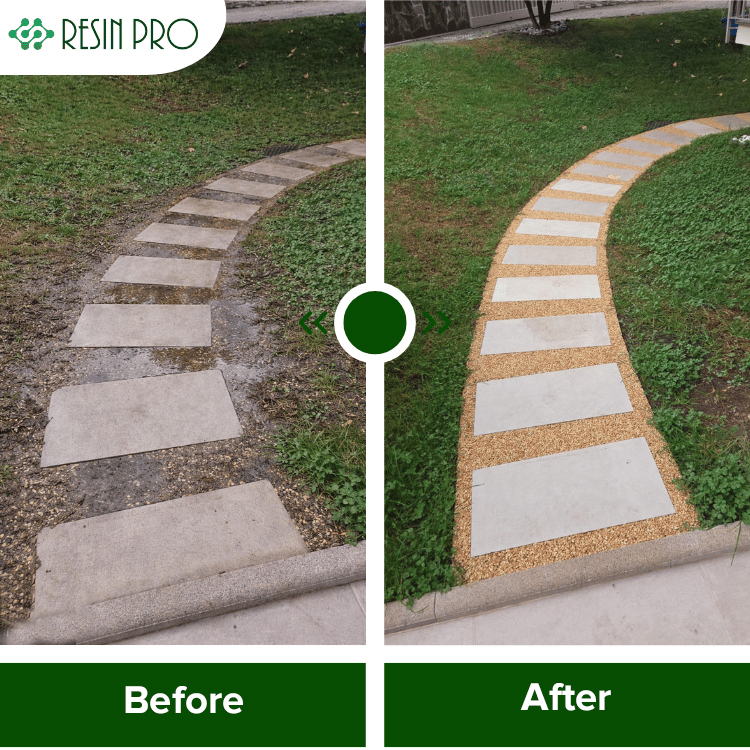
- "Flowstone" – Complete Permeable Floor Kit with Pebbles and ResinPrice range: £42.85 through £3,389.85"Flowstone" offers a permeable pebble and resin floor kit for outdoor areas in the UK, with guidance on resin use for lasting colour and simple…
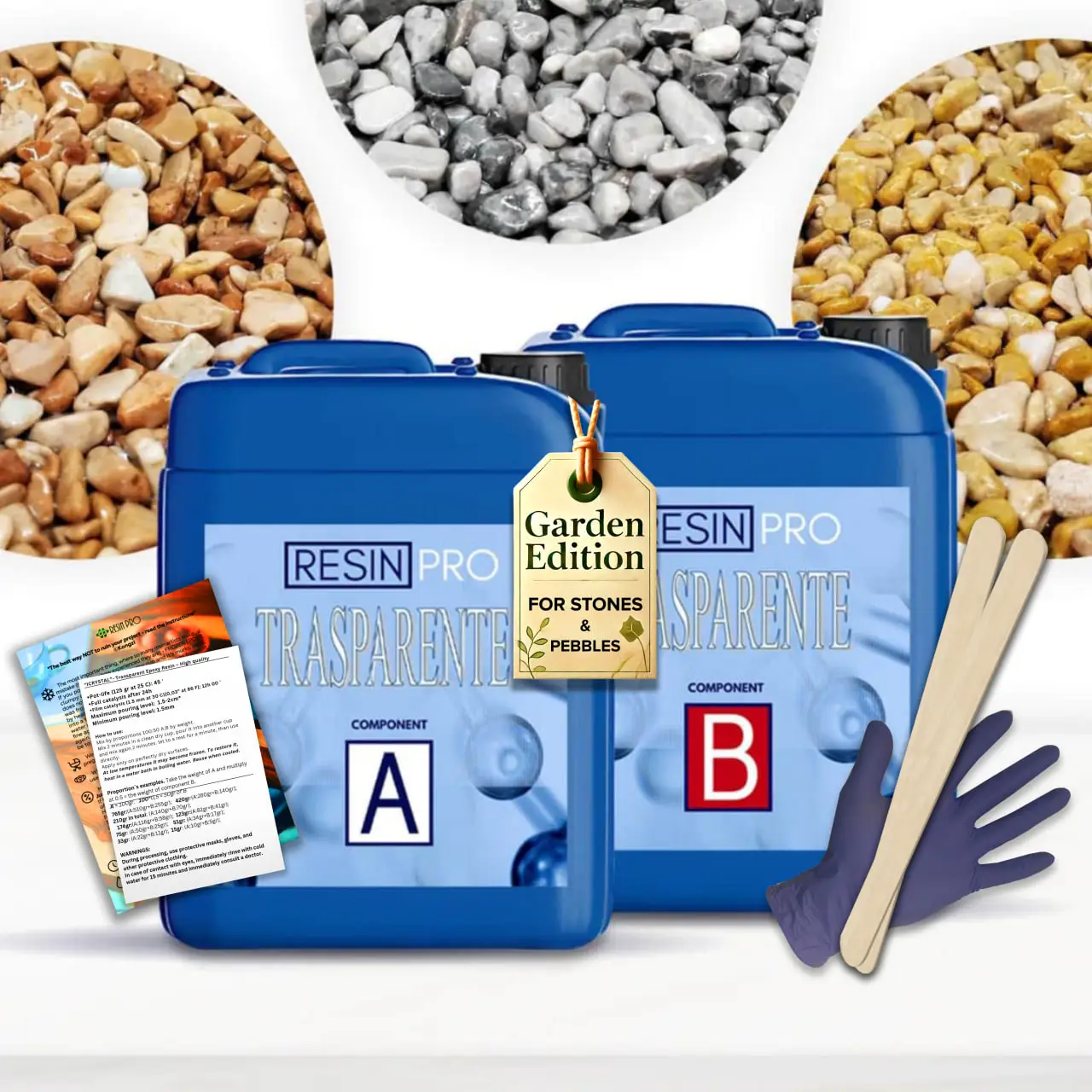 "Trasparente" – Epoxy Binder for Coloured Pebbles and GritsPrice range: £31.85 through £948.85Transparent epoxy binder suitable for coloured pebbles and grits, providing a clear, UV-stable finish for decorative floors.
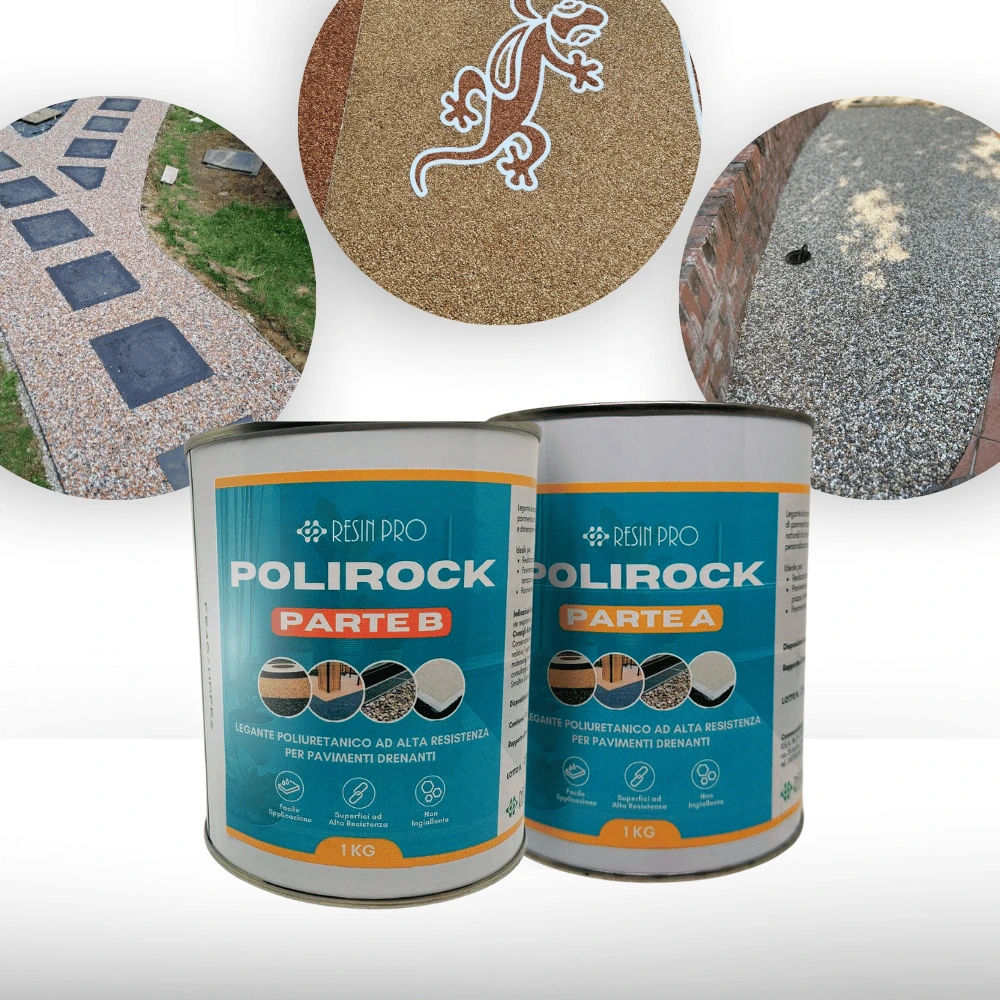 "Polirock" – Polyurethane Binder for White Stones, 2kg Two-Component Kit£58.85"Polirock" is a two-component polyurethane binder suited for outdoor decorative stone surfaces, offering durability and a weather-resistant finish.
 "Epoxyprimer" – Universal Water-Based Two-Component Epoxy Floor PrimerPrice range: £148.84 through £272.45Epoxyprimer is a water-based epoxy floor primer designed for reliable adhesion and durability on various substrates.
Frequently Asked Questions
What types of resin do you offer for flooring?
We offer resins for industrial cement-based floors, coloured self-levelling floors, garage floors, permeable pebble flooring and tile coatings.
What are the advantages of resins compared to other flooring materials?
Resins offer high wear resistance, easy maintenance, durability, waterproofing and a highly customisable aesthetic.
Are specific weather conditions required for resin application?
Resin application requires suitable temperatures and moderate humidity for best results. Avoid extremes for proper adhesion and curing.
What is a permeable floor?
A permeable floor allows rainwater to pass through, preventing puddles and reducing flooding risk. It uses granules and resin for drainage.
What are the advantages of a permeable floor?
They offer a customisable look, easy maintenance, strong water drainage and anti-slip safety, ideal for outdoor and rainy areas.
Where is it recommended to install a permeable floor?
Install permeable floors outdoors where water runoff is a concern—driveways, gardens, paths, car parks, and shared terraces.
How long does a complete application take?
At 20°C, light foot traffic is possible after about 12 hours, with full curing for vehicles after 36–48 hours, depending on conditions.
Can I install a permeable floor myself?
Yes, with simple application steps and clear instructions, most DIYers can install a permeable resin-bound floor successfully.