 Free shipping on orders over £29,85
  Shipping Tracking!


 Google
 Facebook
How to make resin objects using a silicone mould?
Discover step-by-step guidance for creative resin moulding projects
Creating your own resin objects using a silicone mould opens up a world of creative possibilities, from jewellery and coasters to bespoke keepsakes and decorative items. This guide will take you through the essential steps to achieve professional results, no matter your experience level. Whether you’re embarking on your first project or looking to refine your casting technique, clear instructions below will help you work safely and effectively.
What You’ll Need
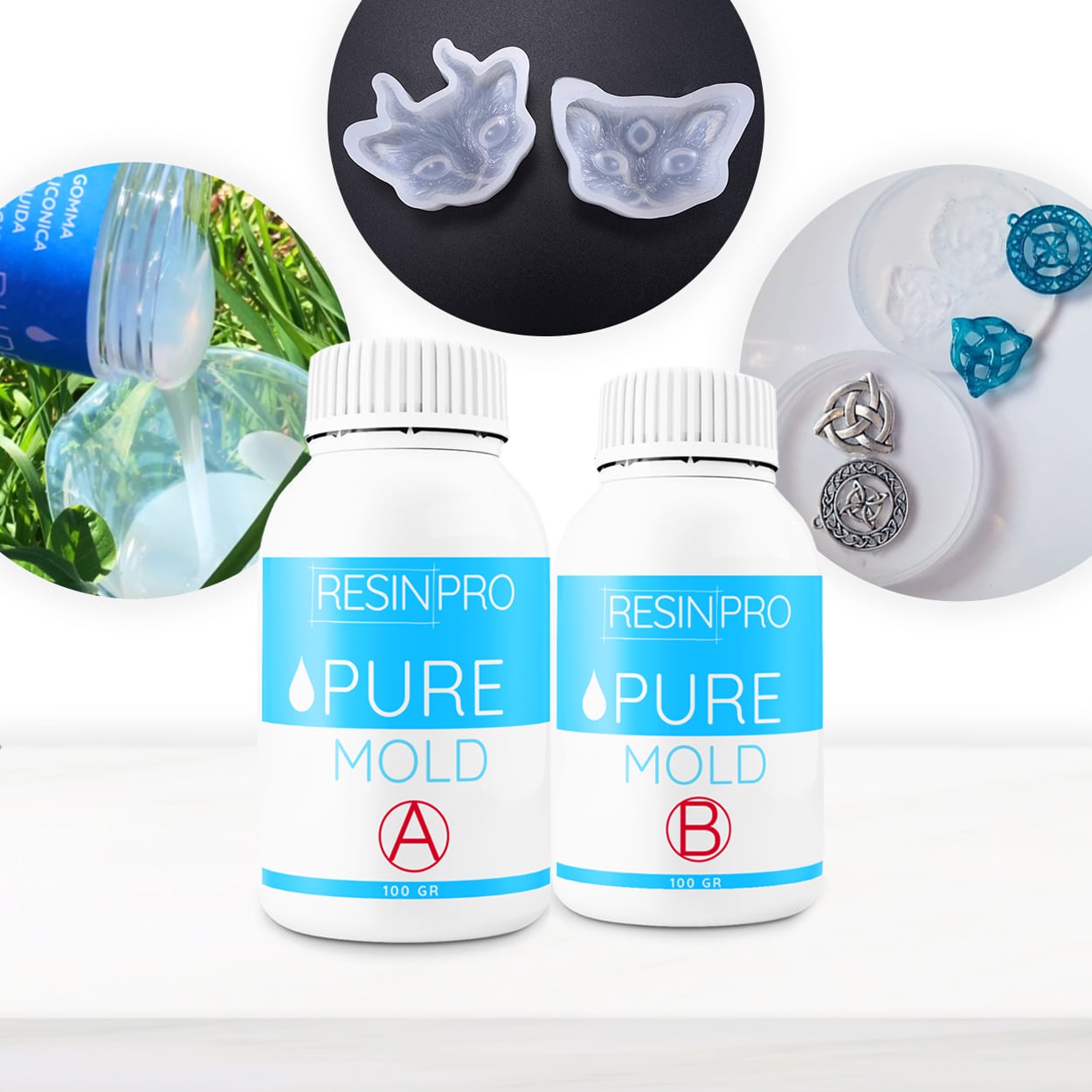
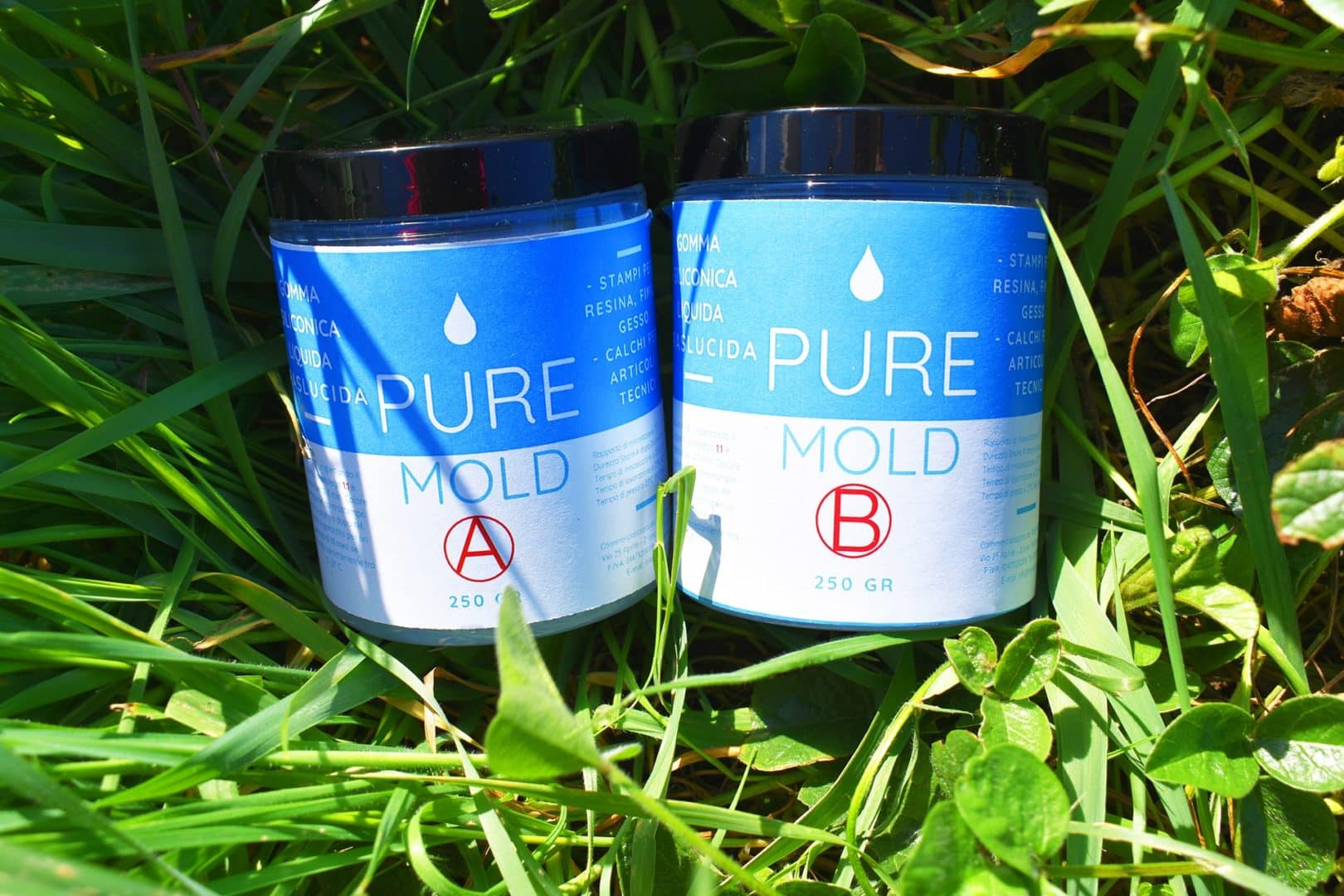
- “Pure Mould” – Translucent Liquid Silicone Rubber for Mould Making – for making custom, detailed moulds
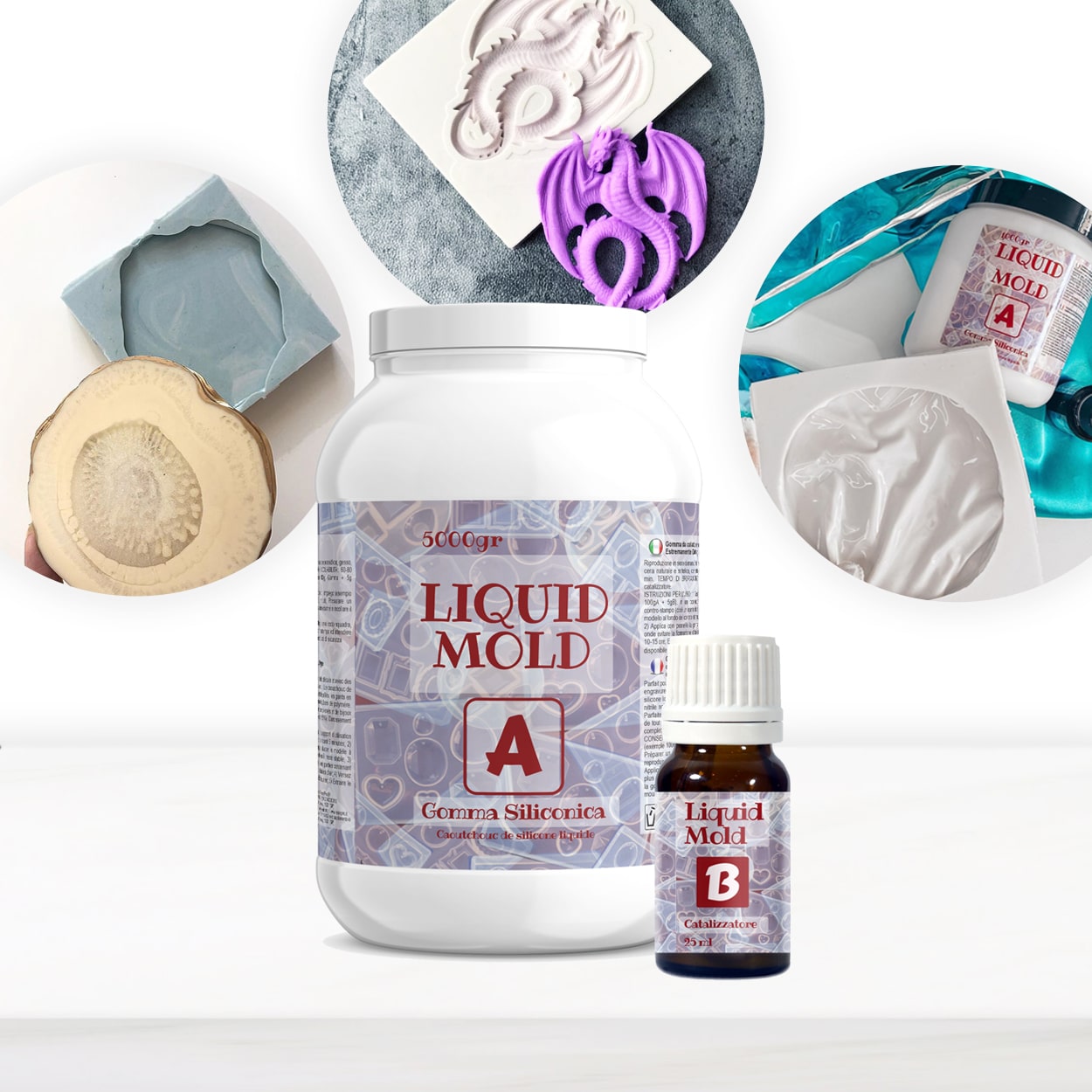
- “Liquid Mould” – Casting Liquid Silicone Rubber, 5-40 Shores, Bi-Component A+B – for fine detail and complex shapes
- “Silicone Circle Mould” – For Creating with Epoxy Resin, Ø 20cm – ready-made for decorative and functional items
- “Trasparente” Epoxy Resin Kit 800g + Mica Powder 10g – 10 Colour Variations – for casting clear or coloured resin objects
- Mixing cups and stirring sticks
- PPE: gloves, protective eyewear, apron
- A flat, dust-free working area
- Optional: release spray, pressure pot for bubble removal
Resin Objects: Inspire Your Next Project
Explore the diverse objects you can make with silicone and resin, from elegant coasters and colourful jewellery to unique keepsakes and custom art. Experiment with shapes, colours, and embeds to spark your creativity.
Step 1: Set Up Your Workspace
Before you begin, choose a clean, level surface free from clutter and dust. Lay down a protective sheet to avoid spills and ensure your working area is well-ventilated. Gather all materials so that everything is within easy reach. Always use gloves and work in a ventilated space to protect yourself from resin or catalyst components.
Take the time to read instructions provided with your chosen silicone or epoxy kit and familiarise yourself with mixing ratios and cure times, as these vary between products. Good preparation makes for a smooth and stress-free creative session.
Step 2: Prepare or Select Your Silicone Mould
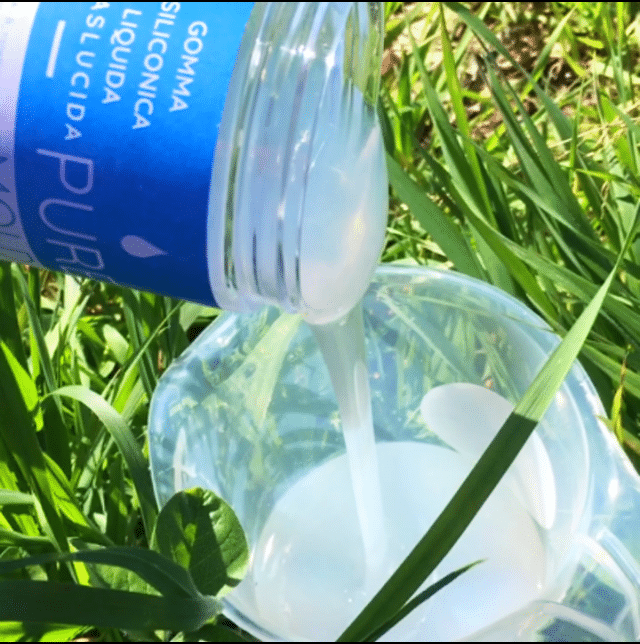
If you’re making your own mould, select the object to replicate and create a formwork to contain liquid silicone. For custom projects or intricate shapes, “Pure Mould” – Translucent Liquid Silicone Rubber for Mould Making is highly effective for observing fine details and ease of demoulding. Carefully mix equal parts of the two silicone components (1:1 ratio) and pour over your model, ensuring it is fully covered. Allow to cure as recommended before unmoulding.
If using a ready-made option, such as the “Silicone Circle Mould” – For Creating with Epoxy Resin, Ø 20cm, make certain the mould is clean and completely dry. A light mist of mould release spray can assist with demoulding complex shapes.
Step 3: Mix and Pour Your Resin
Measure out your resin and hardener according to the product’s specified ratio. For brilliant clarity and colour, “Trasparente” Epoxy Resin Kit 800g + Mica Powder 10g – 10 Colour Variations is an ultra-clear, easy-mixing choice ideal for both beginners and professionals. Mix thoroughly, scraping the sides and bottom of your container to prevent unmixed portions that could cause soft spots.
Slow blending helps reduce the introduction of air bubbles. Optional mica powder can be stirred in at this point for vibrant colour effects. Pour resin slowly to avoid bubbles, working into the lowest points first and allowing the resin to settle naturally.
Step 4: Cure and Demould Your Resin Object
Leave your filled mould to cure in a dust-free area, following the recommended curing time – often several hours to overnight. Keep the mould undisturbed on a flat surface for best results. Depending on the type and thickness, demoulding too early can distort the item, so patience is key. If you notice bubbles after pouring, a quick pass with a heat gun or use of a pressure pot can help.
When fully cured, gently flex or peel the silicone mould to release your finished piece. Clean the mould with warm soapy water and allow it to dry before future use.
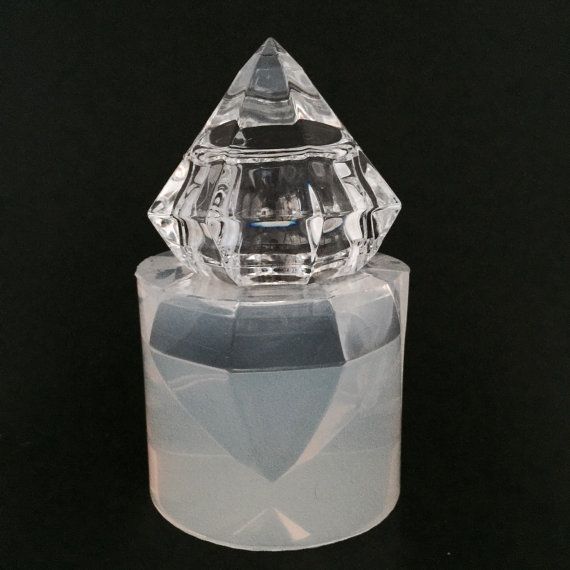
Tips and Troubleshooting for Resin Moulding
Begin with small projects to develop confidence. Ensure your mixing ratios are accurate for proper curing and avoid moisture, which can cause cloudiness or imperfect set. If your resin object appears soft or tacky, recheck your measurements and allow more curing time. To prevent dust settling on the surface, cover your project while it cures. For highly detailed or undercut shapes, “Liquid Mould” – Casting Liquid Silicone Rubber, 5-40 Shores, Bi-Component A+B is especially suited for capturing fine details. Store silicone moulds in a cool, dry place to extend their lifespan and quality.
Professional Results Every Time
Accurate measuring and thorough mixing are essential for resin success. Practice safe handling, keep dust away, and enjoy rewarding, long-lasting creations with every project using the right silicone and resin pairings.
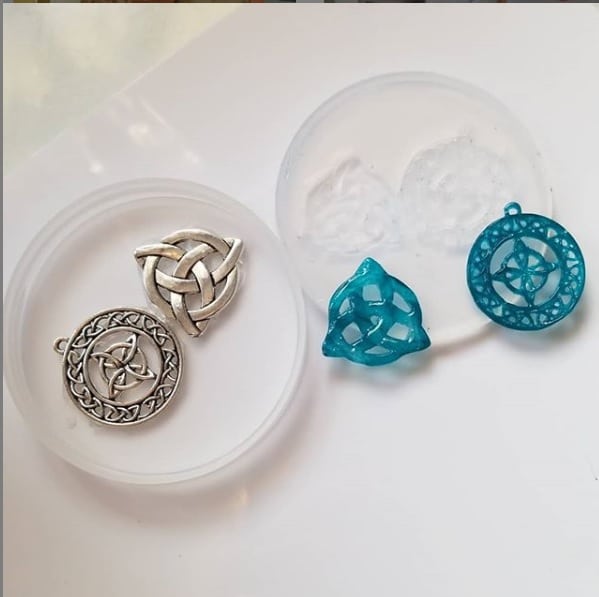
- "Pure Mould" – Translucent Liquid Silicone Rubber for Mould MakingPrice range: £22.85 through £158.85"Pure Mould" is a translucent silicone rubber designed for creating detailed reusable moulds with a fast curing time, suitable for resin objects.
- "Liquid Mould" – Casting Liquid Silicone Rubber, 5-40 Shores, Bi-Component A+BPrice range: £13.45 through £368.85"Liquid Mould" casting liquid silicone rubber is designed for detailed mould making suitable for resin and polymer pastes.
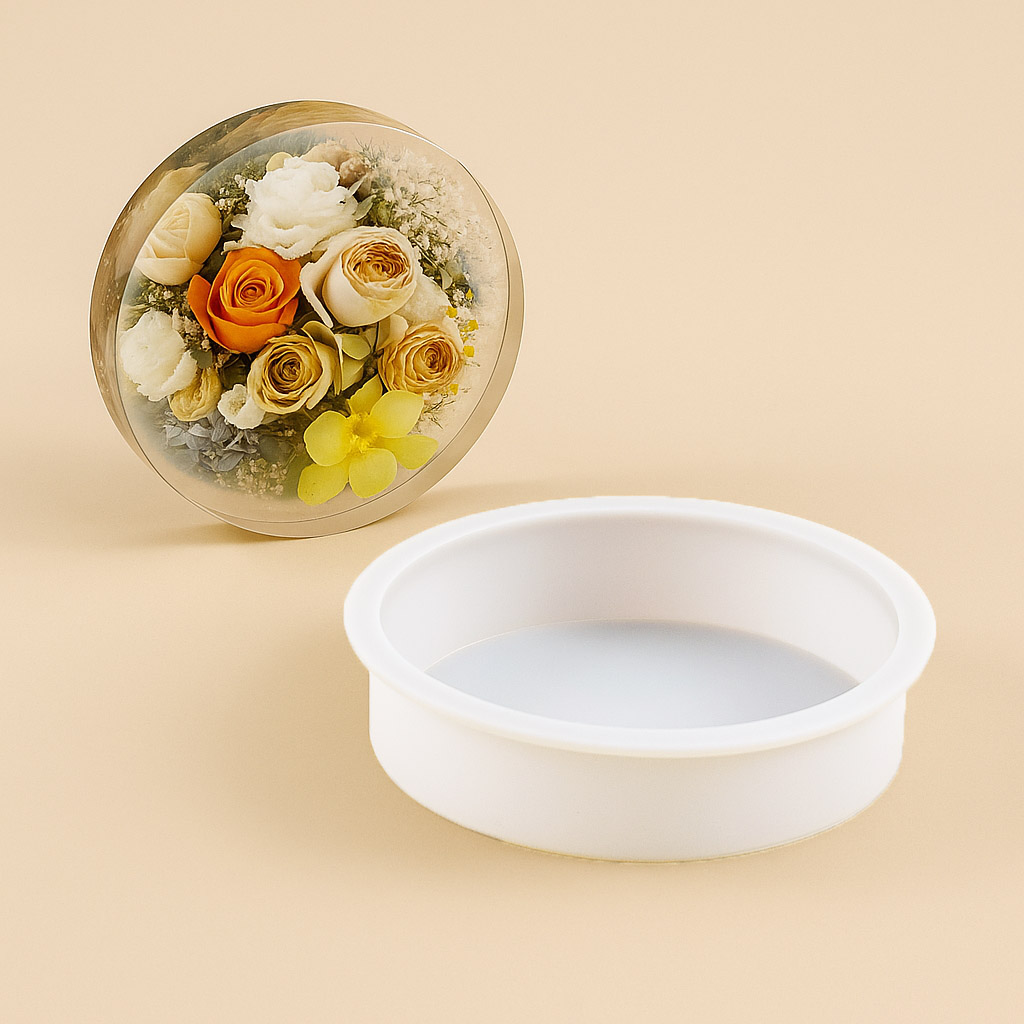 "Silicone Circle Mould" – For Creating with Epoxy Resin, Ø 20cm£12.85Flexible silicone mould suitable for creating decorative resin objects such as coasters and artistic pieces.
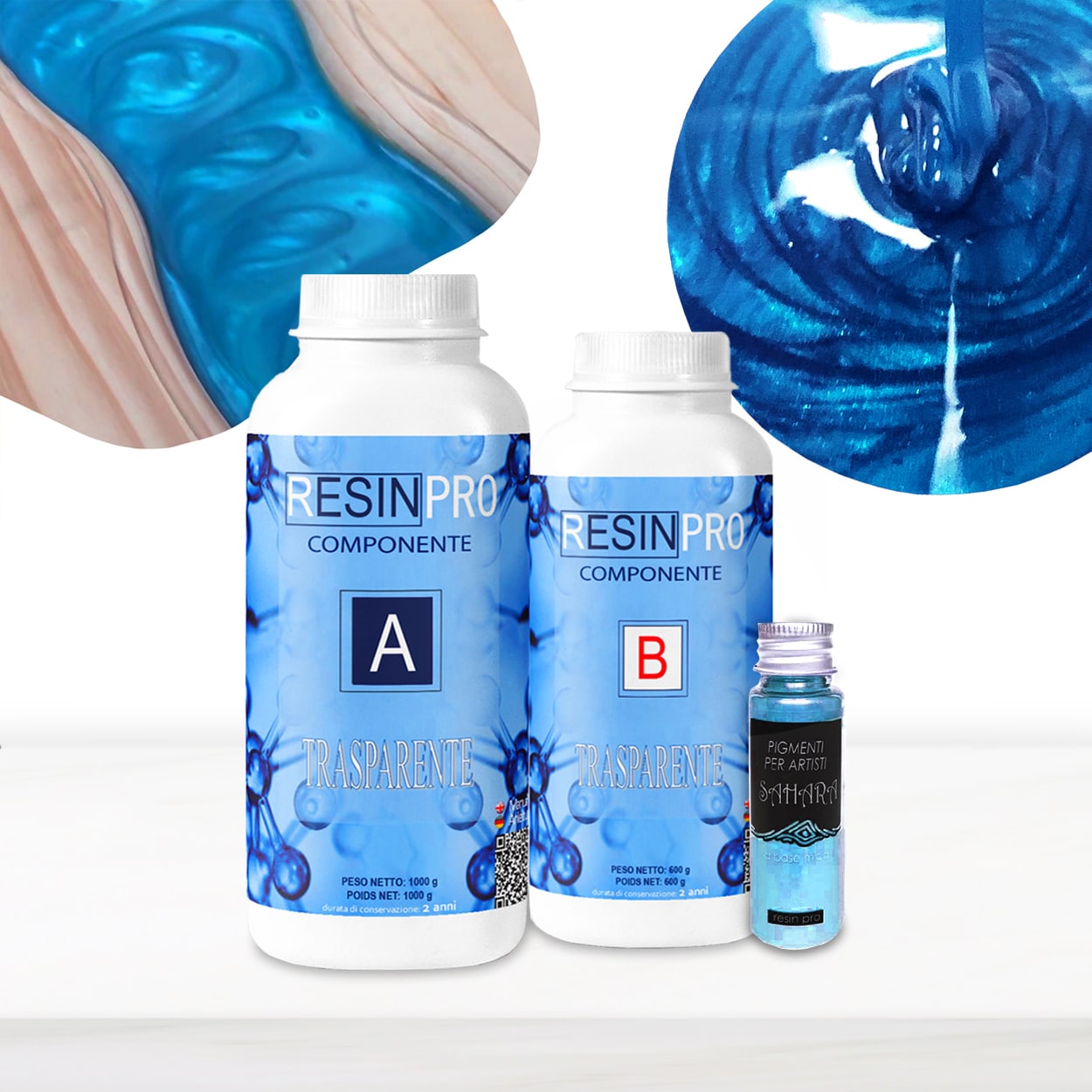 "Trasparente" Epoxy Resin Kit 800g + Mica Powder 10g – 10 Colour Variations£19.85"Trasparente" is an ultra clear epoxy resin kit suitable for castings and DIY projects involving silicone moulds.
Frequently Asked Questions
Can I use food-grade silicone moulds for resin projects?
While food-grade silicone is safe, it should not be reused for food after resin casting, as resins may leave behind substances unsafe for food contact.
How do I prevent bubbles in my resin objects?
Mix resin slowly, pour steadily, and use a heat gun or pressure pot to release trapped air for crystal-clear finishes.
How long should I leave resin to cure in the mould?
Cure times vary but typically range from 12 to 24 hours for full hardness. Always follow the product's instructions for best results.
Why is my resin object sticky or soft after curing?
This is usually due to incorrect mixing ratios or insufficient curing time. Double-check measurements and allow additional time if needed.
What can I embed in my resin moulds?
Common items include dried flowers, beads, glitter, and small photos. Make sure items are dry and clean to avoid moisture issues.
How do I clean and store silicone moulds?
Wash gently with mild soap and water, dry thoroughly, and store flat in a cool, dry place to maintain their shape and flexibility.