 Free shipping on orders over £29,85
  Shipping Tracking!


 Google
 Facebook
how to make resin floors
Essential steps for creating seamless, durable resin floors

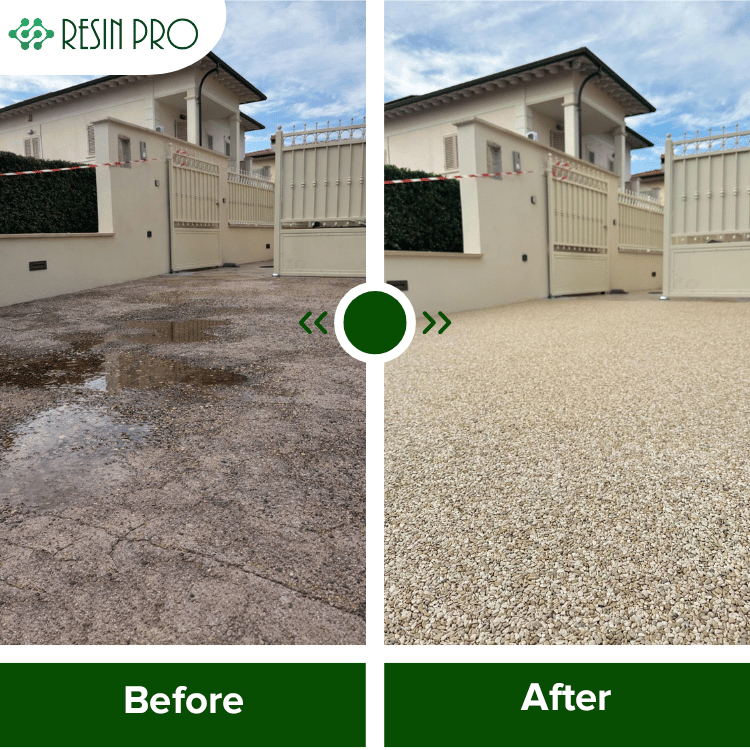
Creating a resin floor offers a sleek, low-maintenance, and durable solution for a variety of settings, from garages and workshops to patios and driveways. This guide covers the essential process for installing a high-quality resin floor, outlining each step to achieve a professional-grade result whether you are working indoors or outside. By following these guidelines, you will ensure a long-lasting, attractive finish suitable for numerous surfaces.
What You’ll Need
- “Flowstone” – Complete Permeable Floor Kit with Pebbles and Resin: A comprehensive kit for permeable, decorative outdoor floors.
- “Epoxyprimer” – Universal Water-Based Two-Component Epoxy Floor Primer: For strong bonding to the substrate, especially concrete or tiles.
- “Trasparente” – Epoxy Binder for Coloured Pebbles and Grits: Ideal for vibrant, coloured aggregate finishes.
- “Polirock” – Polyurethane Binder for White Stones, 2kg Two-Component Kit: For durable, UV-resistant surfaces using white or light stones.
- Personal protective equipment (PPE): gloves, safety glasses, appropriate footwear.
- Mixing tools (drill mixer or spatula), spatula/trowel, roller or brush for primer.
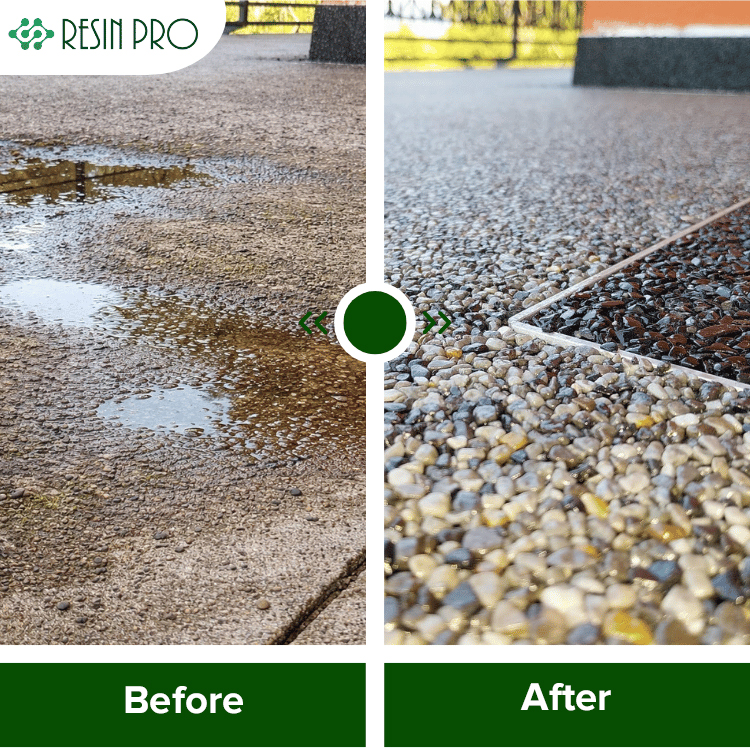
Essential Tools and Mixing Ratios
Having the right tools and understanding resin-to-stone ratios enables consistent results. For coloured aggregates, typically 3% resin by weight is required. Always use a reliable mixer and clean tools to achieve the proper blend for adhesion and longevity.
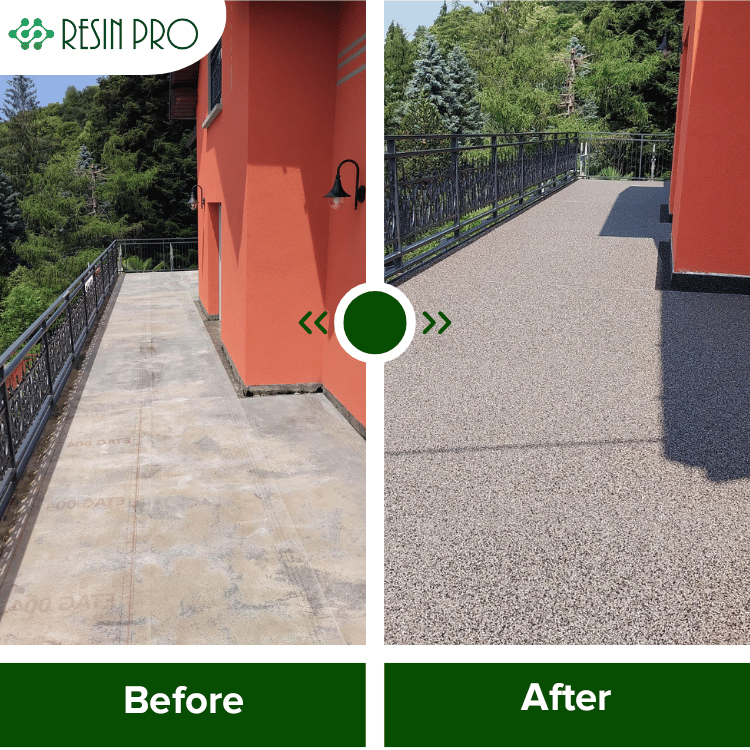
Step 1: Prepare the Surface
Thorough preparation is vital for a long-lasting resin floor. Begin by clearing the area of all debris, oils, and dust. Uneven or loose surfaces should be stabilised and repaired in advance. Ensure that cracks are filled and the surface is stable and dry before proceeding. This step is equally important for both indoor and outdoor settings.
Applying a reliable primer ensures optimal adhesion, especially when working with concrete, tiles, timber, or screed. For best results, use the “Epoxyprimer” – Universal Water-Based Two-Component Epoxy Floor Primer, which is compatible with a range of substrates and helps prevent issues like delamination and bubbling.
Step 2: Mix the Resin and Aggregates
The type of resin and aggregate you select should match your desired aesthetic and use-case—whether it’s an industrial, decorative, or outdoor permeable finish. Careful mixing ensures strength and an even appearance. Always follow the manufacturer’s guidelines for resin-to-stone ratios and mixing times.
If you are creating a vibrant, coloured pebble floor, use the “Trasparente” – Epoxy Binder for Coloured Pebbles and Grits. For white or light stones requiring maximum UV stability and no yellowing, opt for the “Polirock” – Polyurethane Binder for White Stones, 2kg Two-Component Kit. Add resin to the stones and mix until all material is evenly coated and fully impregnated, helping to avoid weak points or unbound sections.
Step 3: Apply and Level the Resin Mixture
Pour the prepared resin and aggregate mixture onto the primed surface. Work in manageable sections to ensure full control over levelling and compaction. Use a trowel or spatula to spread the mixture evenly, ensuring consistent thickness and smooth transitions between areas. Press the material firmly into place without leaving voids.
Kits like the “Flowstone” – Complete Permeable Floor Kit with Pebbles and Resin provide both guidance and all required elements for an evenly distributed, durable finish—perfect for patios, paths, and driveways in the UK climate.

Step 4: Curing and Final Checks
Once applied, the floor must be left undisturbed while the resin cures. Allow full curing time as directed by the manufacturer—typically between 10 and 48 hours, depending on temperature and substrate. Early foot traffic or rain exposure can spoil the surface or reduce its durability.
When the floor has completely set, visually inspect for any weak spots or air bubbles. If any appear, patch small imperfections using an appropriate resin binder.

Tips and Common Mistakes in Resin Floor Installation
Resin flooring success hinges on preparation, patient curing, and working within recommended temperature ranges (generally above 10°C). Problems often arise from mixing ratios being off, rushing the preparation, or failing to account for ambient conditions. Always wear PPE, never compromise on drying times, and avoid installing in high humidity or extreme cold. Testing a small patch in advance can give extra peace of mind and reveal any issues with adhesion.
Visual Inspiration for Resin Floors
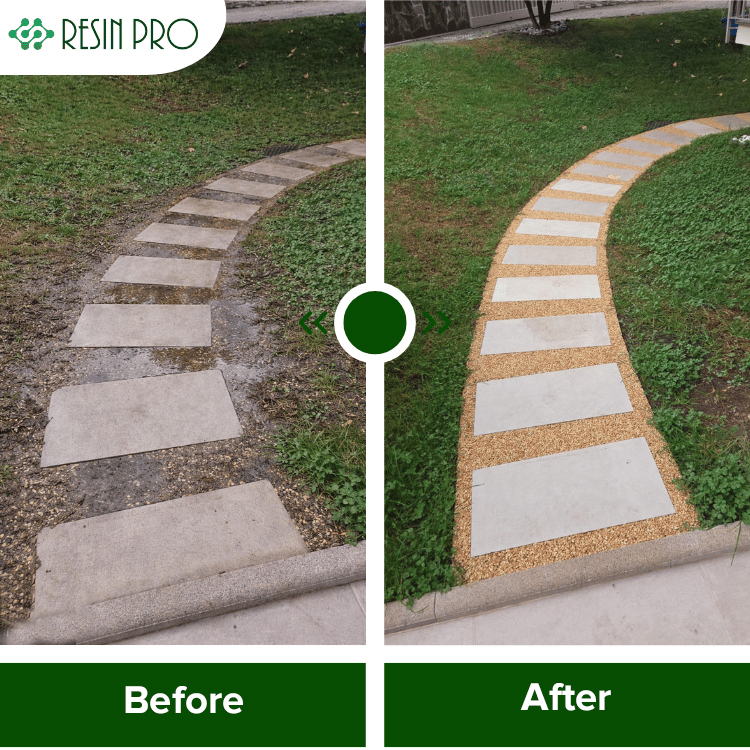
See how resin floors transform spaces—from modern indoor designs to vibrant outdoor patios and paths. Explore the versatility achievable with various aggregates and finishing styles for your specific project.
- "Flowstone" – Complete Permeable Floor Kit with Pebbles and ResinPrice range: £42.85 through £3,389.85The Flowstone kit offers a durable, permeable pebble and resin system suitable for driveways and paths, with clear guidance for use in the UK climate.
- "Epoxyprimer" – Universal Water-Based Two-Component Epoxy Floor PrimerPrice range: £148.84 through £272.45Epoxyprimer is a water-based two-component epoxy floor primer designed to provide reliable adhesion for various stable and durable floor surfaces.
 "Trasparente" – Epoxy Binder for Coloured Pebbles and GritsPrice range: £31.85 through £948.85A transparent epoxy binder designed for coloured pebbles and grits, providing a clear, UV-resistant finish suitable for flooring projects.
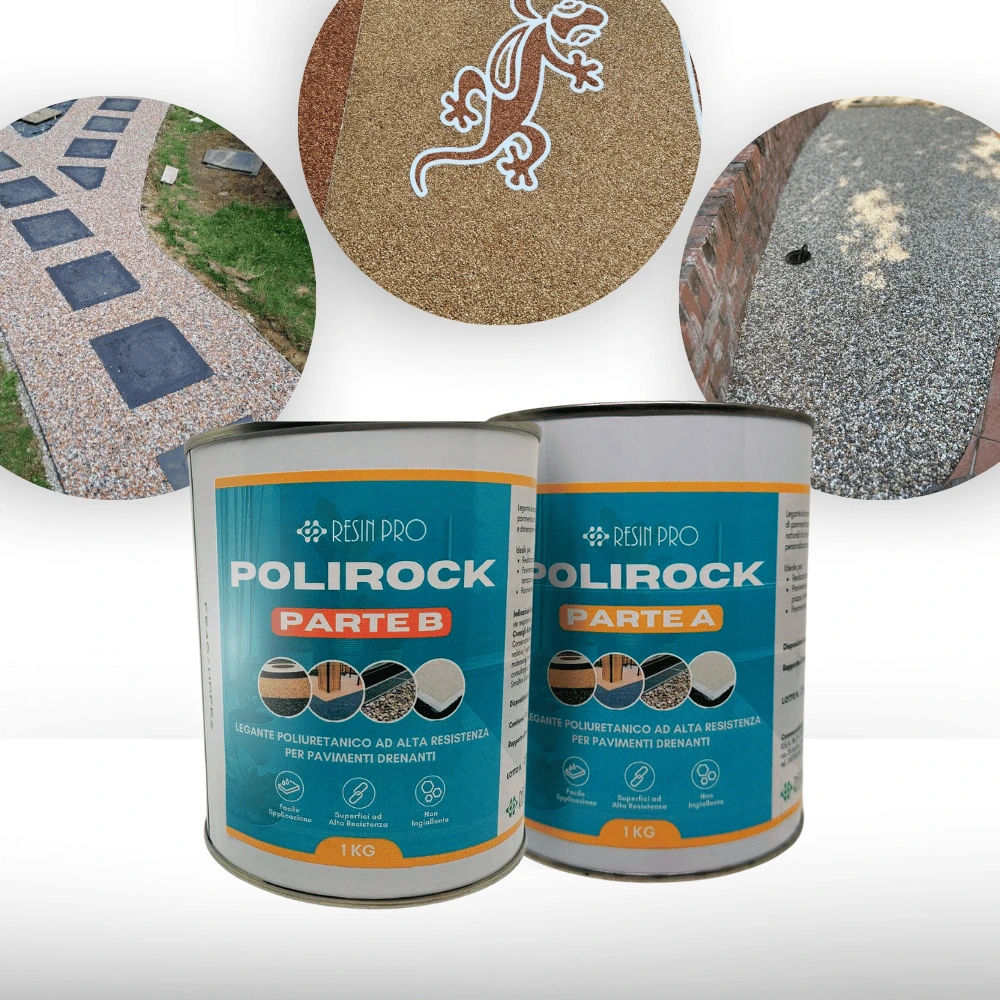 "Polirock" – Polyurethane Binder for White Stones, 2kg Two-Component Kit£58.85POLIROCK is a two-component polyurethane binder suited for durable and clear outdoor stone surfaces, designed to support resin floor creation.
Frequently Asked Questions
What are the best resin binders for different aggregates?
Use epoxy binders like Trasparente for coloured or dark stones and polyurethane binders like Polirock for white stones to prevent yellowing and ensure a long-lasting finish.
How long should I wait before using my new resin floor?
Resin floors can usually be walked on after 10 hours and fully used after 24–48 hours, depending on product and conditions.
Is priming concrete necessary before resin application?
Priming is strongly recommended for optimal adhesion and to prevent future delamination or bubbling.
When should I choose epoxy vs polyurethane resin?
Epoxy is ideal for general and coloured aggregate floors; polyurethane is best for white stones or where maximum UV resistance is needed.
What is the best temperature for installing a resin floor?
Work at temperatures above 10°C and avoid very humid or freezing conditions for proper curing.
Can I apply resin floors over old tiles or timber?
Yes, as long as the surface is solid, clean, and primed with an appropriate primer compatible with the substrate.