 Free shipping on orders over £29,85
  Shipping Tracking!


 Google
 Facebook
How to make resin moulds for model making?
Step-by-step guide for detailed model mould creation at home
Creating custom resin moulds is essential for detailed model making, whether you want to reproduce tiny objects, design miniatures or make intricate figures. This guide will walk you through the essential steps, ensuring your moulds deliver crisp detail for professional-quality results at home.
What You’ll Need
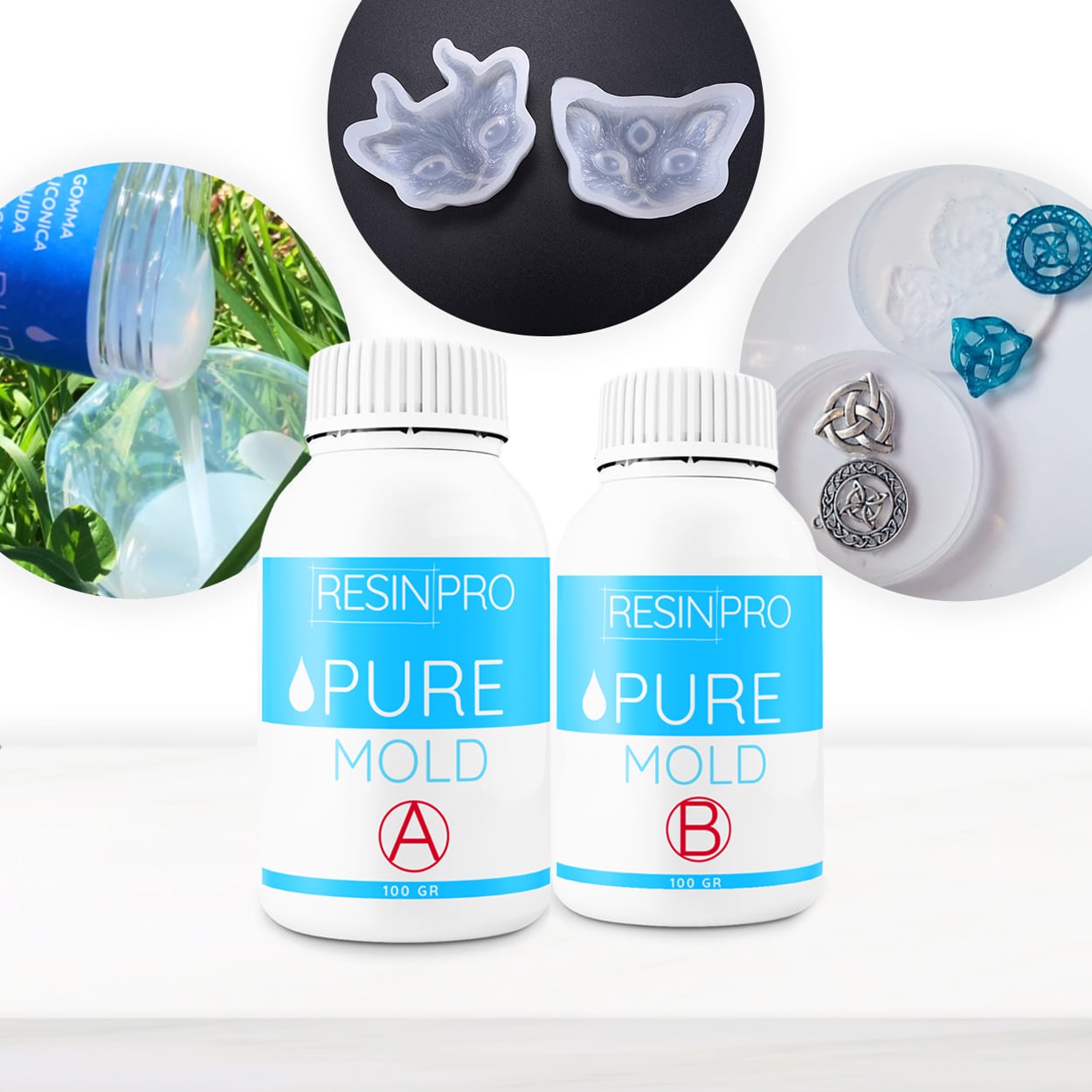
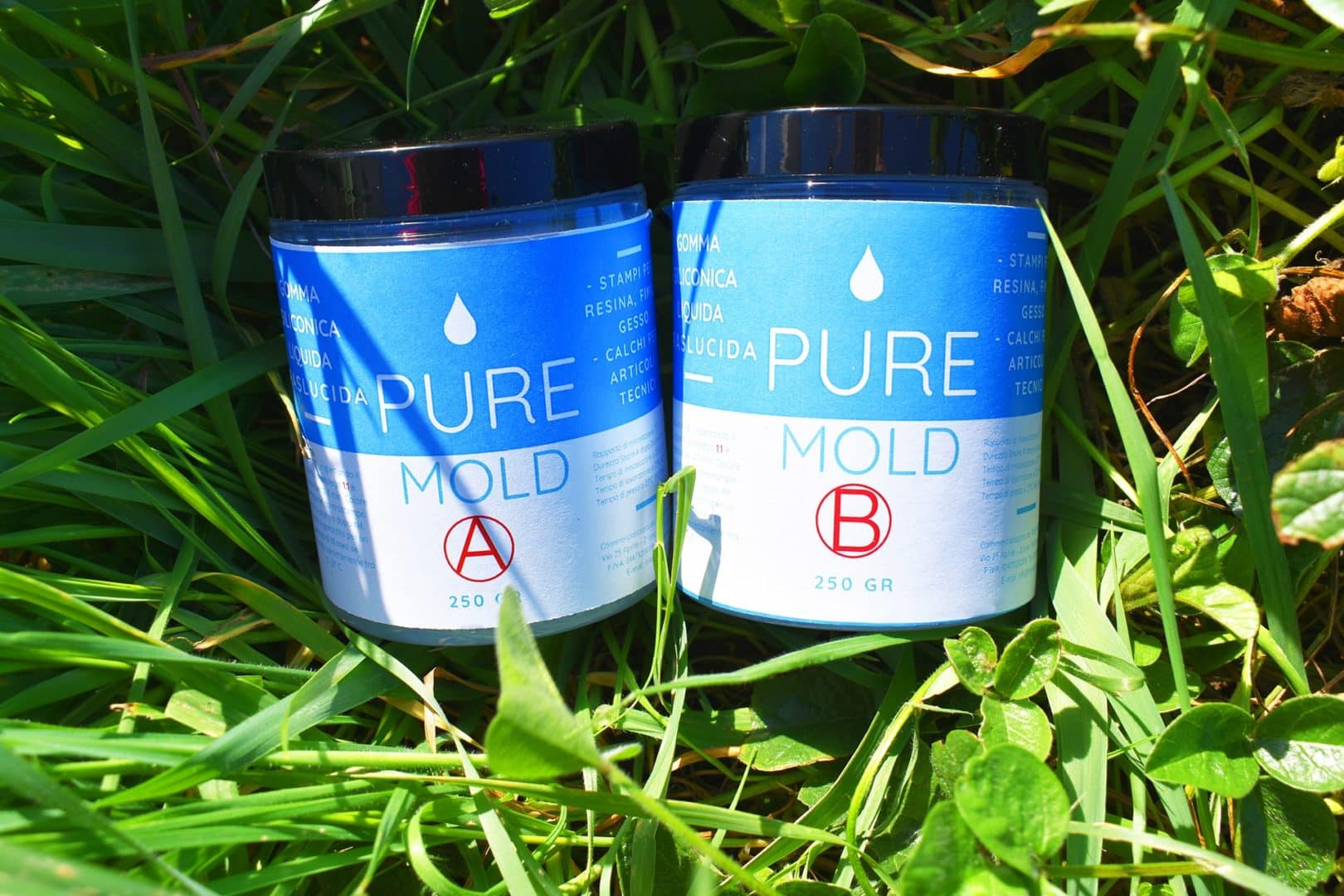
- “Pure Mould” – Translucent Liquid Silicone Rubber for Mould Making: A translucent silicone rubber ideal for capturing fine details and versatile uses.
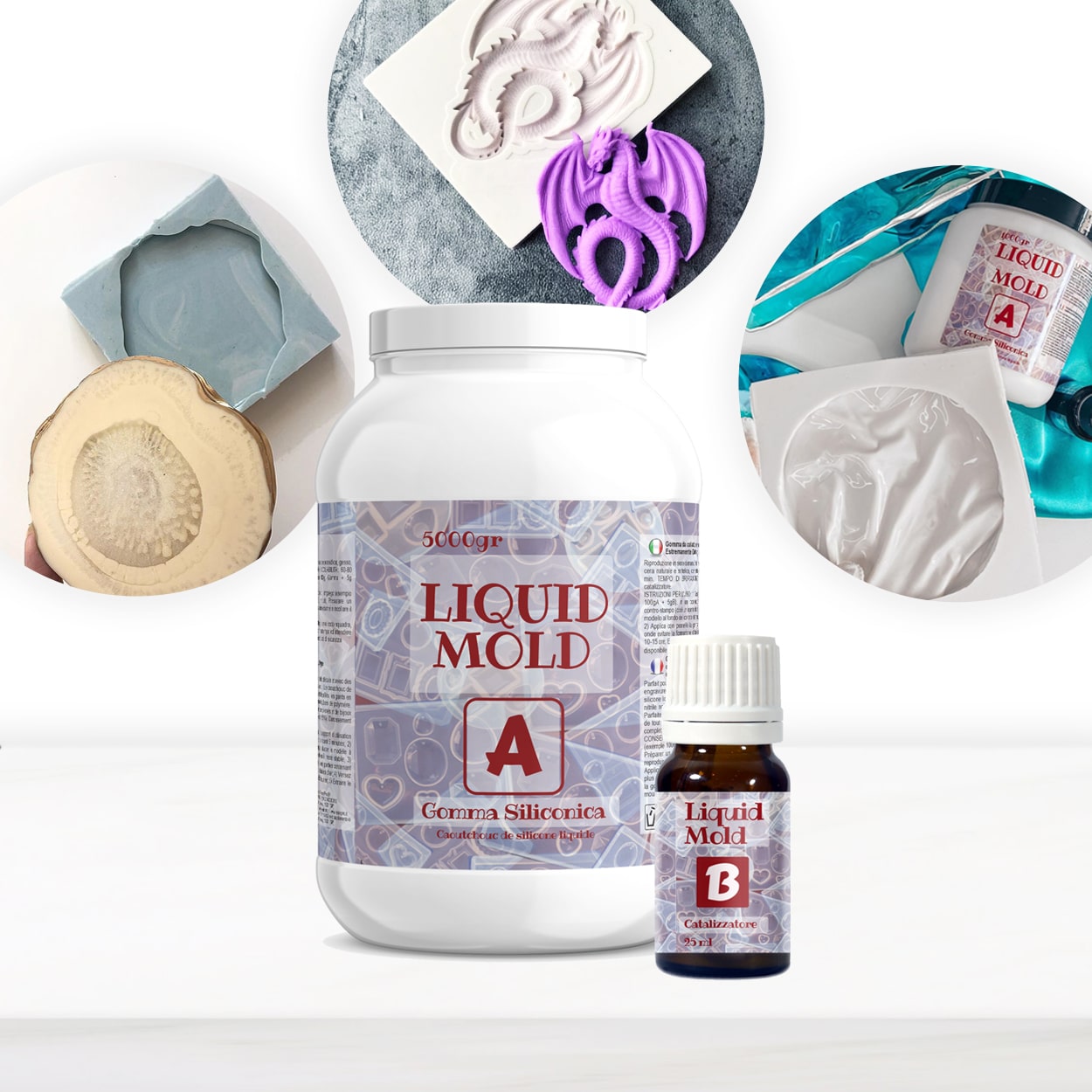
- “Liquid Mould” – Casting Liquid Silicone Rubber, 5-40 Shores, Bi-Component A+B: Excellent for complex or undercut shapes in small objects.
- “I–Gum” – Non-Toxic Silicone Putty for Mould Making: Quick-setting silicone putty for simple moulds and easy handling.
- “IWhite” – Polyurethane Casting Resin – White, Fast-Curing Two-Part System: For making your model casts once the mould is ready.
- Mixing containers, stirrers, gloves (optional for non-toxic putty), and a clean workspace.
Essential tools and workspace preparation
Set up your workspace with good lighting and use non-stick mats or disposable coverings to catch spills and drips. Gather all your mixing utensils and mould materials before you begin for a stress-free process. Consider using disposable cups and wooden stirrers for mixing resins and silicones for easy clean-up.
Step 1: Select and Prepare Your Master Model
Start by choosing the original item (the ‘master’) you want to reproduce. It should be clean, dry, and free from grease or loose particles. If it has intricate details, ensure every part is clearly visible and structurally sound. Fix any loose components on delicate models so they won’t shift during moulding.
Position the master on a smooth, non-stick surface or inside a container slightly larger than the object, leaving enough space for the silicone or putty to flow around all sides. This helps avoid thin or incomplete mould edges.
Step 2: Mix and Apply the Silicone Mould Material
Always measure silicone or putty components accurately. Mixing ratios are critical—typically 1:1 for both “Pure Mould” – Translucent Liquid Silicone Rubber for Mould Making and “I–Gum” – Non-Toxic Silicone Putty for Mould Making. For liquid silicones like “Liquid Mould” – Casting Liquid Silicone Rubber, 5-40 Shores, Bi-Component A+B, mix the base and catalyst thoroughly.
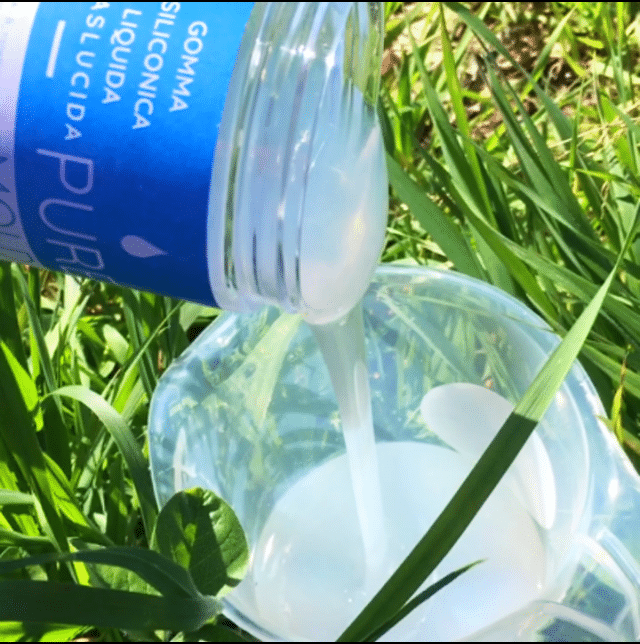
Wearing gloves is recommended for liquid silicones, but is optional with non-toxic putties. Work in a well-ventilated space. For best results, slowly pour the mixed silicone or apply the putty to the surface, starting at one side and allowing it to flow over the model. Pour silicone slowly to minimise trapped air, which can cause bubbles and defects in the final mould.
Step 3: Allow the Mould to Cure Fully
Refer to the silicone or putty’s instructions for cure times—most liquid silicones require a few hours, while putties cure in 20–40 minutes. Avoid moving or disturbing the mould during curing. Allow proper curing time before demoulding, as premature removal can damage detail or deform the mould.
Step 4: Demould and Prepare for Casting
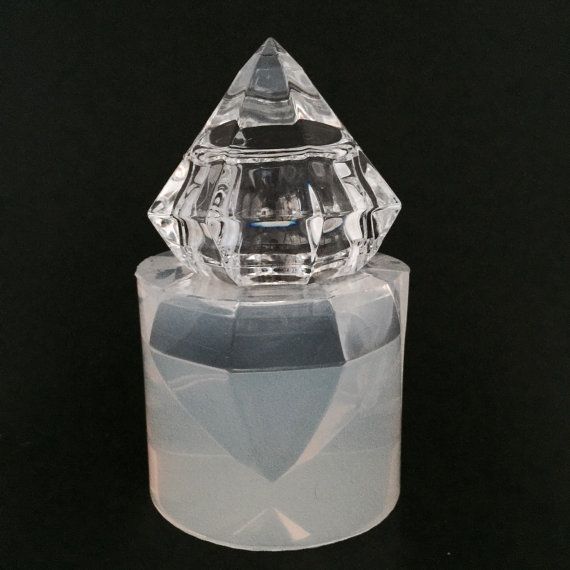
Once cured, gently remove the mould from the container and extract your master. Inspect for any thin spots or trapped bubbles. If necessary, trim excess silicone with a craft knife to ensure a tidy casting cavity.
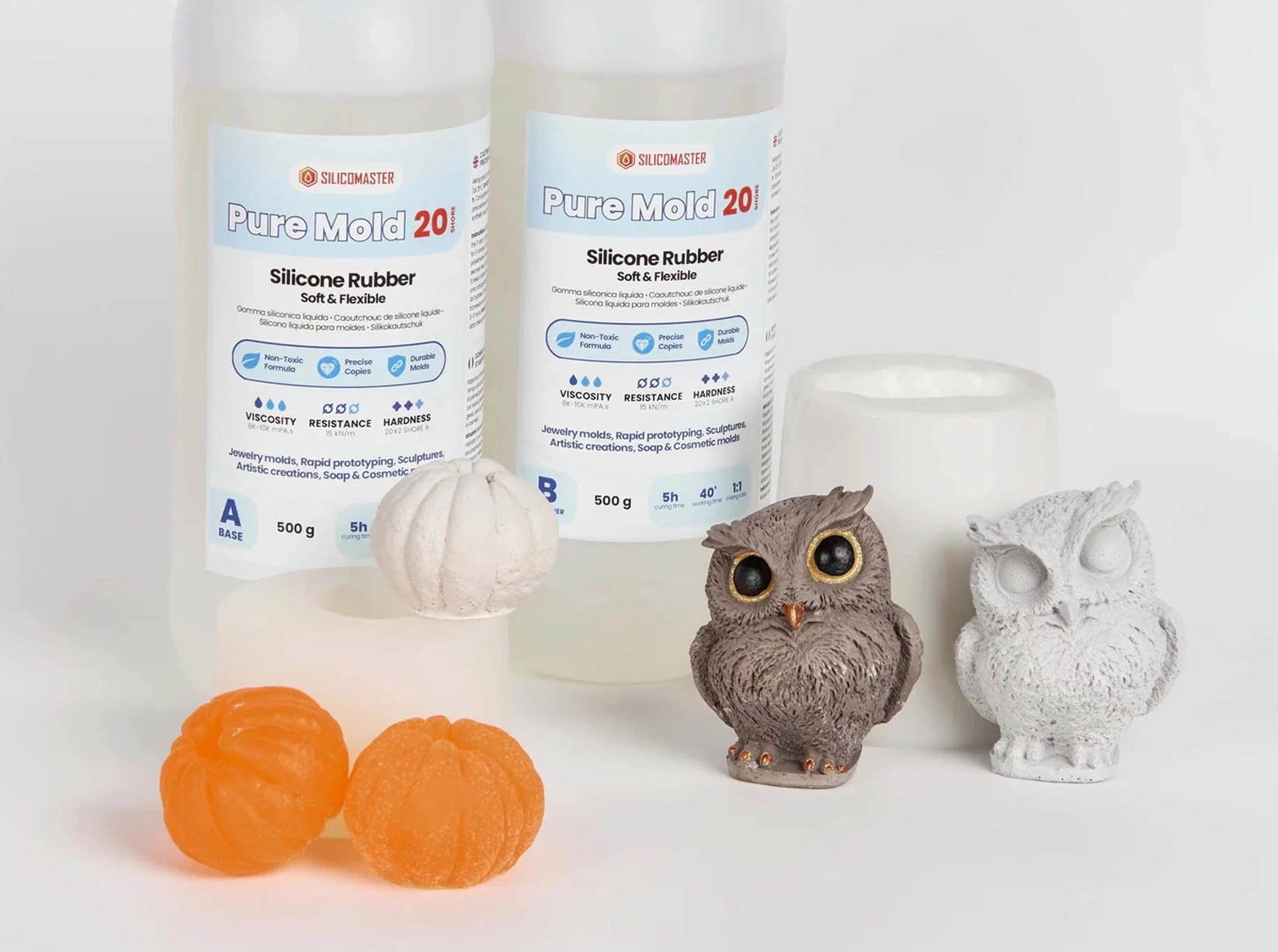
Silicone moulds made with “Pure Mould” – Translucent Liquid Silicone Rubber for Mould Making or “Liquid Mould” – Casting Liquid Silicone Rubber, 5-40 Shores, Bi-Component A+B are generally suitable for casting a range of materials, including epoxy and polyurethane resins.
Step 5: Cast Your Resin Model
After ensuring that the mould is free of debris and fully cured, prepare your casting resin. Pour or inject the chosen material—such as “IWhite” – Polyurethane Casting Resin – White, Fast-Curing Two-Part System—into the mould. Tap the sides gently to help release any trapped air.
Allow the resin to cure according to the product’s instructions. Once fully set, carefully demould the cast piece and set it aside for final finishing, painting, or further assembly.
Tips and Common Mistakes
- Check all materials are compatible before starting to avoid wasted effort.
- Beware air bubbles—pour silicone and resin slowly for best detail.
- If encapsulating undercut or fragile masters, consider a thinner silicone formula for better flow.
- Ensure containers and tools are clean for best results.
Visual guide: Pouring and finishing resin models
Carefully pour your mixed resin into the prepared silicone mould, ensuring all recesses fill completely. After curing, unmould your piece and use fine sandpaper for minor imperfections. Painting is easier when the resin casts are fully dry and dust-free.
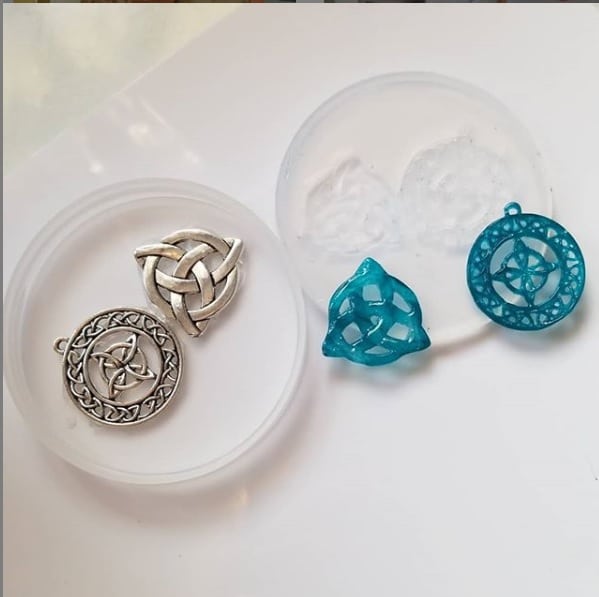
- "Pure Mould" – Translucent Liquid Silicone Rubber for Mould MakingPrice range: £22.85 through £158.85"Pure Mould" is a translucent silicone rubber suitable for creating durable moulds compatible with various casting materials.
- "Liquid Mould" – Casting Liquid Silicone Rubber, 5-40 Shores, Bi-Component A+BPrice range: £13.45 through £368.85"Liquid Mould" casting liquid silicone rubber is suitable for making detailed moulds for small objects and model making.
 "I–Gum" – Non-Toxic Silicone Putty for Mould MakingPrice range: £22.85 through £99.85"I–Gum" is a non-toxic silicone putty designed for mould making, suitable for creating moulds for resin and other materials.
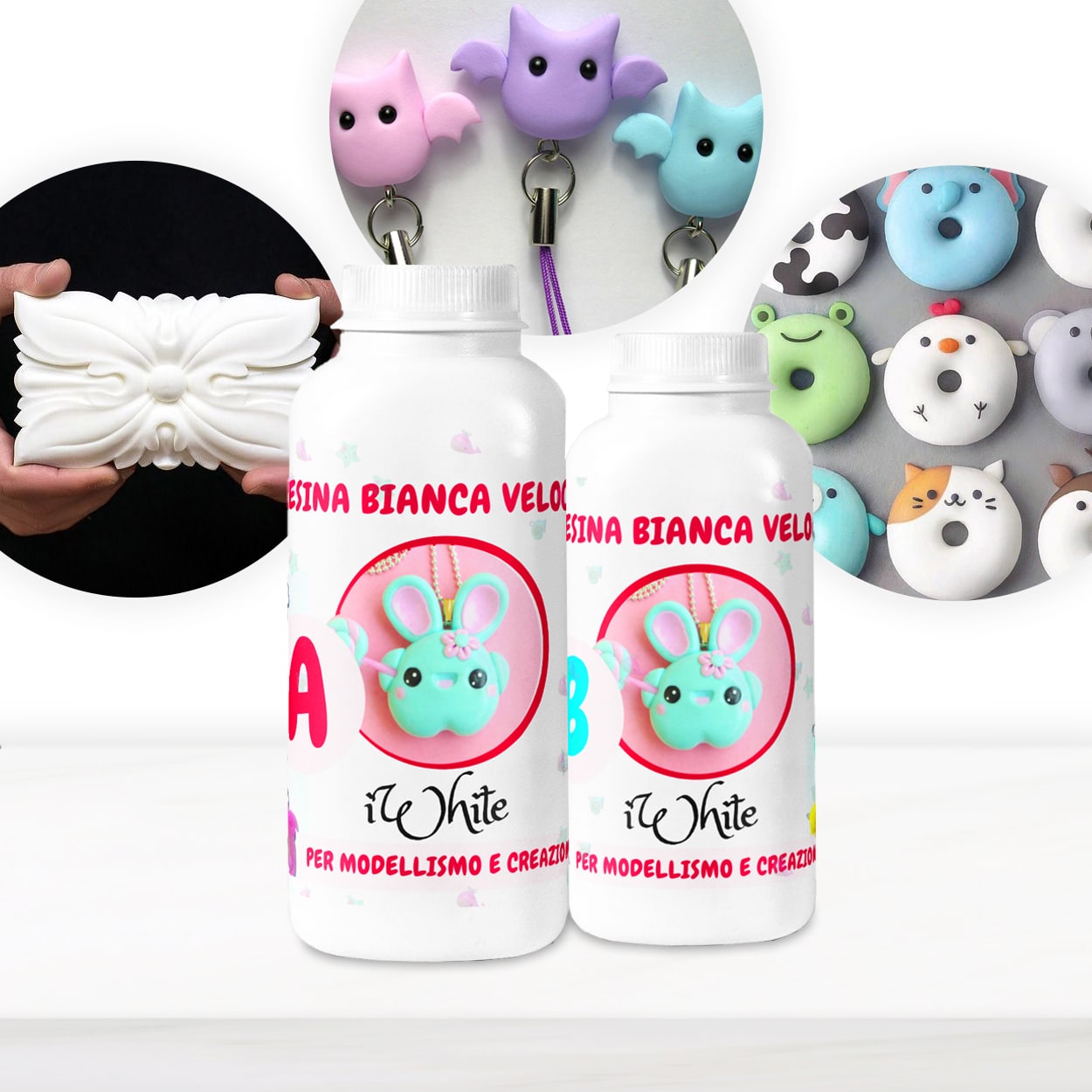 “IWhite” – Polyurethane Casting Resin – White, Fast-Curing Two-Part SystemPrice range: £22.85 through £34.85IWHITE White Polyurethane Casting Resin is a fast-curing two-part resin suitable for detailed model making and rapid prototyping.
Frequently Asked Questions
Which silicone is best for detailed model moulds?
Translucent liquid silicones and non-toxic putties are both suited, but choose based on your object's complexity and detail. For intricate, undercut models, use a flowable liquid silicone.
Can I cast models in epoxy resin?
Yes, but ensure your silicone mould is compatible with epoxy. Polyurethane resin is often chosen for fine detail and quick setting.
How do I avoid air bubbles when making moulds?
Pour silicone slowly and from one side only, allowing it to flow over the model. Tapping the container gently helps bubbles escape.
How long should I leave silicone to cure?
Allow the silicone to cure fully as per product instructions. Liquid silicones may require several hours, while putties can set in under an hour.
Do I need a release agent with silicone moulds?
Usually, silicone does not require a release agent, especially with non-stick putties. For very sticky or intricate items, a light spray may help.
Can I reuse my silicone resin moulds?
Yes, silicone moulds are typically reusable many times if cleaned and stored properly between castings.