 Free shipping on orders over £29,85
  Shipping Tracking!


 Google
 Facebook
How do you create a 3D wall using resin?
Step-by-step guide for stunning, textured decorative surfaces
Transforming a plain wall into a dramatic 3D resin feature is a rewarding project for both interior design enthusiasts and professional decorators. With the correct technique, you can achieve unique relief textures, stunning visual depth, and durable finishes tailored to any living or commercial space. This guide covers safe preparation, creative process steps, and finishing for extraordinary results.
What You’ll Need
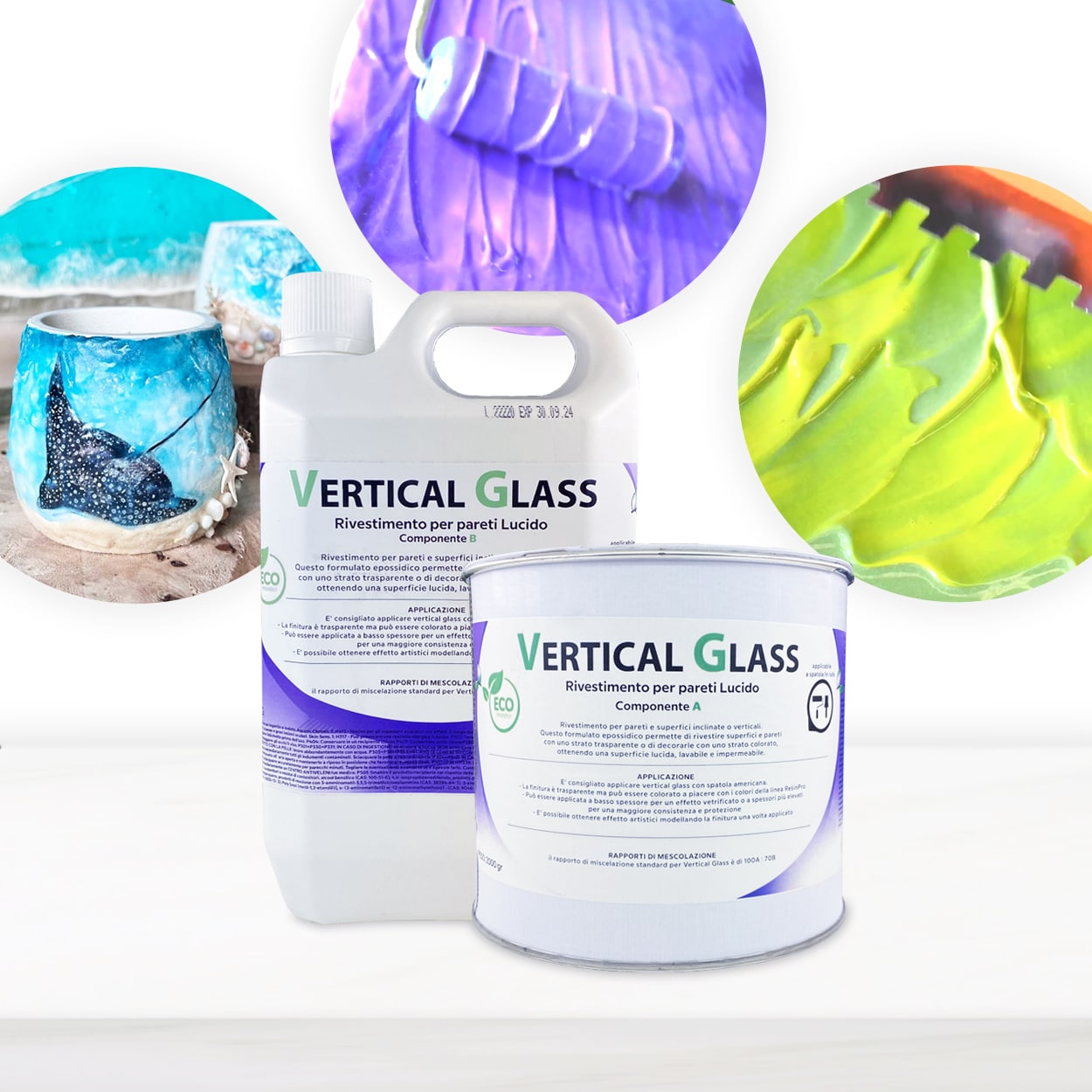
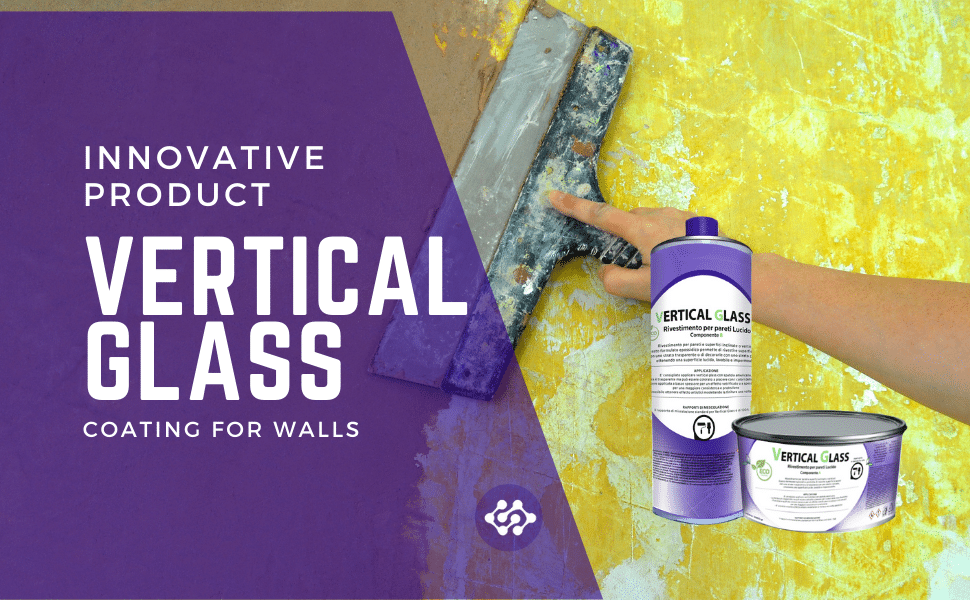
- “Vertical Glass” – Thick Resin Decorative Wall Coating: A solvent-free epoxy resin formulated for decorative protection and versatile finishes.
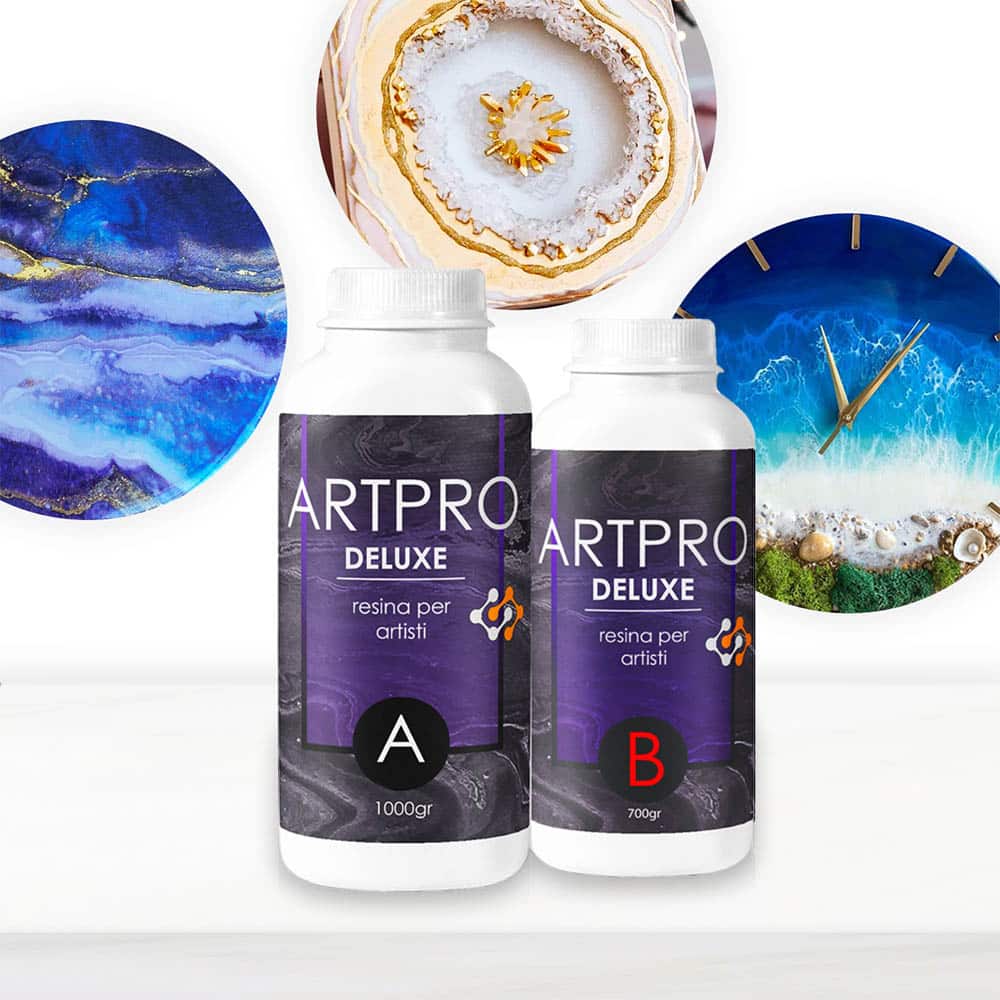
- “Art Pro Deluxe” – Ultra-High Viscosity Epoxy Resin for Artists: Specialist resin for highly controlled, precise detailing.
- “Fairy Wings” – UV Resin for Volumetric Reliefs, Dual Colour, 30ml: For fine 3D effects and intricate surface highlights.
- “3D Finish” – Fast Coating Epoxy Resin for 3D Prints: For giving a final glossy, detail-preserving finish on textured projects.
- Pigments (metallic, pearlescent or solid colour, as desired)
- Spatulas, trowels, or palette knives
- Protective gloves, eye protection, and dust mask
- Painter’s tape and coverings for floors and skirtings
- Sandpaper or sanding blocks
- UV lamp (if using UV resin)
Visual Inspiration: 3D Resin Wall Designs
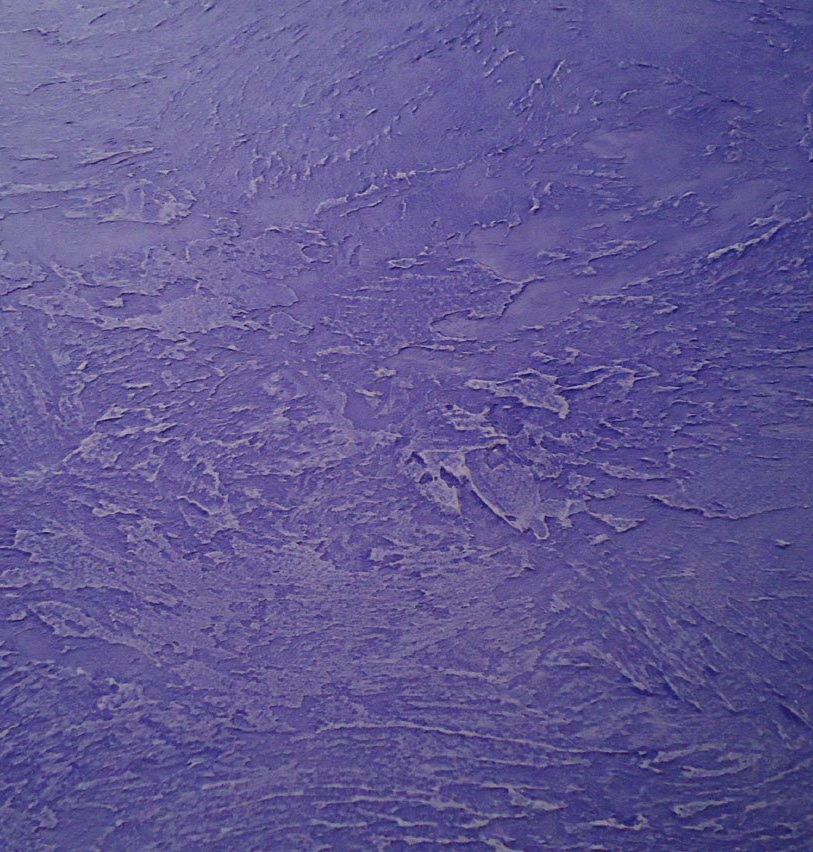
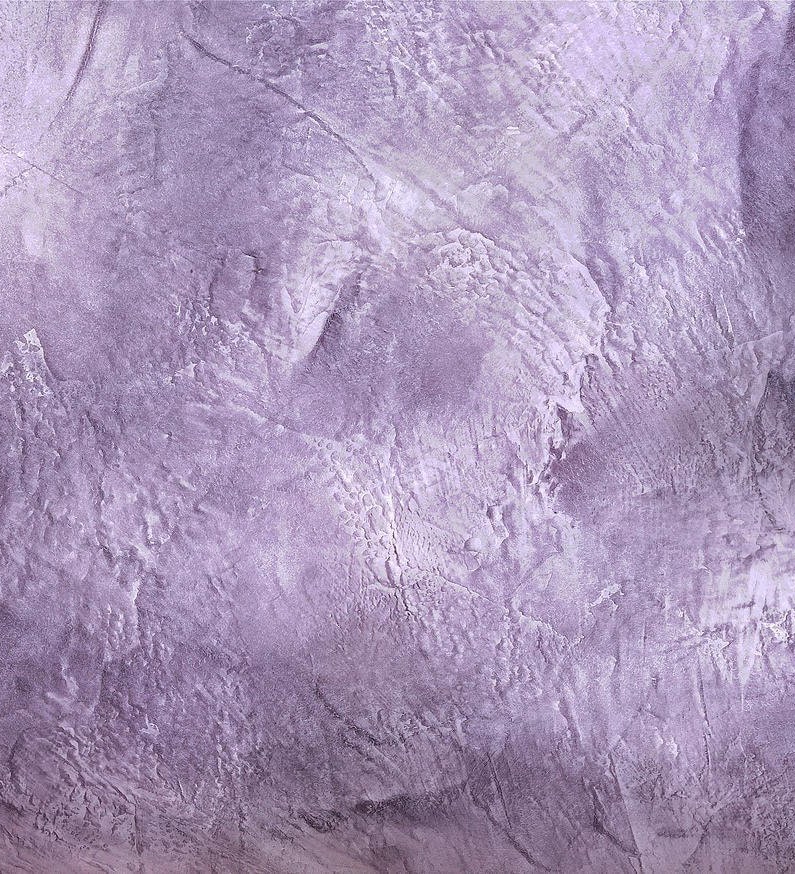
Browse striking 3D wall examples to help spark your creativity. Notice how pigment layering, custom patterns, and varying resin heights create visual depth. Whether aiming for a high-gloss modern feature or a subtle textured backdrop, 3D resin opens up new decorative possibilities for any interior.
Step 1: Prepare the Wall Surface
A smooth, clean, and stable surface is essential for a lasting finish. Remove any old paint or loose material, repair holes or cracks, and ensure the surface is free from dust and grease. Mask off areas you do not wish to coat, such as skirtings and sockets.
Proper surface preparation ensures lasting adhesion and prevents imperfections showing through your 3D resin design. For absorbent or rough surfaces like bare plaster or brick, consider priming with an acrylic sealer suitable for use beneath resin.
Step 2: Build Up the 3D Texture
Start sculpting the desired 3D relief directly onto the wall. Use thick, high-viscosity resin—such as “Vertical Glass” – Thick Resin Decorative Wall Coating—combined with pigments for dramatic colour effects. Spread the resin using a spatula, trowel, or palette knife, working in small areas before the mix sets.
For finer raised details or precise patterns, a product like “Fairy Wings” – UV Resin for Volumetric Reliefs, Dual Colour, 30ml allows intricate, fast-curing highlights and layered motifs. Where even more detail control is needed, you may opt for “Art Pro Deluxe” – Ultra-High Viscosity Epoxy Resin for Artists, applied with a brush or fine tool.
Thin layer applications prevent sagging and drips—allow each layer to gel or cure before adding more for sharp relief and stability. Use painter’s tape to map patterns and keep edges crisp.
Step 3: Sand and Refine the Texture
Once the resin layers have fully cured (typically 24–48 hours for epoxy, or as directed for UV resin), gently sand the surface if required. This step removes sharp edges, evens raised portions, or prepares the wall for further coating.
Use fine-grit sandpaper and clean away dust between steps. Where necessary, repeat resin application to build up certain areas until the chosen relief is achieved. Allow full curing between layers for durability and optimal adhesion.
Step 4: Apply the Final Finish Coat
For a seamless, glossy topcoat, apply a layer of “3D Finish” – Fast Coating Epoxy Resin for 3D Prints to protect the underlying relief, boost durability, and impart a unified look. Work with a clean trowel or roller in thin layers for best results.
This coat not only protects but also enhances the clarity and brilliance of embedded pigments and patterns.
Where a more tactile, satin effect is preferred, sand lightly with very fine grit after full curing. Work in a well-ventilated space and adhere strictly to product-specific safety advice.
Tips, Common Mistakes and Troubleshooting
- Work efficiently within the resin’s open time to avoid uneven finishes or drag.
- Layering too thickly at once can cause sagging or incomplete curing—thin, multiple layers are best.
- If bubbles form during spreading, gently pass a heat gun at a safe distance to pop them while the resin is wet.
- Mix pigments thoroughly but avoid over-stirring, which can introduce too much air.
- Protect finished walls from dust until completely set to avoid surface blemishes.
- Always wear suitable gloves, eye protection, and ensure good ventilation throughout the process.
Expert Tips for Lasting 3D Resin Walls
Store resin materials at room temperature and mix only what you can apply within the working window. For large wall areas, plan your work in sections to ensure controlled curing and optimal results. Most errors can be avoided by pacing yourself and double-checking surface preparation before you begin.
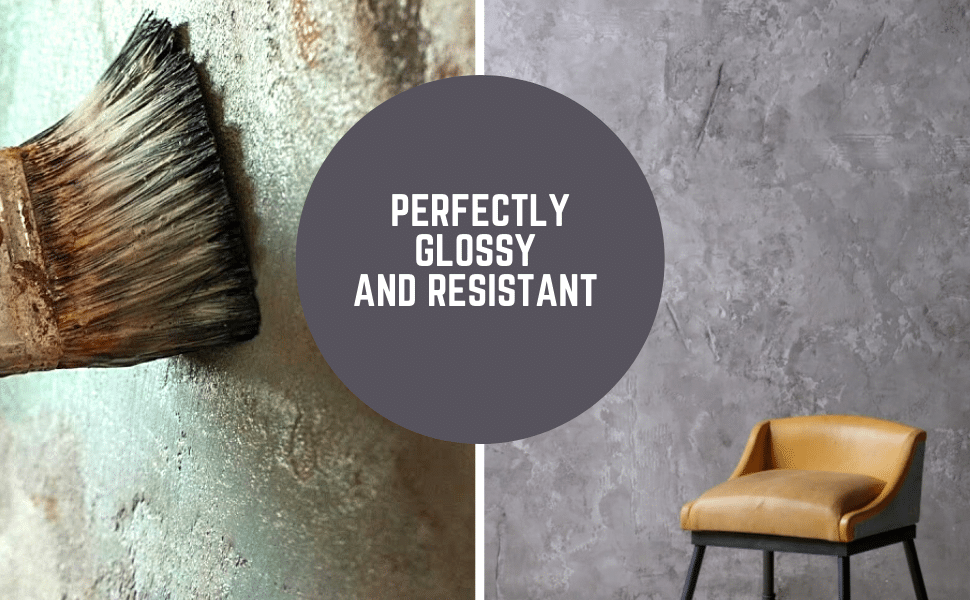
- "Vertical Glass" – Thick Resin Decorative Wall CoatingPrice range: £128.85 through £179.85Vertical Glass is a thick resin coating designed for vertical and sloping surfaces, allowing customisable decorative finishes with durable protection.
- "Art Pro Deluxe" – Ultra-High Viscosity Epoxy Resin for ArtistsPrice range: £33.85 through £287.85"Art Pro Deluxe" epoxy resin offers ultra-high viscosity for precise control in resin art and a crystal-clear, scratch-resistant finish.
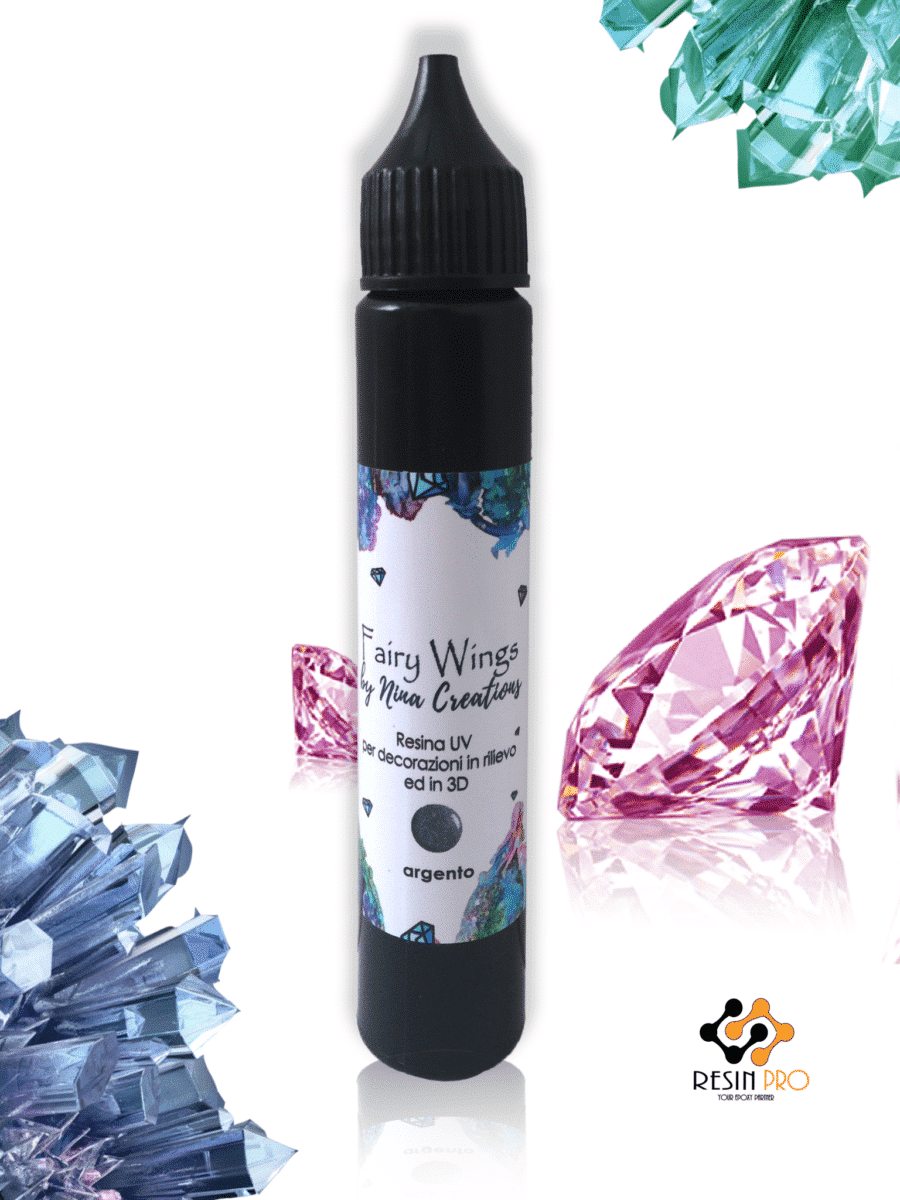 "Fairy Wings" – UV Resin for Volumetric Reliefs, Dual Colour, 30mlOriginal price was: £15.15.£2.85Current price is: £2.85."Fairy Wings" UV Resin provides a ready-to-use, dual-colour acrylic gel for detailed 3D decorative effects suited to creative projects.
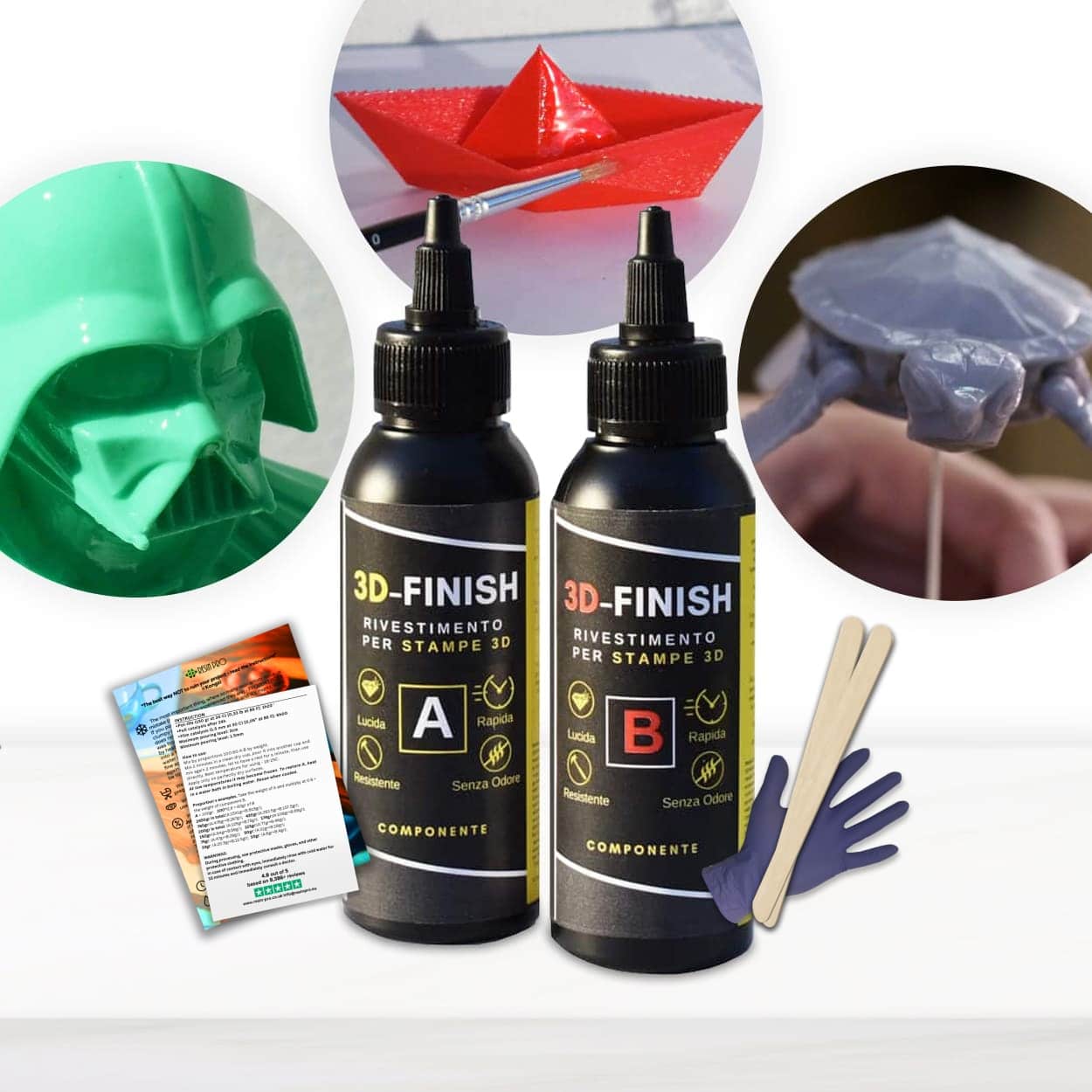 "3D Finish" – Fast Coating Epoxy Resin for 3D PrintsPrice range: £12.85 through £18.85"3D Finish" fast coating resin offers a smooth, detail-preserving finish suitable for 3D print models in a 3D wall project.
Frequently Asked Questions
Which types of resin are best for creating 3D decorative wall surfaces?
Non-self-levelling, high-viscosity epoxies and UV-cured gels are best for 3D textures. Choose products designed for vertical surfaces and detailed relief work.
What’s the best method to avoid resin drips or sagging when working on a wall?
Apply resin in thin layers and let each set before adding more. High-viscosity resins reduce sagging for sharp detail.
Is UV-curing resin suitable for creating raised or 3D decorative features?
Yes, UV resins like "Fairy Wings" are excellent for detailed raised designs, but must be cured with a UV lamp in thin layers.
Do I need to sand between different resin applications on a 3D wall?
Light sanding after full curing helps promote adhesion and smooths uneven areas before applying the next layer.
How durable are 3D resin wall finishes compared to traditional wall coverings?
Properly applied resin coatings resist knocks and moisture, offering greater longevity than most paints or wallpapers when fully cured.
What safety precautions are necessary when working with epoxy resins for walls?
Always wear gloves, eye protection, and work in a ventilated area. Read product instructions for safe mixing and curing.