 Free shipping on orders over £29,85
  Shipping Tracking!


 Google
 Facebook
How to make a resin mould that doesn't exist?
Want to cast a one-of-a-kind resin figure, accessory, or decorative item but can’t buy a mould for the shape you’ve imagined? This guide will show you how to create a custom resin mould for any object—no matter how rare, personal, or inventive—using safe, proven silicone moulding methods. No prior experience is needed to follow these steps and achieve pro-level results.
Create bespoke resin moulds for unique shapes and creative projects

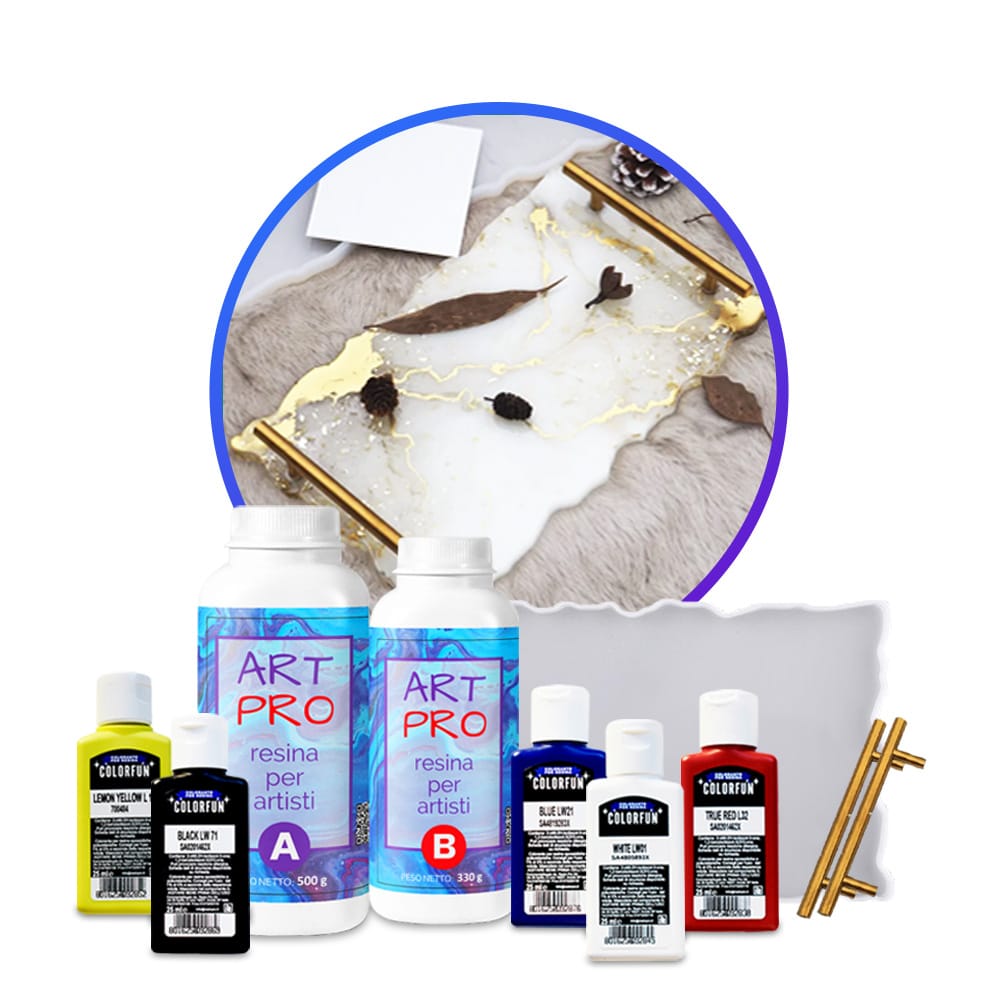
What You’ll Need
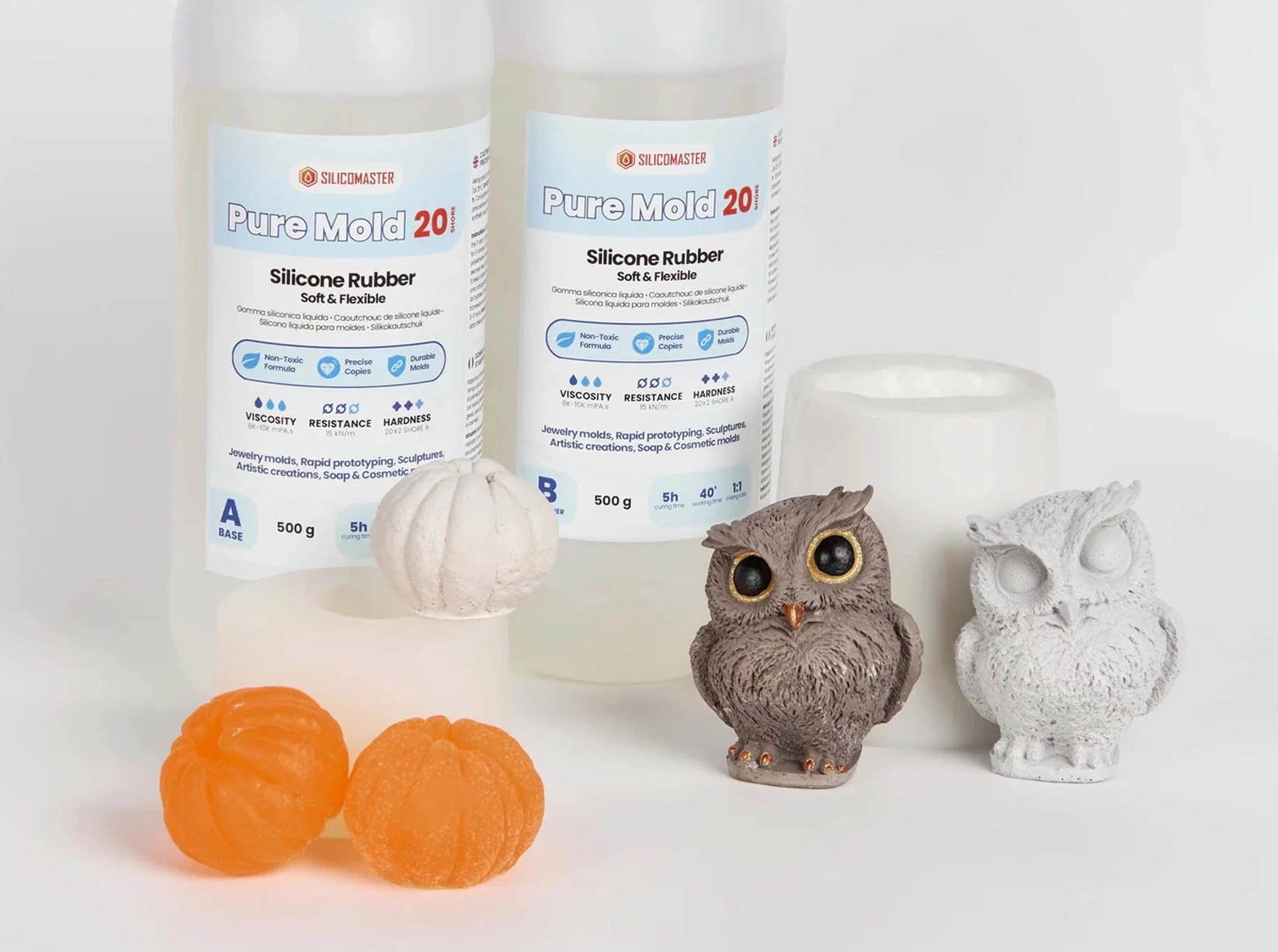
- “Pure Mould” – Translucent Liquid Silicone Rubber for Mould Making – for detailed, durable custom moulds
- Model or original object you wish to mould (master shape)
- Container or enclosure to hold silicone around the model
- Mixing sticks and disposable cups
- Release agent (if model is porous or textured)
- Protective gloves and apron
- Weighing scale (for precise ratio mixing)
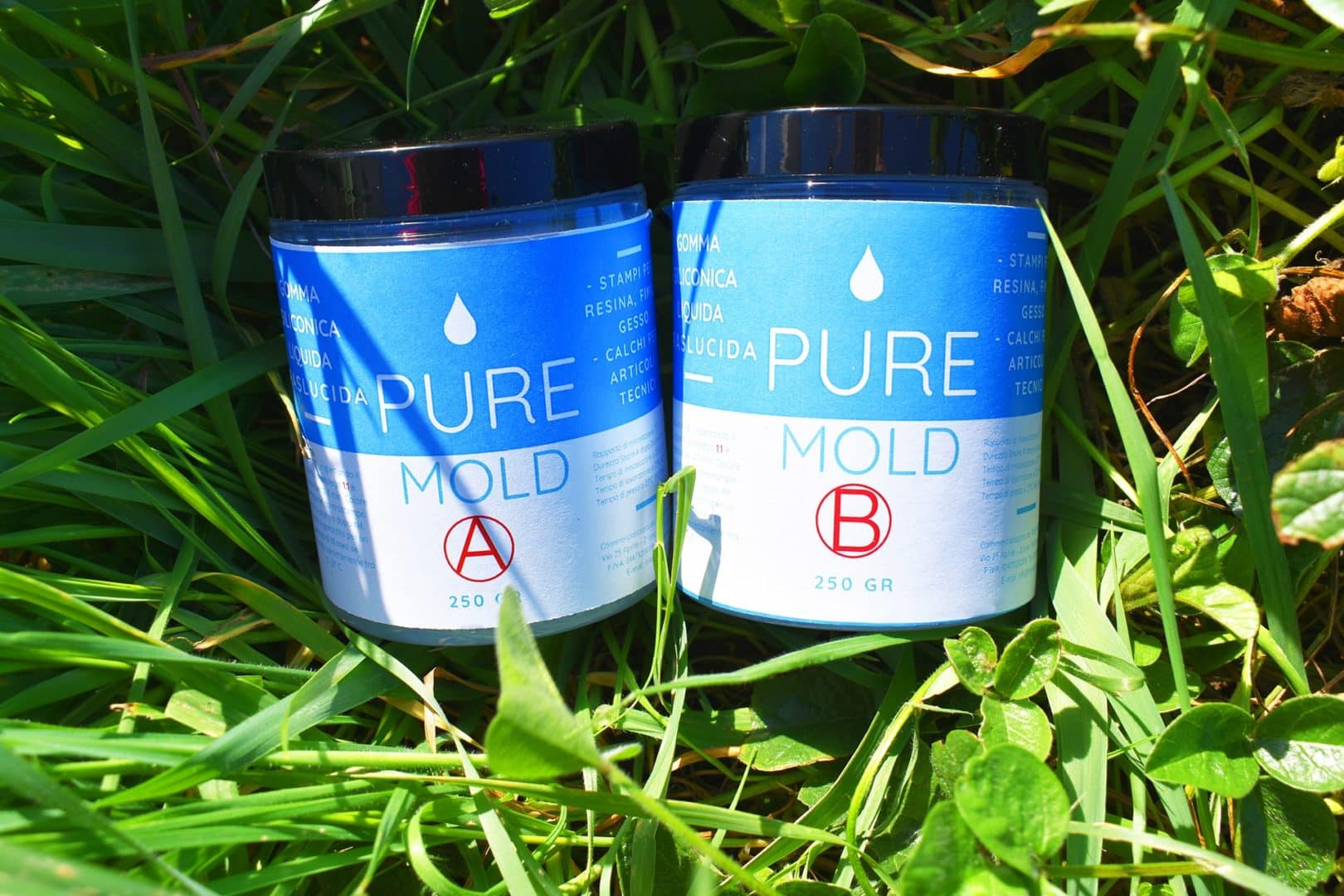
Getting Started: Visualising Your Mould-Making Setup
Plan your workspace and prep supplies before starting. Gather all the materials, clear a flat area, and line the work surface with disposable sheets. Lay out your silicone rubber, mixing tools, chosen container, and the object you want to duplicate. Visualising the process helps avoid errors and gives a smoother workflow from the first pour onwards.
Step 1: Select and Prepare the Model
Choose the original object or prototype you want to cast. This is called the master model. It can be anything: a sculpted figure, a unique found object, or even a 3D print. Clean the master model thoroughly to remove dust, oil, or debris, as these may transfer to your mould.
Ensure the model is fully dry. If it’s porous (like wood or plaster), apply a thin layer of release agent so the silicone will peel off easily. Seal any holes or gaps in the model’s surface for the smoothest result. Spend time on this now—it’s critical for a defect-free mould later.
Wear gloves and ensure good ventilation while handling chemicals and prepping the model, to promote safety throughout the process.
Step 2: Build the Mould Enclosure
Create a container just slightly larger than your model to hold the liquid silicone. You can use plastic tubs, recycled boxes lined with tape, or build a frame from foam board or LEGO bricks for custom shapes. The walls should be tight so liquid silicone doesn’t leak.
If you want to pour silicone only over part of the object, fix the model securely to the base of the enclosure. Double-check there are no gaps along the edges where silicone could escape.
Step 3: Mix and Pour the Silicone Rubber
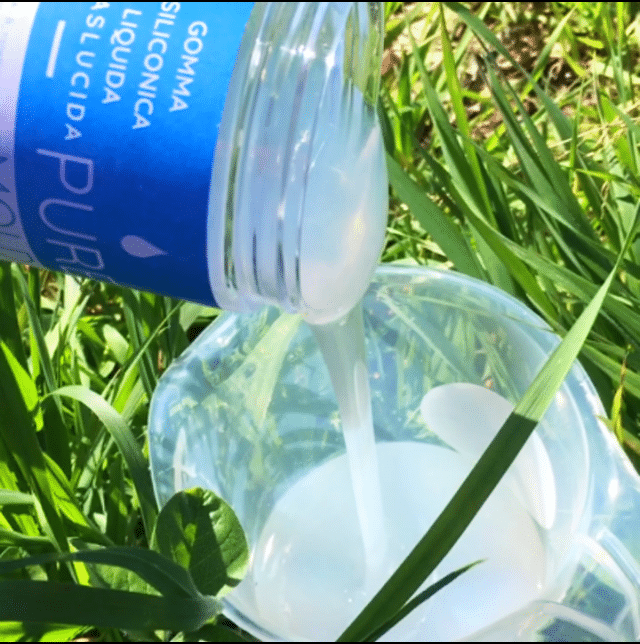
With your enclosure and master ready, it’s time to mix your silicone. For best results, use a translucent liquid silicone like “Pure Mould” – Translucent Liquid Silicone Rubber for Mould Making. This product mixes in a simple 1:1 ratio by weight, reducing error and minimising shrinkage over time.
Carefully weigh out equal parts of each silicone component. Combine them in a clean, dry cup and mix slowly for at least 2-3 minutes, scraping the sides to blend fully. Pour the silicone gently into one corner of your enclosure, letting it rise over your model to minimise air bubbles.
Carefully mix silicone components and avoid whipping air in—this helps guarantee a flawless, bubble-free cast.
Step 4: Allow Silicone to Cure and Demould
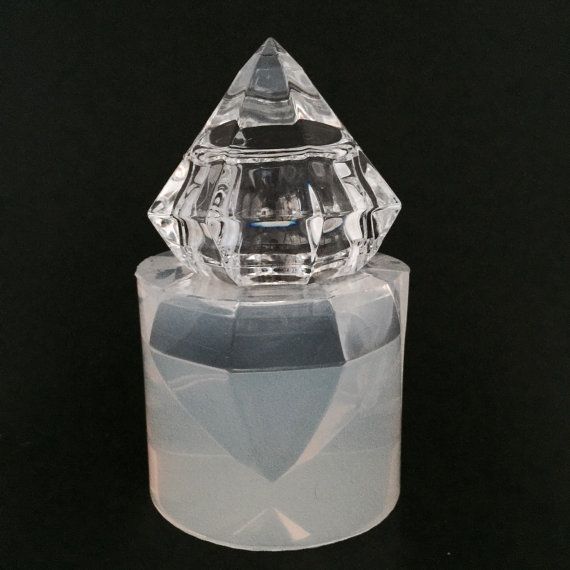
After pouring, leave the mould undisturbed to cure. For Pure Mould, this is typically 3-8 hours. Avoid moving or bumping the setup during this time, as this can affect the shape and finish of your mould.
Once set, remove the enclosure carefully. Gently free the model from the cured silicone, taking care not to tear delicate details.
Be patient during curing to ensure the mould is fully set and mechanically strong before handling.
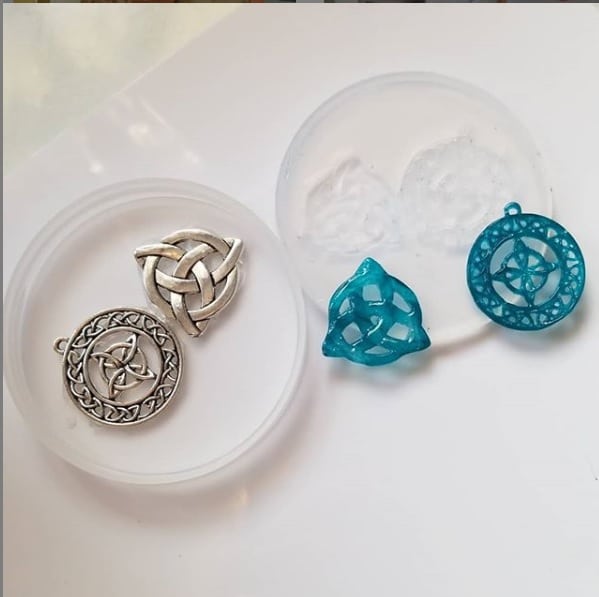
Step 5: Finish and Use Your Custom Resin Mould
Inspect the demoulded silicone for any thin bits or imperfections. Trim edges clean with scissors or a craft knife. Wash the mould with warm, soapy water and leave it to dry before its first use.
Now your completely new mould is ready for resin casting. Silicone moulds like Pure Mould are suitable for epoxy, polyester, polyurethane, acrylic, plaster, and more, so you can bring virtually any creative vision to life!
Trim excess and clean the mould gently between uses to extend its lifespan and keep casting details sharp.
Tips, Common Mistakes, and Troubleshooting
Always work in a clean space, as dust or debris can affect surface quality. Don’t rush the mixing—uncured spots can ruin a mould. If bubbles do form on detailed features, tap the container gently to encourage them to rise or consider pouring in thin layers. Use a release agent especially for intricate models to guarantee easy demoulding. If your first attempt isn’t perfect, small fixes like patching or resealing are possible with leftover silicone.
Take your time with detail and sealing to avoid air gaps and uneven coverage, especially when moulding complex designs.
Essential Reminders: Achieving the Best Results
Don’t rush the process—let silicone fully cure and clean your mould between casts. Always follow the recommended ratios and mix thoroughly for each batch. “Pure Mould” silicone is reusable and tough, but careful handling ensures it lasts for many creative projects. Precision, patience, and practice make truly unique resin moulds possible!
- "Pure Mould" – Translucent Liquid Silicone Rubber for Mould MakingPrice range: £22.85 through £158.85This translucent liquid silicone rubber is suitable for making moulds compatible with various resins and materials, supporting the theme of making…
- "Tray" – Complete Resin Tray Kit with Silicone Mould and Colour Dyes£54.85This resin tray kit includes resin, mould, handles, and dyes, suitable for creating trays with custom designs under the theme.
Frequently Asked Questions
Can I make a mould for unique 3D shapes?
Yes, silicone moulding techniques allow you to duplicate almost any 3D object in resin. Ensure the original is well-prepared.
How long does a silicone resin mould take to cure?
Curing times vary by product, but typical fast-curing silicone like Pure Mould sets in 3 to 8 hours.
Will silicone stick to my model?
For non-porous items, silicone usually peels off easily. Use release agent on porous or complex models for best demoulding.
Which resins can I use in the custom mould?
You can use epoxy, polyester, polyurethane, acrylic, and plaster in silicone moulds, as well as cements for more robust pieces.
How do I avoid bubbles in a silicone mould?
Mix slowly, pour from one corner, and tap the container gently after pouring to help bubbles rise and escape.
What if my mould has blemishes or tears?
Small defects can often be patched with leftover silicone or trimmed away. Ensure the model is well-sealed next time.