 Free shipping on orders over £29,85
  Shipping Tracking!


 Google
 Facebook
How do you apply liquid resin to the floor?
Step-by-step guidance for flawless, long-lasting resin flooring

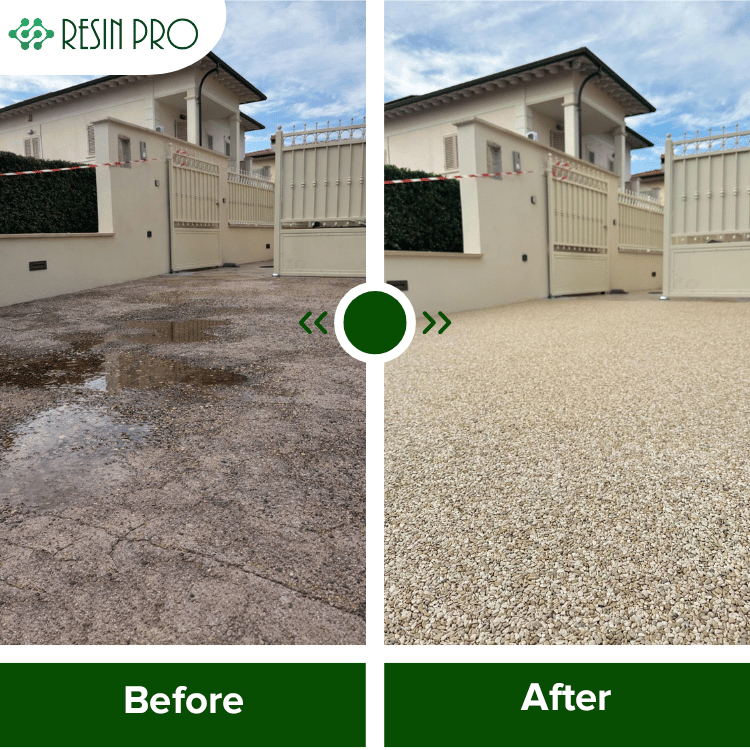
Applying liquid resin to floors is a practical way to create beautifully smooth, hard-wearing, and visually striking surfaces for various settings, from driveways and patios to garages and decorative areas. This comprehensive guide walks you through each stage, ensuring you achieve a durable, professional-grade resin floor whether you are a seasoned installer or a hands-on DIY enthusiast.
What You’ll Need
- “Epoxyprimer” – Universal Water-Based Two-Component Epoxy Floor Primer: For priming and improving adhesion on concrete, screed, timber, or tile substrates.
- “Flowstone” – Complete Permeable Floor Kit with Pebbles and Resin: For achieving a decorative, draining stone-resin finish outdoors.
- “Trasparente” – Epoxy Binder for Coloured Pebbles and Grits: For bonding coloured and dark aggregates.
- “Polirock” – Polyurethane Binder for White Stones, 2kg Two-Component Kit: Specially designed for use with white and natural stones in permeable floors.
- Protective clothing, gloves, and safety glasses
- Mixing containers or a cement mixer (for large areas)
- Trowel, roller, or squeegee (for spreading)
- Masking tape (for clean edges)
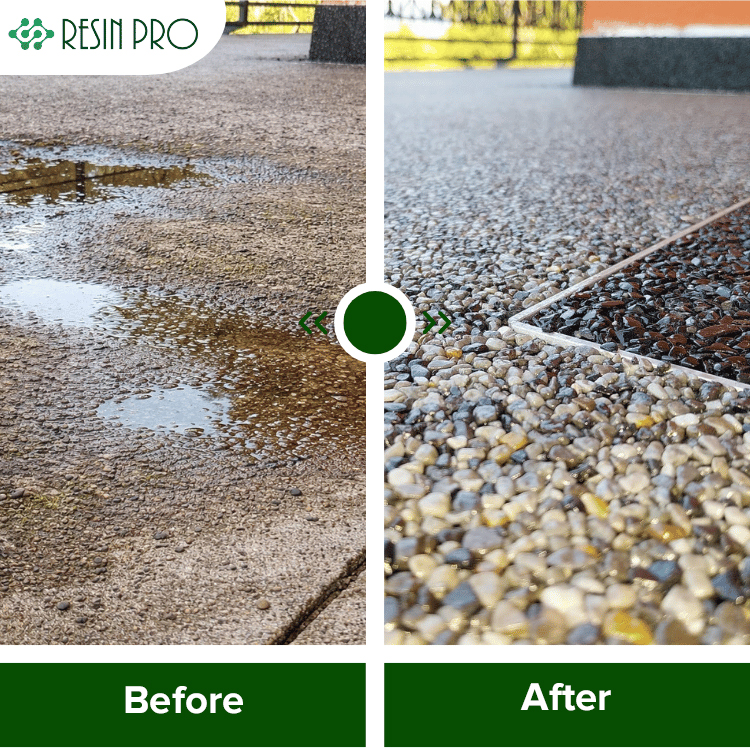
Essential Tools and Materials for Professional Results
Gathering the right materials and protective gear before starting makes each stage smoother and safer. Choose purpose-built products like Epoxyprimer for priming, and carefully match resin binders such as Polirock or Trasparente to your aggregate type to ensure durability and appearance.
Step 1: Prepare and Clean the Surface
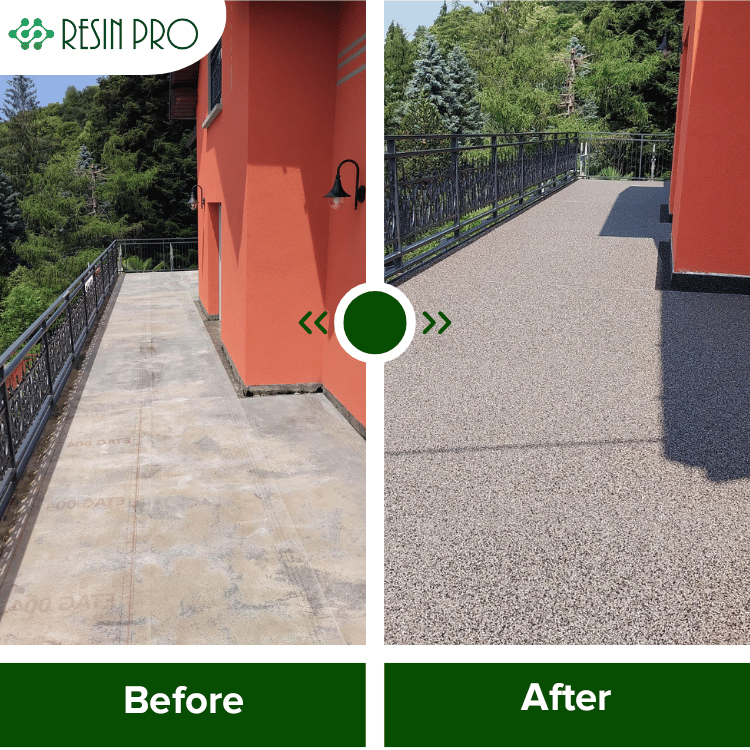
Proper surface preparation is the foundation of a successful resin floor. Begin by thoroughly cleaning the target area to remove dust, oils, debris, and any contaminants that could impact resin bonding. For outdoor installations, ensure the surface is dry and free from loose stones or organic material. Repair cracks or divots with suitable fillers and allow adequate cure time.
For interior or non-porous floors, ensure the substrate is lightly scarified or keyed to allow for optimal resin adhesion. It’s best to mask off edges with tape to maintain clean boundaries during application. Working in moderate temperatures (10–40°C) and low humidity will help resin flow evenly and cure effectively.
Step 2: Prime the Floor
Unprimed surfaces may lead to weak adhesion or uneven resin spread. On concrete, screed, timber, tiles, or mixed surfaces, apply an appropriate primer to maximise bonding strength and durability. “Epoxyprimer” – Universal Water-Based Two-Component Epoxy Floor Primer is designed for this stage and can be applied evenly with a roller or brush. Follow the mixing ratio as directed, and allow the primer to dry and cure fully—usually 24 to 48 hours—before proceeding to the resin application.
Priming is especially important outdoors or wherever moisture from below could affect the resin system. Don’t rush this step; a well-primed substrate sets the stage for a stronger, more durable result.
Step 3: Mix the Resin System
Choose the resin system best suited to your surface and decorative aims. For permeable stone floors, follow the guidance in your kit. For white aggregate finishes, “Polirock” – Polyurethane Binder for White Stones, 2kg Two-Component Kit delivers superior clarity and UV stability. If working with coloured or dark aggregates, select “Trasparente” – Epoxy Binder for Coloured Pebbles and Grits for excellent clarity and resistance to yellowing.
Combine aggregate and resin in a mixing container (or cement mixer for large projects) using the recommended resin-to-stone ratio—commonly between 3% and 5% by weight, depending on the kit and aggregate size. Mix thoroughly until every granule is evenly coated and the resin blend is homogenous. Swift mixing ensures even dispersion and reduces the risk of bubbles or dry patches.
Step 4: Apply and Finish the Resin Flooring
Immediately after mixing, pour the resin-aggregate blend onto the prepared and primed surface. Use a steel trowel or squeegee to spread the mixture to the desired thickness—usually around 15–20 mm for outdoor permeable applications. Work in manageable sections, aiming for an evenly levelled finish without joints or ridges.
Gently compact the mix as you go to eliminate air pockets, ensuring best drainage (for permeable systems) and a uniform surface texture. For neat edges, shape with a trowel while the resin remains workable. Once complete, allow the flooring to cure undisturbed according to product instructions—typically 24–48 hours, depending on temperature and humidity. Resist walking or placing heavy objects on the floor until fully set.

Tips and Common Mistakes to Avoid
Superior adhesion and a flawless finish depend largely on careful preparation and timely application. Common pitfalls include skipping the priming stage, using the wrong binder for specific aggregates (for example, using epoxy rather than polyurethane with white stones, leading to yellowing), applying resin in unsuitable weather, or inadequately compacting the mix, resulting in weak or uneven areas. Always double-check compatibility between substrate, primer, and binder, and measure components accurately for proper curing.
For larger projects, enlist help to ensure mixing and laying are performed swiftly once resin and aggregate are combined, reducing the risk of premature curing or inconsistencies in the finished surface. With the right materials and methods, you can avoid most issues and enjoy a long-lasting resin floor.
Achieving a Smooth, Durable Floor Every Time
Careful planning and attention to details such as curing times, weather, and component ratios help you achieve a resin floor that retains its beauty and structural integrity for years. Don’t hesitate to consult the instructions included with specialised kits like Flowstone for tailored advice.
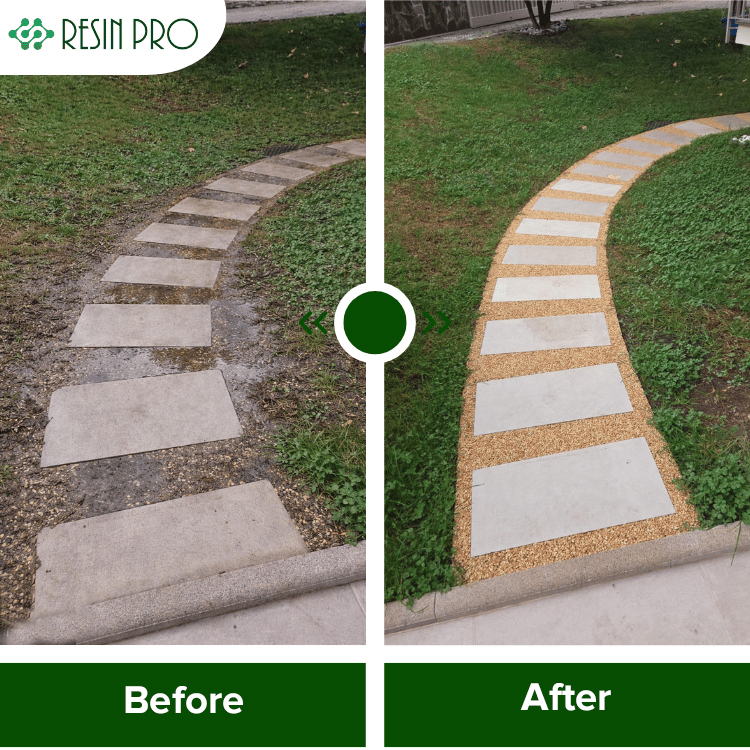
- "Flowstone" – Complete Permeable Floor Kit with Pebbles and ResinPrice range: £42.85 through £3,389.85"Flowstone" permeable pebble and resin floor kit provides a durable and draining solution for outdoor UK driveways and patios with guided application.
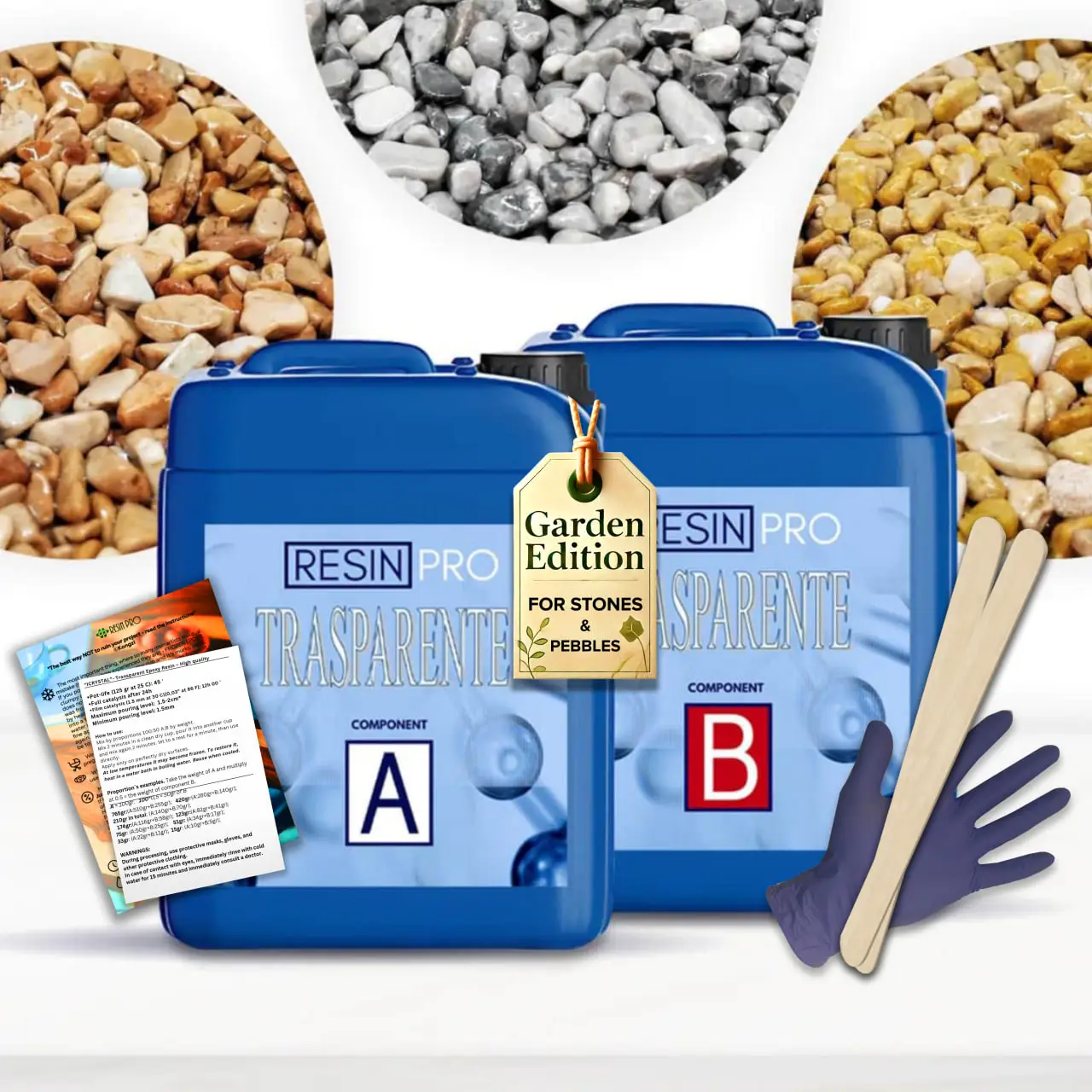 "Trasparente" – Epoxy Binder for Coloured Pebbles and GritsPrice range: £31.85 through £948.85"Trasparente" is a transparent epoxy binder designed to provide a clear, UV-resistant finish suitable for coloured pebbles on floors.
 "Epoxyprimer" – Universal Water-Based Two-Component Epoxy Floor PrimerPrice range: £148.84 through £272.45Epoxyprimer is a water-based epoxy floor primer suitable for various substrates, designed for reliable adhesion and durability.
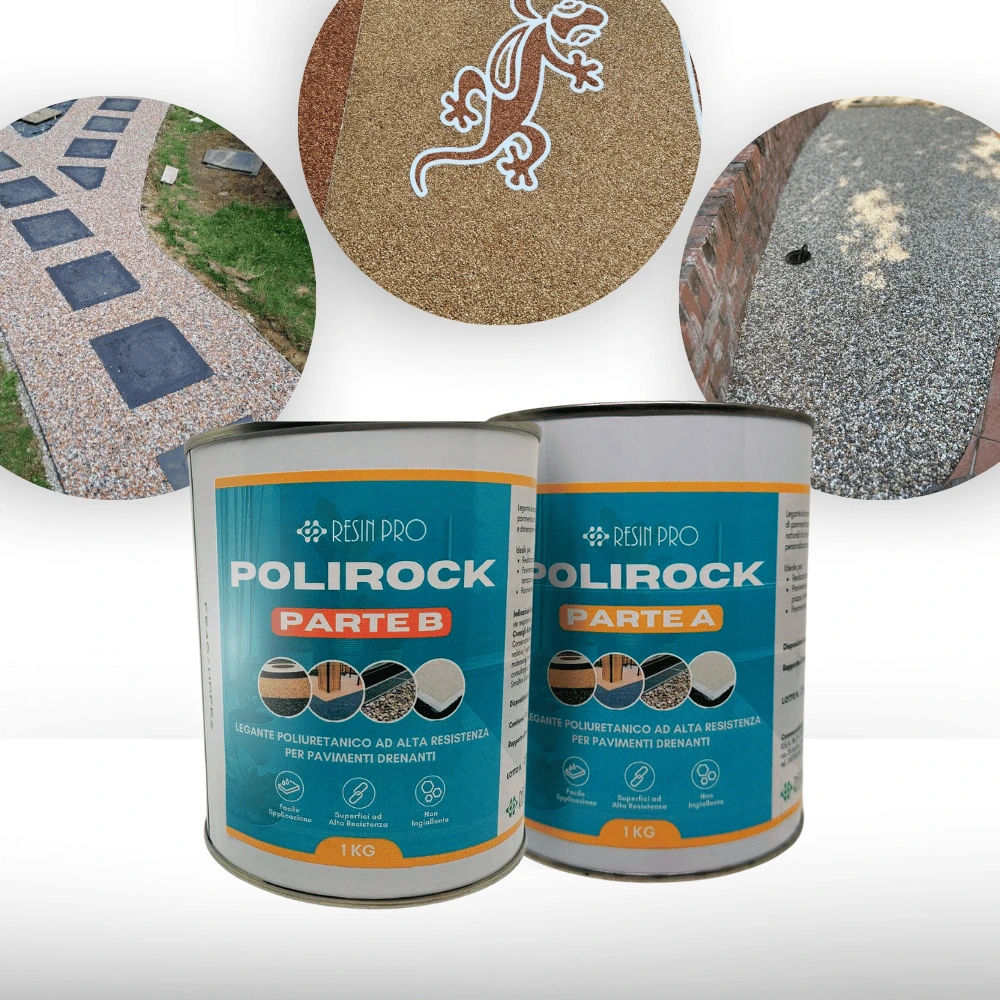 "Polirock" – Polyurethane Binder for White Stones, 2kg Two-Component Kit£58.85"Polirock" polyurethane binder is designed for creating durable, weather-resistant outdoor stone surfaces with clear, non-yellowing finish.
Frequently Asked Questions
What types of surfaces can I apply liquid resin to?
Liquid resin can be applied to stable, dry surfaces including concrete, screed, timber, and clean tiles for best results.
Are specific weather conditions required for applying resin?
Yes, apply in temperatures between 10°C and 40°C and low humidity to ensure strong adhesion and proper curing.
Is priming necessary before applying the resin?
Priming is recommended as it maximises adhesion and prevents issues such as peeling or uneven curing on porous surfaces.
Which resin should I use for different aggregates?
Use polyurethane binders for white stones to prevent yellowing, and UV-resistant epoxy binders for coloured or dark aggregates.
What tools are required for applying liquid resin?
You’ll need mixing containers or a cement mixer, trowels or squeegees, and protective clothing for safe and even application.
How long before I can walk or drive on the new resin floor?
Most resin floors need at least 24–48 hours to cure before walking, and longer before handling vehicle loads. Always check product instructions.
Is DIY application possible and what are the mixing ratios?
DIY is feasible with provided guides. Typically, use 3%–5% resin by the weight of aggregate, but always follow the kit's specific guidelines.